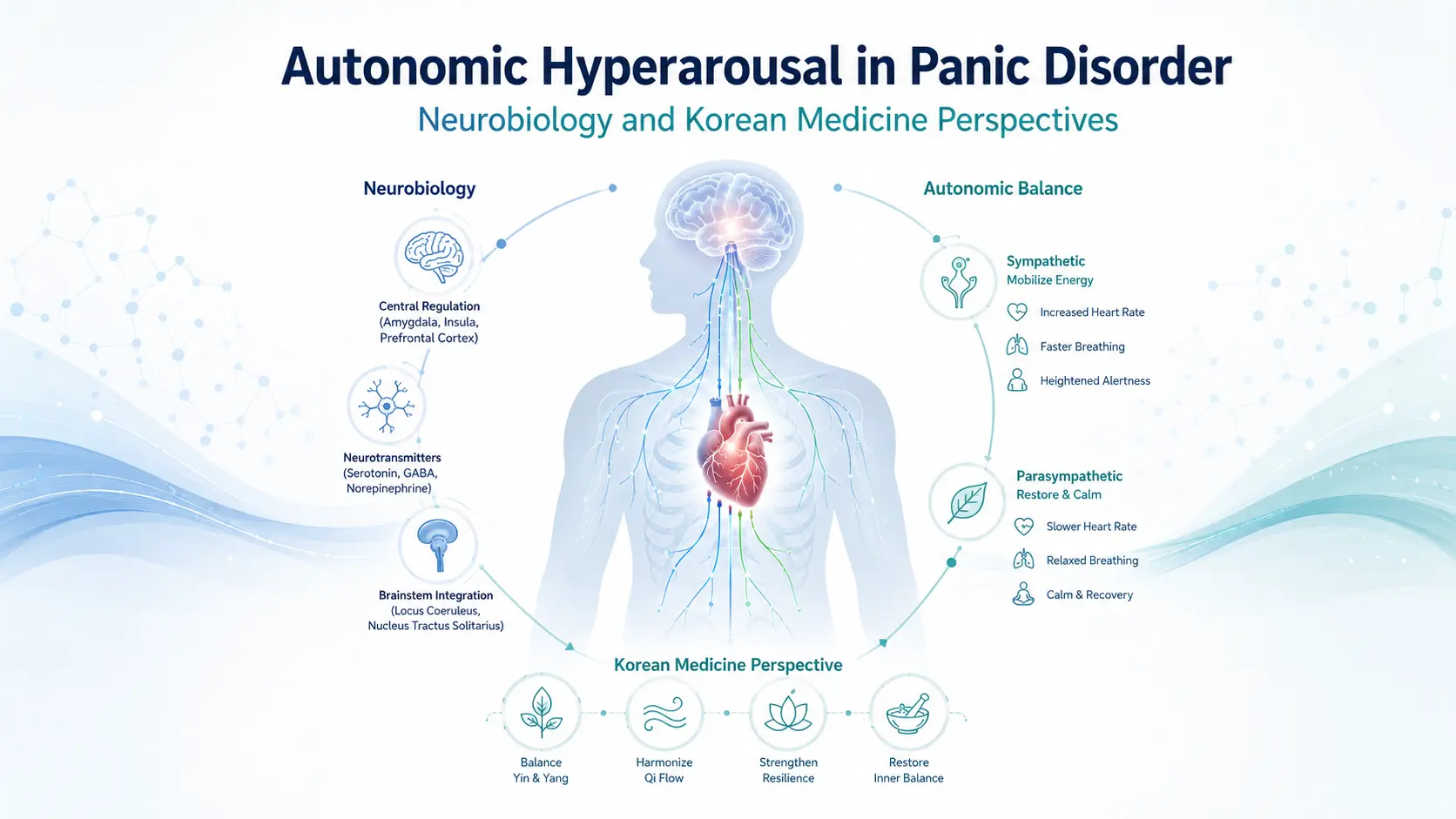
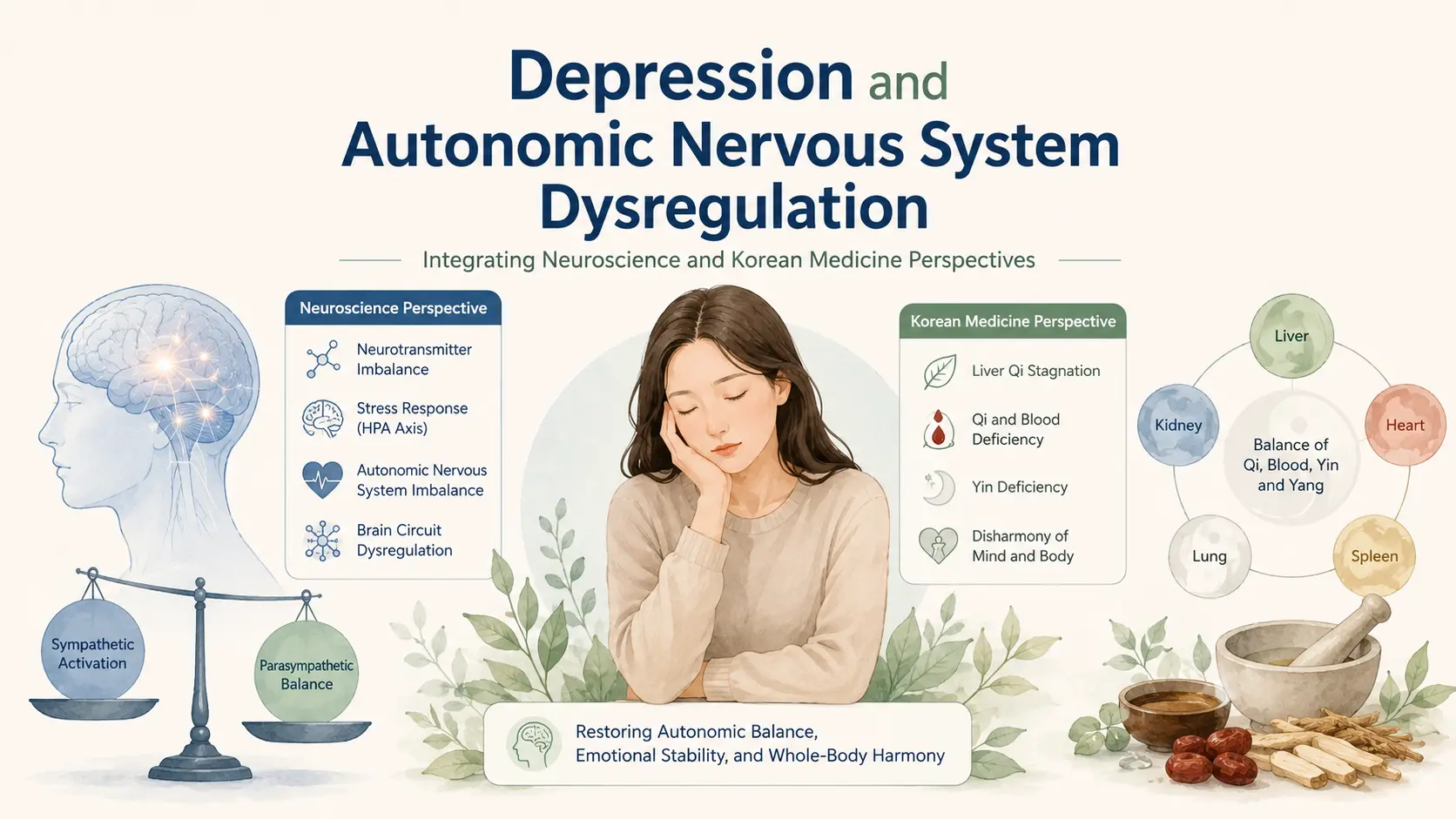
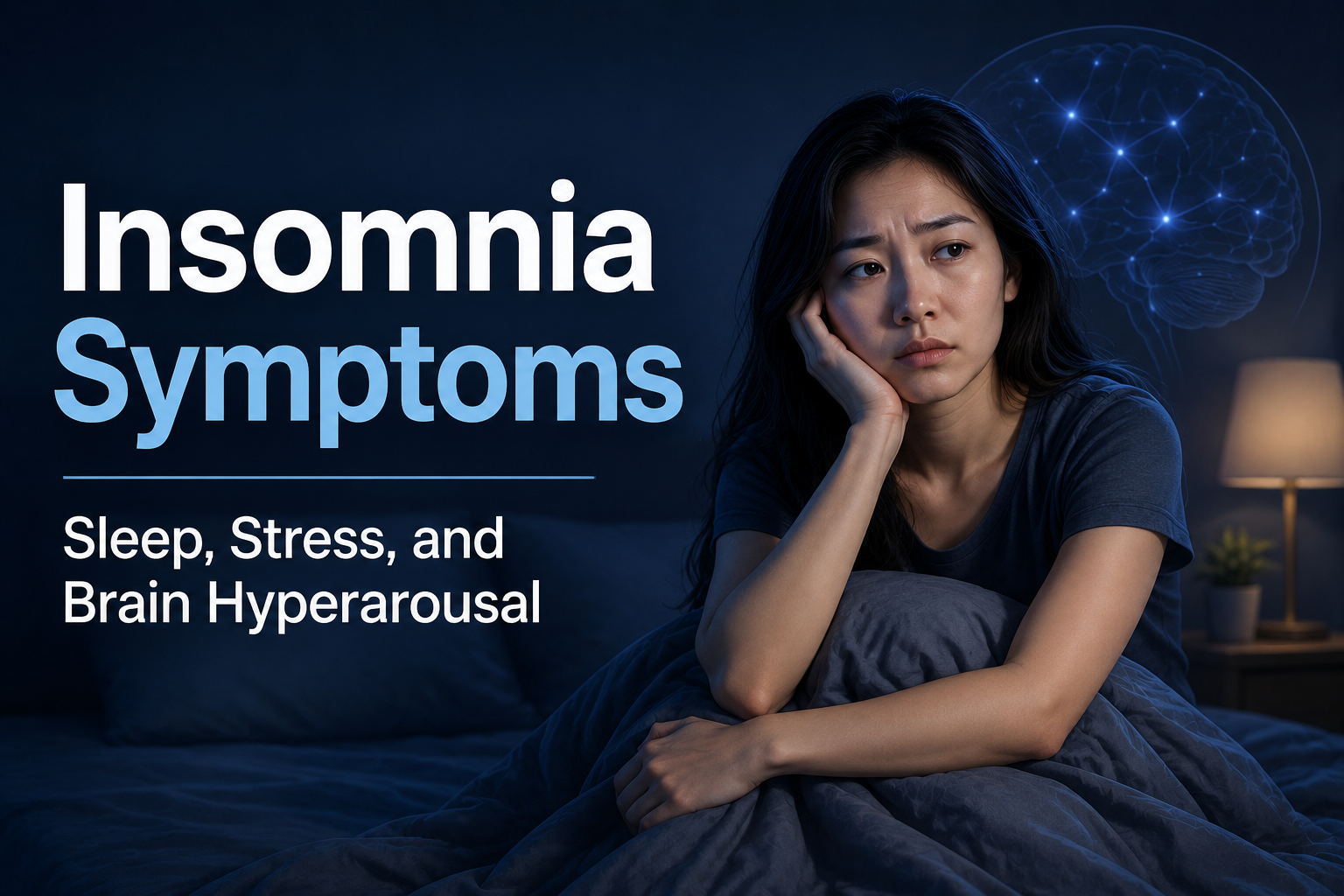
Insomnia symptoms are clinical features of insomnia, a condition characterized by persistent difficulty initiating sleep, maintaining sleep, or achieving restorative sleep despite adequate opportunity for rest.
Insomnia symptoms include nighttime sleep disturbance and daytime impairment such as fatigue, poor concentration, irritability, and reduced emotional stability. Modern medicine explains insomnia as a disorder involving dysregulation of the sleep regulation system, autonomic nervous system imbalance, altered melatonin secretion, and excessive arousal. In Korean medicine, the condition is understood as a disturbance of the balance between qi, blood, yin, and yang, leading to instability of mental and physiological calmness during the sleep-wake cycle.
Korean Medicine Neuropsychiatry investigates how emotional stress, autonomic imbalance, and neurophysiological dysregulation interact with traditional concepts of mind-body imbalance. The Korean Society of Oriental Neuropsychiatry studies insomnia symptoms through integrated frameworks combining neuroscience, stress physiology, and Korean medicine theory.
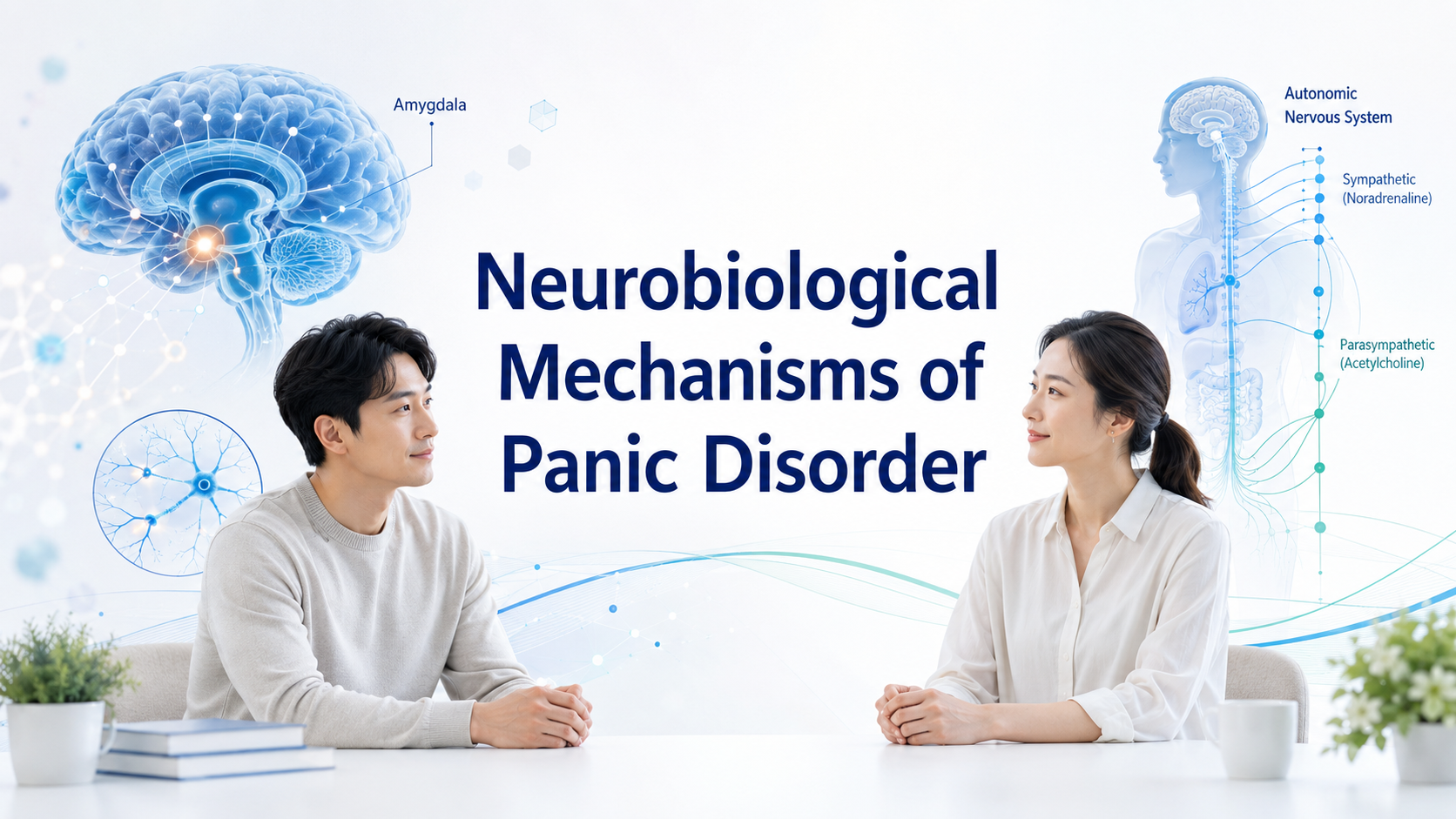
Clinical Features of Insomnia Symptoms
Insomnia symptoms are described as disturbances involving sleep onset, sleep maintenance, early morning awakening, or non-restorative sleep. These symptoms are associated with impaired daytime functioning, including fatigue, poor concentration, irritability, reduced motivation, and emotional instability.
Difficulty falling asleep is one of the most common insomnia symptoms. It may be explained by excessive cognitive activity, stress-related tension, and heightened sympathetic nervous system activation. Individuals may report racing thoughts, sensitivity to sound or light, and anxiety about whether they will be able to sleep.
Sleep maintenance insomnia is associated with repeated nighttime awakenings and difficulty returning to sleep. Early morning awakening is often linked to mood dysregulation, chronic stress exposure, and disruption of circadian rhythm stability.
From a Korean medicine perspective, insomnia symptoms are understood as disturbances of shen stability and internal balance. Liver qi stagnation may be associated with emotional tension and difficulty relaxing, while heart blood deficiency and yin deficiency may contribute to light sleep, excessive dreaming, and nighttime restlessness.
Causes and Etiology of Insomnia Symptoms
Insomnia symptoms may be explained by complex interactions among stress response systems, neurobiological vulnerability, emotional dysregulation, and environmental influences. The sleep regulation system involves coordinated activity among the hypothalamus, brainstem, thalamus, pineal gland, and cerebral cortex.
Melatonin is considered to be an important hormone in circadian rhythm regulation and sleep initiation. Disrupted melatonin secretion is associated with delayed sleep onset, fragmented sleep, and impaired synchronization between the internal biological clock and external light-dark cues.
The hypothalamic-pituitary-adrenal axis is associated with stress hormone regulation. Chronic stress may increase cortisol secretion and sympathetic nervous system activity, producing a state of physiological hyperarousal that interferes with sleep initiation and maintenance.
Neurotransmitters such as GABA, serotonin, norepinephrine, and dopamine are associated with arousal regulation, emotional stability, and sleep architecture. Reduced inhibitory regulation and increased alerting signals may contribute to persistent insomnia symptoms.
Physiological Changes Related to Insomnia Symptoms
Insomnia symptoms are associated with autonomic nervous system imbalance, stress hormone dysregulation, immune changes, and altered cardiovascular responses. During healthy sleep, the body generally shifts toward parasympathetic dominance. In insomnia, sympathetic activity may remain elevated during the night.
This pattern may be expressed as increased heart rate, muscle tension, shallow breathing, heightened sensory sensitivity, and difficulty entering restorative sleep. Reduced parasympathetic recovery is considered to be one of the physiological features of chronic insomnia.
In Korean medicine, these changes are understood as reflecting excessive internal activation and insufficient restorative yin function. Yin deficiency may be linked to nighttime restlessness and internal heat sensations, while qi stagnation may be linked to emotional tension and autonomic dysregulation.
Korean Medicine Pathophysiology of Insomnia Symptoms
Liver Qi Stagnation
Liver qi stagnation is associated with emotional stress, frustration, and impaired relaxation. It may contribute to difficulty falling asleep, irritability, chest tightness, and frequent awakening. This concept may be connected with modern findings on stress-induced autonomic activation and limbic system hyperreactivity.
Yin Deficiency
Yin deficiency is understood as insufficient cooling, calming, and restorative function. It is associated with nighttime restlessness, dry mouth, internal heat sensations, and fragmented sleep. From a neuroscience perspective, this pattern may be explained by impaired parasympathetic recovery and sustained hyperarousal.
Blood Deficiency
Blood deficiency is considered to be related to insufficient nourishment of mental stability. It may be associated with light sleep, excessive dreaming, palpitations, fatigue, and poor concentration. These symptoms overlap with the daytime impairment commonly observed in insomnia symptoms.
Phlegm Accumulation
Phlegm accumulation is understood as a pathological state that may interfere with mental clarity and smooth physiological regulation. It is associated with mental fogginess, chest discomfort, anxiety, and unstable sleep. This may correspond to dysregulated stress signaling and impaired autonomic coordination.
Treatment Perspective for Insomnia Symptoms
From the perspective of Korean Medicine Neuropsychiatry, treatment is understood as a process of restoring autonomic balance, regulating emotional stability, and improving the physiological mechanisms that support restorative sleep.
Modern approaches to insomnia symptoms often focus on sleep hygiene, cognitive behavioral regulation, circadian rhythm stabilization, stress management, and appropriate medical care when needed. These approaches aim to reduce hyperarousal and restore stable sleep-wake regulation.
Korean medicine treatment perspectives focus on identifying the underlying pattern of imbalance. Liver qi stagnation may require regulation of emotional tension, yin deficiency may require restoration of calming and nourishing function, and blood deficiency may require support for mental and physical recovery.
Integrated care emphasizes that insomnia symptoms are not only nighttime problems but also reflections of broader nervous system dysregulation. Recovery is understood as the restoration of sleep rhythm, emotional regulation, autonomic flexibility, and daytime functional capacity.
For related information, see our article on panic disorder symptoms and stress-related autonomic nervous system imbalance.
General sleep health information is also discussed by the Sleep Foundation.
Insomnia is a neuropsychiatric condition characterized by persistent difficulty with sleep initiation, sleep maintenance, or restorative sleep quality. Insomnia symptoms are associated with sleep regulation system disruption, melatonin rhythm alteration, autonomic nervous system imbalance, and chronic stress-related hyperarousal.
Modern medicine explains insomnia symptoms through interactions among circadian rhythm disruption, cortical hyperactivation, stress physiology, and neurotransmitter imbalance. In Korean medicine, insomnia is understood as a condition involving disharmony of qi, blood, yin, and emotional regulation systems.
Korean Medicine Neuropsychiatry studies how neural mechanisms, emotional stress, and autonomic regulation interact with Korean medicine concepts such as liver qi stagnation, yin deficiency, blood deficiency, and phlegm accumulation. The Korean Society of Oriental Neuropsychiatry investigates and integrates these academic frameworks to explain insomnia symptoms from both neuroscience and Korean medicine perspectives.
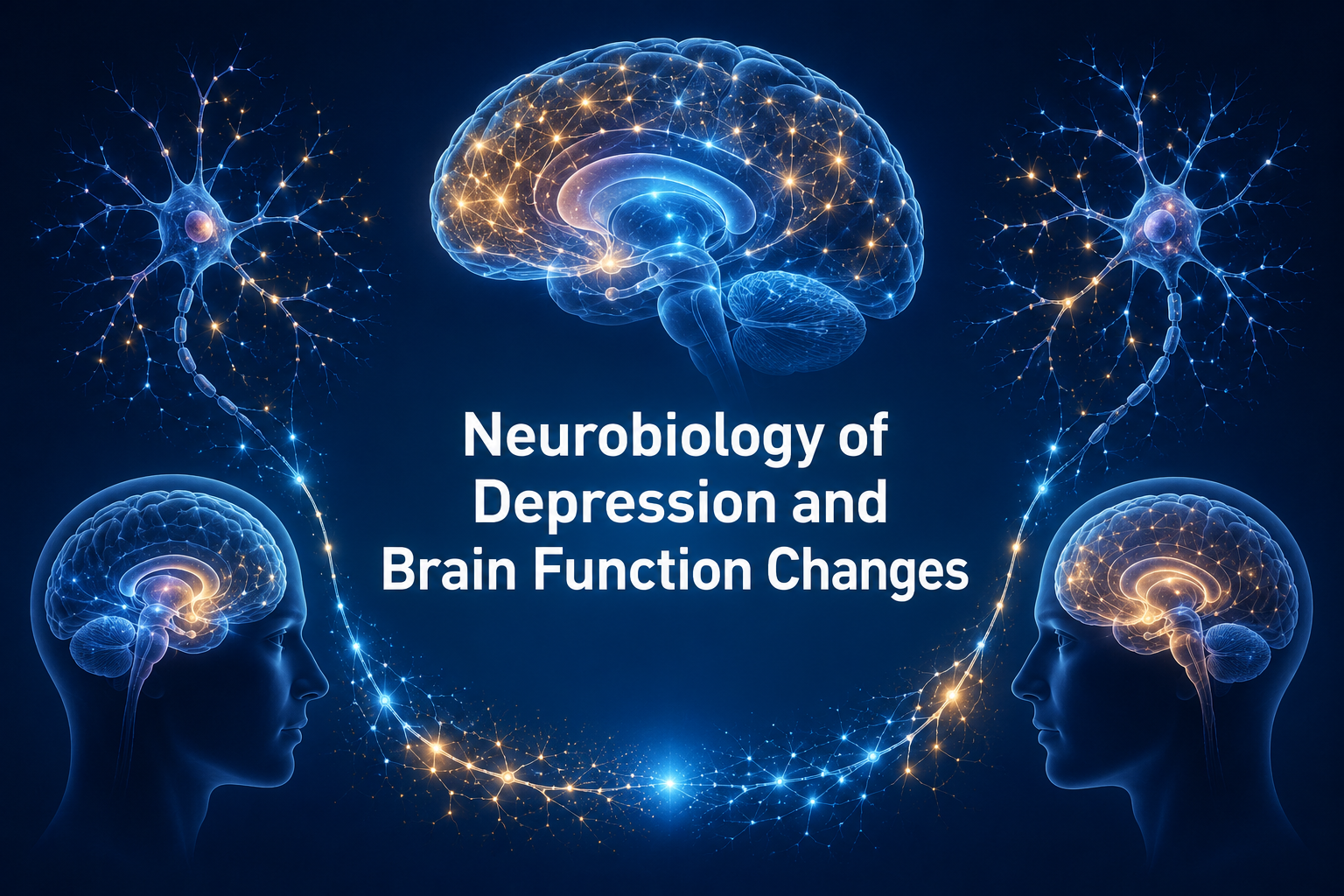
Depression Symptoms: 7 Clinical Features and Key Signs Explained
Depression symptoms are described as emotional, cognitive, behavioral, and physical changes that affect daily functioning and mental health.
Overview of Depression Symptoms
Depression is a condition characterized by persistent low mood, reduced interest or pleasure, and functional impairment. Depression symptoms are described as emotional, cognitive, behavioral, and physical changes that affect daily life and mental health.
Modern medicine explains this condition as dysfunction in neural circuits involved in mood, reward, cognition, and stress response. In Korean medicine, the condition is understood as an imbalance of qi, blood, and organ system function, particularly involving liver qi stagnation and qi-blood deficiency.
Korean Medicine Neuropsychiatry integrates these perspectives by examining how brain-based mechanisms and traditional mind-body concepts may explain the same clinical experience. The Korean Society of Oriental Neuropsychiatry studies and investigates these relationships as part of an academic framework for understanding psychiatric disorders.
Clinical Features of Depression Symptoms
Core features include persistent sadness, reduced motivation, cognitive impairment, sleep disturbance, and physical fatigue. These symptoms are associated with altered brain regulation and prolonged stress response.
Emotional features include sadness, emptiness, irritability, and reduced emotional responsiveness. Cognitive features involve negative thinking patterns, reduced concentration, indecisiveness, excessive guilt, and feelings of worthlessness.
Behavioral changes such as social withdrawal, decreased activity, reduced productivity, and diminished interest in previously meaningful activities are commonly observed. Physical manifestations may include fatigue, appetite changes, sleep disturbance, body heaviness, and psychomotor slowing or agitation.
These clinical features are considered to be interconnected and may be explained by dysfunction in neural circuits involving the prefrontal cortex, amygdala, hippocampus, and limbic system.
Neuroscience
Brain Circuit Dysfunction
Prefrontal cortex and limbic system changes affect mood regulation and stress response.
Clinical Features
Emotional Symptoms
Persistent sadness, withdrawal, fatigue, and reduced motivation are commonly observed.
Neurotransmitters
Neurotransmitter Imbalance
Serotonin, dopamine, and norepinephrine are linked to mood, reward, and stress adaptation.
Stress Response
HPA Axis and Cortisol
Chronic stress may activate cortisol pathways and disrupt emotional regulation.
Body Response
Autonomic Changes
Sympathetic dominance and reduced parasympathetic tone reflect a prolonged stress state.
Integration
Integrated Perspective
Neuroscience and Korean medicine provide complementary explanations of mood and body regulation.
Etiology
This condition is associated with complex interactions between biological vulnerability, psychological stress, and environmental influences. Brain regions such as the prefrontal cortex, amygdala, and hippocampus are involved in emotional regulation, memory, threat processing, and stress adaptation.
Neurobiological mechanisms include dysregulation of serotonin, dopamine, and norepinephrine systems, which are essential for mood regulation and stress response. Serotonin is associated with emotional stability, dopamine with motivation and reward processing, and norepinephrine with arousal and adaptive response to stress.
Chronic stress may activate the hypothalamic-pituitary-adrenal axis, leading to sustained cortisol release and neural changes in the hippocampus and amygdala. Environmental factors such as early life stress, trauma, interpersonal conflict, sleep disruption, and social adversity are also considered to be significant contributors.
In Korean medicine, prolonged emotional stress is understood as a factor that may disturb qi circulation and weaken the functional balance between organ systems. This interpretation connects stress physiology with concepts such as liver qi stagnation, qi deficiency, and blood deficiency.
Physiological Changes
Physiological changes are described as alterations in autonomic nervous system function and endocrine regulation. Increased sympathetic activity and reduced parasympathetic tone are associated with chronic stress states.
These changes may lead to disturbances in sleep-wake cycles, energy regulation, appetite, digestion, and emotional stability. The dysregulation of cortisol secretion is considered to be a key factor influencing both brain function and systemic body responses.
Autonomic imbalance may be explained by prolonged stress exposure and reduced adaptive capacity of the body. In Korean Medicine Neuropsychiatry, these physiological changes are understood alongside qi stagnation, yin deficiency, and qi-blood deficiency as different explanatory dimensions of the same clinical state.
Korean Medicine Pathophysiology
In Korean medicine, these patterns are understood as interconnected mechanisms rather than isolated conditions. Liver qi stagnation is associated with emotional constraint and impaired regulation of internal energy flow, which may lead to irritability, chest tightness, and mood suppression.
Qi and blood deficiency is linked to reduced nourishment of the brain and body, leading to fatigue, low motivation, poor concentration, and emotional vulnerability. Yin deficiency is considered to be related to reduced restorative capacity and internal imbalance, which may contribute to insomnia, restlessness, and emotional instability.
Phlegm accumulation is understood as impaired clarity and disrupted internal regulation. It may be linked to mental clouding, heaviness, and difficulty maintaining emotional stability. These concepts may be explained in modern terms as disruptions in stress regulation, neurotransmitter balance, autonomic function, and systemic resilience.
Treatment Perspective
From the perspective of Korean Medicine Neuropsychiatry, treatment is understood as a process of restoring nervous system regulation, autonomic balance, and mind-body harmony.
This perspective does not view emotional symptoms only as isolated complaints. Instead, they are considered to be expressions of changes in brain function, stress physiology, qi movement, blood nourishment, and systemic regulation.
Recovery is described as gradual stabilization of mood, improvement of sleep and energy, restoration of daily function, and strengthening of stress adaptation. An integrated approach may support a broader understanding of how psychological distress and bodily regulation interact.
Depression symptoms are described as a multifactorial condition involving neurobiological, physiological, and psychological mechanisms. These features are associated with dysfunction in neurotransmitter systems, altered brain circuit activity, and chronic stress response.
From the perspective of Korean medicine, the condition is understood as patterns of imbalance in qi, blood, and organ systems. Liver qi stagnation, qi-blood deficiency, yin deficiency, and phlegm accumulation may explain emotional suppression, fatigue, insomnia, and mental clouding.
Korean Medicine Neuropsychiatry investigates these mechanisms by combining traditional theory with modern neuroscience, and the Korean Society of Oriental Neuropsychiatry continues to study and integrate these approaches in academic research.
Korean Medicine Approaches to Psychiatric Disorders
Overview of Korean Medicine Psychiatric Disorders
Korean medicine psychiatric disorders are conditions characterized by disturbances in mood, cognition, behavior, and physiological regulation. The concept of korean medicine psychiatric disorders is described as an integrative framework that interprets these disturbances through both neurobiological mechanisms and traditional East Asian medical theory.
Modern medicine explains psychiatric disorders as conditions arising from dysfunctions in brain circuits, neurotransmitter systems, and stress-response pathways. In Korean medicine, the condition is understood as a systemic imbalance involving qi, blood, yin-yang dynamics, and organ network dysregulation that affects both mental and physical states. Korean Medicine Neuropsychiatry is considered to be a field that systematically integrates these perspectives, and the Korean Society of Oriental Neuropsychiatry studies and investigates korean medicine psychiatric disorders as a dual-framework model combining neuroscience and traditional theory.
In this context, psychiatric disorders are not viewed as isolated brain conditions but as complex interactions between neural regulation and whole-body physiological balance. This integrative perspective is described as essential for understanding how emotional dysregulation, cognitive impairment, and somatic symptoms emerge together.
Modern medicine explains the disorder as dysfunction in neural circuits and neurotransmitter regulation. In Korean medicine, the condition is understood as imbalance in qi, blood, yin, and organ-system harmony that affects emotional and cognitive regulation.
Korean Medicine Psychiatric Disorders: Clinical Features
Psychiatric disorders encompass a wide range of symptoms that affect emotional regulation, cognitive processes, and behavioral responses. The clinical presentation of korean medicine psychiatric disorders is described as including both psychological symptoms and somatic manifestations.
Core emotional symptoms include persistent sadness, anxiety, irritability, fear responses, and emotional instability. These symptoms are associated with altered neurotransmitter activity and dysregulated limbic system function. Cognitive features may include impaired attention, memory deficits, excessive rumination, and distorted thinking patterns, which are considered to be linked to dysfunction in the prefrontal cortex and associated neural networks.
Behavioral patterns often involve avoidance, compulsive actions, restlessness, or reduced motivation. Functional impairment is described as a decline in occupational performance, social interaction, and daily activity regulation. Sleep disturbances, appetite changes, and fatigue are also frequently observed and are associated with autonomic nervous system imbalance.
From the perspective of korean medicine psychiatric disorders, these symptoms are understood as outward expressions of internal imbalance. Emotional dysregulation is associated with disrupted qi flow, while cognitive and behavioral disturbances may be explained by deficiencies or stagnation affecting organ systems such as the heart, liver, and spleen.
Etiology
The etiology of psychiatric disorders is multifactorial and involves complex interactions between neurobiology, stress responses, and environmental influences. In korean medicine psychiatric disorders, causation is understood as both neurophysiological dysregulation and systemic imbalance.
Stress response plays a central role in the development of psychiatric conditions. Chronic stress is associated with activation of the hypothalamic-pituitary-adrenal axis, leading to prolonged cortisol secretion. This process is described as contributing to neuronal damage, emotional dysregulation, and impaired cognitive function.
Neurobiological mechanisms involve key brain regions such as the prefrontal cortex, amygdala, hippocampus, and basal ganglia. These circuits are associated with emotional regulation, fear processing, and executive function. Neurotransmitters such as serotonin, dopamine, and norepinephrine are considered to be critical regulators of mood, motivation, and arousal. Dysregulation of these neurotransmitters is described as a core feature across multiple psychiatric disorders.
Environmental influences include early life stress, trauma, social isolation, and chronic psychological burden. These factors are associated with long-term alterations in brain structure and function. In Korean medicine, these etiological factors are understood as disrupting the balance of qi and blood, leading to stagnation, deficiency, or pathological accumulation. For example, emotional stress is associated with liver qi stagnation, while chronic illness or overwork may be explained by qi and blood deficiency.
Physiological System Changes
Psychiatric disorders involve significant alterations in physiological systems, particularly the autonomic nervous system and endocrine regulation. In korean medicine psychiatric disorders, these changes are interpreted as manifestations of disrupted internal harmony.
The autonomic nervous system is described as exhibiting imbalance between sympathetic and parasympathetic activity. Increased sympathetic activation is associated with anxiety, hyperarousal, and panic symptoms, while reduced parasympathetic activity contributes to impaired recovery and relaxation.
Stress hormones, particularly cortisol, are elevated in many psychiatric conditions. Chronic activation of the hypothalamic-pituitary-adrenal axis is associated with immune dysregulation, metabolic changes, and neuroinflammation. These physiological responses are considered to exacerbate emotional and cognitive symptoms.
Body responses include increased heart rate, muscle tension, gastrointestinal disturbances, and sleep disruption. These symptoms are associated with both neural dysregulation and systemic stress responses. In Korean medicine, these physiological changes are understood as imbalances in organ systems and energy flow. For example, autonomic dysregulation may be explained by disharmony between heart and kidney systems, while chronic stress responses are associated with depletion of yin and disruption of qi circulation.
Korean Medicine Pathophysiology
The pathophysiology of korean medicine psychiatric disorders is described through interconnected concepts that link emotional, neurological, and systemic processes.
Liver qi stagnation
Liver qi stagnation is understood as a condition in which the normal flow of qi is disrupted due to emotional stress. This stagnation is associated with irritability, mood swings, and tension. From a neurobiological perspective, this may be explained by dysregulation in stress-related neural circuits, including the amygdala and prefrontal cortex.
Phlegm accumulation
Phlegm accumulation is considered to be a pathological substance that obstructs mental clarity and emotional stability. It is associated with symptoms such as confusion, anxiety, and intrusive thoughts. This concept may be linked to neuroinflammatory processes and altered neurotransmitter signaling, which affect cognitive and emotional regulation.
Yin deficiency
Yin deficiency is described as a depletion of cooling and restorative functions in the body. It is associated with insomnia, anxiety, and heightened arousal. This condition may be explained by chronic activation of the stress response and reduced parasympathetic activity, leading to persistent hyperarousal.
Qi and blood deficiency
Qi and blood deficiency is understood as insufficient nourishment of the brain and body. It is associated with fatigue, poor concentration, and depressive symptoms. This may be linked to reduced neurotransmitter availability and impaired neural connectivity.
These concepts are not isolated but are considered to interact dynamically. In korean medicine psychiatric disorders, the combination of stagnation, deficiency, and accumulation is described as shaping the clinical presentation and progression of psychiatric conditions.
Treatment Perspective
From the perspective of Korean Medicine Neuropsychiatry, treatment is understood as restoring balance within both neural systems and systemic physiological processes. The management of korean medicine psychiatric disorders is described as targeting both brain function and whole-body regulation.
Therapeutic approaches focus on regulating the autonomic nervous system, reducing stress responses, and improving emotional stability. This is associated with normalization of neurotransmitter activity and improved neural circuit function.
Treatment is also considered to involve restoring the balance of qi, blood, yin, and yang. For example, interventions aimed at relieving liver qi stagnation are associated with improved emotional regulation, while therapies addressing yin deficiency are linked to better sleep and reduced hyperarousal.
The recovery process is understood as gradual and systemic. Improvements in physical symptoms such as sleep and digestion are considered to contribute to emotional stabilization. This reflects the integrative nature of korean medicine psychiatric disorders, where mental health is closely connected to overall physiological balance.
Psychiatric disorders are complex conditions involving dysregulation of brain circuits, neurotransmitter systems, and stress-response mechanisms. These disorders are described as involving key neural regions such as the prefrontal cortex, amygdala, hippocampus, and basal ganglia, and are associated with imbalances in serotonin, dopamine, and norepinephrine systems.
In korean medicine psychiatric disorders, these neurobiological changes are understood alongside systemic imbalances such as liver qi stagnation, phlegm accumulation, yin deficiency, and qi-blood deficiency. This framework is considered to provide a holistic explanation linking emotional, cognitive, and physical symptoms.
Korean Medicine Neuropsychiatry integrates these perspectives by explaining how neural dysregulation and systemic imbalance interact. The Korean Society of Oriental Neuropsychiatry actively studies and investigates korean medicine psychiatric disorders, developing theoretical and clinical models that connect modern neuroscience with traditional medical concepts. This integrated approach is described as advancing a comprehensive understanding of psychiatric conditions and their treatment.
Korean neuropsychiatry association is an integrative framework in mental health research.
The korean neuropsychiatry association is associated with integrative psychiatric research models. is described as an academic framework that investigates mental disorders through both modern neuroscience and Korean medicine. In this context, the keyword korean neuropsychiatry association refers to the scholarly role of the Korean Society of Oriental Neuropsychiatry in explaining psychiatric disorders through integrated models of brain function, stress physiology, and traditional Korean medicine pathophysiology.
Overview of Korean Neuropsychiatry Association
Mental disorders are conditions characterized by disturbances in mood, cognition, behavior, and physiological regulation that interfere with daily functioning. The keyword korean neuropsychiatry association is used here to explain how an academic society studies these conditions through a dual framework of neuroscience and Korean medicine.
Modern medicine explains mental disorders as conditions associated with dysregulation of brain circuits, neurotransmitter systems, neuroendocrine stress responses, and autonomic imbalance. In Korean medicine, the condition is understood as a disorder of qi, blood, yin-yang balance, and organ system regulation that influences both emotional and bodily function.
Korean Medicine Neuropsychiatry is understood as a field that integrates these two explanatory systems into a coherent clinical and academic model. The Korean Society of Oriental Neuropsychiatry studies how psychiatric symptoms may be explained by both neural dysfunction and traditional pathophysiological concepts, and the korean neuropsychiatry association is considered to be an important academic structure for this integrative work.
This perspective is associated with the view that emotional distress is not only a mental event but also a systemic physiological process. Brain-based changes in the prefrontal cortex, amygdala, hippocampus, basal ganglia, and autonomic nervous system may be examined alongside Korean medicine concepts such as liver qi stagnation, phlegm accumulation, yin deficiency, and qi-blood deficiency.
Integration of brain neuroscience and Korean medicine concepts Within the korean neuropsychiatry association framework, mental disorders are understood through dual systems.Brain regions and neurotransmitter systems involved in emotional and cognitive regulationAutonomic nervous system balance in stress response, arousal, and recoveryKorean medicine concepts including liver qi stagnation, yin deficiency, phlegm accumulation, and qi-blood imbalance
Clinical Features in Korean Neuropsychiatry Association
The academic scope of the korean neuropsychiatry association includes disorders such as depression, panic disorder, insomnia, tic disorders, and attention-deficit/hyperactivity disorder. These disorders are described as involving disturbances of affect, arousal, cognition, motor control, and self-regulation.
Depression is described as a condition associated with persistent low mood, loss of motivation, fatigue, impaired concentration, sleep disturbance, and reduced reward responsiveness. These symptoms are associated with serotonergic, dopaminergic, and noradrenergic changes that affect mood regulation and stress adaptation. In Korean medicine, depressive states are often understood as involving liver qi stagnation and qi-blood deficiency, which may be linked to emotional constraint and reduced mental vitality.
Panic disorder is characterized by recurrent panic attacks involving sudden fear, palpitations, chest discomfort, dizziness, trembling, and a sense of losing control. It is associated with amygdala overactivation, fear circuit dysregulation, and autonomic hyperarousal. In Korean medicine, panic symptoms may be explained by heart-gallbladder deficiency or phlegm-fire disturbance, which are understood as patterns of instability in emotional arousal and bodily regulation.
Insomnia is described as difficulty initiating sleep, difficulty maintaining sleep, early awakening, or non-restorative sleep. It is associated with disruption of the sleep regulation system, melatonin rhythm disturbance, and autonomic imbalance. In Korean medicine, insomnia is understood as involving yin deficiency, blood deficiency, or disharmony between restorative and activating functions.
Tic disorders are conditions characterized by sudden, rapid, recurrent motor movements or vocalizations. Tourette syndrome is considered to be a representative tic disorder involving both motor and vocal tics. These symptoms are associated with basal ganglia circuit dysfunction and dopamine dysregulation. In Korean medicine, tic symptoms may be understood through concepts such as liver wind, phlegm accumulation, and qi stagnation, which are linked to internal agitation and unstable movement control.
ADHD is described as a neurodevelopmental condition rather than a personality issue. It is associated with impaired executive function, distractibility, impulsivity, and difficulty with sustained attention. Neurobiologically, ADHD is linked to the prefrontal cortex, basal ganglia, striatum, and fronto-striatal circuits. In Korean medicine, these patterns may be explained by qi-blood deficiency or yin deficiency, which are associated with reduced mental steadiness and insufficient regulatory support.
Across these conditions, the korean neuropsychiatry association emphasizes that symptoms are not isolated events. They are understood as patterns involving brain networks, bodily stress systems, and traditional pathophysiological imbalance at the same time.
Etiology
The etiology of mental disorders is described as multifactorial and dynamic. Genetic vulnerability, developmental influences, trauma exposure, chronic stress, sleep disruption, interpersonal conflict, and environmental overload are all associated with psychiatric symptom formation and persistence.
Stress response is considered to be one of the most important mechanisms in mental health research. Repeated stress activates the hypothalamic-pituitary-adrenal axis and leads to persistent cortisol signaling. This process is associated with altered emotional processing, decreased cognitive flexibility, and impaired recovery. It may also affect the hippocampus, amygdala, and prefrontal regulation systems.
In depression, serotonin, dopamine, and norepinephrine are explicitly involved in mood regulation, motivation, reward processing, and stress adaptation. Disturbance in these neurotransmitters is associated with emotional pain, slowed cognition, reduced interest, and decreased resilience. In Korean medicine, similar clinical states may be explained by liver qi stagnation restricting emotional flow and qi-blood deficiency reducing nourishment for mental function.
In panic disorder, the amygdala and fear circuit are central. Panic attacks are associated with rapid threat detection, autonomic escalation, and dysregulated interpretation of bodily sensations. This pattern may be explained in Korean medicine through heart-gallbladder deficiency or phlegm-fire disturbance, which are linked to unstable arousal and fear amplification.
In insomnia, disruption of the sleep regulation system and melatonin rhythm is associated with persistent arousal and impaired restorative sleep. This state may be reinforced by sympathetic activation and reduced parasympathetic recovery. In Korean medicine, insomnia may be explained by yin deficiency or blood deficiency, both of which are understood as reducing the body’s restorative capacity.
In tic disorders, the basal ganglia circuits and dopamine system are considered to be central to involuntary movement generation and suppression failure. Tourette syndrome is associated with dysfunction in habit, inhibition, and motor selection pathways. In Korean medicine, the same pattern may be linked to liver wind, qi stagnation, and phlegm accumulation, which are understood as mechanisms of internal movement instability.
In ADHD, impaired executive function is associated with developmental changes in the prefrontal cortex, striatum, basal ganglia, and fronto-striatal circuits. These regions are involved in planning, inhibitory control, sustained attention, and task organization. Korean medicine may explain this pattern by qi-blood deficiency or yin deficiency, which are considered to be associated with reduced regulatory strength and insufficient mental anchoring.
The korean neuropsychiatry association therefore presents etiology as an integrated process in which stress, brain function, body regulation, and traditional systemic imbalance interact continuously rather than separately.
Physiological System Changes
Psychiatric disorders are associated with measurable physiological changes in the autonomic nervous system, endocrine function, sleep-wake regulation, and whole-body stress responses. These changes are important because they connect subjective symptoms with objective biological processes.
The autonomic nervous system is described as a major regulator of arousal and recovery. Excess sympathetic activation is associated with panic, insomnia, irritability, muscle tension, rapid heart rate, and exaggerated startle responses. Reduced parasympathetic activity is linked to poor recovery, emotional instability, and impaired restorative function.
Stress hormones such as cortisol are associated with chronic activation of the body’s threat-response systems. Sustained cortisol elevation may alter memory, emotional control, appetite, immune regulation, and sleep quality. This is considered to be one of the physiological bridges between psychological stress and systemic illness.
Sleep-related physiology is also central. Insomnia involves the sleep regulation system, circadian timing, melatonin secretion, and autonomic imbalance. When the body remains in a high-alert state, sleep initiation and maintenance become difficult, and emotional resilience declines.
Motor and behavioral dysregulation may also reflect physiological system change. In tic disorders and ADHD, abnormalities in arousal control, inhibitory regulation, and network timing are associated with difficulty modulating movement, attention, and impulse control.
In Korean medicine, these physiological shifts are understood as disturbances in qi circulation, yin-yang balance, and organ system harmony. Autonomic hyperarousal may be explained by internal heat, phlegm-fire disturbance, or liver imbalance. Reduced restoration may be linked to yin deficiency or blood deficiency. This dual interpretation is a defining feature of the korean neuropsychiatry association approach to mental health research.
Korean Medicine Pathophysiology
Korean medicine pathophysiology is not presented as a symbolic layer added after biological explanation. It is understood as a clinical model that describes functional imbalance across emotional, neurological, and bodily systems.
Liver qi stagnation is described as a pattern in which emotional stress disrupts the smooth regulation of internal activity. It is associated with frustration, mood suppression, tension, chest discomfort, irritability, and depressive states. From an integrative perspective, this pattern may be linked to disturbed limbic regulation, impaired stress adaptation, and reduced flexibility in emotional processing.
Phlegm accumulation is understood as a pathological state in which clarity and regulation are obstructed. It is associated with mental clouding, anxiety, unstable affect, panic-like sensation, and dysregulated arousal. In neurobiological terms, this concept may be explained by disordered signaling, autonomic disturbance, and impaired coordination across emotional and cognitive networks.
Yin deficiency is described as a reduction in restorative and cooling capacity. It is associated with insomnia, restlessness, heat sensation, irritability, dryness, and poor recovery after stress. This state may be linked to chronic hyperarousal, decreased parasympathetic regulation, and persistent activation of wake-promoting systems.
Qi-blood deficiency is understood as a condition of insufficient nourishment and regulatory support. It is associated with fatigue, poor concentration, low mood, weak resilience, and reduced cognitive endurance. From an integrated perspective, this pattern may be linked to decreased regulatory efficiency in attention and mood systems, particularly in depression and ADHD.
Heart-gallbladder deficiency is often discussed in relation to panic, timidity, unstable decision-making, and sudden fear. It is associated with reduced emotional steadiness and exaggerated responsiveness to internal sensations. This may be linked to dysregulated fear circuit activity and impaired autonomic control.
Liver wind is described as a pattern of internal movement instability and is relevant to tic disorders. It is associated with sudden involuntary motions, fluctuating symptom intensity, and heightened irritability. This concept may be linked to dopamine-related motor dysregulation and altered basal ganglia control.
The Korean medicine model used by the korean neuropsychiatry association is therefore functional rather than decorative. Each concept is connected to stress, nervous system imbalance, and symptom expression in a way that supports integrated interpretation.
Treatment Perspective
From the perspective of Korean Medicine Neuropsychiatry, treatment is understood as a process of restoring regulation rather than suppressing isolated symptoms alone. This approach emphasizes the recovery of nervous system balance, emotional stability, sleep function, and bodily resilience.
In modern neurobiological terms, treatment is associated with modulation of neurotransmitter systems, stabilization of fronto-limbic function, support of sleep-wake regulation, and improvement of autonomic balance. Recovery is considered to be a process in which the brain becomes better able to regulate threat, attention, mood, and impulse control.
In Korean medicine, treatment is understood as regulating qi flow, reducing phlegm accumulation, nourishing yin, strengthening qi and blood, and improving the balance between activation and restoration. These interventions are associated with reduced internal agitation, improved sleep, greater emotional steadiness, and better systemic adaptation to stress.
This integrated treatment perspective is especially relevant across the disorders studied within the korean neuropsychiatry association. Depression requires support for mood regulation and vitality. Panic disorder requires reduction of fear circuit overactivation and autonomic hyperarousal. Insomnia requires restoration of the sleep regulation system and internal calming mechanisms. Tic disorders require stabilization of movement regulation and internal agitation. ADHD requires support for executive function, fronto-striatal regulation, and sustained cognitive control.
Recovery is described as gradual and multidimensional. Symptom reduction, physiological stabilization, improved self-regulation, and restoration of daily functioning are all part of the process. This is why Korean Medicine Neuropsychiatry is considered to be a useful academic framework for studying treatment beyond narrow symptom categories.
Summary
The korean neuropsychiatry association is described as an academic approach that studies mental disorders through the parallel use of neuroscience and Korean medicine. Modern psychiatry explains depression, panic disorder, insomnia, tic disorders, and ADHD through brain circuits, neurotransmitters, fear processing, executive dysfunction, autonomic regulation, and neuroendocrine stress mechanisms. Korean medicine explains the same disorders through functional imbalances such as liver qi stagnation, phlegm accumulation, yin deficiency, qi-blood deficiency, heart-gallbladder deficiency, and liver wind.
This dual model is associated with greater explanatory depth because psychiatric symptoms are understood as both neural and systemic events. Mood dysregulation is linked to serotonin, dopamine, and norepinephrine, but may also be explained by constrained qi flow and deficient nourishment. Panic is associated with amygdala overactivation and autonomic hyperarousal, but may also be understood as phlegm-fire disturbance or heart-gallbladder instability. Insomnia is associated with melatonin rhythm and sleep regulation disruption, but may also be explained by yin deficiency and blood deficiency. Tic disorders and Tourette syndrome are associated with basal ganglia circuits and dopamine, while ADHD is associated with executive function, the prefrontal cortex, the striatum, and fronto-striatal dysregulation.
Korean Medicine Neuropsychiatry and the Korean Society of Oriental Neuropsychiatry actively study, investigate, explain, and integrate these perspectives as an academic field of mental health research. In this sense, the korean neuropsychiatry association is understood as a meaningful scholarly model for explaining psychiatric disorders through both contemporary neuroscience and Korean medicine neuropsychiatric theory.
FAQ
What does korean neuropsychiatry association mean in mental health research?
It refers to the academic role of the Korean Society of Oriental Neuropsychiatry in studying psychiatric disorders through modern neuroscience and Korean medicine together.
Why is this approach important?
It is important because mental disorders are associated with both brain-based mechanisms and whole-body stress regulation, and this model studies both dimensions at the same time.
Which disorders are commonly studied?
Major areas include depression, panic disorder, insomnia, tic disorders including Tourette syndrome, and ADHD.
How does Korean medicine contribute to psychiatric research?
Korean medicine contributes a functional framework that explains emotional and physiological dysregulation through concepts such as liver qi stagnation, phlegm accumulation, yin deficiency, and qi-blood deficiency.
This article explains korean medicine neuropsychiatry through modern neuroscience and Korean medicine perspectives, focusing on its academic structure and integrative understanding of psychiatric disorders.
Figure 1. Integrated concept of brain mechanisms and qi-based systemic regulation in korean medicine neuropsychiatry.
Key Point Korean medicine neuropsychiatry is understood as an academic field that explains psychiatric symptoms through both neural mechanisms and systemic imbalance involving qi, blood, yin-yang, and organ systems.
Overview
Korean medicine neuropsychiatry is increasingly studied in integrative psychiatry research fields. According to the World Health Organization, mental health conditions are associated with complex interactions between biological and environmental factors.
Korean Medicine Neuropsychiatry is a field of study that is described as an integrative discipline focusing on mental disorders through both neuroscience and traditional Korean medicine. The concept of korean medicine neuropsychiatry is understood as a dual-framework approach linking brain mechanisms with qi-based systemic regulation.
Modern medicine explains the disorder as neurobiological dysregulation involving brain circuits and neurotransmitters. In Korean medicine, the condition is understood as imbalance of qi, blood, yin-yang, and organ systems.
The Korean Society of Oriental Neuropsychiatry studies and integrates these perspectives as a structured academic field.
Clinical Features
The clinical features in korean medicine neuropsychiatry include emotional, cognitive, and behavioral symptoms.
Core symptoms include:
mood dysregulation
anxiety and hyperarousal
sleep disturbance
impaired concentration
behavioral dysfunction
These are associated with both neural dysfunction and disruption of qi flow.
Etiology
Mental disorders in korean medicine neuropsychiatry are described as multifactorial.
Neurobiologically, they are associated with serotonin, dopamine, and norepinephrine dysregulation affecting mood and stress response. Brain regions such as the prefrontal cortex, amygdala, hippocampus, and basal ganglia are involved.
Figure 2. Neurotransmitters involved in mood regulation and stress response.
The HPA axis is associated with chronic stress and cortisol imbalance.
In Korean medicine, this is understood as liver qi stagnation and qi-blood imbalance, which may be explained by limbic system dysregulation.
Physiological System Changes
korean medicine neuropsychiatry describes changes in the autonomic nervous system and stress physiology.
Sympathetic overactivation and reduced parasympathetic activity are associated with anxiety.
Figure 3. Autonomic nervous system imbalance and stress response.
Physical symptoms include fatigue, insomnia, digestive dysfunction, and muscle tension.
These are understood as imbalance of yin-yang and disrupted qi circulation.
Korean Medicine Pathophysiology
The pathophysiology in korean medicine neuropsychiatry is explained through interconnected concepts.
Liver qi stagnation is associated with emotional stress and may be explained by limbic dysregulation.
Phlegm accumulation is associated with cognitive dysfunction and altered neural signaling.
Yin deficiency is associated with hyperarousal and insomnia linked to autonomic imbalance.
Qi and blood deficiency is considered to be linked to fatigue and reduced neural activity.
Figure 4. Conceptual illustration of liver qi stagnation and emotional stress.
Treatment Perspective
From the perspective of Korean Medicine Neuropsychiatry, treatment is understood as restoring balance in neural and systemic functions.
It targets:
neurotransmitter regulation
autonomic balance
emotional stability
Figure 5. Restoration of balance and reduction of hyperarousal.
It also focuses on regulating qi, restoring yin-yang balance, and strengthening qi and blood.
In korean medicine neuropsychiatry, mental disorders are also associated with dynamic interactions between cognitive processes, emotional regulation, and physiological responses. This integrative perspective is considered to provide a broader framework for understanding psychiatric conditions beyond symptom-based classification.
Summary
Korean medicine neuropsychiatry is described as an integrative framework combining neuroscience and traditional Korean medicine.
Mental disorders are associated with neurotransmitter imbalance, brain circuit dysfunction, and stress response dysregulation. These are understood alongside liver qi stagnation, phlegm accumulation, yin deficiency, and qi-blood deficiency.
Figure 6. Integrated framework connecting neuroscience and Korean medicine.
Korean Medicine Neuropsychiatry integrates these mechanisms, and the Korean Society of Oriental Neuropsychiatry actively studies and explains this field.