[카테고리:] Depression

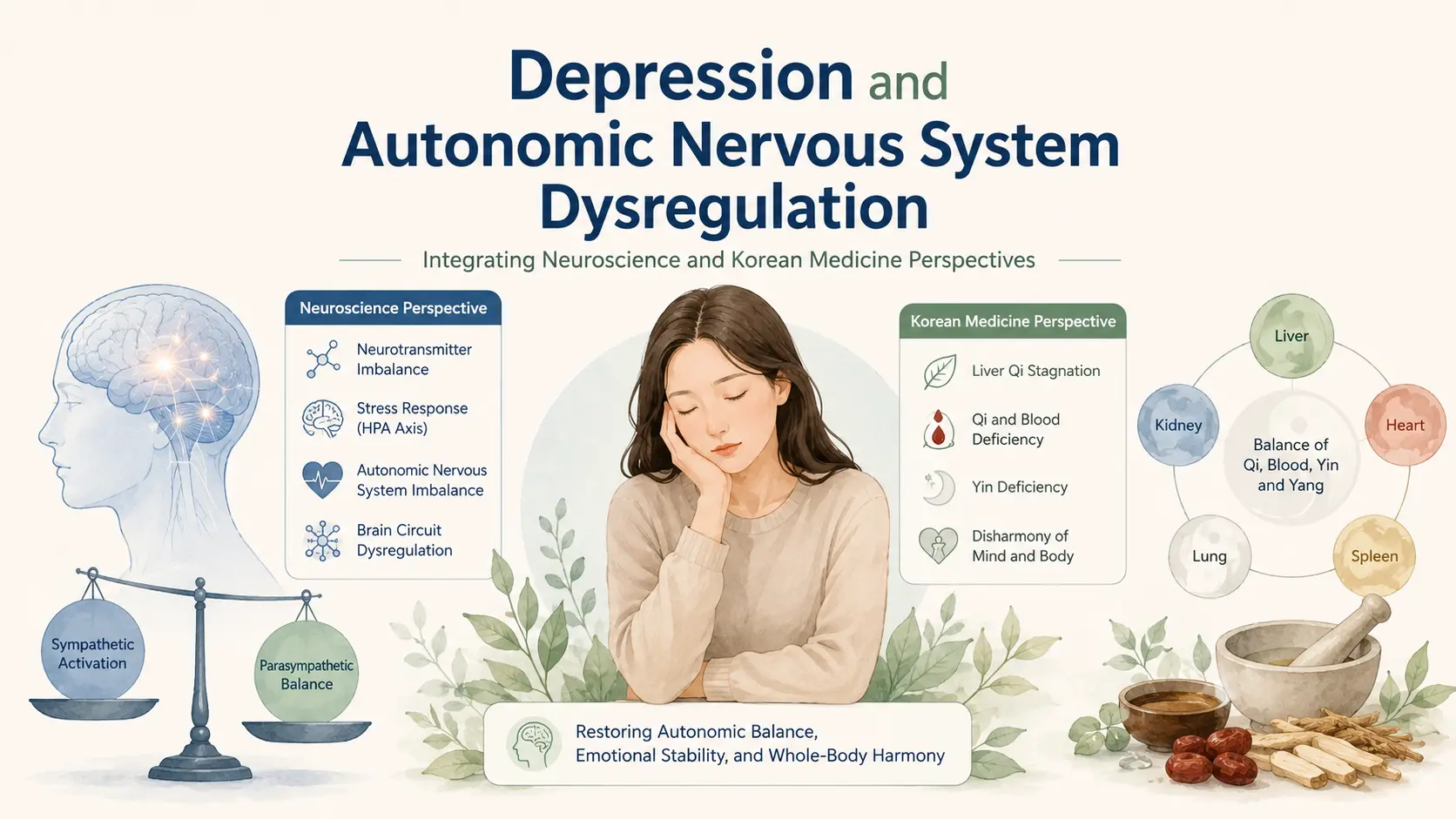
Depression is a mood disorder characterized by persistent low mood and loss of interest. In Korean medicine neuropsychiatry, it is understood in relation to emotional imbalance and physiological regulation.
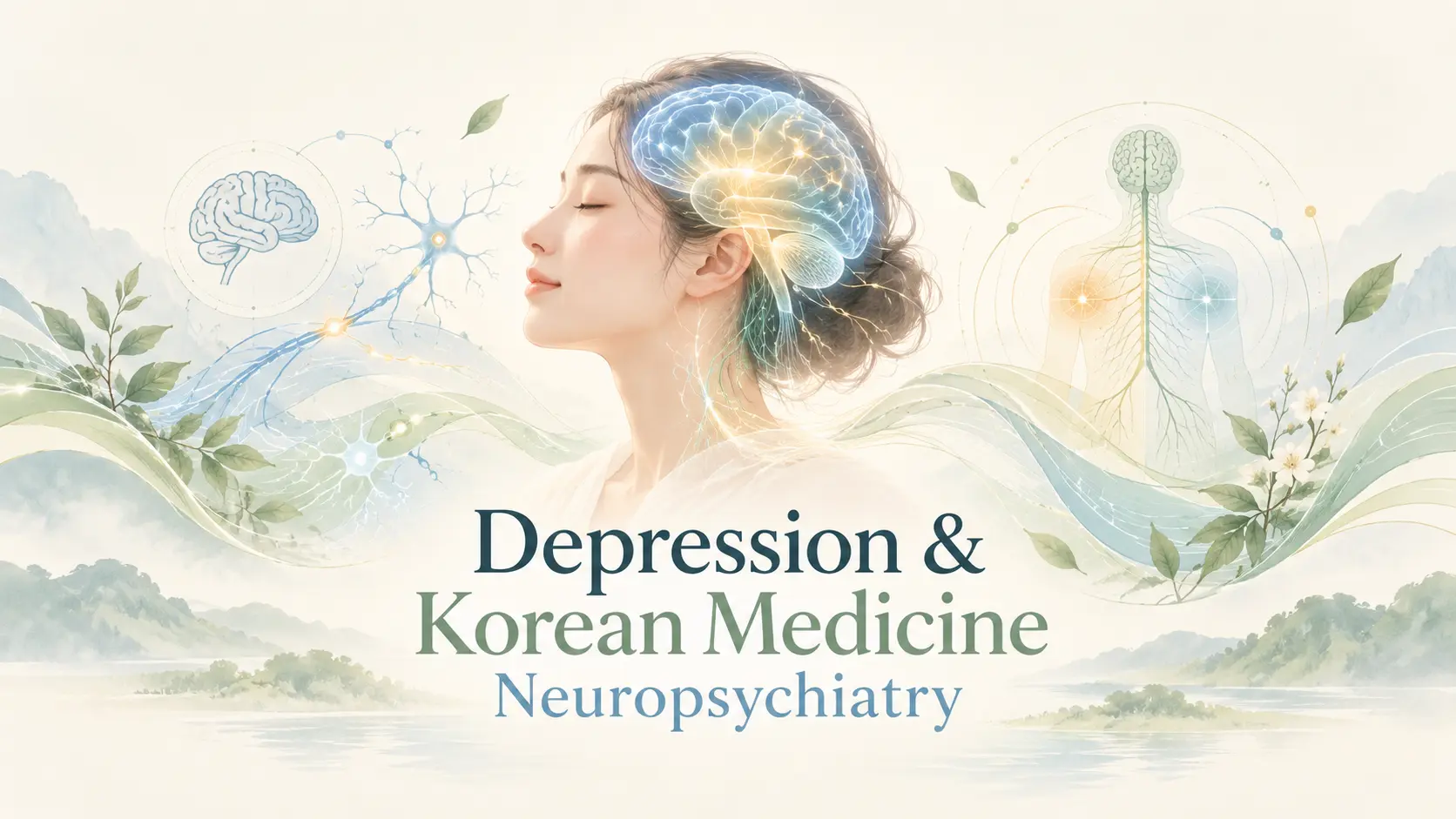
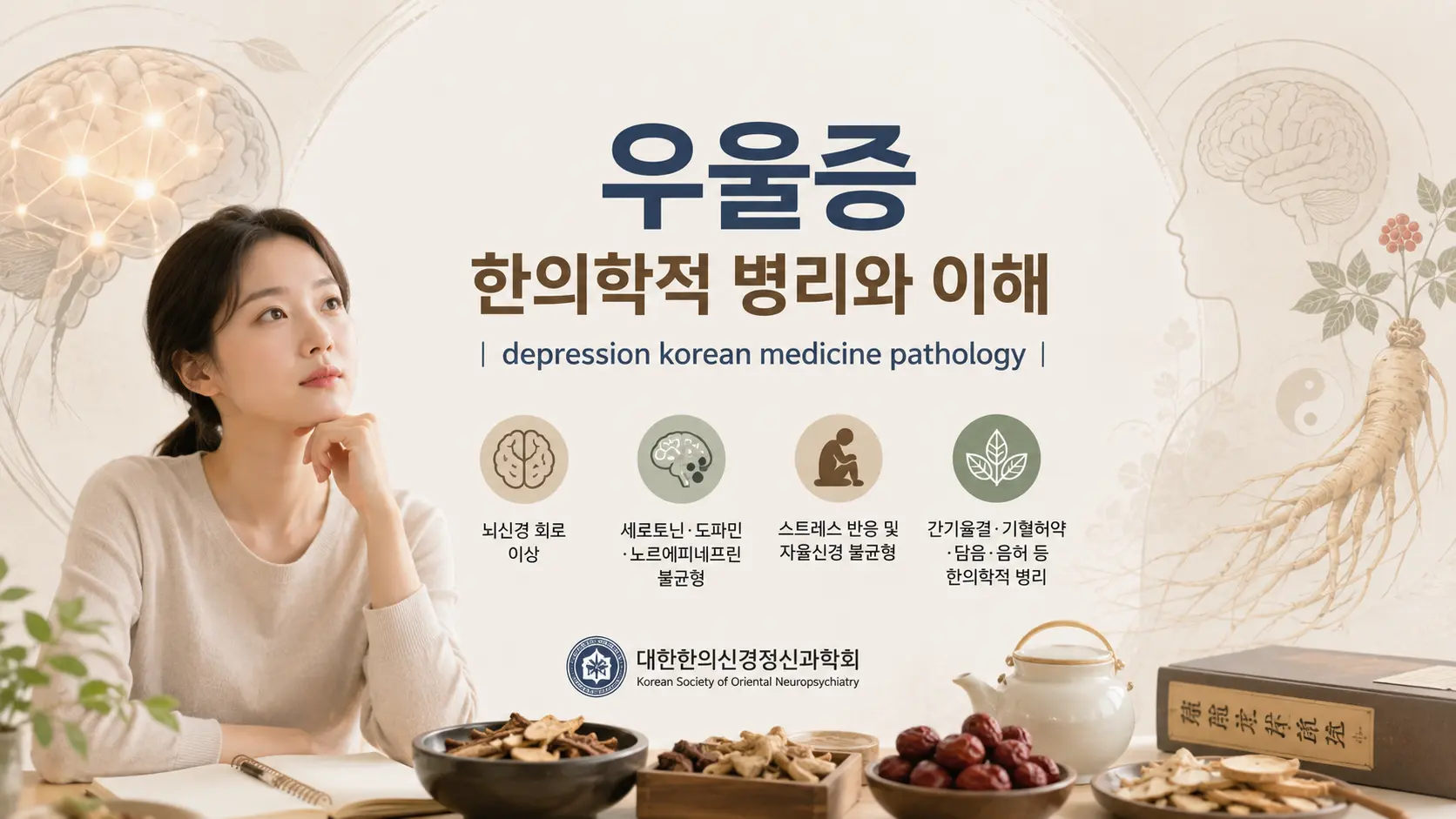
  • Depression HPA Axis: 7 Key Mechanisms of Stress Response

    Depression HPA Axis: 7 Key Mechanisms of Stress Response

    Depression HPA axis dysfunction is a key mechanism used to explain how chronic stress may contribute to depressive symptoms, cortisol dysregulation, autonomic imbalance, and changes in mood-related brain circuits. Depression is a condition characterized by persistent low mood, loss of interest, reduced motivation, cognitive difficulty, and changes in sleep, appetite, and physical energy.

    Modern medicine explains depression as a disorder associated with neurotransmitter dysregulation, altered stress-response systems, and dysfunction of the hypothalamic-pituitary-adrenal axis. In Korean medicine, depression is understood as an emotional and systemic imbalance associated with liver qi stagnation, qi and blood deficiency, and impaired regulation of restorative functions.

    The Korean Society of Oriental Neuropsychiatry studies how emotional stress, neuroendocrine imbalance, and autonomic dysfunction may be integrated with Korean medicine pathophysiology within the field of Korean Medicine Neuropsychiatry.

    Depression HPA Axis Overview

    The depression HPA axis refers to dysregulation of the body’s central stress-response system. The hypothalamus, pituitary gland, and adrenal glands work together to regulate cortisol secretion and physiological adaptation to stress. Chronic activation of this pathway is associated with emotional instability, sleep disturbance, fatigue, and impaired stress resilience.

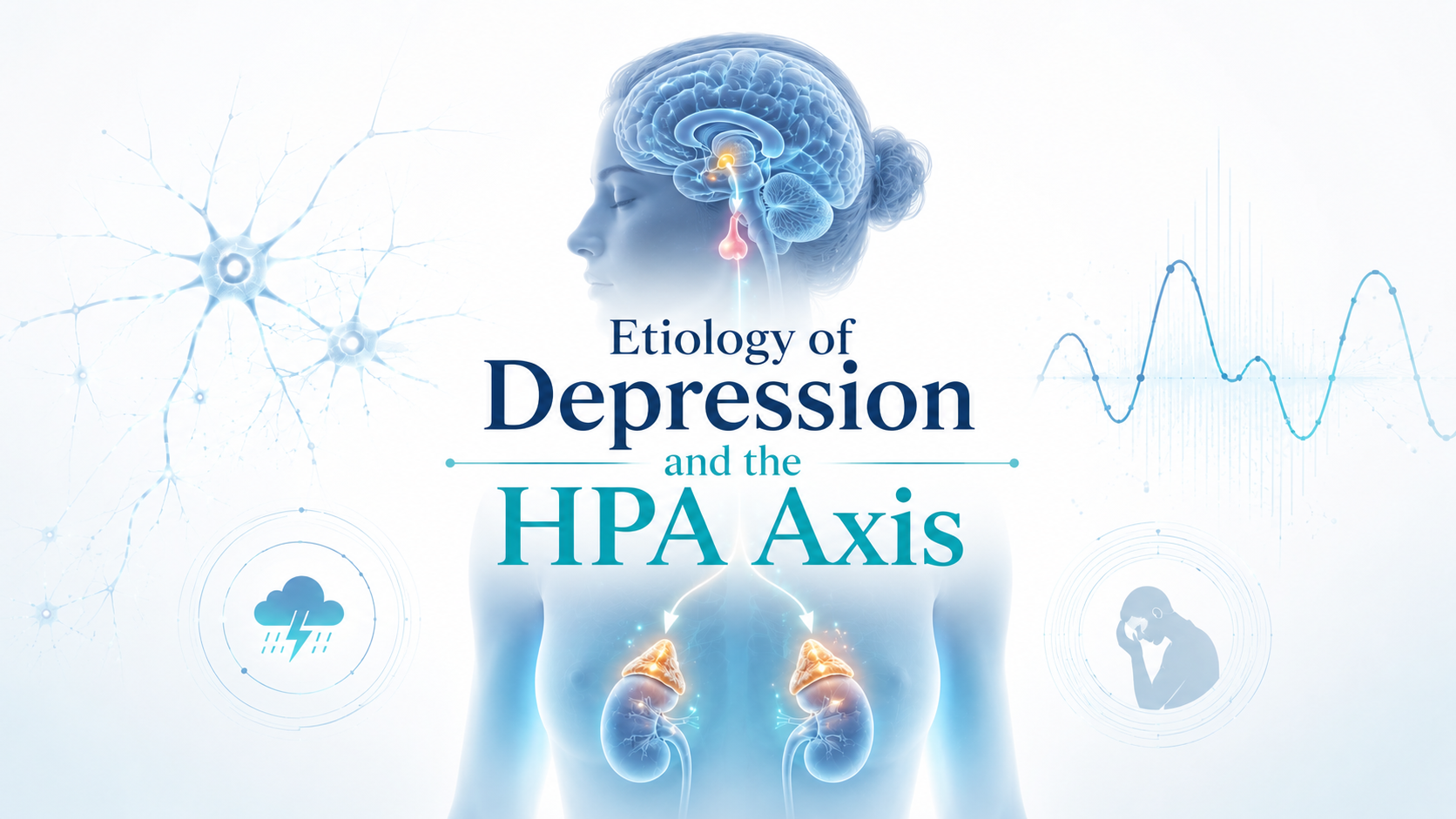
    Depression HPA axis overview showing cortisol regulation and stress response pathways
    Overview of depression HPA axis dysfunction and neuroendocrine stress-response mechanisms.

    Depression is described as a multifactorial psychiatric disorder involving emotional, cognitive, neurobiological, and physiological changes. The depression HPA axis is considered to be one of the major pathways linking chronic stress with depressive symptom development.

    Depression HPA Axis and Clinical Features

    Depression is associated with sadness, emotional numbness, reduced motivation, hopelessness, irritability, and cognitive slowing. Behavioral changes may include social withdrawal, reduced productivity, psychomotor slowing, and impaired daily functioning.

    The depression HPA axis is associated with physical symptoms such as insomnia, fatigue, appetite changes, muscle tension, gastrointestinal discomfort, and autonomic imbalance. Emotional stress may increase physiological hyperarousal and reduce recovery capacity.

    In Korean medicine, these symptoms are understood as disturbances in qi circulation and depletion of emotional and physical restorative functions.

    Depression HPA Axis Etiology: Stress Response, Cortisol, and Brain Circuits

    The etiology of depression is understood as a complex interaction between stress exposure, neurobiological vulnerability, environmental burden, and systemic physiological dysregulation. The depression HPA axis explains how chronic stress may alter cortisol secretion and emotional regulation.

    Depression HPA axis cortisol dysregulation and chronic stress illustration
    Chronic stress exposure may contribute to cortisol dysregulation and prolonged HPA axis activation.

    Serotonin is associated with emotional stability and mood regulation. Dopamine is associated with motivation and reward processing. Norepinephrine is associated with alertness and stress responsiveness. Chronic activation of the depression HPA axis may influence serotonin, dopamine, and norepinephrine activity.

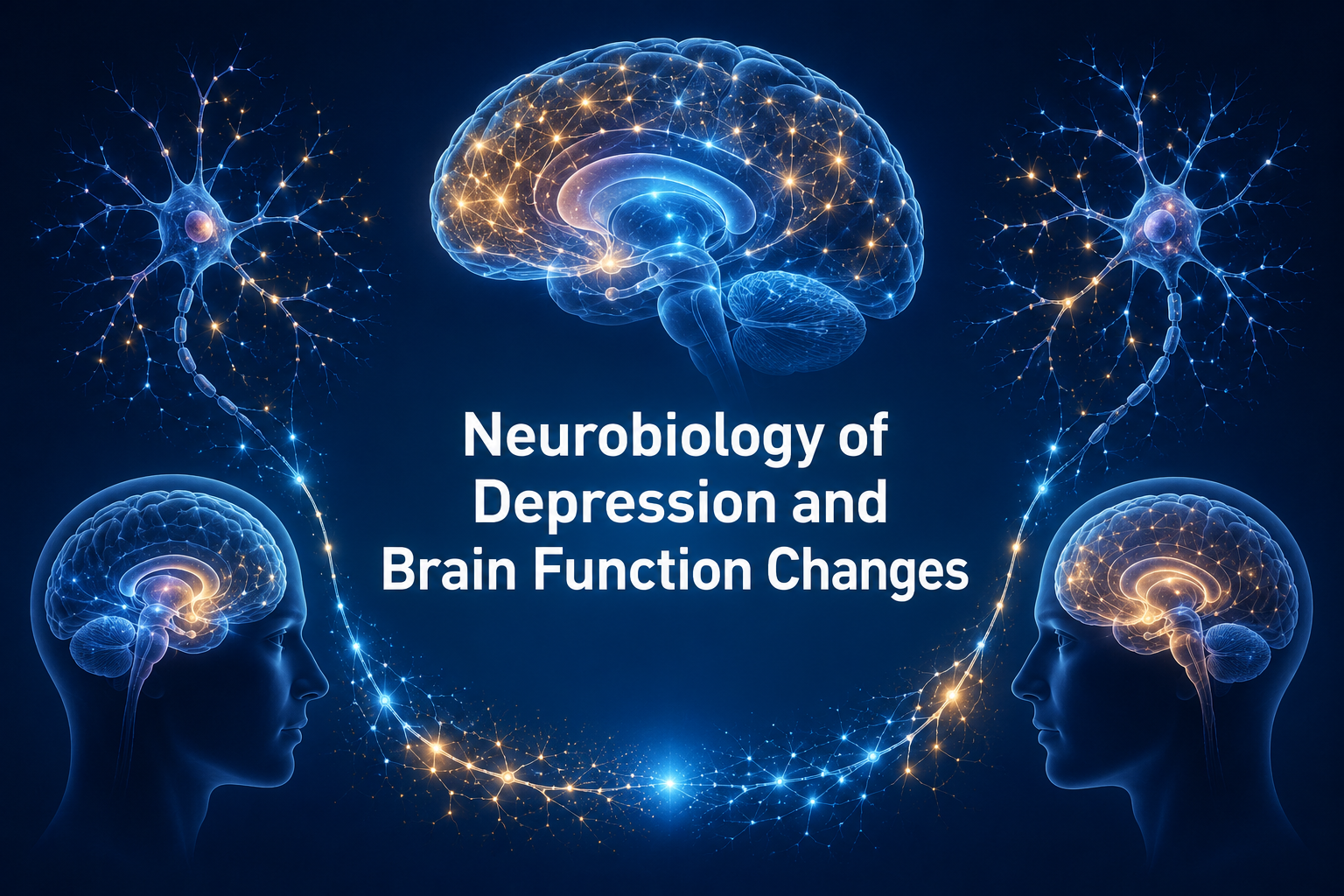
    Depression HPA axis brain circuits involving amygdala hippocampus and prefrontal cortex
    Brain regions associated with depression include the amygdala, hippocampus, and prefrontal cortex.

    The amygdala is associated with emotional salience and fear processing. The hippocampus is associated with stress adaptation and memory regulation. The prefrontal cortex is associated with executive function and emotional control. Structural and functional changes in these circuits may be explained by chronic stress and HPA axis hyperactivation.

    Depression HPA Axis and Physiological System Changes

    The depression HPA axis is associated with autonomic nervous system imbalance involving increased sympathetic activation and reduced parasympathetic recovery. This imbalance may contribute to fatigue, elevated heart rate, digestive discomfort, and impaired stress resilience.

    Depression HPA axis autonomic nervous system imbalance illustration
    Autonomic nervous system imbalance may connect emotional stress with physical symptoms in depression.

    Cortisol dysregulation may also disrupt sleep-wake regulation and melatonin rhythms. Individuals with depression frequently experience insomnia, early awakening, non-restorative sleep, or excessive daytime fatigue.

    Depression HPA axis sleep disturbance and melatonin regulation illustration
    Sleep disturbance in depression may involve melatonin rhythm changes and chronic stress activation.

    The depression HPA axis is also associated with inflammatory activation and reduced neuroplasticity. Persistent physiological stress may impair recovery capacity and emotional resilience over time.

    Depression HPA Axis in Korean Medicine Pathophysiology

    In Korean medicine, depression is understood as a disorder involving emotional stagnation, depletion of qi and blood, yin deficiency, and impaired systemic balance. These mechanisms may be functionally associated with stress-response dysregulation and autonomic imbalance.

    Depression HPA axis Korean medicine interpretation and emotional imbalance illustration
    Korean medicine interpretation of depression involving liver qi stagnation and qi-blood deficiency.

    Liver Qi Stagnation

    Liver qi stagnation is associated with emotional suppression, irritability, chest tightness, frustration, and mood instability. This pattern may be linked to chronic stress and autonomic nervous system dysregulation.

    Qi and Blood Deficiency

    Qi and blood deficiency is associated with fatigue, low emotional resilience, poor concentration, dizziness, and reduced motivation. This pattern is considered to be associated with physiological depletion resulting from prolonged stress activation.

    Yin Deficiency and Phlegm Accumulation

    Yin deficiency is associated with insomnia, agitation, and reduced restorative function. Phlegm accumulation is associated with cognitive clouding, heaviness, and emotional dullness. These Korean medicine concepts provide a systemic interpretation of symptoms associated with the depression HPA axis.

    Depression HPA Axis Treatment Perspective

    From the perspective of Korean Medicine Neuropsychiatry, treatment is understood as a process of restoring autonomic balance, emotional regulation, stress adaptation, and physiological recovery capacity.

    Depression HPA axis integrated treatment and nervous system regulation illustration
    Integrated treatment perspective focusing on emotional regulation and HPA axis stabilization.

    Modern treatment approaches include antidepressant medication, psychotherapy, stress management, behavioral intervention, and sleep regulation. Korean medicine approaches focus on restoring qi circulation, supporting blood nourishment, regulating emotional imbalance, and improving restorative function.

    Related topic: Depression overview

    General educational information about depressive disorders is available from the National Institute of Mental Health.

    Depression HPA Axis Summary

    Depression is described as a psychiatric disorder involving emotional dysregulation, autonomic imbalance, neuroendocrine dysfunction, and altered brain circuit activity. The depression HPA axis explains how chronic stress may influence cortisol regulation, serotonin, dopamine, norepinephrine activity, and emotional processing.

    In Korean medicine, depression is understood through liver qi stagnation, qi and blood deficiency, yin deficiency, and phlegm accumulation. Korean Medicine Neuropsychiatry integrates neuroscience findings with Korean medicine theories to explain how emotional stress affects both brain function and systemic physiological balance.

    The Korean Society of Oriental Neuropsychiatry investigates how stress-response systems, autonomic regulation, and Korean medicine pathophysiology may be integrated in the understanding of depressive disorders.

  • Depression Symptoms: 7 Clinical Features and Key Signs Explained

    Depression Symptoms: 7 Clinical Features and Key Signs Explained

    Depression Symptoms

    Depression Symptoms: 7 Clinical Features and Key Signs Explained

    Depression symptoms are described as emotional, cognitive, behavioral, and physical changes that affect daily functioning and mental health.

    Overview of Depression Symptoms

    Depression is a condition characterized by persistent low mood, reduced interest or pleasure, and functional impairment. Depression symptoms are described as emotional, cognitive, behavioral, and physical changes that affect daily life and mental health.

    Modern medicine explains this condition as dysfunction in neural circuits involved in mood, reward, cognition, and stress response. In Korean medicine, the condition is understood as an imbalance of qi, blood, and organ system function, particularly involving liver qi stagnation and qi-blood deficiency.

    Korean Medicine Neuropsychiatry integrates these perspectives by examining how brain-based mechanisms and traditional mind-body concepts may explain the same clinical experience. The Korean Society of Oriental Neuropsychiatry studies and investigates these relationships as part of an academic framework for understanding psychiatric disorders.

    Clinical Features of Depression Symptoms

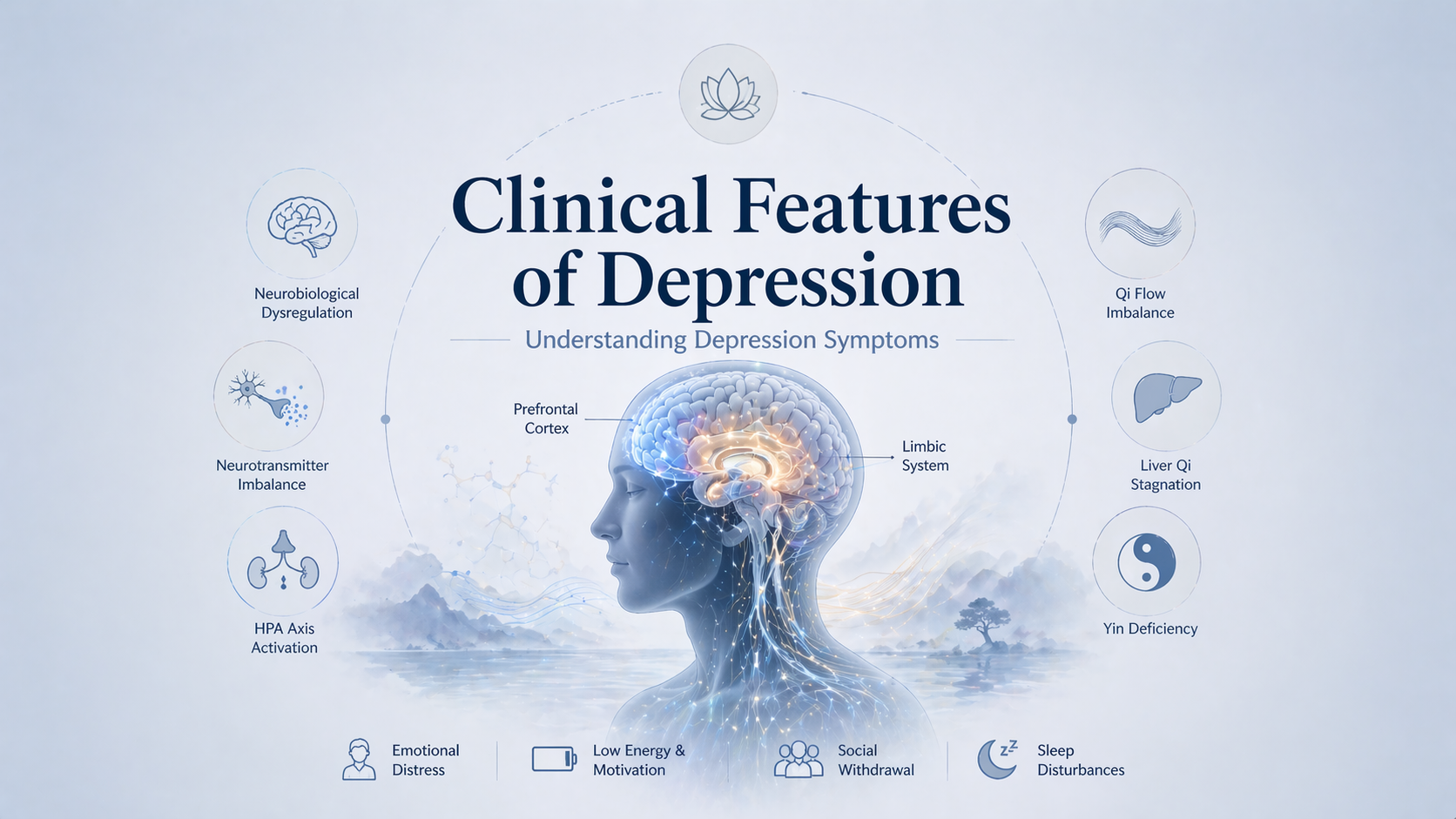
    Core features include persistent sadness, reduced motivation, cognitive impairment, sleep disturbance, and physical fatigue. These symptoms are associated with altered brain regulation and prolonged stress response.

    Emotional features include sadness, emptiness, irritability, and reduced emotional responsiveness. Cognitive features involve negative thinking patterns, reduced concentration, indecisiveness, excessive guilt, and feelings of worthlessness.

    Behavioral changes such as social withdrawal, decreased activity, reduced productivity, and diminished interest in previously meaningful activities are commonly observed. Physical manifestations may include fatigue, appetite changes, sleep disturbance, body heaviness, and psychomotor slowing or agitation.

    These clinical features are considered to be interconnected and may be explained by dysfunction in neural circuits involving the prefrontal cortex, amygdala, hippocampus, and limbic system.

    Brain circuit dysfunction related to depression symptoms
    Neuroscience

    Brain Circuit Dysfunction

    Prefrontal cortex and limbic system changes affect mood regulation and stress response.

    Emotional and behavioral depression symptoms
    Clinical Features

    Emotional Symptoms

    Persistent sadness, withdrawal, fatigue, and reduced motivation are commonly observed.

    Neurotransmitter imbalance in depression symptoms
    Neurotransmitters

    Neurotransmitter Imbalance

    Serotonin, dopamine, and norepinephrine are linked to mood, reward, and stress adaptation.

    HPA axis stress response in depression symptoms
    Stress Response

    HPA Axis and Cortisol

    Chronic stress may activate cortisol pathways and disrupt emotional regulation.

    Autonomic nervous system changes in depression symptoms
    Body Response

    Autonomic Changes

    Sympathetic dominance and reduced parasympathetic tone reflect a prolonged stress state.

    Integrated perspective of depression symptoms combining neuroscience and Korean medicine
    Integration

    Integrated Perspective

    Neuroscience and Korean medicine provide complementary explanations of mood and body regulation.

    Etiology

    This condition is associated with complex interactions between biological vulnerability, psychological stress, and environmental influences. Brain regions such as the prefrontal cortex, amygdala, and hippocampus are involved in emotional regulation, memory, threat processing, and stress adaptation.

    Neurobiological mechanisms include dysregulation of serotonin, dopamine, and norepinephrine systems, which are essential for mood regulation and stress response. Serotonin is associated with emotional stability, dopamine with motivation and reward processing, and norepinephrine with arousal and adaptive response to stress.

    Chronic stress may activate the hypothalamic-pituitary-adrenal axis, leading to sustained cortisol release and neural changes in the hippocampus and amygdala. Environmental factors such as early life stress, trauma, interpersonal conflict, sleep disruption, and social adversity are also considered to be significant contributors.

    In Korean medicine, prolonged emotional stress is understood as a factor that may disturb qi circulation and weaken the functional balance between organ systems. This interpretation connects stress physiology with concepts such as liver qi stagnation, qi deficiency, and blood deficiency.

    Physiological Changes

    Physiological changes are described as alterations in autonomic nervous system function and endocrine regulation. Increased sympathetic activity and reduced parasympathetic tone are associated with chronic stress states.

    These changes may lead to disturbances in sleep-wake cycles, energy regulation, appetite, digestion, and emotional stability. The dysregulation of cortisol secretion is considered to be a key factor influencing both brain function and systemic body responses.

    Autonomic imbalance may be explained by prolonged stress exposure and reduced adaptive capacity of the body. In Korean Medicine Neuropsychiatry, these physiological changes are understood alongside qi stagnation, yin deficiency, and qi-blood deficiency as different explanatory dimensions of the same clinical state.

    Korean Medicine Pathophysiology

    In Korean medicine, these patterns are understood as interconnected mechanisms rather than isolated conditions. Liver qi stagnation is associated with emotional constraint and impaired regulation of internal energy flow, which may lead to irritability, chest tightness, and mood suppression.

    Qi and blood deficiency is linked to reduced nourishment of the brain and body, leading to fatigue, low motivation, poor concentration, and emotional vulnerability. Yin deficiency is considered to be related to reduced restorative capacity and internal imbalance, which may contribute to insomnia, restlessness, and emotional instability.

    Phlegm accumulation is understood as impaired clarity and disrupted internal regulation. It may be linked to mental clouding, heaviness, and difficulty maintaining emotional stability. These concepts may be explained in modern terms as disruptions in stress regulation, neurotransmitter balance, autonomic function, and systemic resilience.

    Treatment Perspective

    From the perspective of Korean Medicine Neuropsychiatry, treatment is understood as a process of restoring nervous system regulation, autonomic balance, and mind-body harmony.

    This perspective does not view emotional symptoms only as isolated complaints. Instead, they are considered to be expressions of changes in brain function, stress physiology, qi movement, blood nourishment, and systemic regulation.

    Recovery is described as gradual stabilization of mood, improvement of sleep and energy, restoration of daily function, and strengthening of stress adaptation. An integrated approach may support a broader understanding of how psychological distress and bodily regulation interact.

    Summary

    Depression symptoms are described as a multifactorial condition involving neurobiological, physiological, and psychological mechanisms. These features are associated with dysfunction in neurotransmitter systems, altered brain circuit activity, and chronic stress response.

    From the perspective of Korean medicine, the condition is understood as patterns of imbalance in qi, blood, and organ systems. Liver qi stagnation, qi-blood deficiency, yin deficiency, and phlegm accumulation may explain emotional suppression, fatigue, insomnia, and mental clouding.

    Korean Medicine Neuropsychiatry investigates these mechanisms by combining traditional theory with modern neuroscience, and the Korean Society of Oriental Neuropsychiatry continues to study and integrate these approaches in academic research.