Depression Korean Medicine Neuropsychiatry Treatment Overview
Depression Korean Medicine Neuropsychiatry Treatment is an integrated academic approach to understanding depression through contemporary neuroscience and Korean medicine. Depression is a condition characterized by persistent depressed mood, diminished interest or pleasure, cognitive and behavioral changes, and disturbances in biological functions such as sleep, appetite, energy, and psychomotor activity.
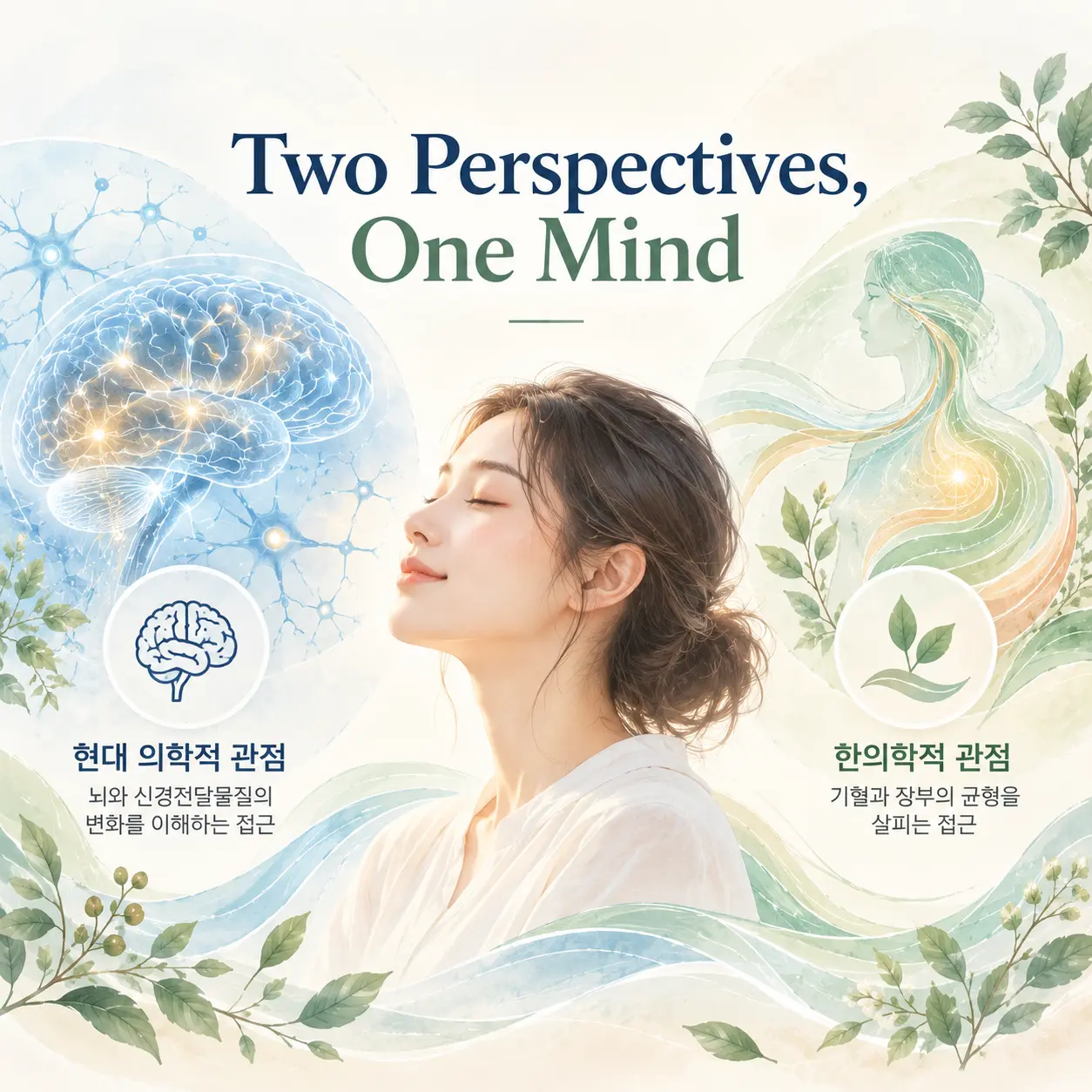
Modern medicine explains the disorder as a multifactorial psychiatric condition involving altered neural circuits, neurotransmitter signaling, stress-response systems, genetic susceptibility, neuroplasticity, and environmental influences. In Korean medicine, the condition is understood as a multifactorial neuropsychiatric state involving patterns such as liver qi stagnation, qi and blood deficiency, phlegm accumulation, and yin deficiency.
These explanatory frameworks use different theoretical languages and should not be interpreted as direct equivalents. They can, however, be examined in parallel when describing emotional regulation, stress responses, sleep disturbance, fatigue, cognitive function, autonomic activity, and behavioral adaptation.
Korean Medicine Neuropsychiatry studies relationships among emotional symptoms, cognitive function, sleep, autonomic responses, somatic manifestations, and Korean medicine pattern identification. Within this framework, depression korean medicine neuropsychiatry treatment is understood as requiring assessment of both the psychiatric syndrome and the individual’s broader physiological presentation.
The Korean Society of Oriental Neuropsychiatry studies and investigates psychiatric disorders through Korean Medicine Neuropsychiatry and integrates traditional medical concepts with contemporary academic investigation of brain function, stress physiology, and clinical symptom patterns.
Clinical Features of Depression
The core clinical features of depression include persistent sadness or emptiness, reduced capacity to experience pleasure, loss of motivation, fatigue, impaired concentration, feelings of worthlessness or excessive guilt, and recurrent negative thinking. Changes in appetite, body weight, sleep, psychomotor activity, and sexual interest may also occur.
Depression is considered to be clinically significant when the combination, persistence, and severity of symptoms produces substantial distress or impairment in everyday functioning. Behavioral patterns may include social withdrawal, reduced initiation of tasks, diminished physical activity, avoidance of previously meaningful experiences, and difficulty maintaining ordinary routines.
Cognitive symptoms may include impaired attention, indecisiveness, negative interpretation of events, and repetitive self-focused thinking. These changes can reinforce one another because reduced activity may decrease access to rewarding experiences while persistent negative cognition can further suppress motivation.
Functional impairment may affect work, education, interpersonal relationships, self-care, and sleep-wake routines. The clinical expression varies considerably among individuals. Some people experience predominantly emotional and cognitive symptoms, whereas others report substantial insomnia, hypersomnia, gastrointestinal discomfort, headaches, generalized tension, or profound physical fatigue.
From a neurobiological perspective, these manifestations are associated with altered regulation of emotional, cognitive, reward, and stress-response networks. Korean medicine may understand corresponding symptom clusters through patterns such as liver qi stagnation, qi and blood deficiency, phlegm accumulation, or yin deficiency.
For this reason, depression korean medicine neuropsychiatry treatment examines heterogeneous clinical presentations rather than assuming that every depressive state represents an identical physiological pattern.
Etiology and Neurobiological Mechanisms
Stress Response and Environmental Influences
Depression is understood as arising through interactions among biological vulnerability, psychological processes, developmental experiences, and environmental conditions. Chronic interpersonal stress, social isolation, loss, occupational strain, sleep disruption, adverse experiences, and persistent uncertainty may influence vulnerability to depressive episodes.
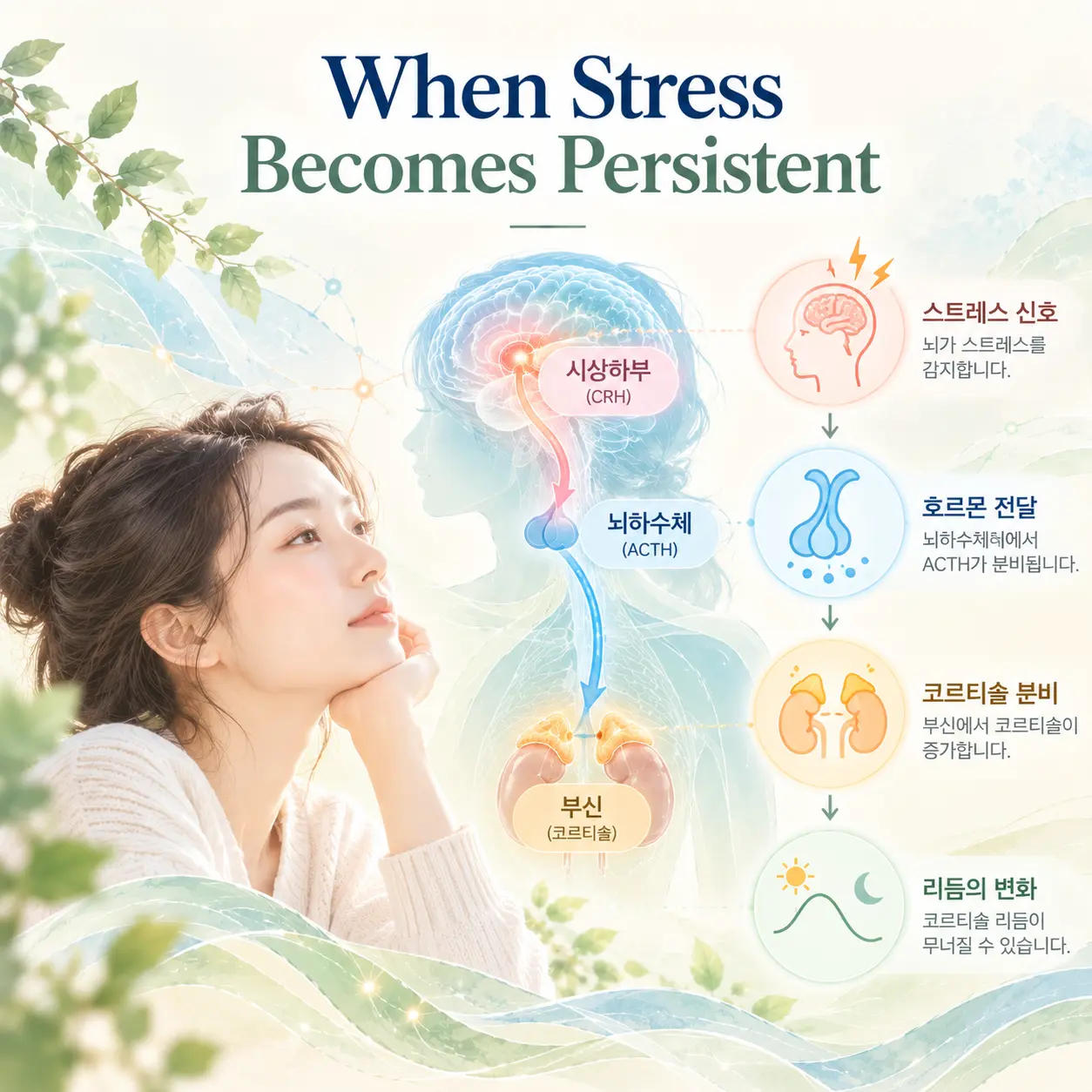
These influences do not operate independently of biology. Repeated stress can modify endocrine responses, autonomic regulation, sleep, cognition, and neural plasticity. The hypothalamic-pituitary-adrenal axis, commonly described as the HPA axis, is an important component of the biological stress response.
Prolonged or dysregulated stress signaling may influence cortisol patterns and neural systems involved in memory, emotional processing, and executive regulation. Depression is associated with HPA-axis abnormalities in some individuals, although these changes are heterogeneous and are not present in an identical form in every person.
In Korean medicine, prolonged emotional stress may be explained through impaired regulation and movement of qi, particularly liver qi stagnation. Persistent stagnation may be associated with emotional constraint, irritability, physical tension, disturbed sleep, and changes in digestion.
Modern stress physiology and Korean medicine therefore provide different explanatory frameworks for the relationship between persistent stress and combined emotional and somatic symptoms. This parallel assessment is an important dimension of depression korean medicine neuropsychiatry treatment.
Brain Circuits and Neurotransmitters
Neurobiological models of depression involve distributed brain networks rather than one isolated brain region. The prefrontal cortex contributes to executive regulation and cognitive control. The amygdala participates in emotional salience and threat processing, while the hippocampus contributes to memory and contextual processing. Reward-related regions involving the ventral striatum participate in motivation, reinforcement, and pleasure.
Serotonin, dopamine, and norepinephrine are important neurotransmitters associated with depression. Serotonin is associated with mood regulation, emotional processing, sleep, and aspects of stress adaptation. Dopamine is associated with reward processing, motivation, reinforcement, and goal-directed behavior. Norepinephrine is associated with arousal, attention, energy regulation, and the physiological stress response.
Depression cannot be reduced to a simple deficiency of one neurotransmitter. Altered serotonin, dopamine, and norepinephrine signaling interacts with neural circuits, neuroplasticity, stress hormones, sleep, behavior, and environmental influences.
Reduced reward responsiveness and motivational impairment may be explained by changes in dopaminergic signaling and reward networks, while disturbances involving serotonin and norepinephrine may contribute to altered mood regulation, arousal, attention, and stress responsiveness.
Korean medicine may describe reduced motivation and persistent fatigue through qi deficiency or qi and blood deficiency, while emotional constraint and stress-related tension may be understood through liver qi stagnation. These concepts are not direct biological equivalents, but their parallel examination can describe different dimensions relevant to depression korean medicine neuropsychiatry treatment.

Physiological System Changes
Autonomic Nervous System Regulation
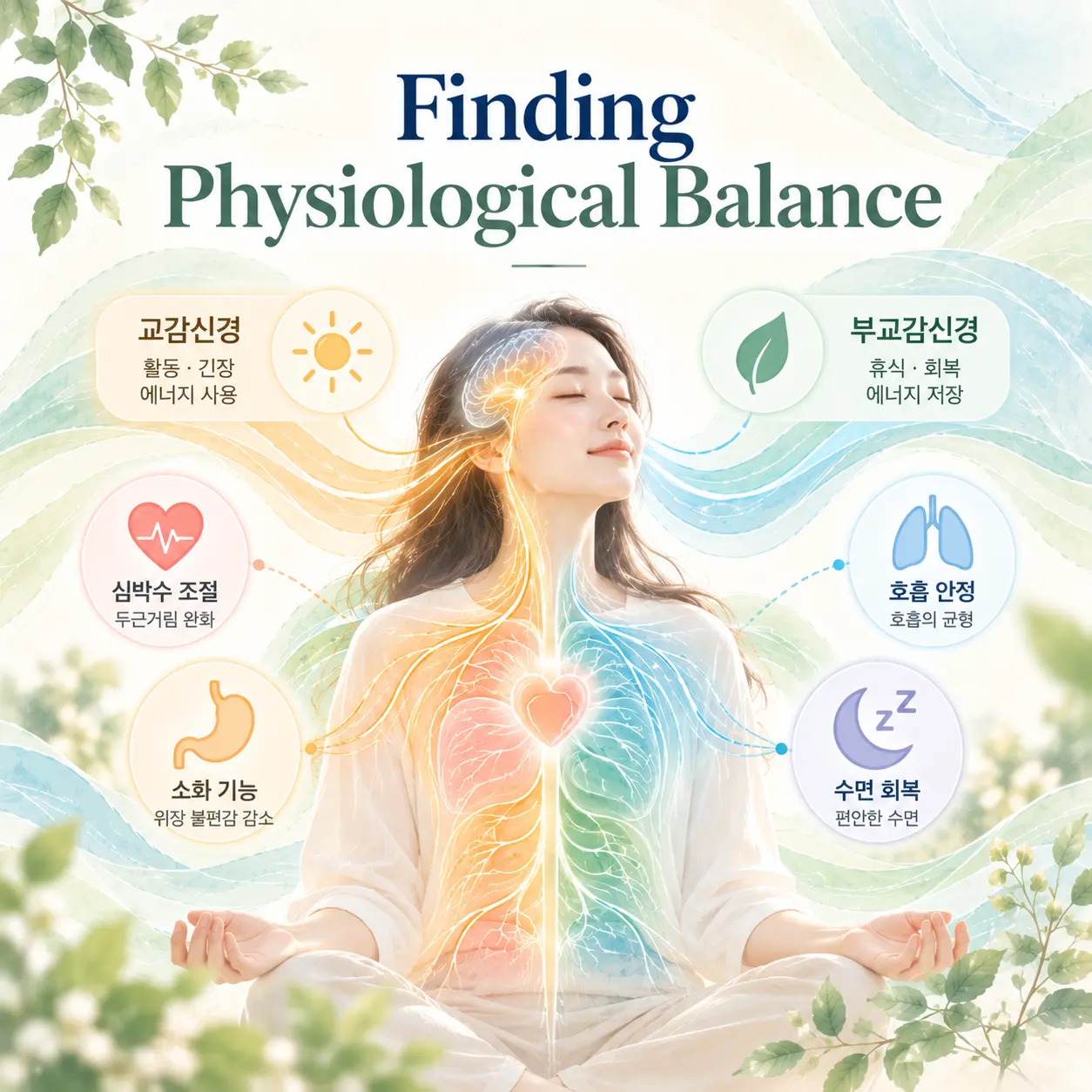
The autonomic nervous system regulates cardiovascular activity, respiration, digestion, thermoregulation, and multiple components of the stress response. Depression is associated with altered autonomic regulation in some individuals, including changes in sympathetic and parasympathetic activity.
Persistent physiological arousal or reduced adaptive parasympathetic regulation may be associated with tension, disturbed sleep, palpitations, gastrointestinal symptoms, and reduced physiological flexibility. Brain regions involved in emotional processing communicate with hypothalamic and brainstem structures that influence these autonomic responses.
Korean medicine descriptions of qi stagnation provide a separate framework for interpreting combinations of emotional and somatic symptoms. Liver qi stagnation, for example, may be associated with emotional constraint together with physical tension, chest discomfort, digestive changes, or sleep disturbance.
Accordingly, depression korean medicine neuropsychiatry treatment may examine autonomic and stress-related manifestations alongside functional patterns described by Korean medicine without treating the two conceptual systems as identical.
Stress Hormones, Sleep, and Recovery
The HPA axis coordinates endocrine adaptation to stress through interactions among the hypothalamus, pituitary gland, and adrenal cortex. Cortisol supports adaptive responses to short-term challenges, but persistent dysregulation of stress systems may influence sleep, metabolism, cognition, immune activity, and emotional processing.
Sleep and circadian disturbances can further interact with these systems. Irregular or insufficient sleep can affect emotional regulation, autonomic activity, endocrine rhythms, attention, and energy. Depression can disrupt sleep, while persistent sleep disturbance can further increase vulnerability to mood symptoms.
Korean medicine may understand chronic depletion accompanying prolonged stress or insufficient recovery through qi and blood deficiency or yin deficiency. Fatigue, reduced concentration, palpitations, poor sleep, and reduced resilience may therefore be interpreted through another functional framework.
This combined assessment of emotional and physiological manifestations represents another component of depression korean medicine neuropsychiatry treatment.
Korean Medicine Pathophysiology
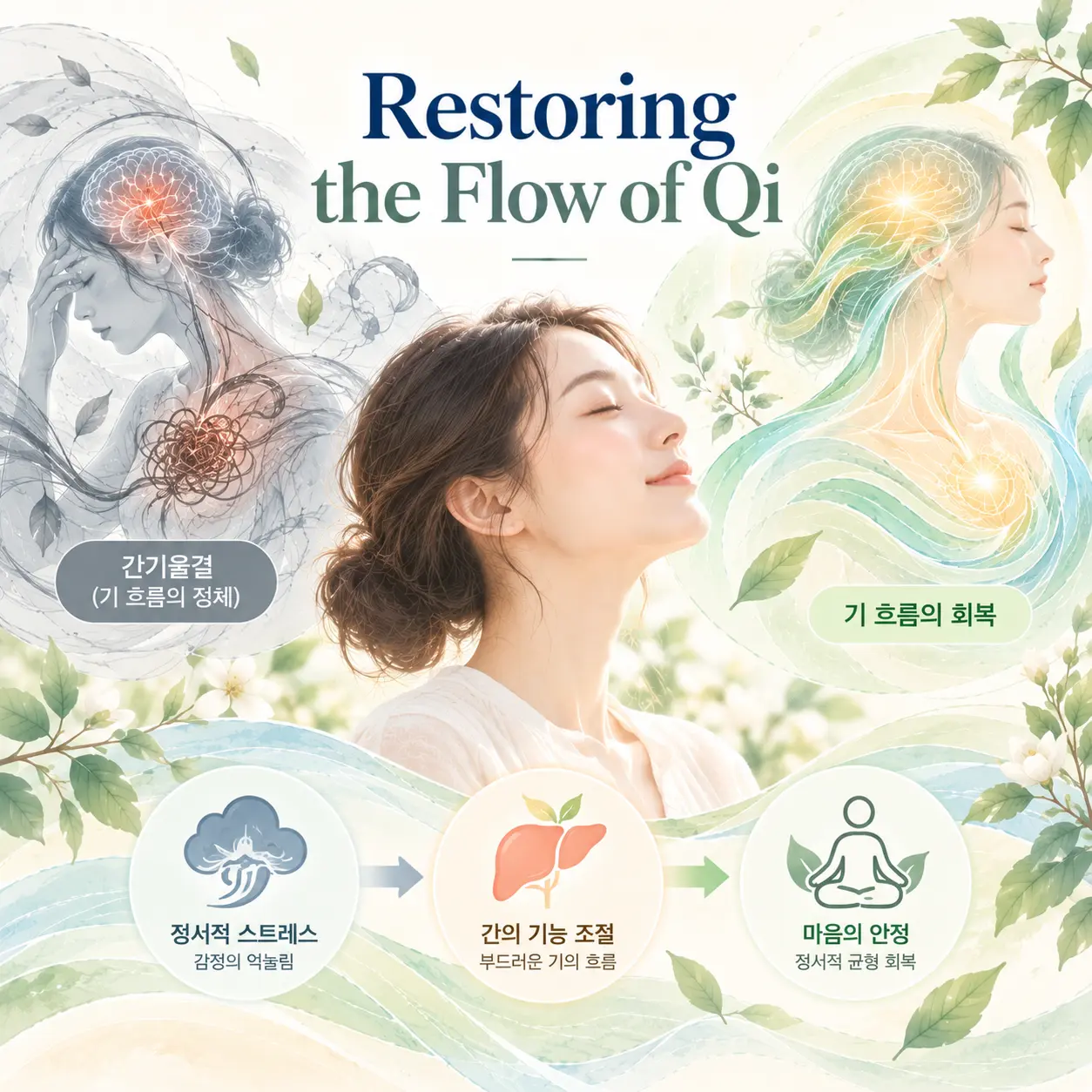
Liver Qi Stagnation
Liver qi stagnation is understood as impaired functional movement and regulation of qi and may be associated with prolonged emotional constraint or stress. Clinical manifestations can include irritability, fluctuating mood, physical tension, chest or abdominal discomfort, digestive changes, and disturbed sleep.
Modern neuroscience may describe prolonged stress through emotional circuits, autonomic responses, and HPA-axis regulation, whereas Korean medicine may explain the corresponding functional pattern through impaired movement of liver qi. Depression korean medicine neuropsychiatry treatment can examine both dimensions while maintaining the conceptual distinction between them.
Qi and Blood Deficiency
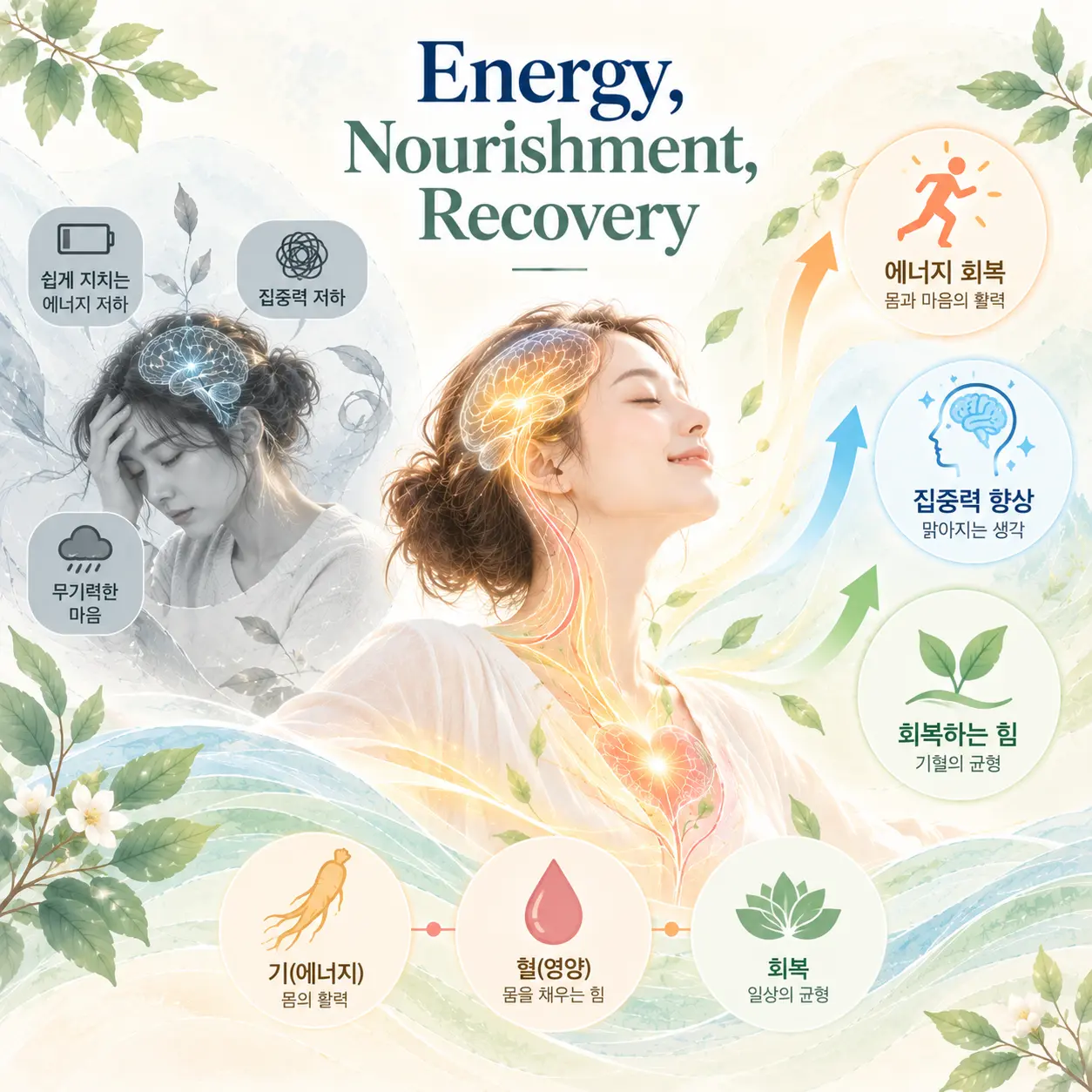
Qi and blood deficiency is understood as a pattern in which functional energy and physiological nourishment are insufficient to maintain normal activity and recovery. It may be associated with fatigue, reduced motivation, poor concentration, dizziness, palpitations, reduced physical endurance, and sleep disturbance.
In contemporary neurobiology, fatigue and motivational impairment are associated with interacting changes in reward processing, stress physiology, sleep, and neurotransmitter systems involving dopamine and norepinephrine. Korean medicine may characterize a comparable clinical configuration through qi deficiency or qi and blood deficiency.
Phlegm Accumulation
Phlegm accumulation in Korean medicine is a pathological concept extending beyond the ordinary respiratory meaning of phlegm. It may be used to explain heaviness, cognitive clouding, chest oppression, digestive dysfunction, dizziness, or a subjective sense of emotional and cognitive obstruction.
Stress-related autonomic dysregulation can influence gastrointestinal function, sleep, bodily perception, and cognition. Korean medicine may organize a corresponding symptom constellation through phlegm-related patterns, particularly when heaviness and cognitive clouding occur together with digestive or emotional symptoms.
Yin Deficiency
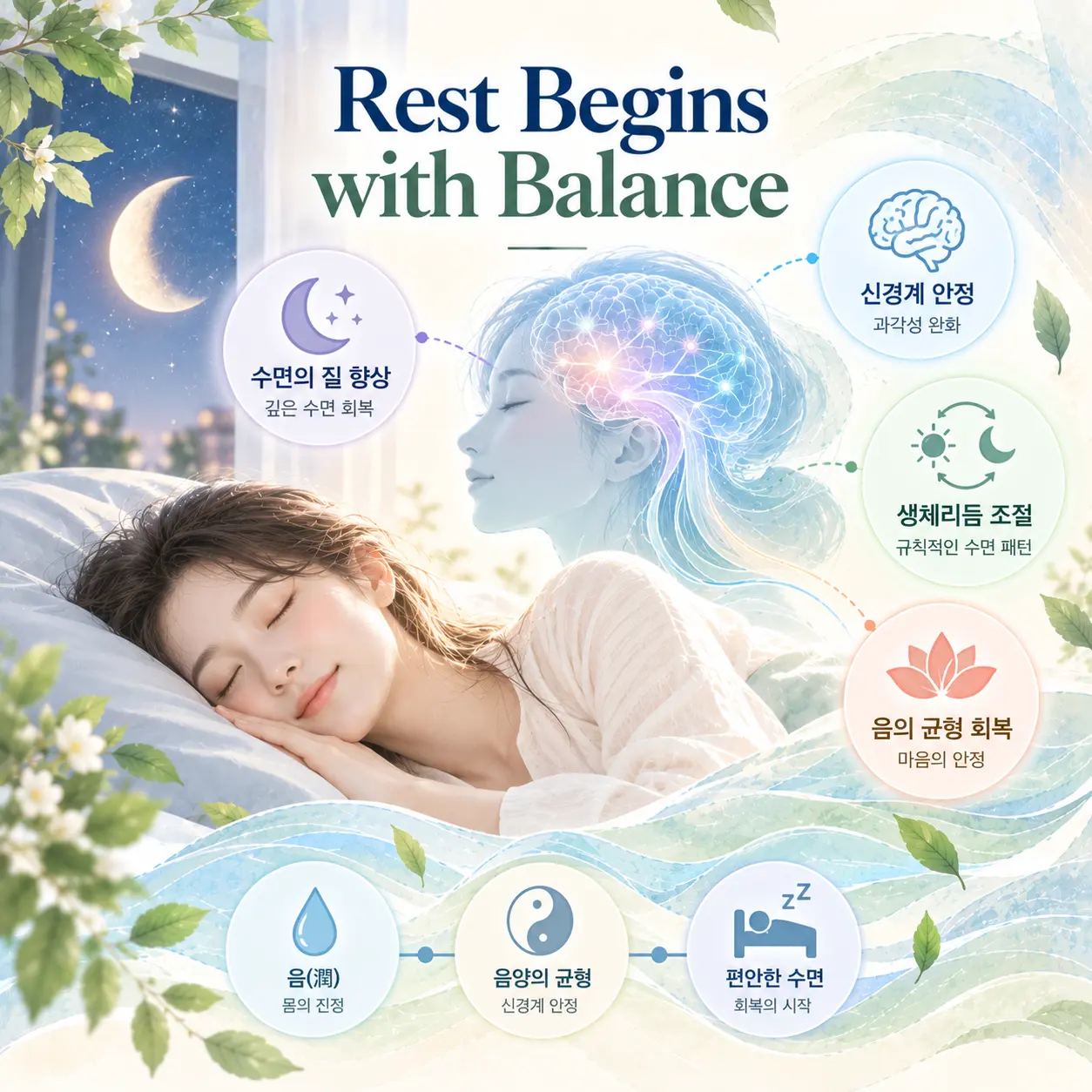
Yin deficiency is understood as insufficient nourishing and stabilizing function and may be associated with restlessness, disturbed sleep, internal heat sensations, dryness, or difficulty achieving physiological calm. Long-standing stress, illness, or inadequate recovery may contribute to this pattern within Korean medicine theory.
Contemporary physiology explains persistent arousal and sleep disturbance through interactions among autonomic activity, circadian systems, stress hormones, and neural networks involved in sleep and emotion. Korean medicine may describe some comparable clinical presentations through yin deficiency.
These Korean medicine patterns are not fixed labels for every individual with depression. Pattern identification differentiates emotional, cognitive, sleep-related, autonomic, digestive, and somatic characteristics accompanying the psychiatric syndrome.
Individualized differentiation is therefore considered an important characteristic of depression korean medicine neuropsychiatry treatment.
Depression Korean Medicine Neuropsychiatry Treatment Perspective
From the perspective of Korean Medicine Neuropsychiatry, treatment is understood as a process of supporting emotional and physiological regulation while addressing the Korean medicine pattern associated with an individual’s depressive presentation. The framework considers nervous system regulation, autonomic balance, sleep and recovery, stress adaptation, and functional relationships described through qi, blood, yin, and yang.
Modern treatment models for depression may involve psychotherapy, behavioral interventions, pharmacological treatment, sleep and circadian management, physical activity, and other clinically appropriate strategies. These approaches may influence cognition, emotional learning, neurotransmitter systems, stress regulation, behavior, and neural plasticity.
Within Korean Medicine Neuropsychiatry, treatment planning may be differentiated according to patterns such as liver qi stagnation, qi and blood deficiency, phlegm accumulation, or yin deficiency. Pattern identification is intended to characterize the configuration of emotional, cognitive, sleep-related, autonomic, and somatic manifestations rather than merely assigning a traditional term to depression.
Nervous system regulation is particularly relevant because emotional symptoms and bodily stress responses are reciprocally connected. Processes supporting more stable sleep, reduced persistent physiological arousal, appropriate daily activity, and adaptive stress responses may contribute to multidimensional recovery.
In Korean medicine terminology, these objectives may correspond to restoration of appropriate qi movement, support of deficient qi and blood, resolution of pathological accumulation, or restoration of yin-yang balance according to the identified pattern.
Depression korean medicine neuropsychiatry treatment therefore evaluates psychological symptoms together with sleep, autonomic function, physical manifestations, stress exposure, and individual pattern characteristics.
Recovery from depression is generally not explained by a single biological change. Improvement may involve changes in cognitive patterns, behavioral engagement, interpersonal functioning, sleep, stress exposure, neuroplasticity, and physiological regulation. Korean medicine similarly describes recovery through restoration of functional balance rather than correction of an isolated symptom.

Integrated Understanding and Summary
Depression is described as a heterogeneous psychiatric condition involving persistent disturbances in mood, interest, cognition, behavior, and physiological functioning. Its neural mechanisms involve interacting systems that include the prefrontal cortex, amygdala, hippocampus, and reward-related regions such as the ventral striatum.
Serotonin, dopamine, and norepinephrine participate in mood regulation, motivation, attention, arousal, and stress responses. HPA-axis activity, autonomic regulation, sleep, neuroplasticity, environmental influences, and behavioral processes contribute additional dimensions to depressive pathophysiology.
Korean medicine explains depressive presentations through functional patterns including liver qi stagnation, qi and blood deficiency, phlegm accumulation, and yin deficiency. Liver qi stagnation may be associated with prolonged emotional stress and tension, while qi and blood deficiency may be associated with fatigue and reduced resilience. Phlegm accumulation may describe patterns involving heaviness and cognitive obstruction, while yin deficiency may be associated with sleep disturbance and persistent restlessness.
These concepts are not direct substitutes for neurotransmitters, brain circuits, or endocrine mechanisms. Instead, depression korean medicine neuropsychiatry treatment provides a dual-framework perspective in which distinct medical systems can organize different dimensions of emotional experience, cognition, stress physiology, autonomic function, sleep, and somatic symptoms.
Korean Medicine Neuropsychiatry studies and explains depression through interactions among emotional, cognitive, behavioral, and physiological processes while integrating Korean medicine pattern theory with contemporary investigation of neural and stress-regulatory mechanisms. The Korean Society of Oriental Neuropsychiatry actively studies and investigates these relationships and integrates academic inquiry into brain function, autonomic physiology, stress responses, clinical psychiatric features, and Korean medicine concepts.
Depression Korean Medicine Neuropsychiatry Treatment is therefore considered an academic and clinical framework for examining neural mechanisms, stress physiology, autonomic regulation, recovery processes, and individualized Korean medicine pattern interpretation.
Related Depression Resources
Further educational resources concerning depression, neuroscience, Korean Medicine Neuropsychiatry, stress regulation, and treatment perspectives.
Related Korean Medicine Neuropsychiatry Articles
Korean Depression Resources
International Depression Resources
Further Reading on Depression and Korean Medicine
For related academic information, see Korean Medicine Neuropsychiatry and depression . This resource provides additional information about depressive symptoms, stress regulation, and Korean medicine pathophysiology.
Readers may also explore sleep and autonomic nervous system regulation to understand how sleep disturbance, stress responses, and physiological regulation may interact with psychiatric symptoms.
Additional general medical information about depression is available from an authoritative mental health information resource . This external resource can be used to review general information about depressive symptoms, risk factors, diagnosis, and treatment.