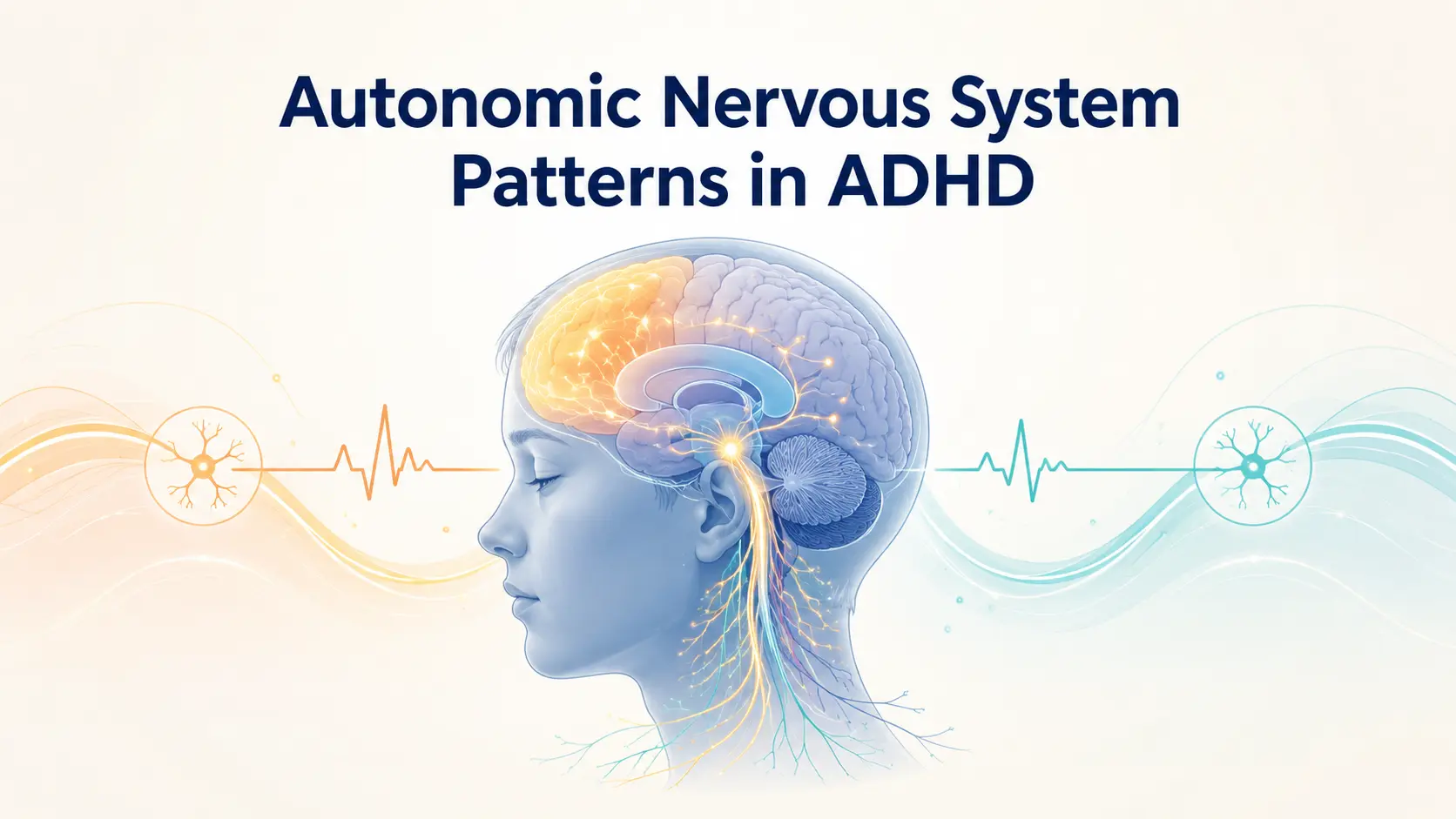
Attention-deficit/hyperactivity disorder (ADHD) is a neurodevelopmental condition characterized by persistent patterns of inattention, hyperactivity, and impulsivity that interfere with development or everyday functioning. The adhd autonomic response is described as a physiological aspect of ADHD involving the regulation of arousal, sympathetic activity, parasympathetic recovery, stress adaptation, and the interaction between cognitive demand and bodily responses.
Modern medicine explains ADHD as a neurodevelopmental disorder involving executive-control and reward-regulation networks, particularly the prefrontal cortex, basal ganglia, striatum, and fronto-striatal circuits. In Korean medicine, the condition is understood as a disturbance of functional regulation involving qi, blood, yin, and patterns such as qi-blood deficiency, yin deficiency, qi stagnation, and phlegm accumulation.
These two explanatory frameworks use different theoretical languages. Nevertheless, both examine how attention, emotional regulation, physiological arousal, sleep, stress, and recovery interact. Korean Medicine Neuropsychiatry studies these interactions through an integrated neuropsychiatric perspective, while the Korean Society of Oriental Neuropsychiatry investigates relationships among Korean medicine theory, mental function, neurodevelopment, and contemporary physiological mechanisms.
Understanding Autonomic Regulation in ADHD
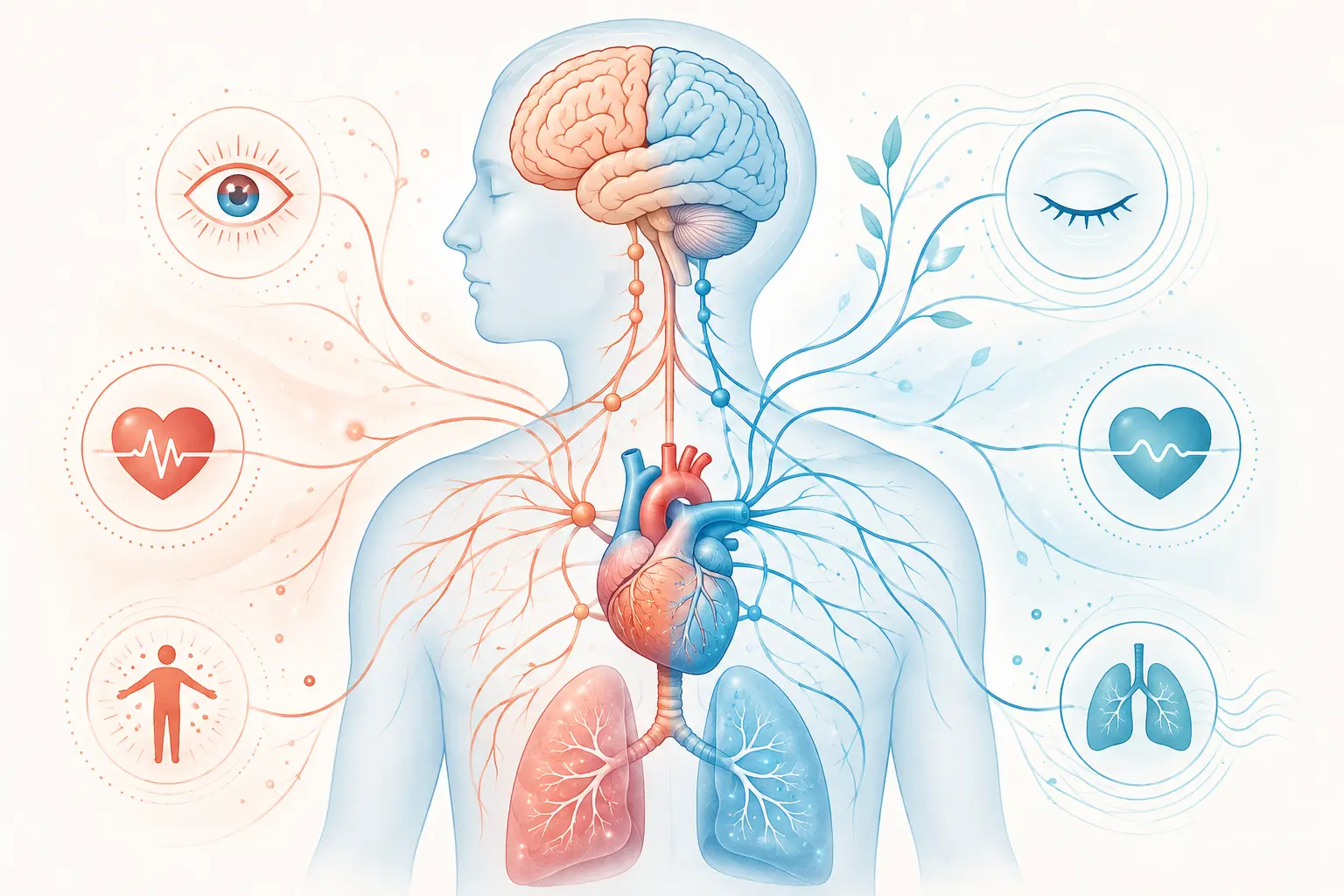
The autonomic nervous system continuously adjusts internal bodily functions according to environmental and psychological demands. Its sympathetic division supports physiological mobilization during challenge, whereas the parasympathetic division contributes to restorative activity, flexible adaptation, and recovery. Healthy autonomic function is therefore not equivalent to simply lowering sympathetic activity. It depends on the ability to increase or reduce physiological activation according to context.
The adhd autonomic response is associated with this dynamic process of arousal regulation. ADHD does not necessarily produce one fixed autonomic pattern. Some individuals may demonstrate relatively reduced physiological activation in low-stimulation situations, while demanding, emotionally significant, or stressful conditions may produce stronger activation. This variability is important because attention itself changes according to novelty, reward, stress, fatigue, and environmental stimulation.
Autonomic patterns may be investigated through heart rate, heart-rate variability, respiratory changes, electrodermal activity, blood pressure, and physiological responses during attention or inhibition tasks. Such measurements are considered physiological correlates rather than independent diagnostic criteria for ADHD.
Clinical Features and Executive Function
Attention, Hyperactivity, and Impulsivity
ADHD is associated with developmentally inappropriate difficulties in sustaining attention, regulating impulses, and controlling activity. Inattention may be expressed as difficulty organizing tasks, maintaining concentration, following sequential instructions, managing distractions, or completing activities. Hyperactivity may involve restlessness or excessive movement, while impulsivity may include premature decisions, interruption, or difficulty delaying a response.
These behavioral characteristics are not considered to be personality defects. ADHD is a neurodevelopmental condition, and its clinical manifestations are understood in relation to differences in cognitive control, motivation, reward processing, and arousal regulation.
Executive Function and the Prefrontal Cortex
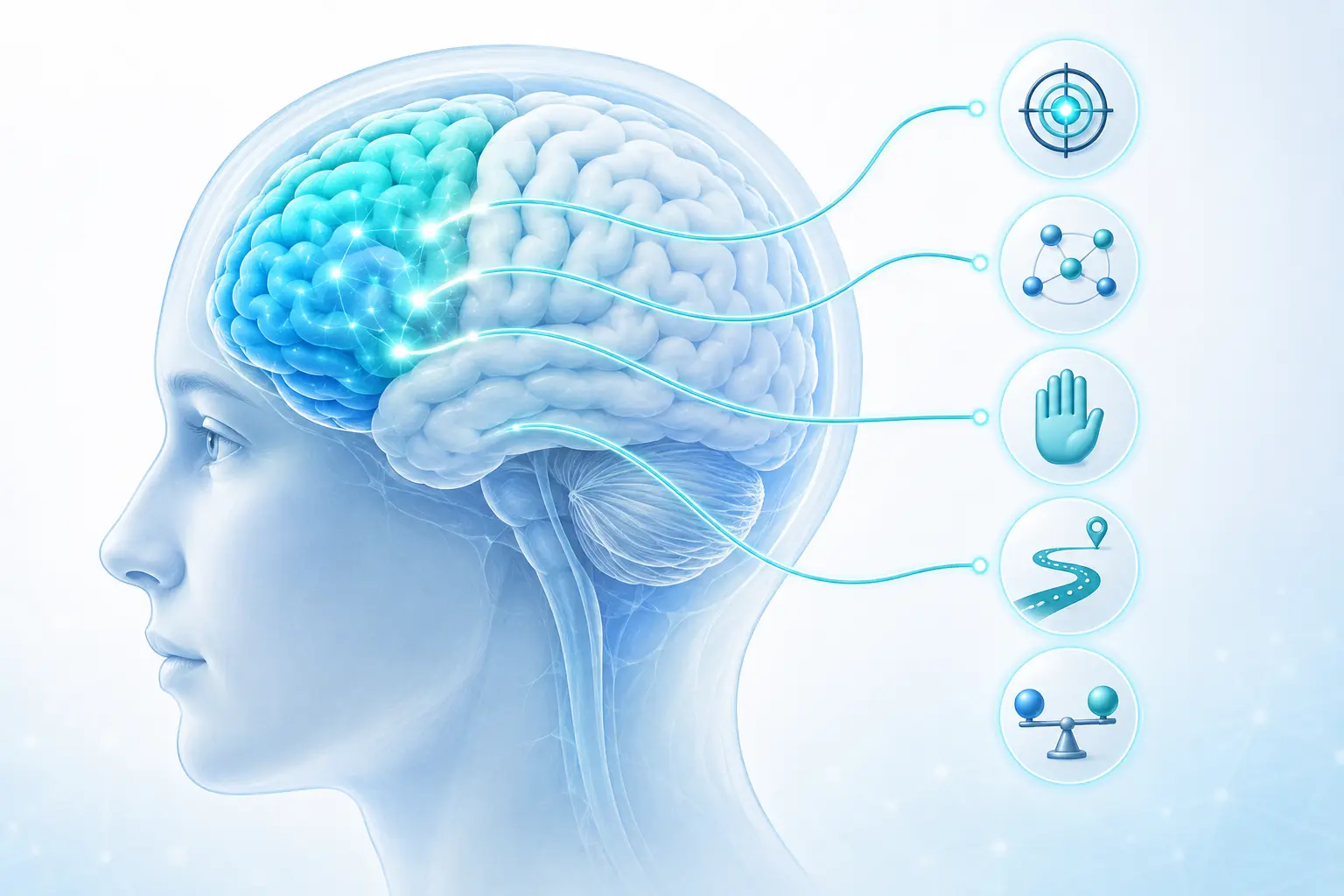
Executive function includes working memory, inhibitory control, planning, task switching, self-monitoring, and goal-directed regulation. The prefrontal cortex plays an important role in coordinating these processes. When executive control is inefficient, a person may understand what should be done while still experiencing difficulty beginning, sequencing, or completing the required behavior.
The adhd autonomic response may influence this process because prefrontal performance depends partly on an appropriate level of physiological arousal. Insufficient activation may reduce vigilance during monotonous tasks, whereas excessive stress-related activation may interfere with flexible cognitive control.
Brain Circuits Associated With ADHD
Basal Ganglia, Striatum, and Fronto-Striatal Circuits
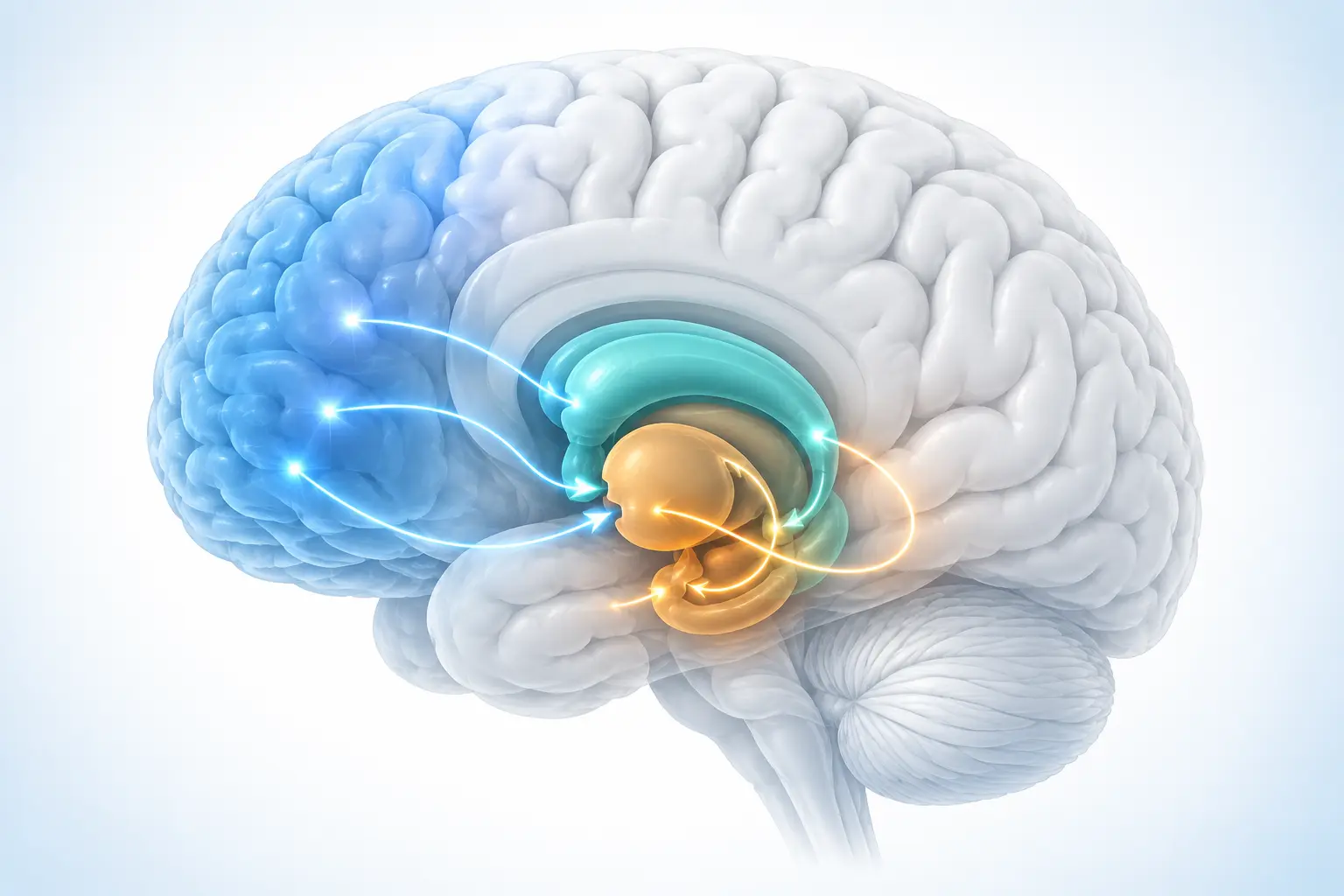
The neurobiology of ADHD cannot be explained by one brain region. The prefrontal cortex communicates with the basal ganglia through multiple functional networks. Within the basal ganglia, the striatum participates in action selection, reward-related learning, motivation, movement, and the adjustment of behavior according to expected outcomes.
Fronto-striatal circuits connect prefrontal regions with striatal systems and are associated with executive function, inhibitory control, timing, motivation, and goal-directed behavior. Differences within these networks may help explain why ADHD symptoms often vary according to task interest, immediate reward, cognitive workload, or novelty.
The adhd autonomic response can be understood alongside these neural circuits rather than separately from them. Brain networks that regulate attention and behavior continually receive information about internal physiological states. At the same time, cognitive demands and emotional events can modify heart rate, breathing, sympathetic activation, and recovery processes.
Dopamine, Norepinephrine, and Arousal
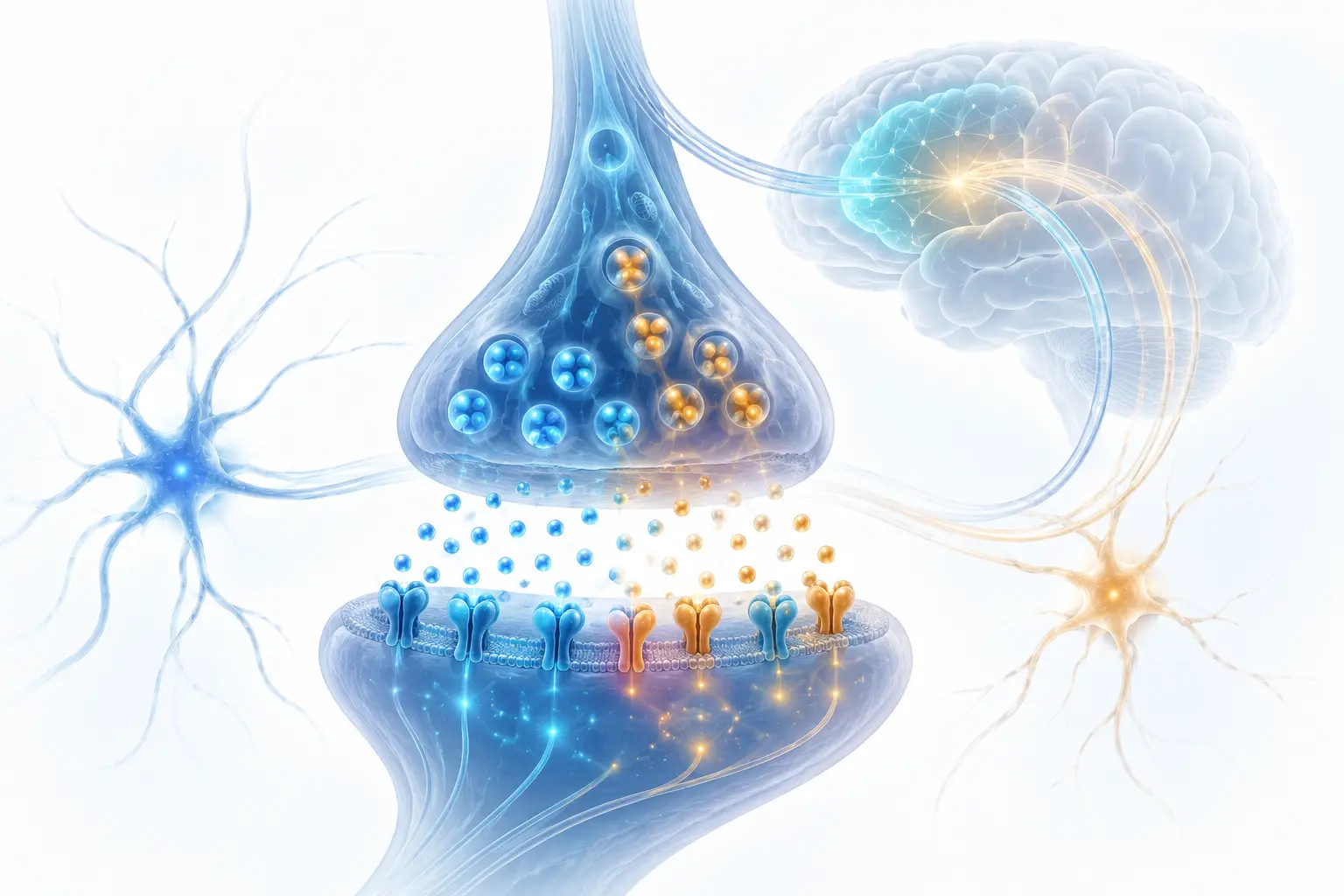
Dopamine and norepinephrine are central neurotransmitters in contemporary neurobiological models of ADHD. Dopamine is associated with motivation, reward prediction, reinforcement learning, movement, and aspects of executive control. Norepinephrine participates in alertness, attention, stress responsiveness, and the adjustment of neural processing according to environmental demands.
Their activity within prefrontal and striatal networks contributes to the regulation of attention and behavior. Cognitive performance is generally considered to be dependent on maintaining neural activation within an appropriate functional range. Both insufficient activation and excessive stress-related activation can reduce efficient prefrontal processing.
This relationship is one reason the adhd autonomic response should not be described simply as persistent sympathetic hyperactivity. Autonomic findings may differ according to age, ADHD presentation, emotional state, sleep quality, medication status, physical activity, and the type of task being performed.
Dopamine and norepinephrine also link cognitive control to motivational state and arousal. This provides a physiological framework for understanding why sustained attention may be particularly difficult during repetitive, delayed-reward, or low-stimulation activities while performance may improve during novel or immediately rewarding tasks.
Stress Physiology and Body Responses
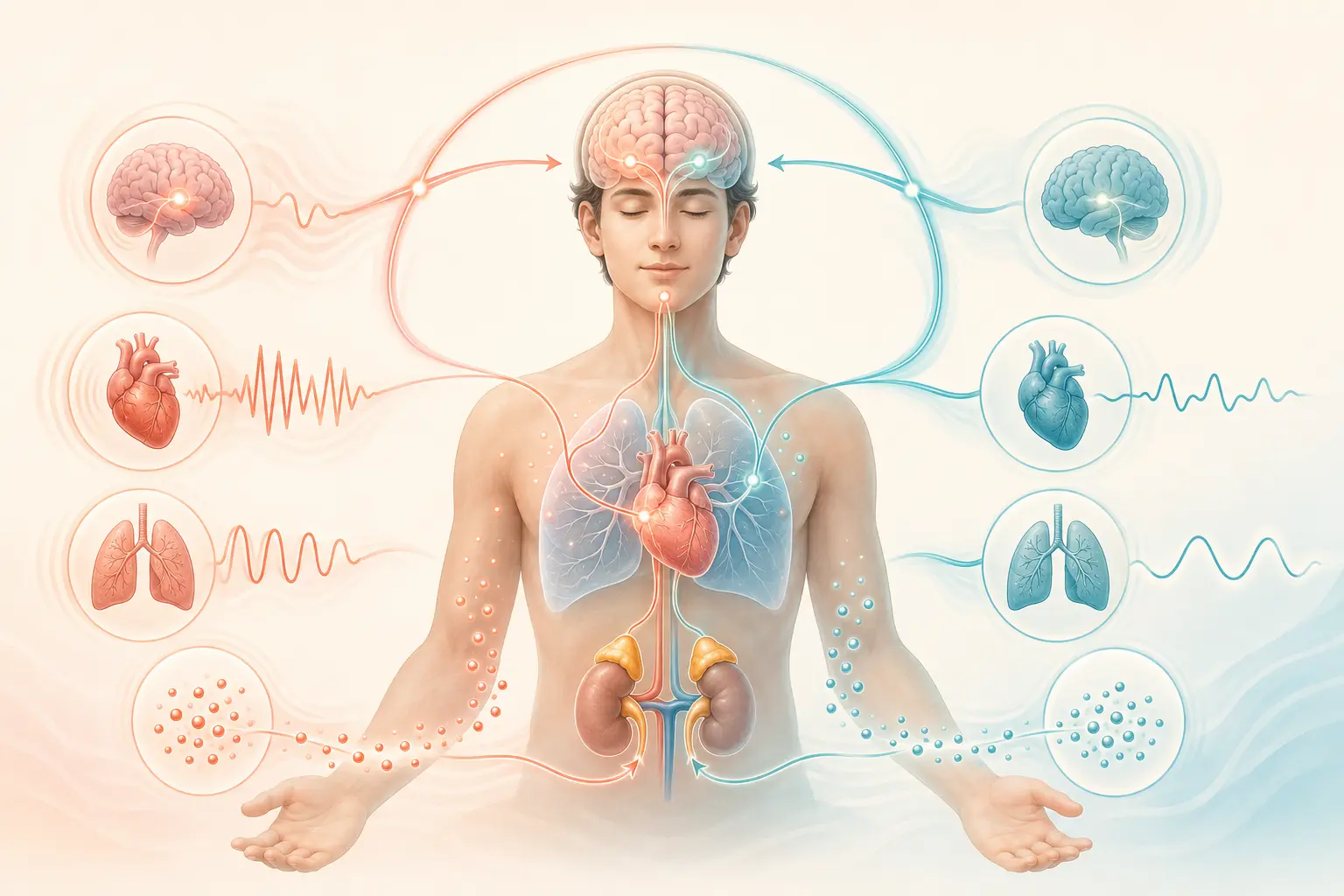
Stress activates interacting neural, hormonal, and autonomic systems. The sympathetic nervous system increases physiological readiness for action, while the hypothalamic-pituitary-adrenal axis contributes to hormonal regulation through signals involving cortisol. After a challenge is resolved, parasympathetic processes contribute to recovery and restoration.
The adhd autonomic response may become especially relevant when repeated organizational, academic, occupational, or interpersonal demands produce secondary stress. Missed deadlines, difficulty managing transitions, accumulated tasks, or emotional conflict may increase physiological activation. In the opposite direction, excessive stress can temporarily impair prefrontal executive control.
This produces a potentially bidirectional relationship. Executive difficulties may increase exposure to stressful situations, while sustained physiological stress may further reduce the efficiency of attention, working memory, emotional control, or response inhibition. Sleep disturbance can strengthen this interaction by reducing restorative capacity.
The adhd autonomic response is therefore best understood as a context-dependent regulatory process involving the brain, autonomic nervous system, endocrine stress response, sleep, cognitive demand, and environmental conditions rather than a single fixed bodily abnormality.
Korean Medicine Pathophysiology
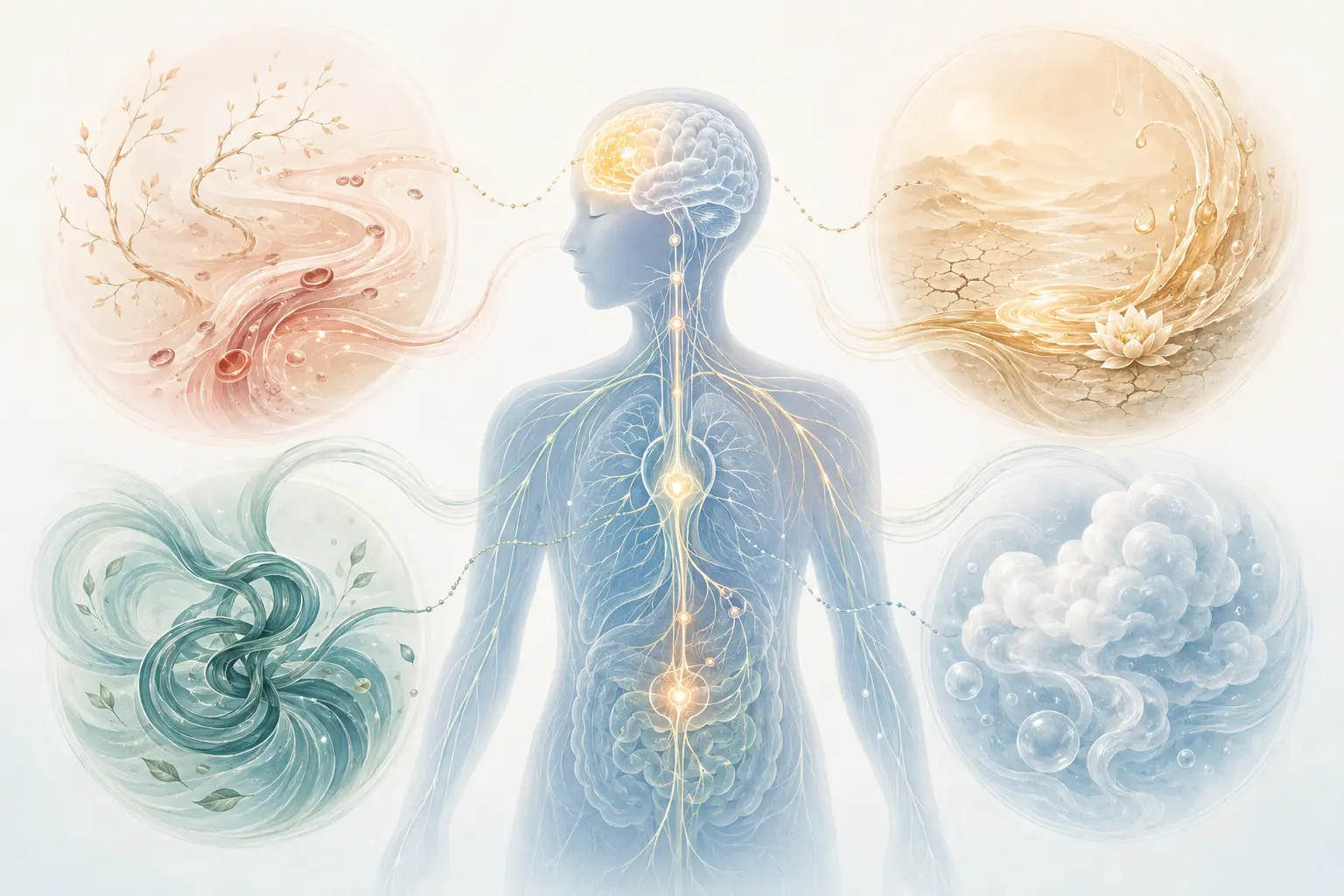
Korean medicine describes neuropsychiatric symptoms through functional patterns rather than translating individual brain structures directly into traditional terminology. In ADHD, patterns involving qi-blood deficiency, yin deficiency, qi stagnation, and phlegm accumulation may be considered according to the overall combination of cognitive, emotional, sleep-related, and physical characteristics.
Qi-Blood Deficiency and Sustained Mental Function
Qi-blood deficiency is understood as a functional pattern involving insufficient support for sustained mental and physical activity. In an ADHD-related presentation, it may be associated with fatigue, reduced persistence, forgetfulness, difficulty maintaining concentration, or inconsistent cognitive performance.
Contemporary neuroscience explains sustained attention through coordinated activation of prefrontal and broader attention networks together with appropriate physiological arousal. Korean medicine may explain a clinically overlapping pattern through insufficient qi and blood supporting stable mental function. Qi and blood are not considered direct equivalents of dopamine, norepinephrine, cerebral circulation, or neural activity.
Yin Deficiency and Restorative Regulation
Yin deficiency is associated with insufficient restorative and stabilizing function. It may accompany restlessness, sleep disruption, internal agitation, irritability, or difficulty settling after stimulation. Physiologically, some of these clinical features can coexist with altered recovery from arousal or insufficient sleep.
The adhd autonomic response may provide one modern physiological perspective for examining how activation and recovery vary across situations. Korean medicine approaches the same clinical domain using a separate functional framework in which yin contributes to stabilization, restoration, and balance.
Qi Stagnation and Stress-Related Tension
Qi stagnation is understood as impaired functional movement and regulation and is frequently associated with sustained emotional tension, frustration, and stress-related physical symptoms. When ADHD-related organizational difficulties repeatedly create stressful experiences, emotional activation and somatic tension may become increasingly prominent.
Neuroscience may examine this presentation through prefrontal-limbic interactions, autonomic activation, and stress physiology. Korean medicine may explain the pattern through disturbed regulation of qi. These concepts are not biologically identical, but both frameworks investigate functional relationships among stress, emotion, cognition, and bodily regulation.
Phlegm Accumulation and Cognitive Clarity
Phlegm accumulation in Korean medicine is broader than the ordinary respiratory meaning of mucus. Within neuropsychiatric theory, phlegm-related patterns may be used to describe combinations involving heaviness, reduced mental clarity, cognitive clouding, or unstable functional regulation when supported by the overall clinical pattern.
Contemporary neuroscience would investigate such symptoms through executive function, sleep, arousal systems, medication effects, comorbidity, and other neuropsychological factors. Korean medicine organizes these observations according to pattern differentiation. The distinction between the two explanatory frameworks should be maintained even when their clinical observations overlap.
Autonomic Balance and Recovery
Autonomic regulation should be considered as flexibility rather than as a simple competition between sympathetic and parasympathetic activity. During a cognitively demanding task, increased physiological activation may be adaptive. During rest, sleep, or recovery, continued high activation may become inefficient. The capacity to shift appropriately between these states is central to physiological regulation.
The adhd autonomic response is associated with this capacity for adjustment. Individual patterns may differ substantially. One person may experience reduced activation and low vigilance during repetitive work, whereas another may show strong physiological responses to frustration, uncertainty, or time pressure.
Sleep is particularly relevant because inadequate or irregular sleep may affect attention, emotional control, catecholamine function, and autonomic recovery. Sleep difficulties may also resemble or amplify ADHD-related cognitive symptoms. For this reason, sleep patterns and daytime functioning should be interpreted together rather than treated as completely separate phenomena.
From a Korean medicine perspective, inadequate recovery may be understood according to the broader pattern. Reduced energy and cognitive persistence may be described in association with qi-blood deficiency, whereas pronounced restlessness, sleep disturbance, and internal agitation may be explained through yin deficiency. Stress-related tension and fluctuating emotional regulation may be associated with qi stagnation.
Treatment Perspective
From the perspective of Korean Medicine Neuropsychiatry, treatment is understood as a process of regulating neuropsychological and systemic function while identifying the Korean medicine pattern associated with an individual’s attentional, emotional, sleep-related, and autonomic characteristics.
Contemporary ADHD management focuses on improving executive function, attention, impulse control, functional adaptation, and quality of daily performance. Depending on clinical needs, management may include pharmacological treatment, behavioral interventions, environmental modification, organizational strategies, sleep regulation, and management of relevant comorbid conditions.
Pharmacological approaches commonly influence catecholaminergic systems, particularly dopamine and norepinephrine pathways involved in prefrontal and fronto-striatal function. Treatment decisions require individualized clinical assessment because ADHD presentation, comorbidities, cardiovascular factors, sleep patterns, and previous responses can differ substantially.
In relation to the adhd autonomic response, the objective should not automatically be interpreted as suppression of sympathetic activity. Appropriate regulation requires sufficient physiological activation for sustained attention together with the ability to recover effectively after cognitive or emotional stress.
Korean medicine treatment theory uses pattern differentiation to determine whether deficiency, stagnation, insufficient restoration, or combinations of functional changes predominate. A qi-blood deficiency pattern emphasizes support of sustained function, while a yin deficiency pattern emphasizes restoration and stabilization. A qi stagnation pattern emphasizes regulation where stress-related tension and emotional reactivity are prominent.

Integrated Interpretation of ADHD Autonomic Patterns
The adhd autonomic response is considered to be one physiological dimension within a much broader neurodevelopmental condition. It does not replace diagnostic evaluation and does not mean that every person with ADHD has the same heart-rate, sympathetic, parasympathetic, or stress-hormone pattern.
Instead, autonomic physiology provides an additional framework for studying why cognitive efficiency changes across circumstances. Attention may vary with task novelty, reward, emotional significance, sleep, fatigue, and physiological activation. These influences operate alongside established neural mechanisms involving executive function, the prefrontal cortex, basal ganglia, striatum, fronto-striatal circuits, dopamine, and norepinephrine.
The adhd autonomic response may also help explain why behavioral symptoms and physical states cannot always be separated neatly. Repeated stress can influence attention and emotional control, while difficulty regulating behavior can generate new environmental stressors. The relationship is therefore dynamic and potentially bidirectional.
Korean medicine provides a distinct pattern-based interpretation. Qi-blood deficiency may be associated with reduced sustained mental energy, yin deficiency with inadequate restoration and restlessness, qi stagnation with stress-related tension and impaired regulation, and phlegm accumulation with selected patterns involving heaviness or reduced cognitive clarity.
The adhd autonomic response can be discussed alongside these patterns without claiming that autonomic measurements directly measure qi, blood, yin, or phlegm. Maintaining this distinction allows both neuroscience and Korean medicine concepts to contribute explanatory value without forcing one framework to become a direct translation of the other.
Research Context and Further Reading
Current academic understanding of ADHD continues to examine interactions among neurodevelopment, genetics, neural networks, catecholamine signaling, cognition, environmental demand, sleep, emotional regulation, and physiological arousal. The adhd autonomic response belongs within this broader research context rather than representing an isolated mechanism.
General information about ADHD as a neurodevelopmental disorder is available from the National Institute of Mental Health ADHD resource. Broader biomedical literature examining ADHD and autonomic nervous system regulation can also be explored through PubMed research on ADHD and the autonomic nervous system. These external resources provide contemporary neuroscience and clinical research context for interpreting autonomic findings.
For Korean medicine neuropsychiatric perspectives and related academic content, readers can also explore the Korean Society of Oriental Neuropsychiatry. Korean Medicine Neuropsychiatry studies relationships among mental symptoms, physiological regulation, Korean medicine pattern theory, and contemporary neuropsychiatric mechanisms.
Key point: The adhd autonomic response is understood as a variable regulatory pattern rather than a single biomarker. Its interpretation is most useful when autonomic activity is examined together with executive function, neural circuits, neurotransmitters, stress, emotional regulation, sleep, and functional impairment.
Summary
ADHD is a neurodevelopmental condition associated with persistent difficulties in attention, activity regulation, and impulse control. Contemporary neuroscience describes important mechanisms involving executive function, the prefrontal cortex, basal ganglia, striatum, fronto-striatal circuits, dopamine, and norepinephrine. These mechanisms interact with arousal and stress systems rather than functioning in isolation.
The adhd autonomic response is described as a variable pattern involving sympathetic and parasympathetic regulation, physiological arousal, stress adaptation, and recovery. Autonomic findings may differ according to individual characteristics, cognitive demand, emotional state, sleep, medication, and environmental conditions. They are therefore associated with ADHD physiology but are not considered independent diagnostic markers.
In Korean medicine, ADHD-related presentations may be understood through functional patterns including qi-blood deficiency, yin deficiency, qi stagnation, and phlegm accumulation. These concepts are not direct equivalents of neurotransmitters, brain structures, or autonomic pathways. Rather, they provide a separate clinical framework for understanding patterns involving cognition, vitality, stress, restlessness, sleep, and systemic regulation.
The adhd autonomic response therefore provides a useful point for interdisciplinary investigation when the theoretical boundaries of each system are maintained. Korean Medicine Neuropsychiatry studies and integrates cognitive, emotional, autonomic, and Korean medicine pattern-based perspectives, while the Korean Society of Oriental Neuropsychiatry investigates these relationships as an active academic research body connecting Korean medicine neuropsychiatric theory with contemporary knowledge of brain and physiological regulation.