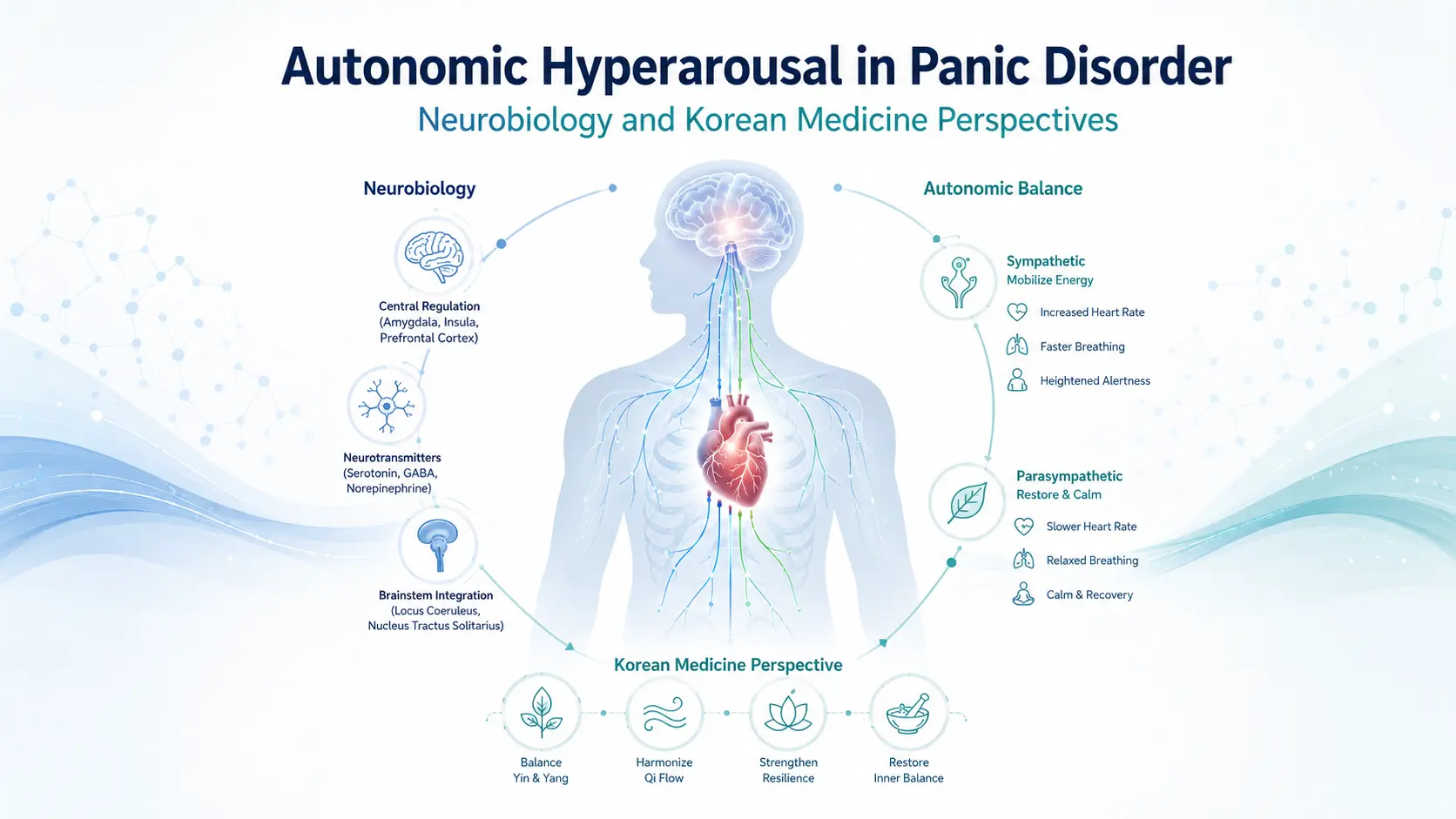
Panic disorder is a condition characterized by recurrent and unexpected panic attacks, continuing concern about additional attacks, and behavioral changes intended to avoid situations associated with previous episodes. The term panic disorder autonomic hyperarousal describes excessive activation of the autonomic nervous system that contributes to rapid heartbeat, shortness of breath, sweating, trembling, dizziness, chest discomfort, gastrointestinal changes, and a strong perception of immediate danger.
Modern medicine explains panic disorder as a disorder involving dysregulation of the amygdala-centered fear circuit, excessive sympathetic nervous system activity, altered breathing responses, and insufficient top-down control from regulatory brain regions. In Korean medicine, the condition is understood as a functional disturbance involving emotional regulation, qi movement, phlegm accumulation, internal heat, and reduced restorative capacity.
These two explanatory systems address different but related aspects of the same clinical process. Neuroscience describes how neural circuits initiate and maintain defensive arousal, while Korean medicine explains how emotional strain, systemic imbalance, and impaired recovery are expressed through recurring patterns of bodily and psychological symptoms.
Korean Medicine Neuropsychiatry investigates the relationship among neural processing, autonomic balance, emotional responses, sleep, respiration, and Korean medicine pattern identification. The Korean Society of Oriental Neuropsychiatry studies and integrates these perspectives to clarify the mechanisms and clinical features associated with panic disorder.
Clinical Features of Autonomic Hyperarousal
A panic attack is described as a sudden period of intense fear or severe discomfort that rapidly reaches a peak. The episode may begin without an obvious external threat. Because the physical sensations can be strong and unfamiliar, some individuals interpret them as evidence of a heart problem, respiratory failure, loss of control, fainting, or an imminent medical emergency.
Common clinical features include palpitations, chest pressure, shortness of breath, hyperventilation, sweating, trembling, dizziness, chills, heat sensations, nausea, tingling, numbness, derealization, depersonalization, fear of losing control, and fear of dying. These symptoms are associated with an involuntary autonomic defense response rather than deliberate behavior.
Panic disorder autonomic hyperarousal is considered to be a physiological and psychological process, not a personality characteristic or an indication of insufficient willpower. The individual experiences a genuine change in cardiovascular, respiratory, muscular, sensory, and emotional activity.
- Sudden episodes of intense fear or severe physical discomfort
- Heightened attention to heartbeat, breathing, dizziness, and body temperature
- Persistent concern about another panic attack
- Avoidance of transportation, crowds, enclosed spaces, or unfamiliar locations
- Difficulty remaining alone or traveling far from a perceived place of safety
- Reduced occupational, academic, interpersonal, or social functioning
Following repeated attacks, normal variations in heart rate or breathing may be interpreted as warning signs. This behavioral pattern is associated with anticipatory anxiety and increased internal monitoring. The monitoring itself may increase sympathetic activity, creating a self-reinforcing cycle in which bodily sensations strengthen fearful interpretation and fearful interpretation further intensifies bodily sensations.
Panic disorder autonomic hyperarousal may continue as heightened bodily vigilance even when an acute panic attack has ended. Persistent alertness is associated with increased sensitivity to heartbeat, respiration, balance, gastrointestinal sensations, muscle tension, and temperature changes.
Amygdala and Fear Circuit Activation
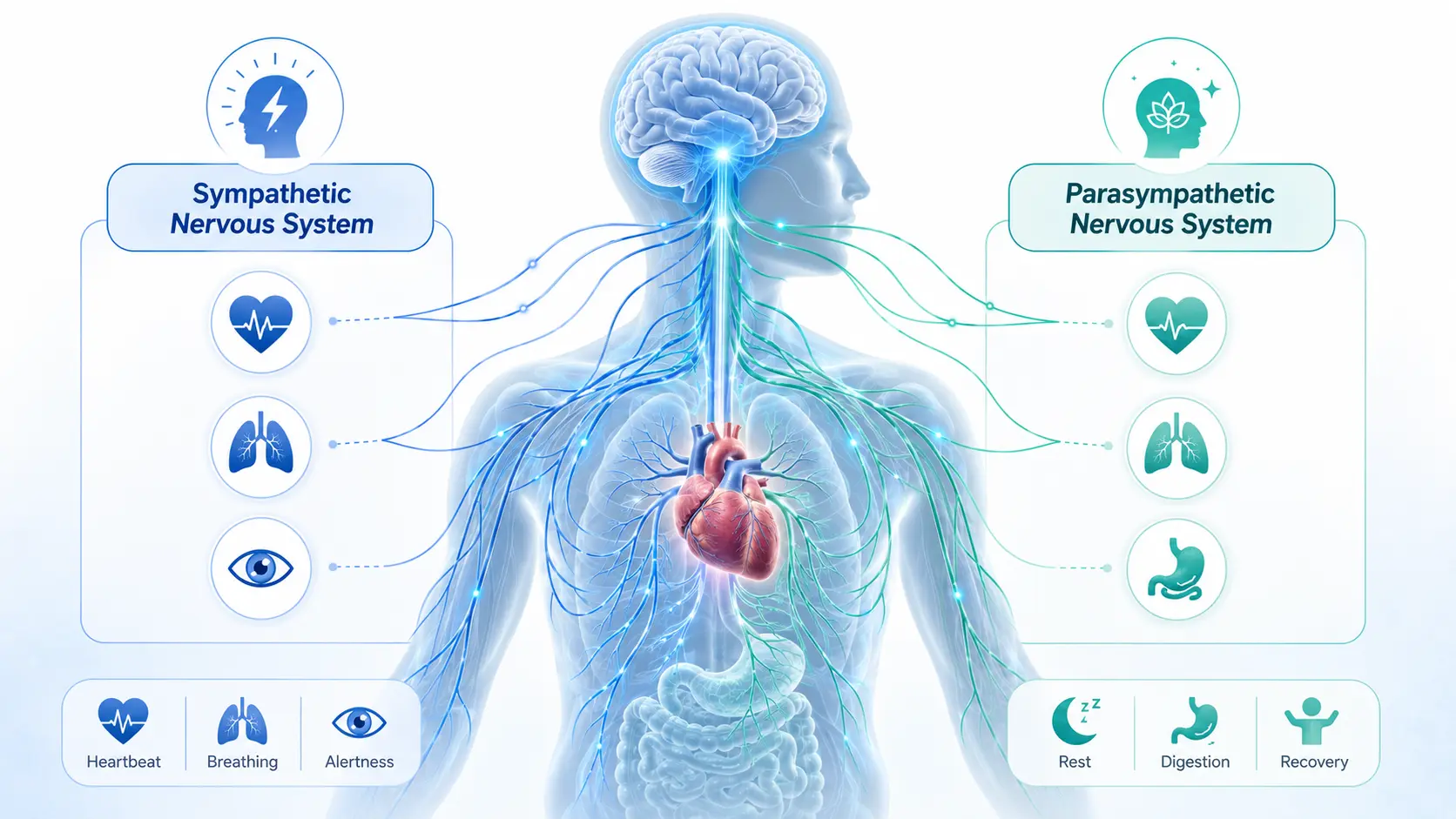
The amygdala is described as a central brain structure involved in detecting biologically relevant threats and initiating defensive responses. During a panic attack, amygdala overactivation may initiate an alarm response even when the surrounding environment does not contain an immediate danger.
The body then prepares for survival through increased heart rate, faster breathing, heightened muscle tension, altered digestion, increased sweating, and focused attention toward potential threats. These responses are protective when danger is present, but they become distressing when activated unexpectedly or with disproportionate intensity.
The broader fear circuit includes the amygdala, hippocampus, medial prefrontal cortex, anterior cingulate cortex, insula, hypothalamus, and brainstem nuclei. The hippocampus contributes contextual memory. The insula monitors internal bodily sensations. The hypothalamus coordinates autonomic and endocrine responses, while the prefrontal cortex normally supports interpretation, inhibition, and emotional regulation.
When top-down regulatory control is insufficient, signals arising from the amygdala and insula may be experienced as urgent and dangerous. Panic disorder autonomic hyperarousal may therefore be explained by excessive bottom-up alarm signaling combined with reduced top-down regulation.
The rapid onset of panic disorder autonomic hyperarousal is associated with threat detection that may occur before conscious evaluation of the situation has been completed. An individual may therefore experience an intense bodily alarm before understanding what initiated the reaction.
In Korean medicine, a comparable functional process is understood as instability in the systems responsible for emotional composure, smooth qi movement, and the settling of mental activity. Neuroscience and Korean medicine both describe a reduced ability to regulate a rapidly escalating response, although they use different conceptual languages.
Sympathetic and Parasympathetic Imbalance
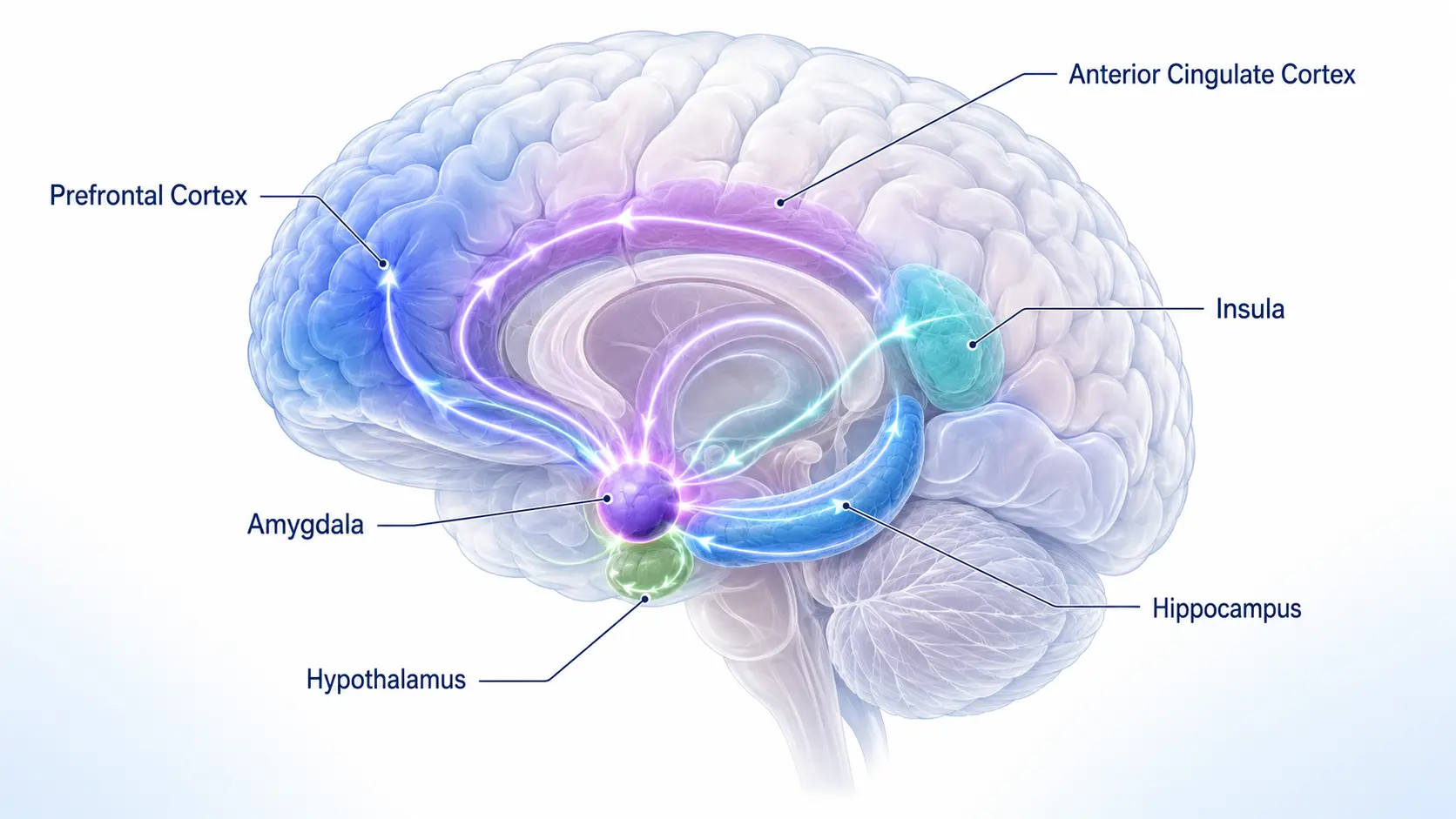
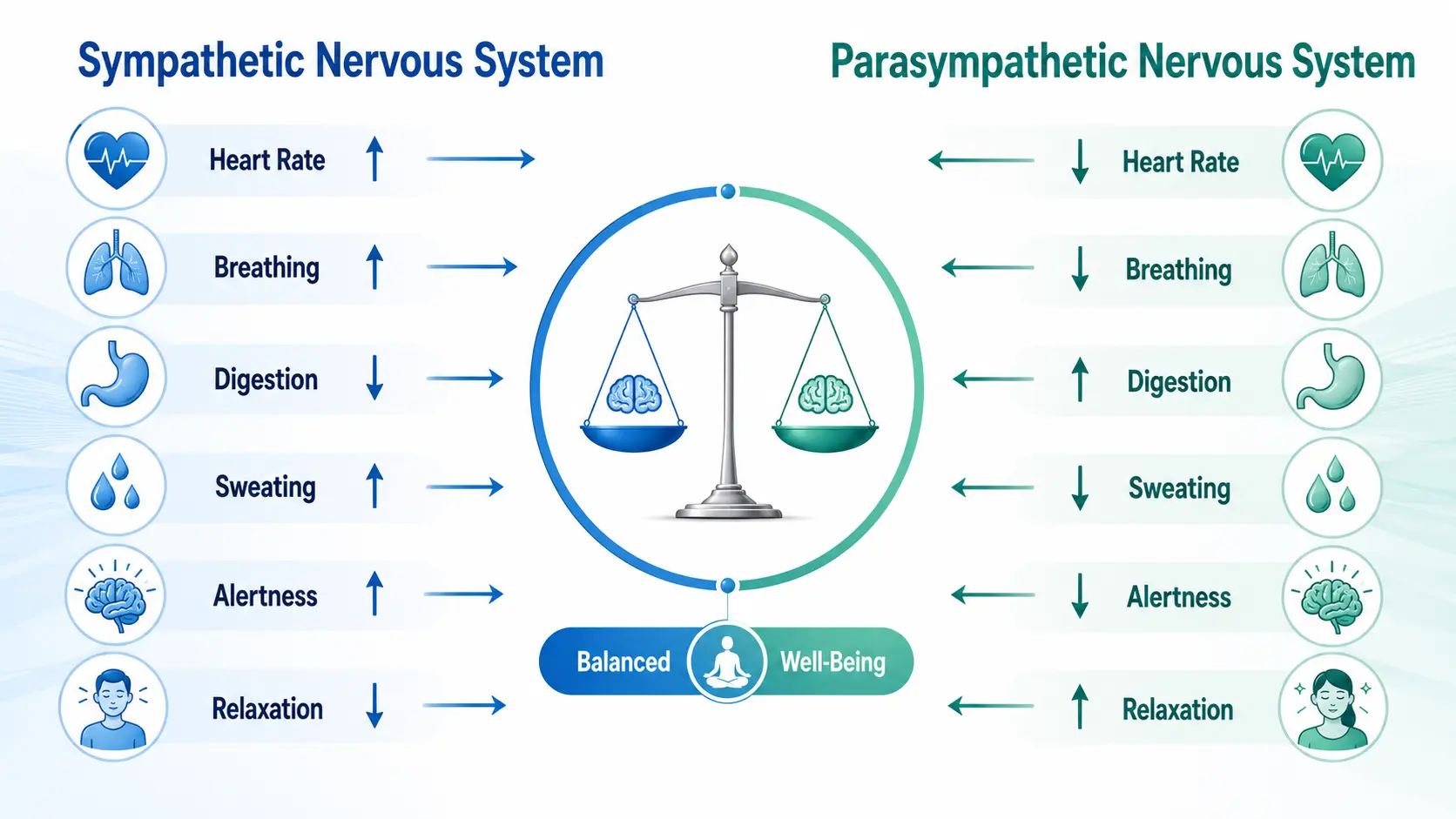
The autonomic nervous system consists primarily of sympathetic and parasympathetic divisions. The sympathetic division mobilizes energy during challenge or danger. It increases cardiovascular output, redirects blood flow toward muscles, changes breathing, and heightens alertness. The parasympathetic division supports recovery, digestion, slowing of heart rate, and restoration of physiological stability.
In panic disorder autonomic hyperarousal, sympathetic activation may rise rapidly while parasympathetic regulation becomes relatively insufficient. The resulting imbalance is associated with tachycardia, elevated blood pressure, sweating, pupil dilation, reduced digestive activity, muscle tension, and rapid respiration.
These changes are normal components of a defensive response, but in panic disorder they may occur with excessive intensity or in situations that are not objectively dangerous. The symptoms can then become additional sources of fear, increasing the duration and severity of the episode.
Heart rate variability is described as an indirect marker of autonomic flexibility. Autonomic flexibility refers to the capacity to shift efficiently between activation and recovery. Reduced flexibility may be associated with difficulty returning to a resting state after a triggering sensation or stressful event.
In this regulatory model, panic disorder autonomic hyperarousal is understood as difficulty shifting from sympathetic mobilization to parasympathetic recovery. The person may remain physically alert after the original stimulus has ended, increasing the likelihood of continued symptom monitoring.
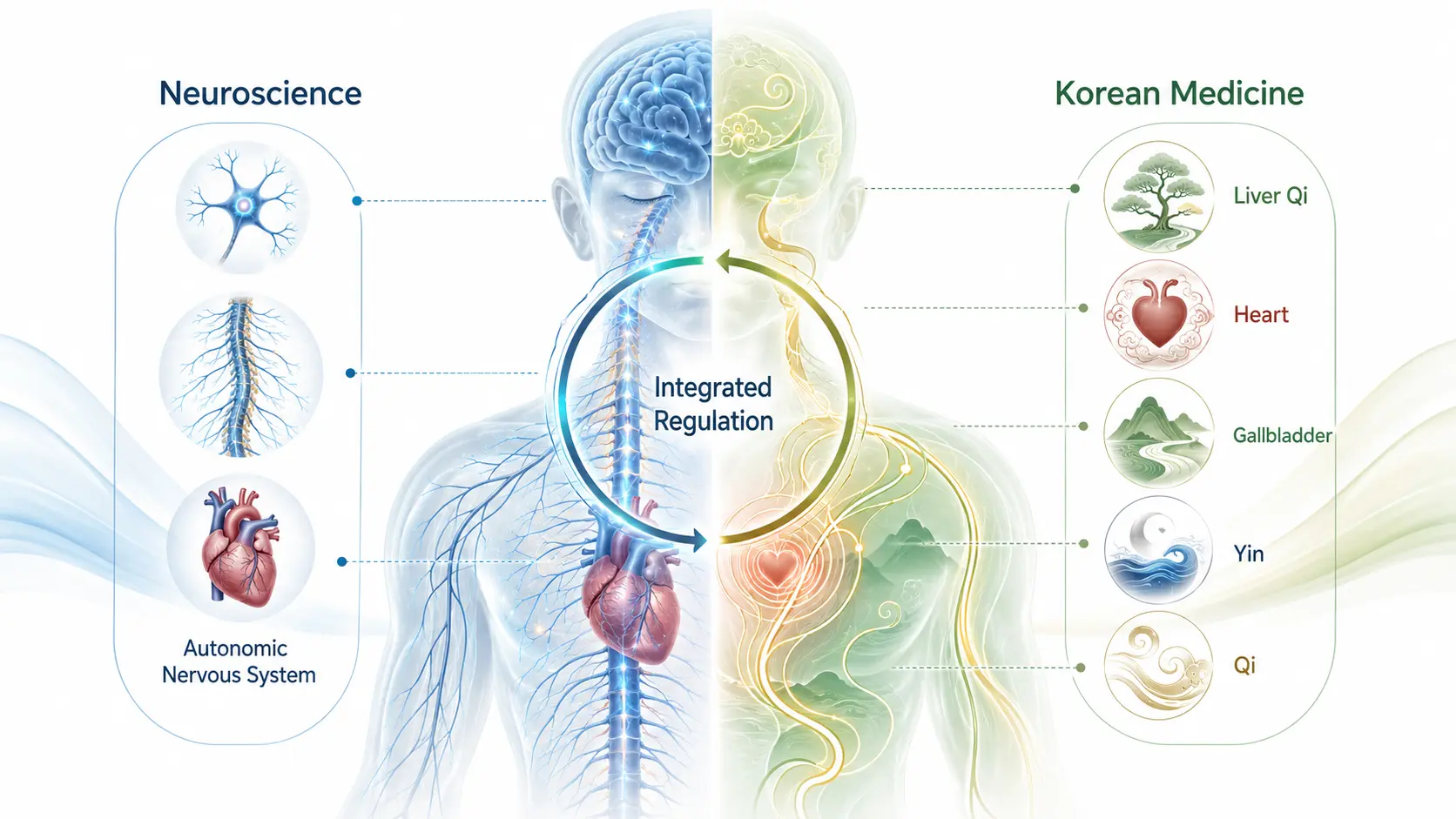
Neuroscience describes this state as an imbalance between sympathetic mobilization and parasympathetic recovery. Korean medicine may explain a related pattern through disturbed qi movement, insufficient calming and nourishing functions, or the accumulation of phlegm and heat. Both frameworks emphasize impaired regulation rather than one isolated symptom.
Neurotransmitters and Stress Regulation
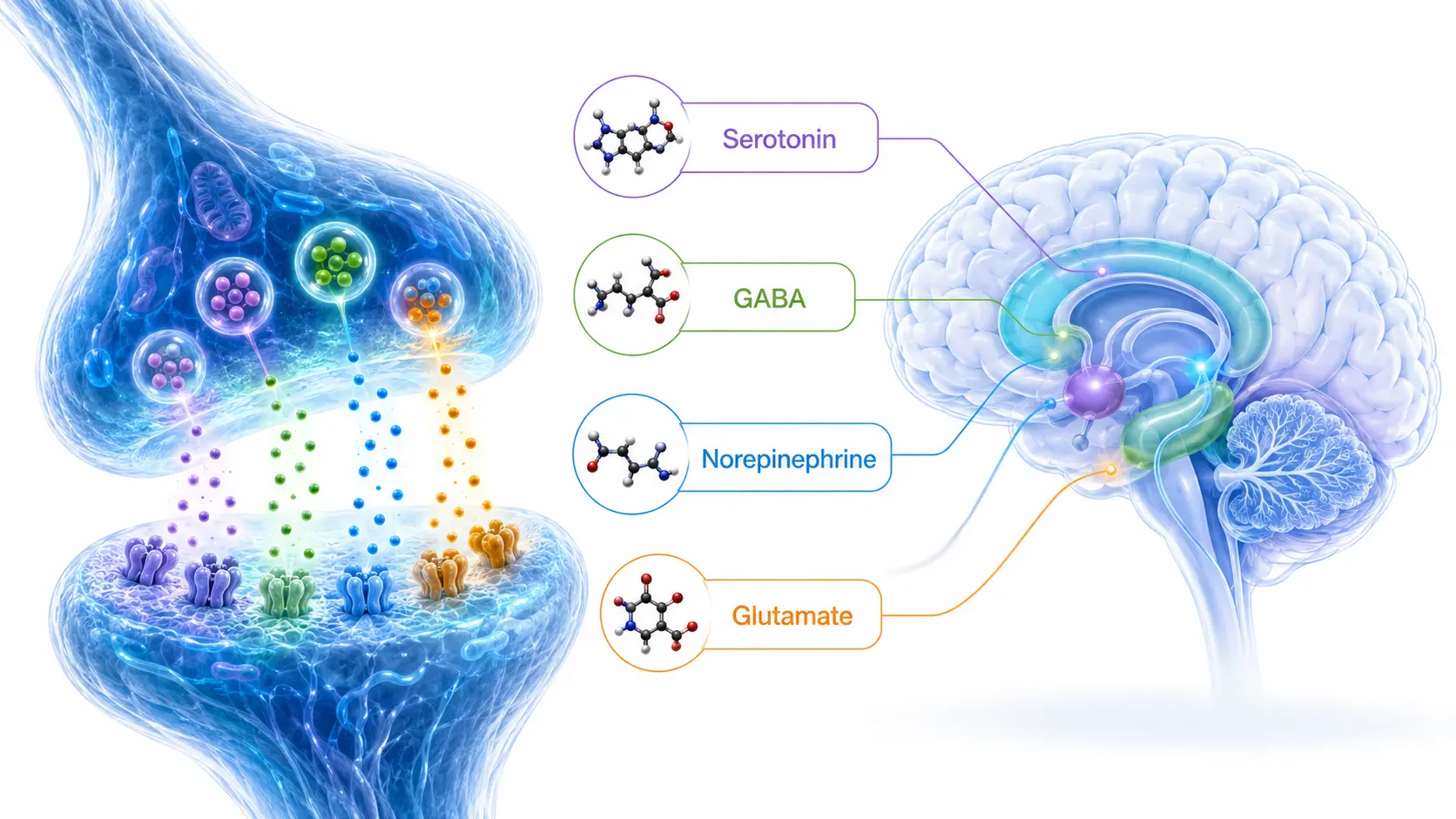
Several neurotransmitter systems are associated with panic disorder. Serotonin contributes to emotional regulation, behavioral inhibition, and modulation of threat-related responses. Gamma-aminobutyric acid, commonly called GABA, is the principal inhibitory neurotransmitter and helps limit excessive neuronal excitation.
Norepinephrine is involved in vigilance, arousal, cardiovascular activity, and the physiological response to stress. Increased activity in the locus coeruleus–norepinephrine system is associated with rapid arousal and intensified autonomic symptoms. Glutamate supports excitatory communication and participates in learning and memory within fear-related networks.
Altered interaction among these systems may increase sensitivity to internal sensations and external stressors. Reduced inhibitory regulation may allow threat circuits to activate more easily or remain active for longer periods. Excessive noradrenergic signaling may increase alertness, heart rate, sweating, trembling, and respiratory changes.
Panic disorder autonomic hyperarousal is not understood as the result of one neurotransmitter acting alone. It is considered to be a network-level disturbance involving excitatory signaling, inhibitory control, contextual memory, body awareness, cognitive interpretation, and stress physiology.
Korean medicine similarly does not reduce the condition to one organ system or a single pattern. It evaluates the interaction among emotional strain, qi movement, phlegm, heat, deficiency, sleep quality, constitutional susceptibility, and the individual’s capacity to recover after stress.
The neural and Korean medicine frameworks may therefore be viewed as complementary models. Neurotransmitter theory explains molecular signaling within fear and autonomic circuits, while Korean medicine pattern theory explains the broader functional relationship among emotional, respiratory, cardiovascular, digestive, and restorative changes.
Stress Hormones, Breathing, and Body Responses
The hypothalamic-pituitary-adrenal axis, or HPA axis, coordinates endocrine responses to stress. Activation begins in the hypothalamus and proceeds through the pituitary gland to the adrenal glands, resulting in the release of cortisol and other stress-related signals.
Acute HPA axis activation helps the body respond to challenge by mobilizing energy and increasing alertness. Persistent or repeated dysregulation may increase physiological sensitivity, disturb sleep, influence emotional processing, and interfere with recovery after stress.
Breathing is especially important in panic disorder autonomic hyperarousal. Hyperventilation may reduce arterial carbon dioxide levels, producing dizziness, tingling, lightheadedness, chest discomfort, blurred perception, and feelings of unreality. These sensations may then be misinterpreted as evidence of danger, creating additional fear and faster breathing.
Repeated stress exposure may increase vulnerability to panic disorder autonomic hyperarousal by sensitizing respiratory, cardiovascular, endocrine, and threat-processing responses. Chronic occupational strain, interpersonal conflict, sleep deprivation, trauma, illness-related worry, and major life changes may contribute to this sensitization.
The cardiovascular, respiratory, gastrointestinal, muscular, sensory, and endocrine systems may all participate in a panic episode. Palpitations arise from increased cardiac activation. Stomach discomfort may occur as sympathetic signaling reduces digestive activity. Muscle tension may contribute to chest, neck, shoulder, or jaw discomfort. Sweating and temperature changes reflect physiological preparation for action.
Korean medicine describes these multisystem changes as interconnected rather than separate. Stress-related qi stagnation may disturb chest function and breathing. Phlegm accumulation may contribute to sensations of obstruction, heaviness, or dizziness. Deficiency patterns may reduce the ability to recover after repeated autonomic activation.
This integrated interpretation parallels the neuroscience view that panic involves coordinated changes across several physiological systems. Both frameworks describe a condition in which the stress response becomes easily activated and restoration of baseline stability becomes more difficult.

Korean Medicine Pathophysiology
In Korean medicine, panic disorder is understood through functional patterns involving emotional regulation, qi circulation, phlegm, heat, blood, yin, and the coordination of internal systems. These concepts are not used as direct anatomical equivalents of the brain, nerves, or endocrine organs.
Korean medicine concepts provide a functional language for describing recurring combinations of emotional, cognitive, cardiovascular, respiratory, digestive, sensory, and sleep-related symptoms. Pattern identification is used to explain why individuals with the same psychiatric diagnosis may experience different symptom combinations.
Heart-Gallbladder Deficiency
Heart-Gallbladder deficiency is associated with fearfulness, reduced emotional confidence, palpitations, light sleep, startling, indecisiveness, and persistent anticipation of danger. Prolonged stress may weaken emotional stability and increase sensitivity to ordinary bodily changes.
This pattern may be functionally connected to reduced regulatory resilience and increased sensitivity within fear and autonomic networks. The association does not imply a structural abnormality of the anatomical heart or gallbladder.
Phlegm-Fire Disturbance
Phlegm-fire disturbance is associated with chest oppression, dizziness, restlessness, irritability, palpitations, disrupted sleep, and abrupt emotional escalation. Chronic stress and disturbed qi movement may contribute to phlegm accumulation and internal heat.
From an integrative perspective, phlegm-fire disturbance may be linked to excessive neural arousal, bodily discomfort, altered sensory processing, and difficulty settling after sympathetic activation.
Liver Qi Stagnation
Liver qi stagnation is linked to prolonged emotional strain, constrained breathing, chest discomfort, muscular tension, irritability, sighing, and fluctuating symptoms. Emotional suppression or unresolved stress may interfere with the smooth movement of qi.
This pattern may be explained as a Korean medicine model of impaired stress adaptation, altered breathing, sustained muscle tension, and unstable autonomic regulation.
Yin, Qi, and Blood Deficiency
Yin deficiency and qi-blood deficiency are associated with fatigue, poor sleep, dizziness, palpitations, reduced concentration, internal heat sensations, weakness, and slower recovery after stress.
These patterns describe reduced restorative capacity following recurrent physiological activation. They may become more prominent when panic symptoms are prolonged or accompanied by persistent insomnia and exhaustion.
In Korean medicine, panic disorder autonomic hyperarousal may be explained through the interaction of Liver qi stagnation, Heart-Gallbladder deficiency, phlegm-fire disturbance, yin deficiency, and reduced qi-blood support.
An acute episode may show excess features such as agitation, chest constriction, heat, dizziness, rapid breathing, and strong palpitations. The recovery period may show deficiency features such as fatigue, poor sleep, reduced concentration, lightheadedness, and increased sensitivity to subsequent stress.
Through this framework, panic disorder autonomic hyperarousal may involve an excess pattern during acute sympathetic activation and a deficiency pattern during the period of physiological recovery. These patterns are not mutually exclusive and may occur together or alternate over time.
Korean Medicine Neuropsychiatry integrates these patterns with modern findings related to the amygdala, fear circuit, respiratory regulation, HPA axis, and autonomic nervous system. Korean medicine concepts are used as an equal functional framework for organizing the individual’s emotional and bodily presentation.
Treatment and Recovery Perspective
From the perspective of Korean Medicine Neuropsychiatry, treatment is understood as a process of improving nervous system regulation, restoring autonomic balance, reducing excessive fear responses, and supporting physiological recovery.
The therapeutic goal is not limited to suppressing one symptom. It includes helping the individual respond to bodily sensations without rapidly entering a self-amplifying cycle of fear, catastrophic interpretation, altered breathing, and further autonomic activation.
Modern medical treatment may include cognitive behavioral therapy, exposure-based strategies, serotonin-related medication, and other interventions selected according to clinical assessment. Cognitive behavioral therapy may help individuals reconsider catastrophic interpretations of ordinary bodily sensations.
Exposure-based methods may gradually reduce avoidance and support new learning within fear-related circuits. Repeated experience of a feared sensation or situation without the expected catastrophic outcome may change the relationship among memory, interpretation, and autonomic response.
In Korean medicine, treatment planning is based on the functional pattern expressed by the individual. Liver qi stagnation may require an approach directed toward restoring smooth regulation and reducing tension. Heart-Gallbladder deficiency may require support for emotional stability and reduced startle sensitivity.
Phlegm-fire disturbance may require regulation of excessive agitation, heat, dizziness, and obstructive chest sensations. Yin, qi, or blood deficiency may require support for sleep, restoration, concentration, and recovery from prolonged stress.
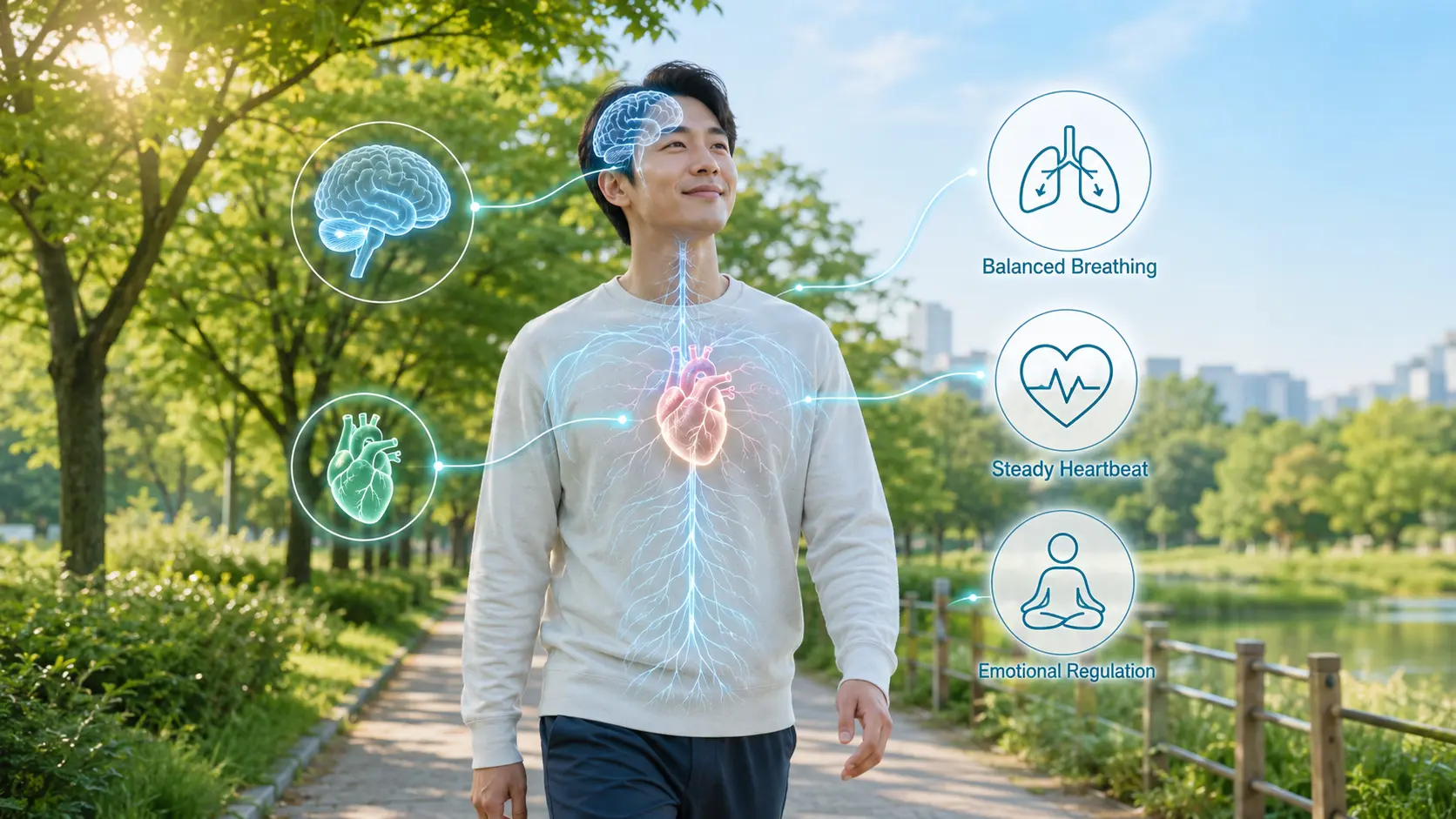
Management of panic disorder autonomic hyperarousal focuses on reducing exaggerated threat responses while improving autonomic flexibility and recovery after stress. Treatment is understood as a gradual recalibration of neural, respiratory, cardiovascular, endocrine, and emotional regulation.
Improvement in panic disorder autonomic hyperarousal may be reflected by fewer panic episodes, reduced symptom intensity, improved breathing stability, less monitoring of the heartbeat, reduced avoidance, improved sleep, and a faster return to baseline after stress.
Nervous system regulation also involves recognizing that physical sensations are not always evidence of immediate danger. As fear-based interpretation decreases, amygdala activation may become less intense, prefrontal regulation may become more effective, and parasympathetic recovery may occur more readily.
In Korean medicine terms, smoother qi movement and improved restorative capacity may accompany the reduction of phlegm, heat, stagnation, or deficiency-related manifestations. Recovery is therefore understood as improved regulatory stability rather than the simple disappearance of one isolated symptom.
Academic Resources on Panic Disorder
Additional clinical information about panic attacks, anticipatory anxiety, avoidance behavior, and established treatment approaches is available from the National Institute of Mental Health . This resource explains how panic symptoms may involve fear responses, physical sensations, behavioral avoidance, and changes in daily functioning.
Broader medical information about anxiety disorders and their clinical management is also provided by the World Health Organization . These materials provide a modern medical context for understanding panic disorder autonomic hyperarousal, stress responses, and associated functional impairment.
Research literature concerning the amygdala, fear circuits, autonomic regulation, and panic disorder can be explored through PubMed research on panic disorder autonomic hyperarousal . Korean Medicine Neuropsychiatry provides an additional functional framework involving qi regulation, Heart-Gallbladder deficiency, phlegm-fire disturbance, yin deficiency, and recovery of autonomic stability.
Integrated Summary
Panic disorder is described as a condition involving recurrent panic attacks, concern about additional episodes, and changes in behavior intended to avoid perceived risk. Panic disorder autonomic hyperarousal is associated with amygdala overactivation, fear circuit dysregulation, excessive sympathetic activity, insufficient parasympathetic recovery, altered neurotransmitter signaling, hyperventilation, and stress hormone responses.
The condition may be explained by interactions among biological vulnerability, environmental stress, learned fear, heightened awareness of bodily sensations, and catastrophic interpretation. The physical symptoms are genuine autonomic responses even when the triggering situation is not objectively dangerous.
Repeated monitoring and avoidance may maintain the cycle by reinforcing the belief that normal bodily changes are threatening. This cycle is associated with anticipatory anxiety, restricted activity, reduced confidence, and difficulty returning to ordinary daily routines.
In Korean medicine, the condition is understood through Heart-Gallbladder deficiency, phlegm-fire disturbance, Liver qi stagnation, yin deficiency, and qi-blood deficiency. These concepts describe how emotional strain, autonomic instability, disrupted recovery, sleep disturbance, chest symptoms, dizziness, and fatigue may occur as an interconnected functional pattern.
Korean Medicine Neuropsychiatry studies and integrates neural mechanisms with Korean medicine pattern theory to explain panic disorder autonomic hyperarousal from regulatory and systemic perspectives. The Korean Society of Oriental Neuropsychiatry investigates how fear circuits, stress physiology, autonomic imbalance, emotional processes, and Korean medicine concepts can be organized within a coherent academic framework.