블로그

  • 7 ADHD Symptoms: Clinical Features and Functional Characteristics

    7 ADHD Symptoms: Clinical Features and Functional Characteristics

    ADHD symptoms are described as persistent difficulties in attention regulation, impulsivity, hyperactivity, emotional control, and executive function. These attention regulation problems may affect academic performance, occupational functioning, relationships, sleep regulation, and daily organization.

    This article explains ADHD-related difficulties from both modern neuroscience and Korean Medicine Neuropsychiatry perspectives, focusing on brain circuits, neurotransmitters, autonomic balance, and Korean medicine pathophysiology.

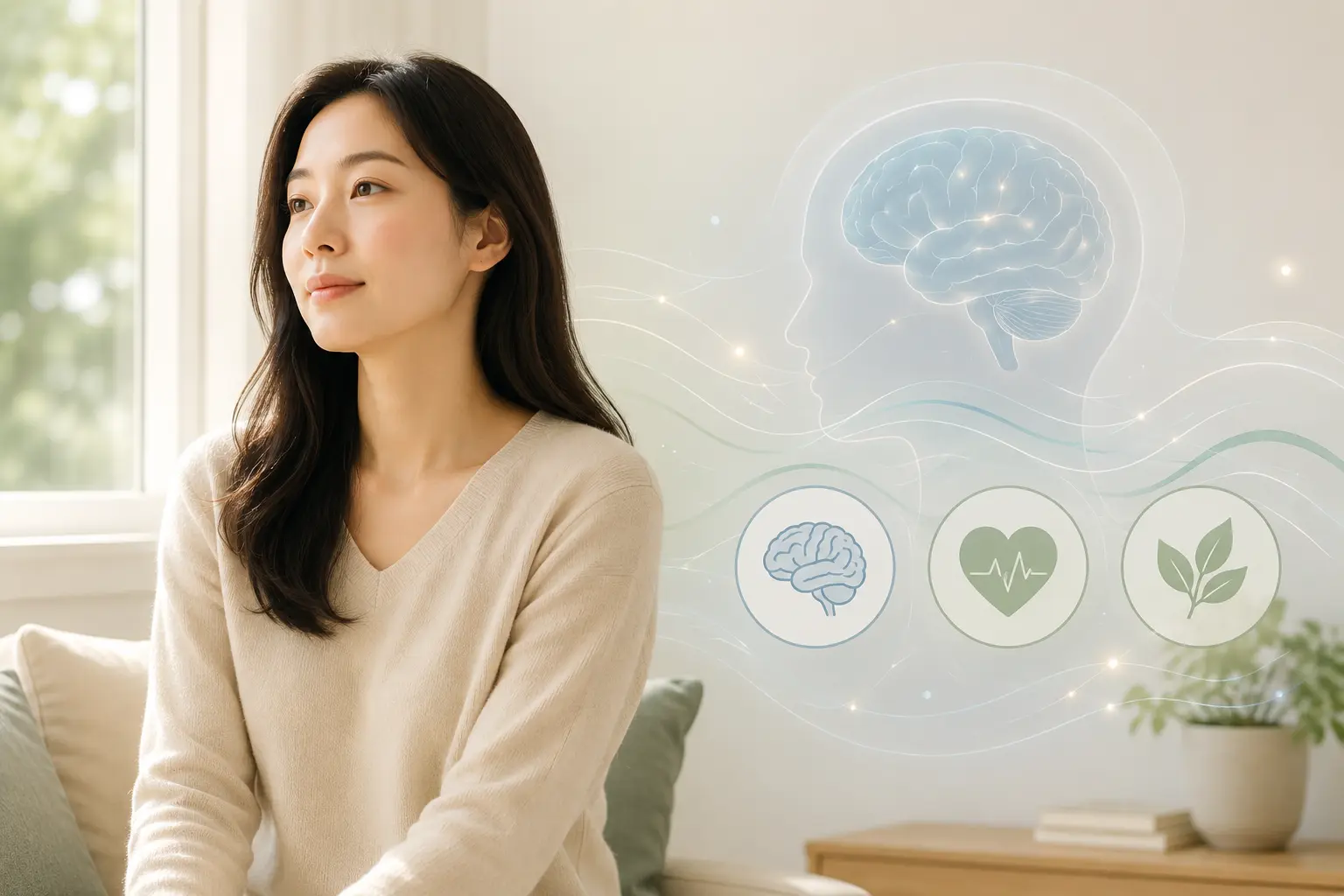
    ADHD symptoms affecting attention and task organization in adults
    Attention and task organization difficulty in adults

    Overview of ADHD Symptoms

    Attention-deficit/hyperactivity disorder is a neurodevelopmental condition characterized by persistent patterns of inattention, impulsivity, and hyperactivity that interfere with daily functioning. ADHD symptoms are understood as cognitive and behavioral manifestations involving impaired attention regulation, executive function, emotional control, and behavioral inhibition.

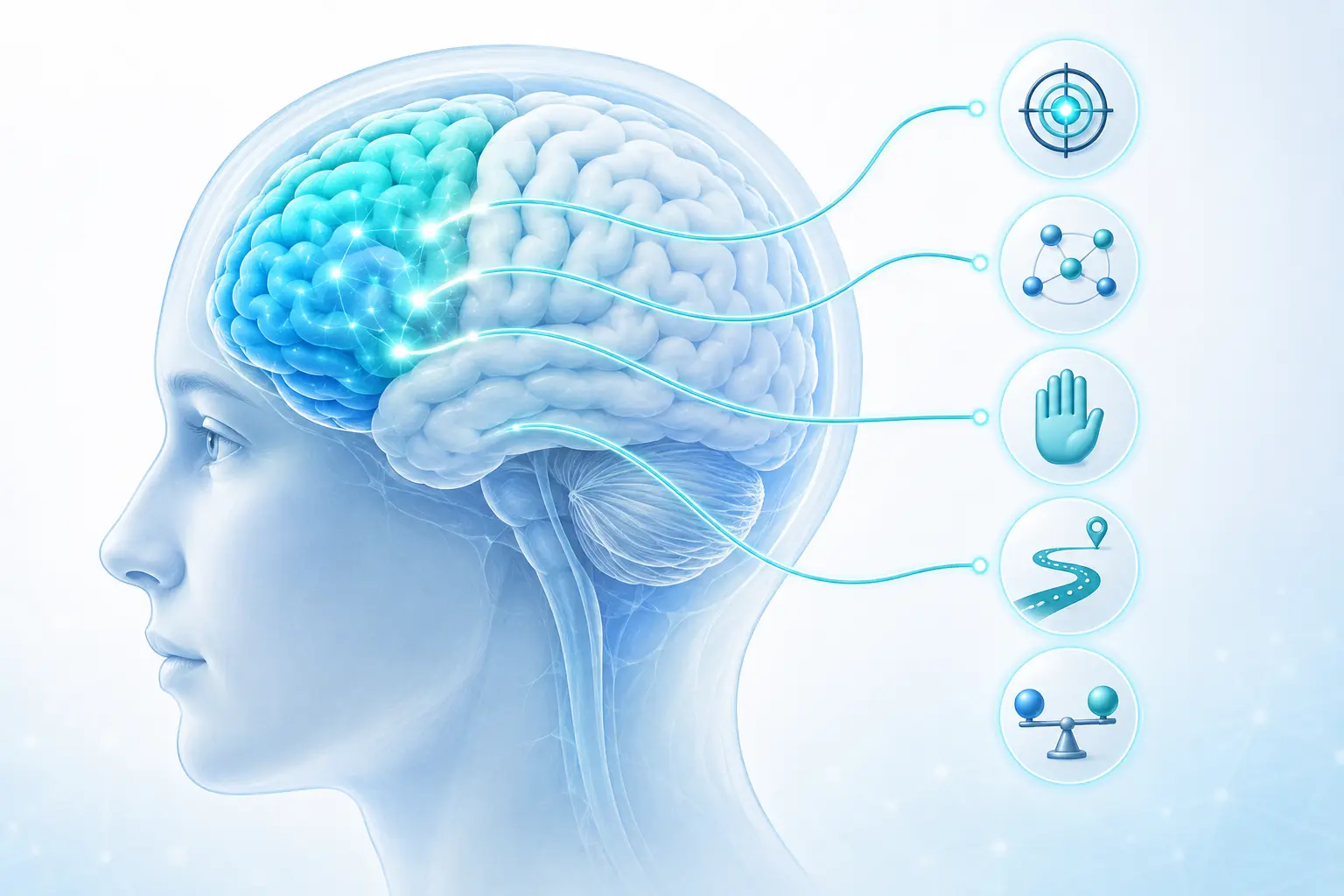
    Modern medicine explains ADHD as a disorder involving dysfunction within the prefrontal cortex, basal ganglia, striatum, and fronto-striatal circuits. In Korean medicine, the condition is understood as a disturbance of qi regulation, heart-liver imbalance, qi-blood deficiency, and yin deficiency affecting mental focus and emotional regulation.

    Korean Medicine Neuropsychiatry investigates these symptoms through an integrated framework that connects nervous system regulation, autonomic balance, stress response, and Korean medicine concepts. The Korean Society of Oriental Neuropsychiatry studies these interactions as part of an academic approach to Korean medicine-based neuropsychiatric explanation.

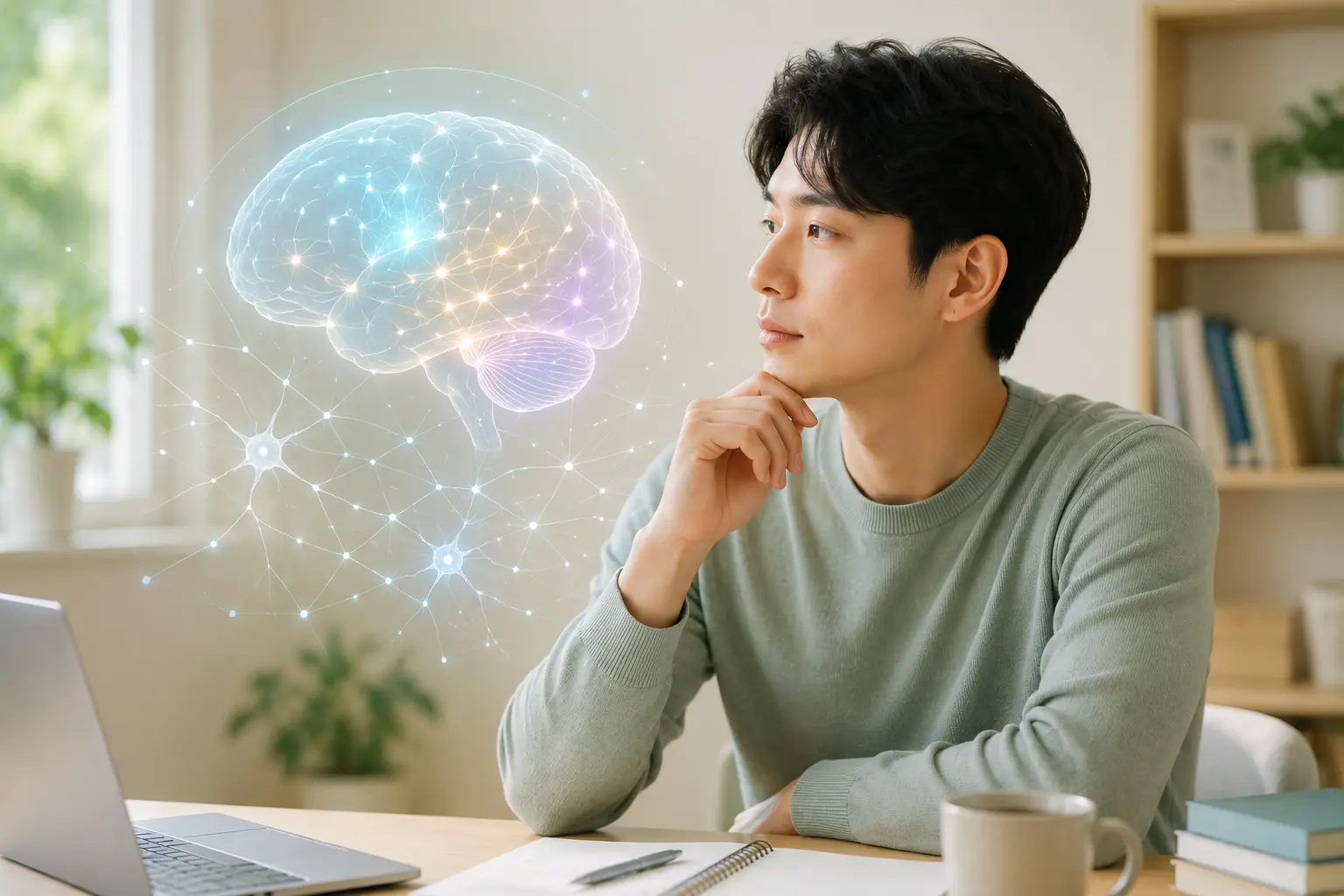
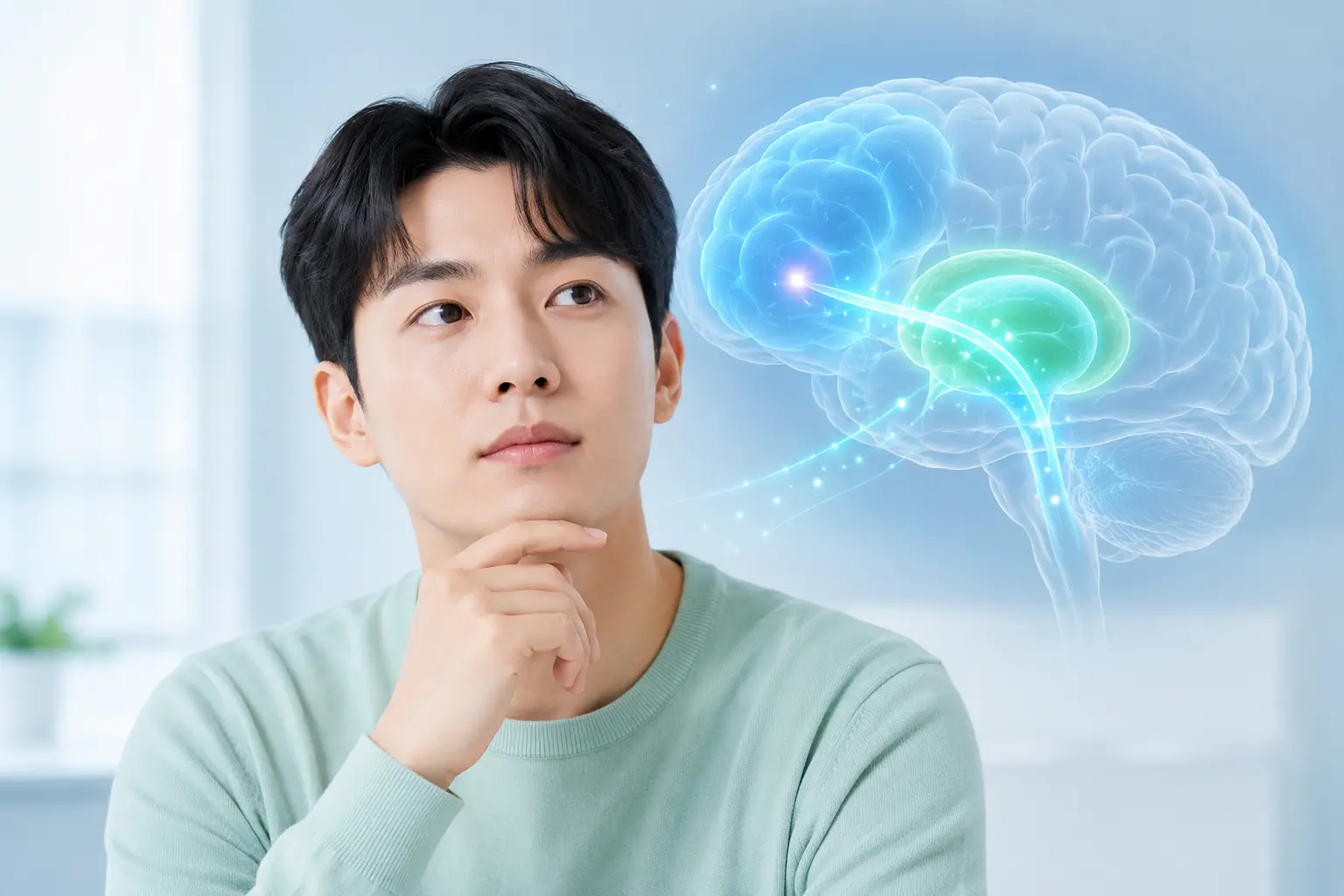
    ADHD symptoms related to brain circuits and executive dysfunction
    Brain circuits and executive dysfunction

    Clinical Features of ADHD Symptoms

    ADHD symptoms are associated with inattention, distractibility, forgetfulness, poor task persistence, impulsive decision-making, and emotional dysregulation. Inattention may appear as difficulty completing tasks, losing important items, overlooking details, or struggling to follow conversations.

    Hyperactivity may be expressed as restlessness, excessive movement, difficulty remaining seated, or a constant sense of internal agitation. In adults, hyperactivity is often described as mental restlessness rather than visible motor activity.

    Impulsivity is considered to be a difficulty in behavioral inhibition. It may appear as interrupting others, making rapid decisions, emotional outbursts, impulsive spending, or difficulty delaying gratification.

    Additional neurodevelopmental research related to attention regulation can be reviewed through National Institute of Mental Health ADHD resources .

    ADHD symptoms associated with emotional dysregulation and stress response
    Emotional dysregulation and stress response

    Neurobiological Causes of ADHD Symptoms

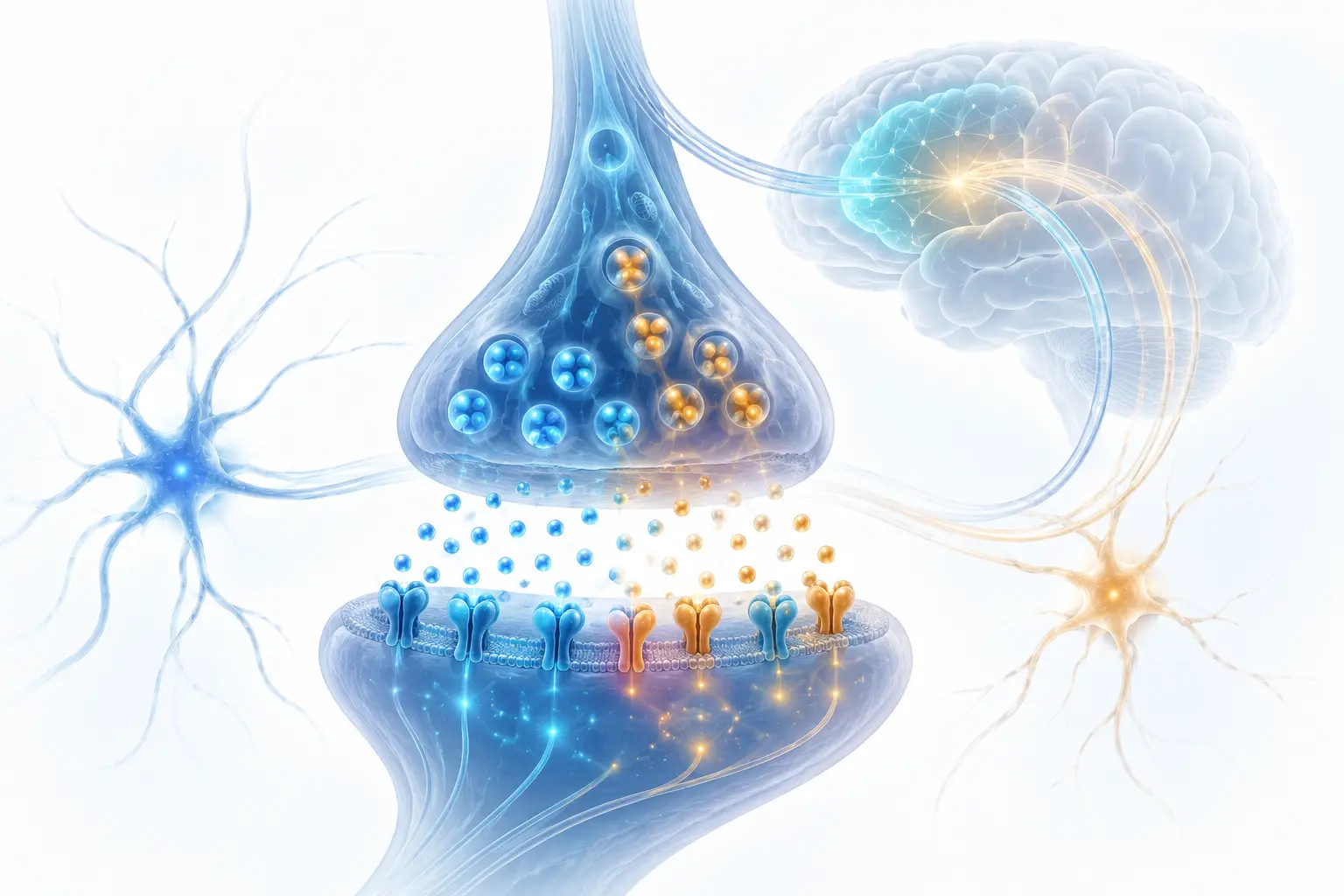
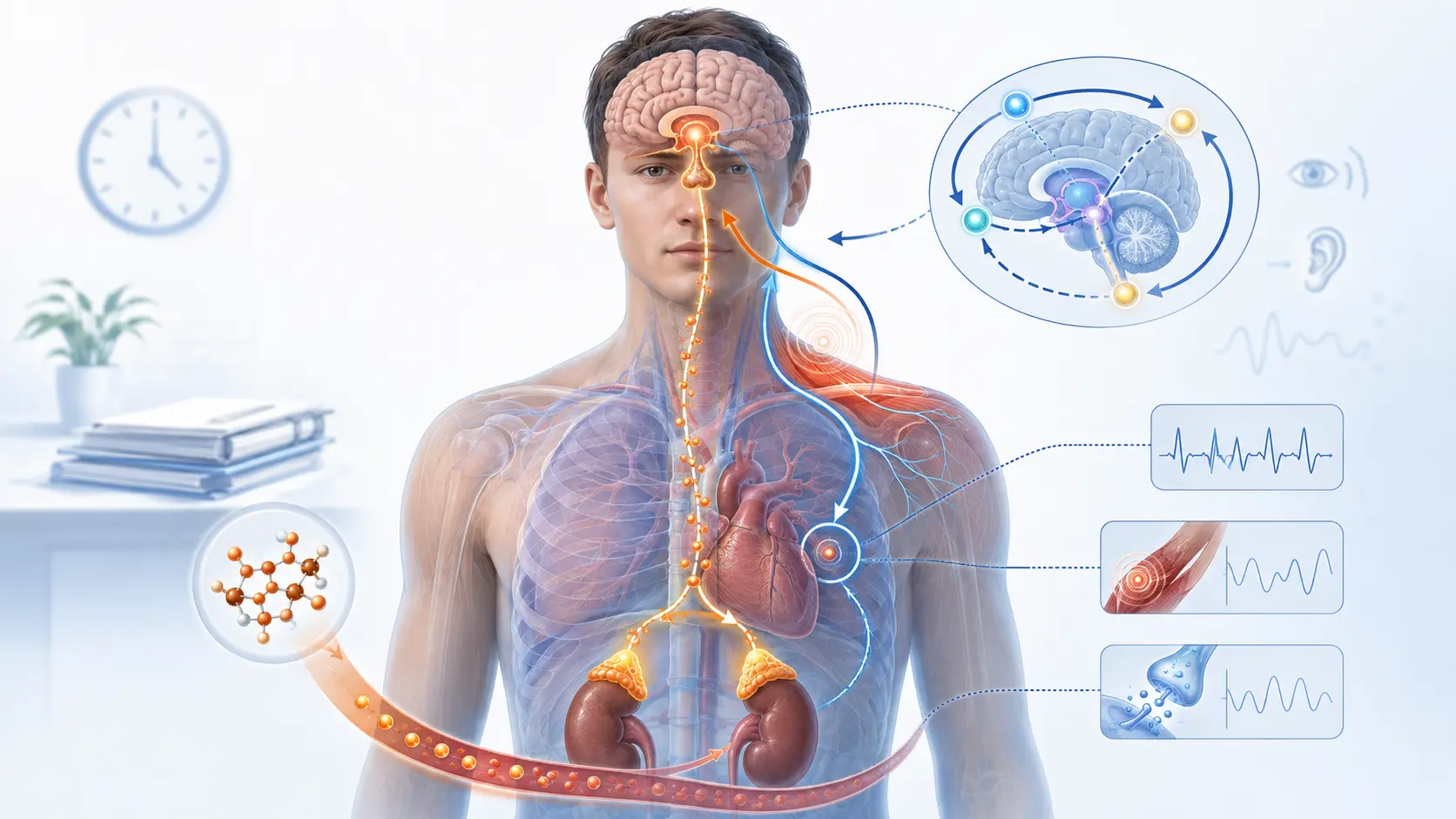
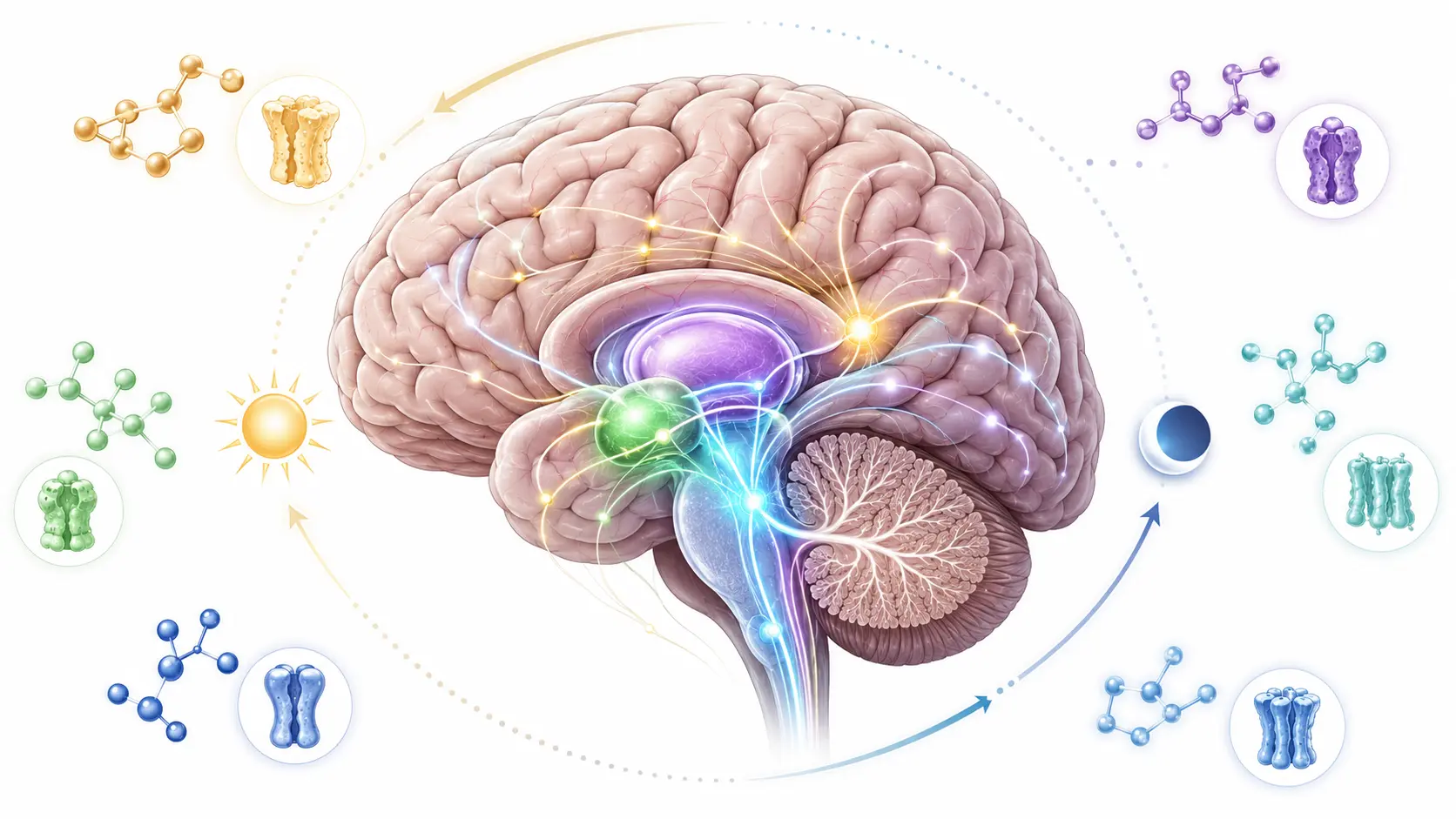
    These symptoms may be explained by altered dopamine and norepinephrine neurotransmission. Dopamine is associated with motivation, reward processing, and attention allocation, while norepinephrine is associated with alertness, working memory, and cognitive control.

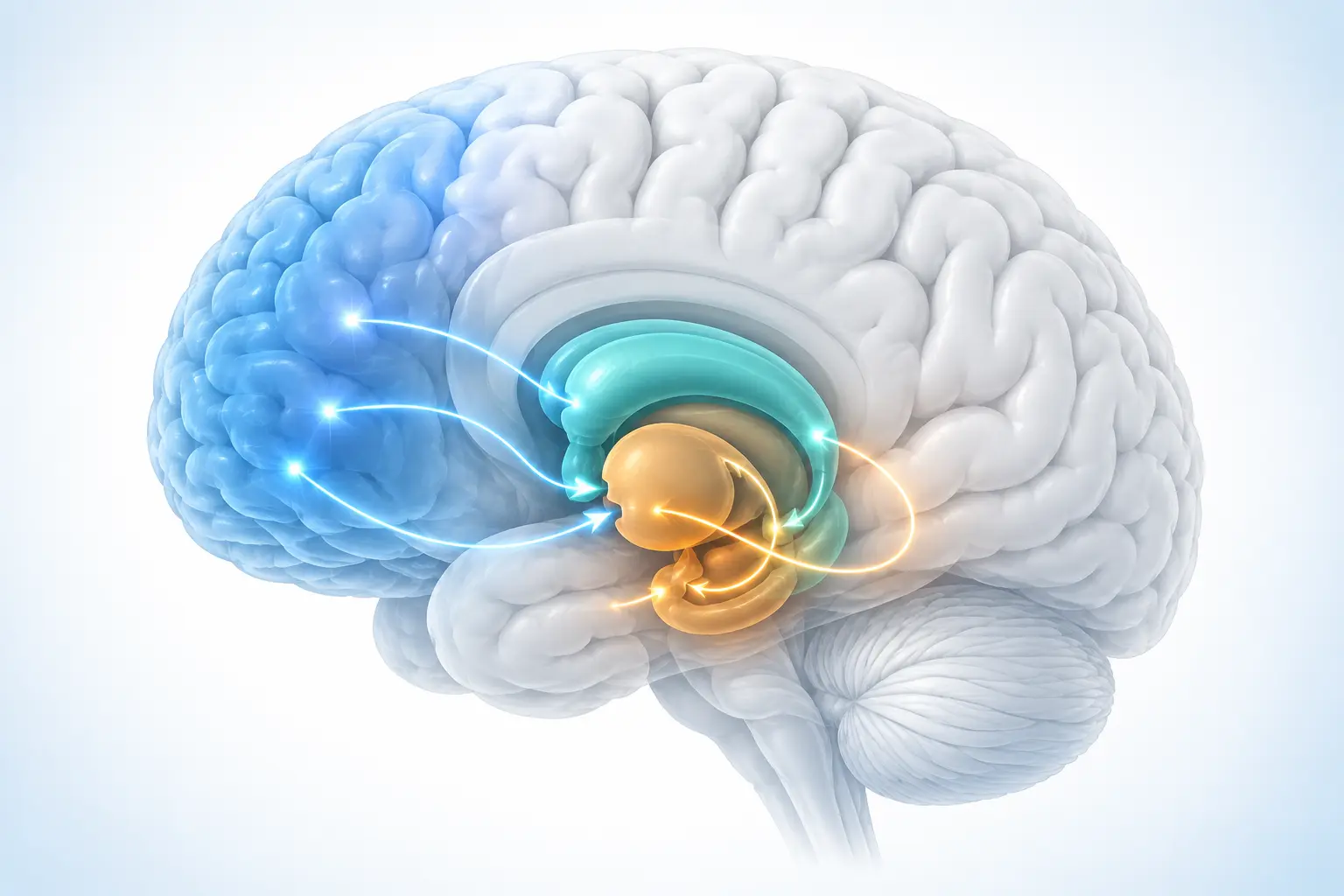
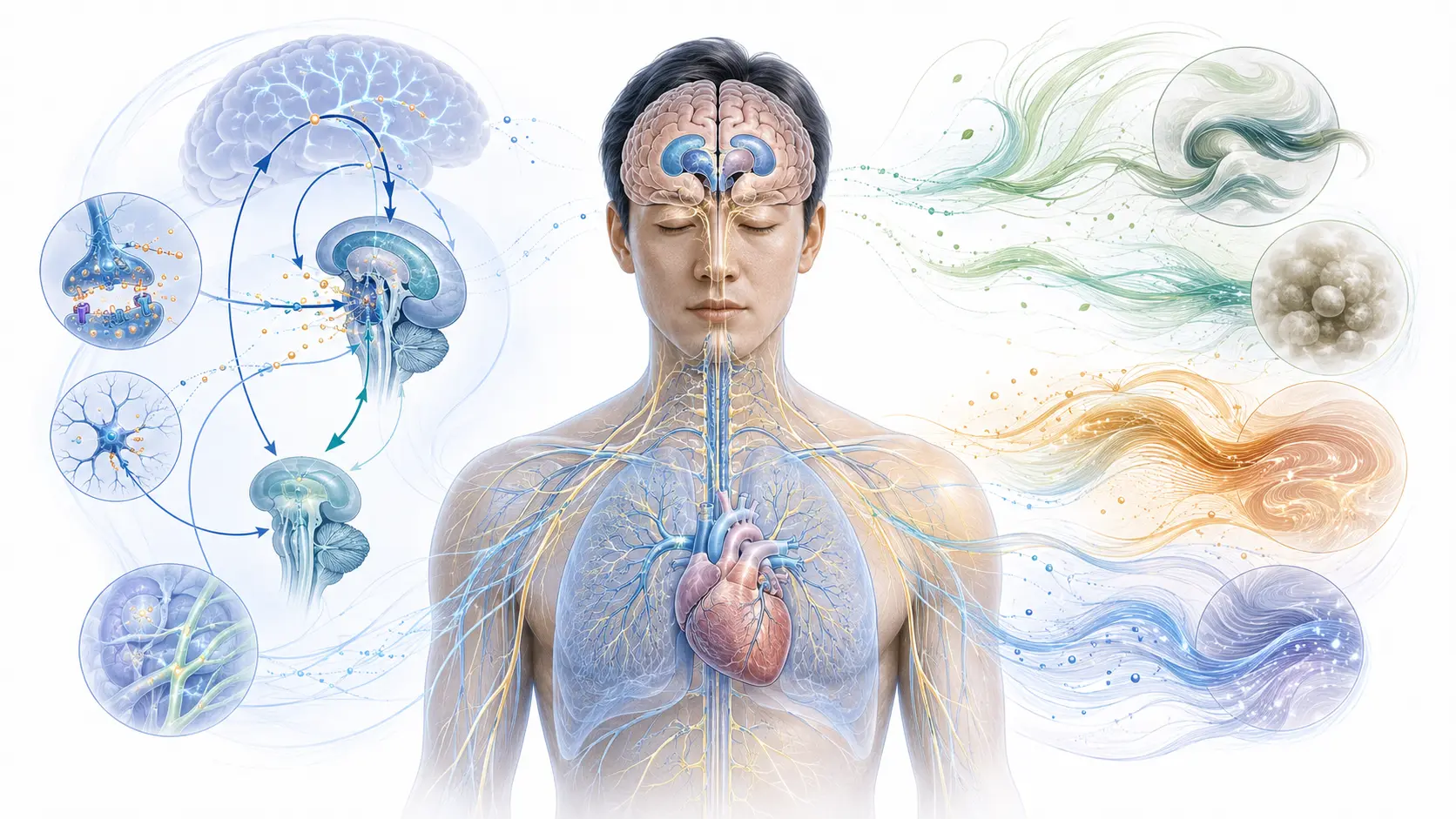
    The prefrontal cortex is involved in executive function, planning, inhibition, and working memory. The basal ganglia, striatum, and fronto-striatal circuits are associated with behavioral regulation, reward sensitivity, and sustained attention.

    Attention deficit manifestations are considered to be related to delayed maturation or functional dysregulation of these neural circuits. Stress, sleep disruption, family environment, academic pressure, and emotional burden may intensify symptom severity.

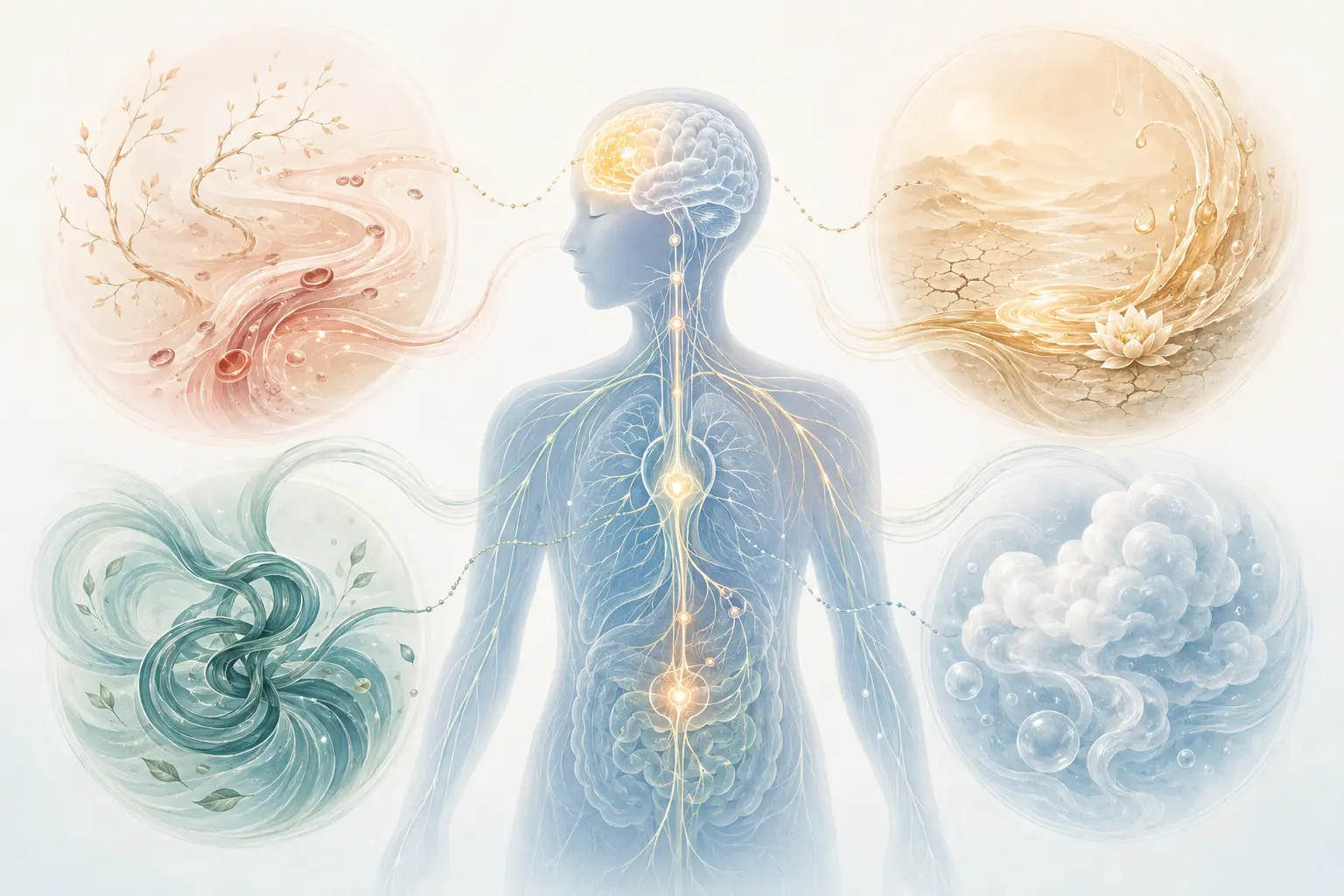
    ADHD symptoms explained through Korean medicine and neuroscience
    Korean medicine and neuroscience perspectives

    Physiological Changes Related to ADHD Symptoms

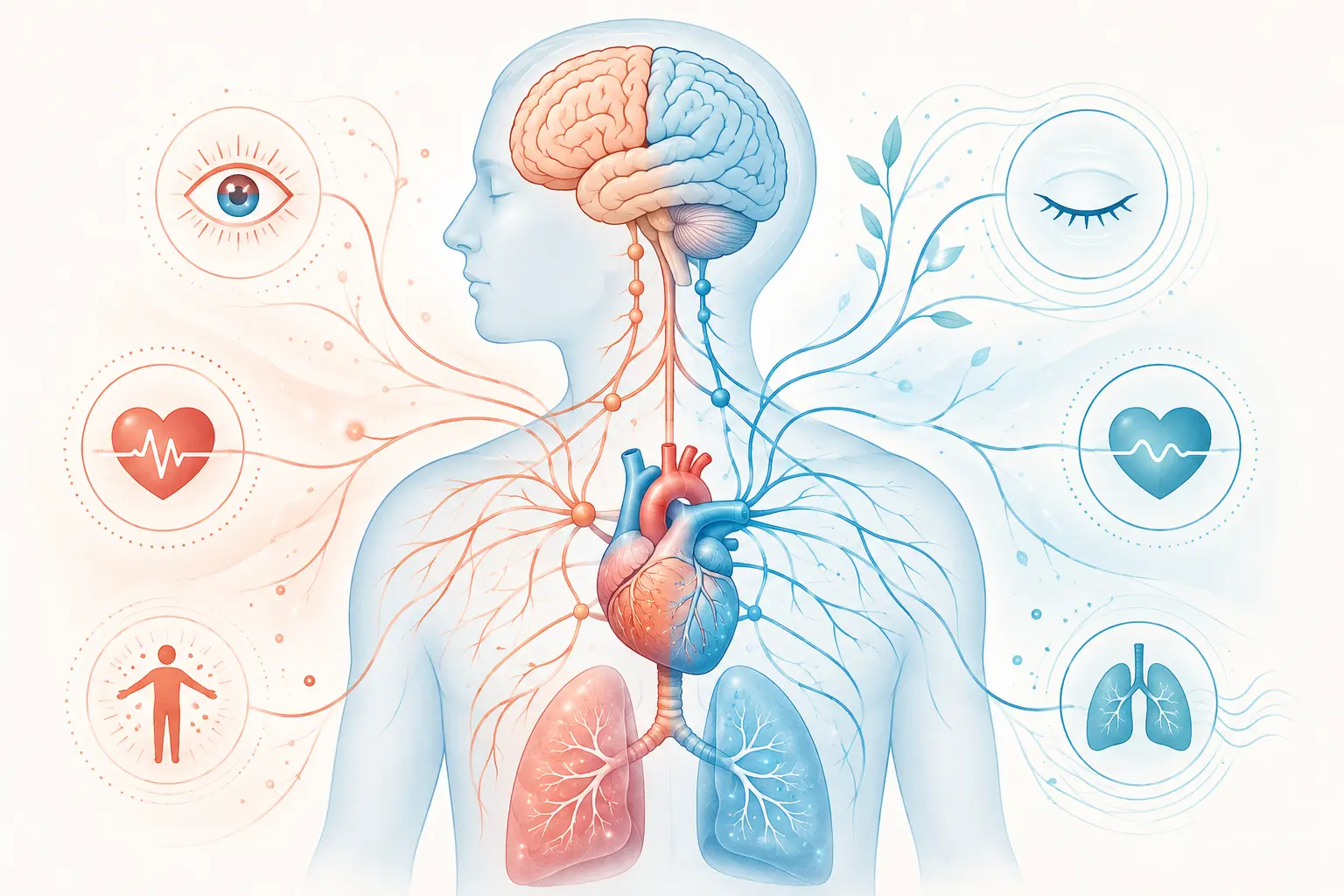
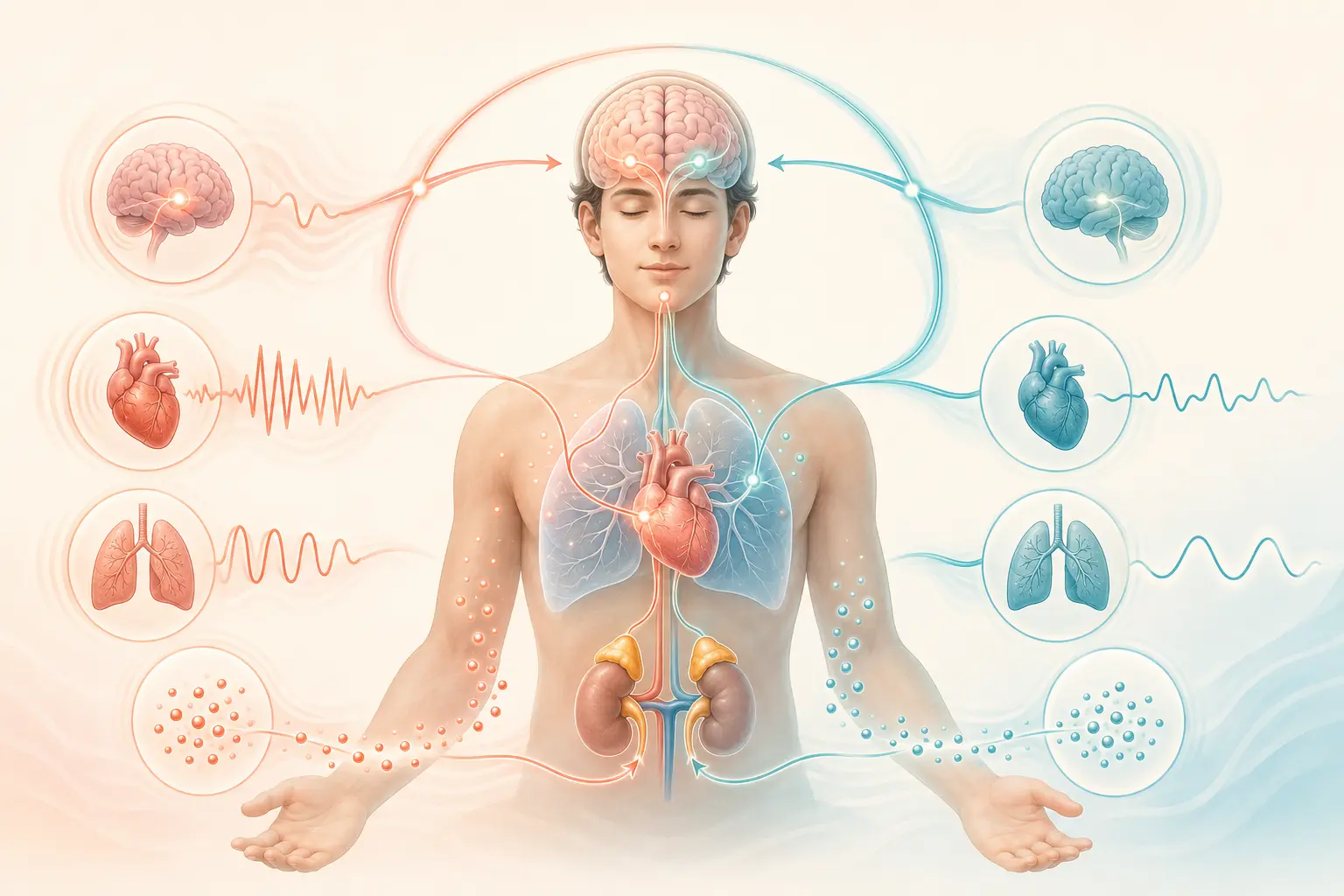
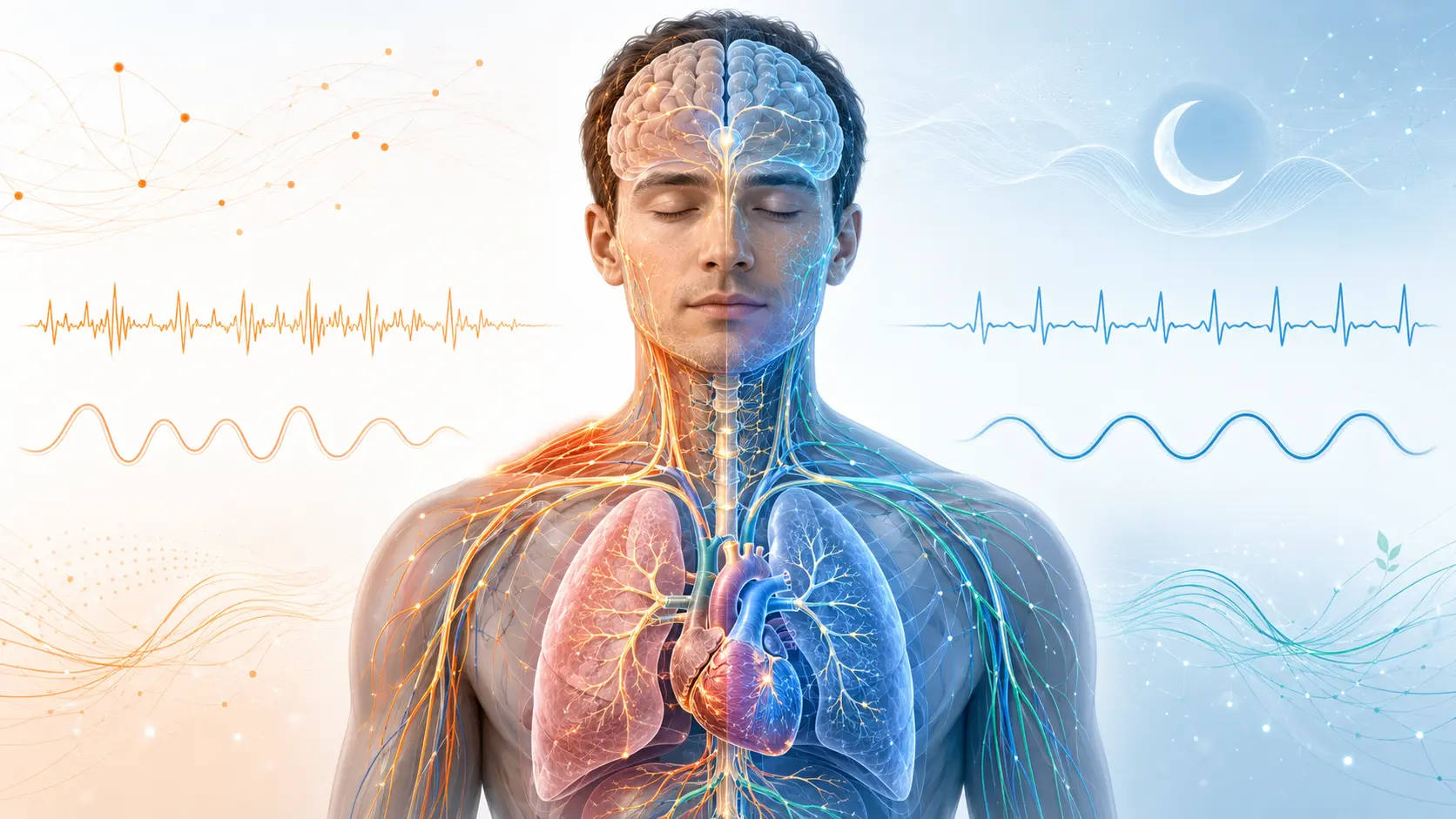
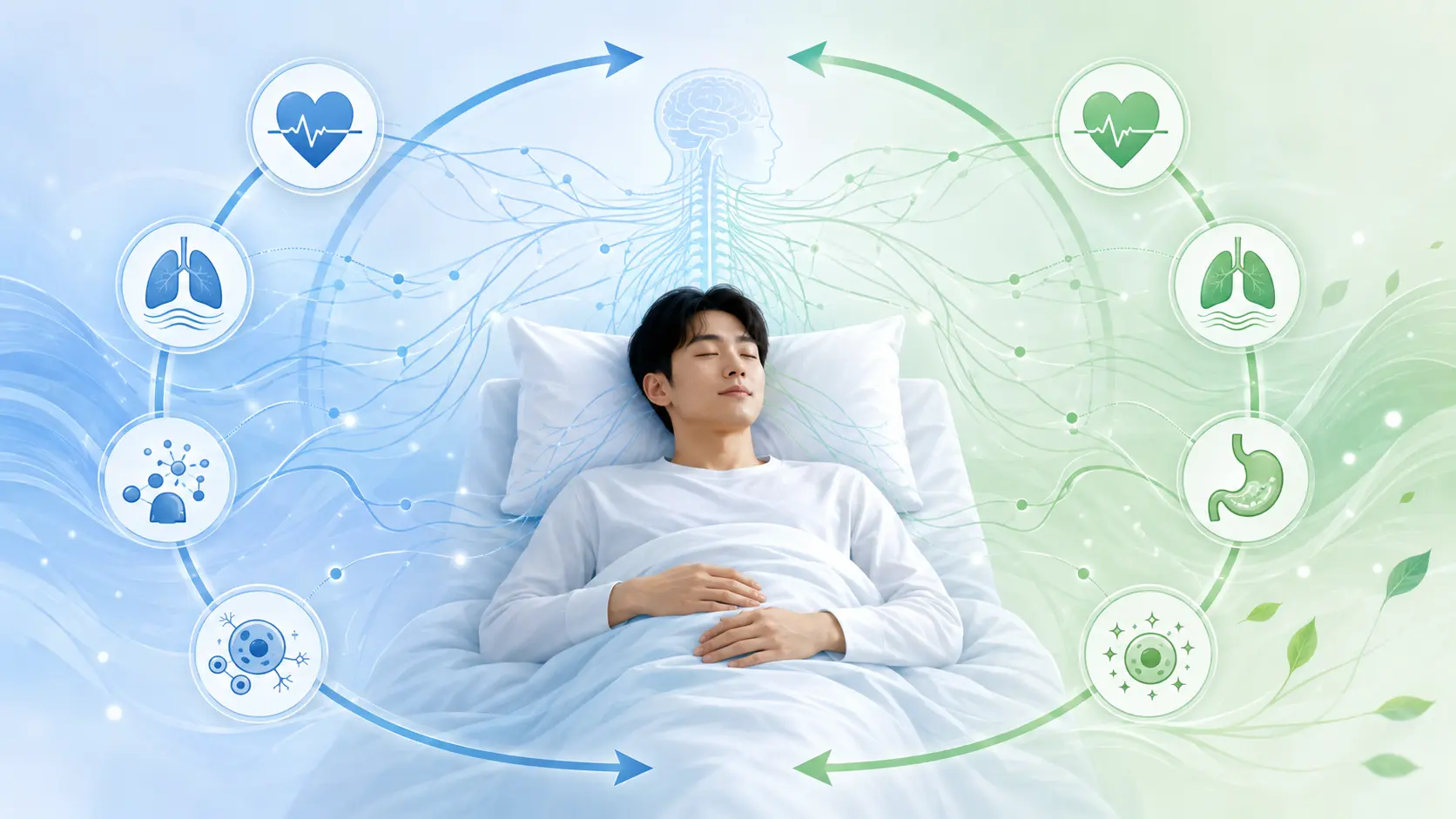
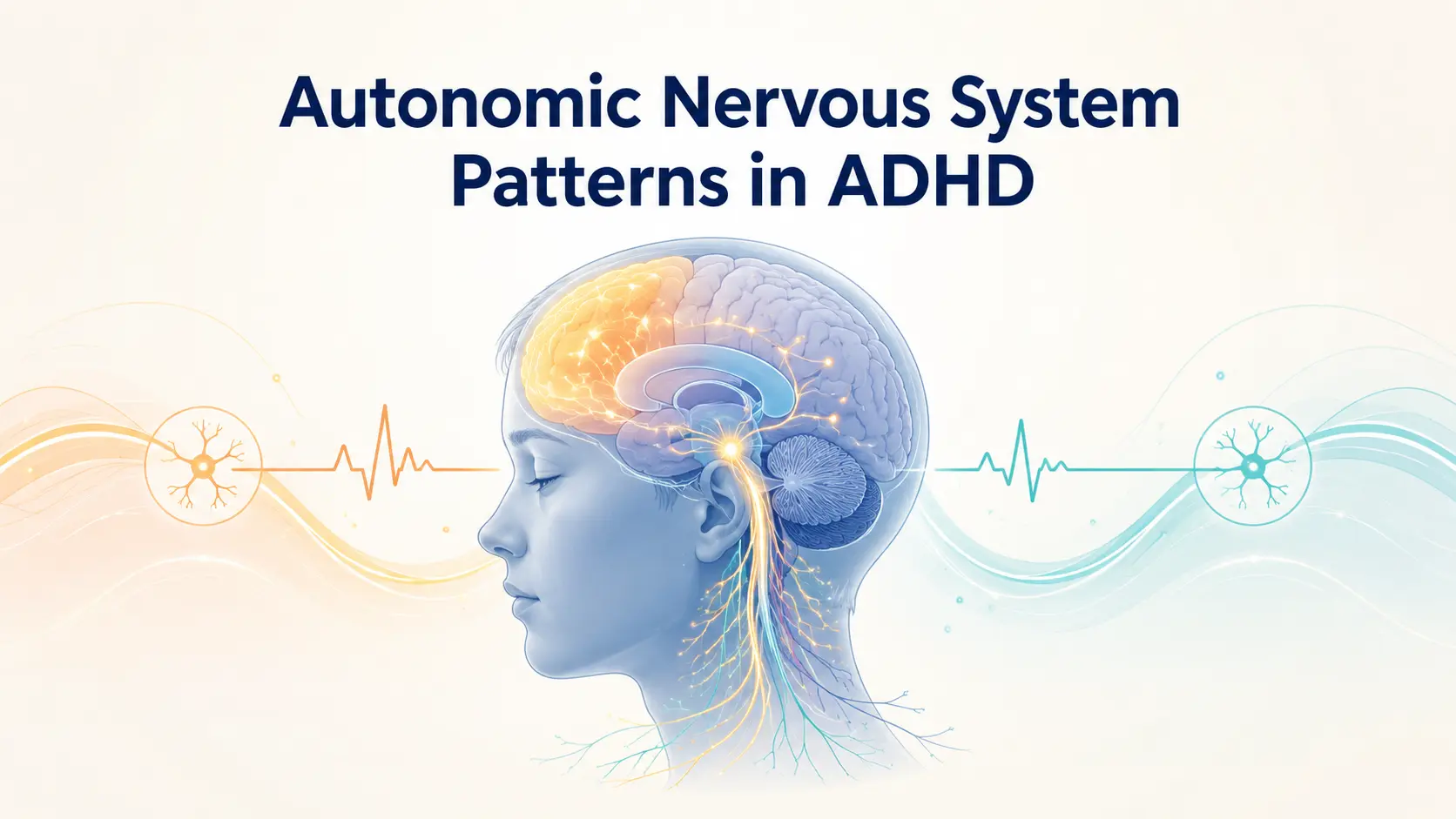
    Behavioral regulation difficulties are associated with autonomic nervous system imbalance, stress-response dysregulation, and altered arousal regulation. Increased sympathetic activation may contribute to restlessness, irritability, sleep disturbance, and emotional reactivity.

    Reduced parasympathetic recovery may make it difficult to calm the body after stress. This physiological pattern may be linked to chronic fatigue, poor sleep quality, sensory sensitivity, and reduced emotional resilience.

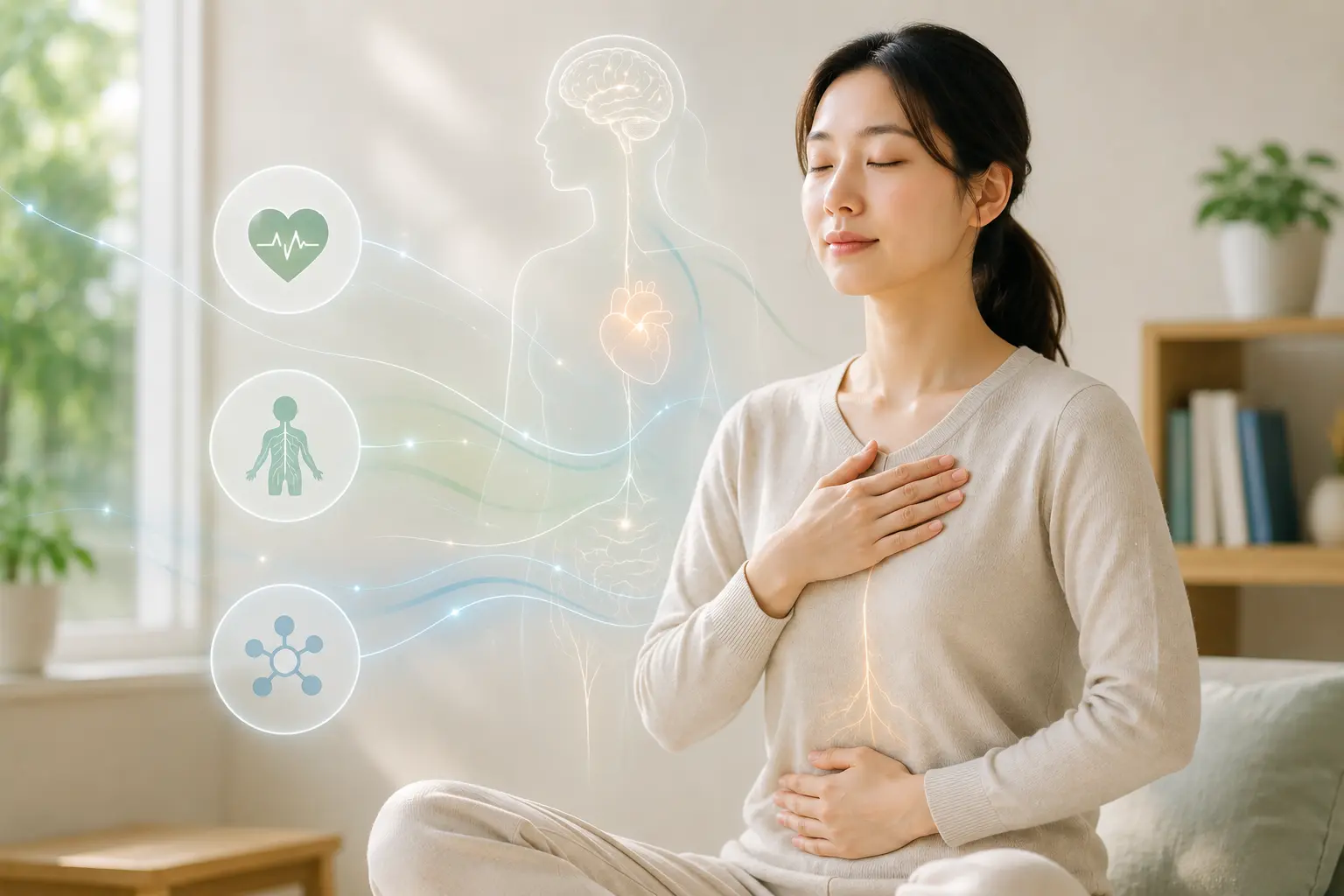
    ADHD symptoms associated with sleep disturbance and autonomic imbalance
    Sleep disturbance and autonomic imbalance

    Korean Medicine Pathophysiology of ADHD Symptoms

    Qi-Blood Deficiency and Attention Regulation

    Qi-blood deficiency is understood as insufficient nourishment of the mind and nervous system. This pattern may be associated with poor concentration, forgetfulness, fatigue, and reduced mental endurance.

    Yin Deficiency and Restlessness

    Yin deficiency is described as a reduced stabilizing and restorative function of the body. It may be linked to sleep disturbance, internal restlessness, emotional sensitivity, and difficulty calming mental activity.

    Liver Qi Stagnation and Emotional Dysregulation

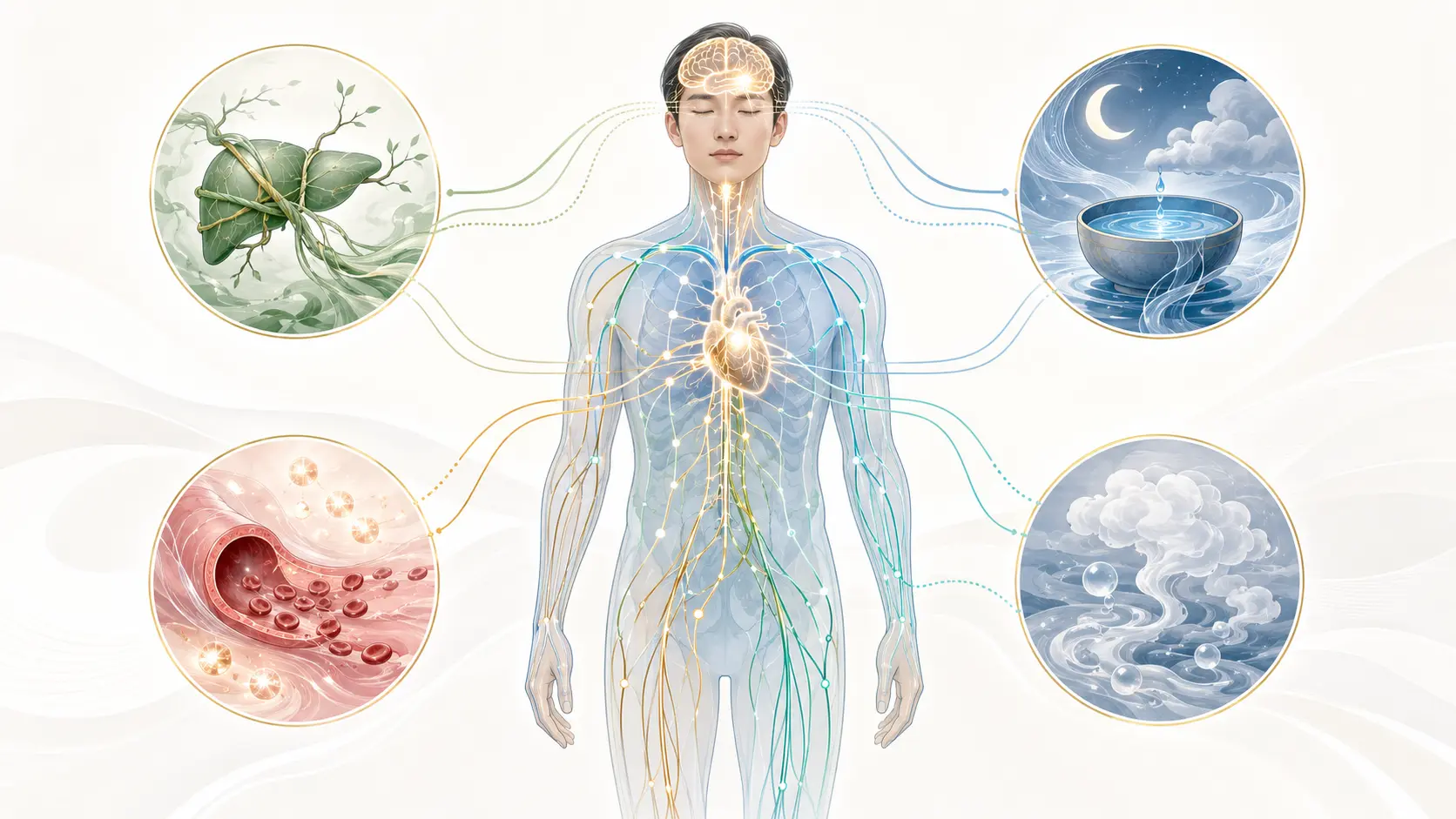
    Liver qi stagnation is associated with emotional frustration, irritability, impulsivity, and irregular attention regulation. From an integrated perspective, this pattern may correspond to stress-related autonomic instability and emotional dysregulation.

    Phlegm Accumulation and Cognitive Clarity

    Phlegm accumulation is understood as a functional obstruction that may reduce mental clarity. It may be associated with distractibility, mental fog, cognitive inconsistency, and unstable attention.

    ADHD symptoms involving executive function impairment and distractibility
    Executive function impairment and distractibility

    Treatment Perspective for ADHD Symptoms

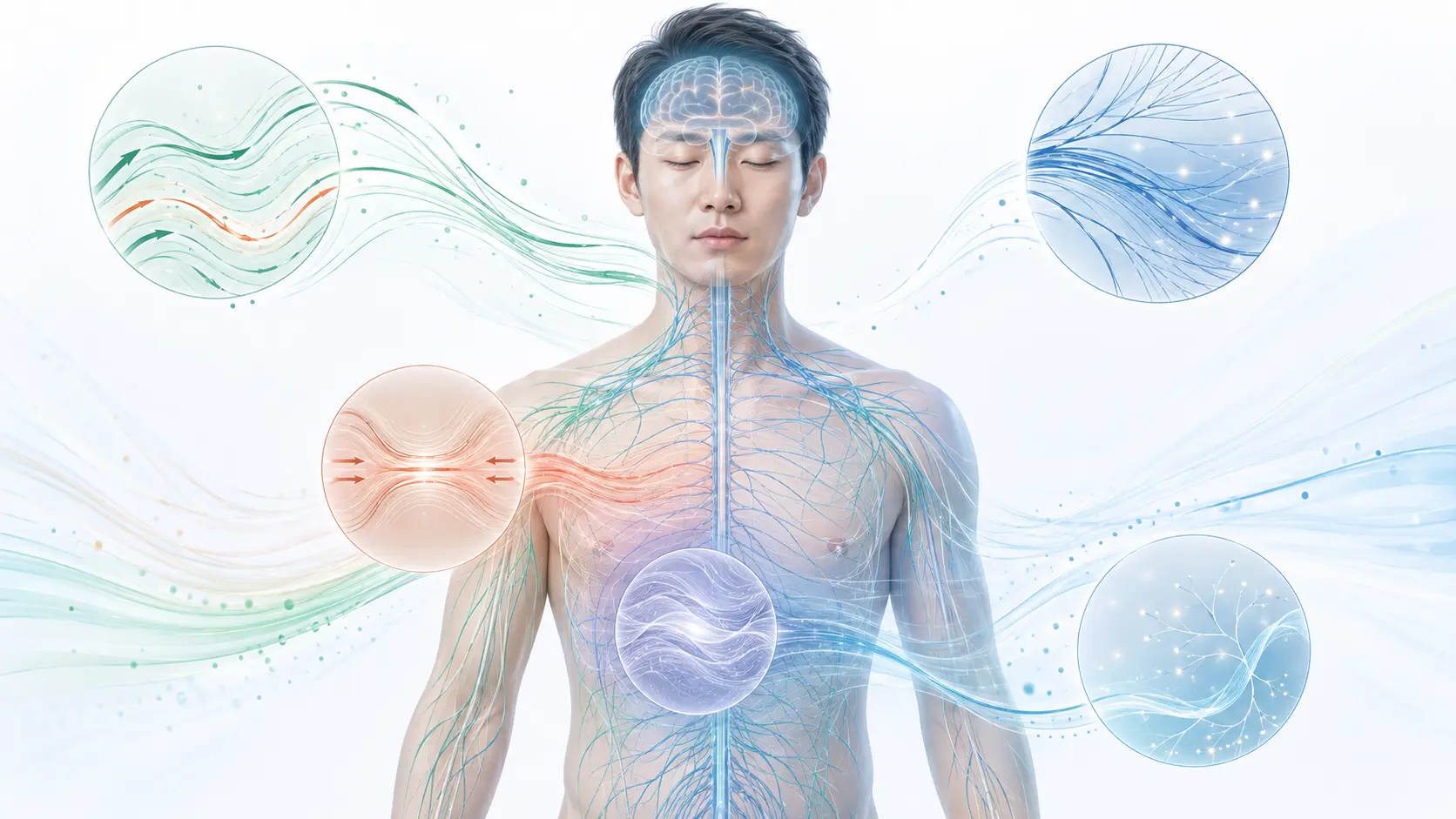
    From the perspective of Korean Medicine Neuropsychiatry, treatment is understood as a process of restoring regulatory balance within the nervous system, emotional system, and physiological stress-response network.

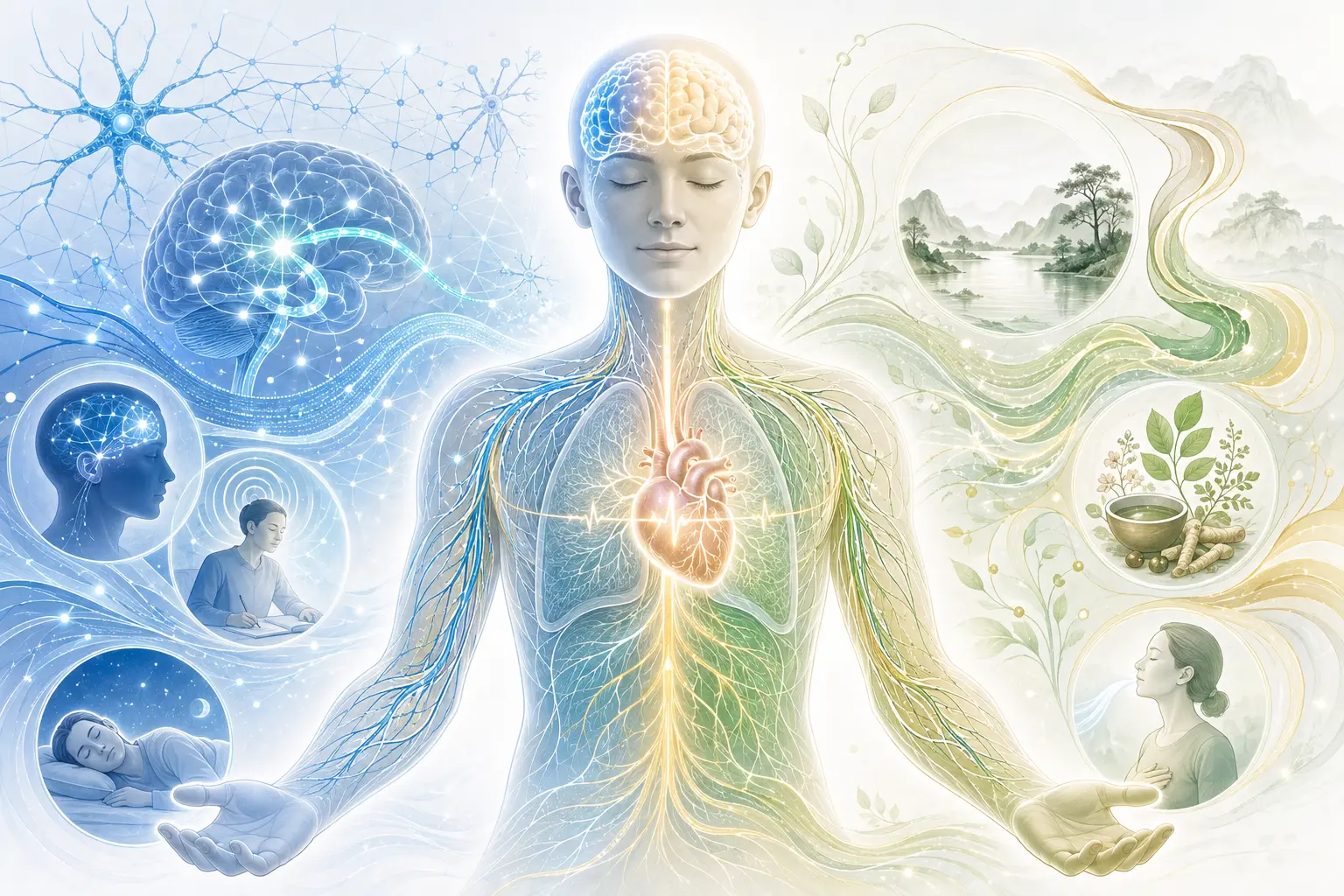
    ADHD symptoms are approached through nervous system regulation, autonomic balance, sleep stabilization, emotional regulation, and gradual recovery of attentional consistency. This perspective integrates modern neuroscience with Korean medicine concepts such as qi-blood deficiency, yin deficiency, liver qi stagnation, and phlegm accumulation.

    Learn more about related neuropsychiatric conditions in panic disorder symptoms .

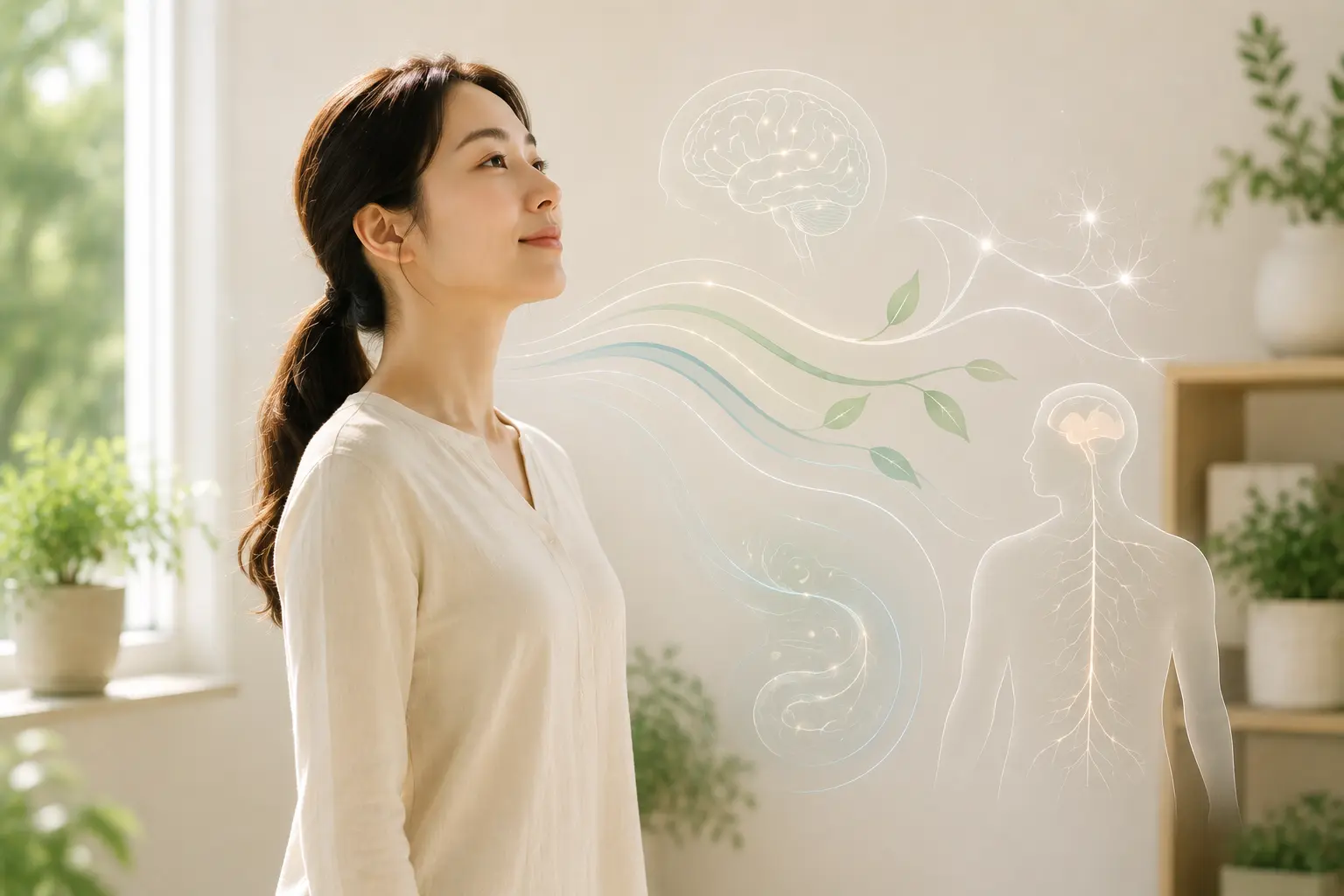
    ADHD symptoms explained through integrative neuroscience and Korean medicine
    Integrated neuroscience and Korean medicine explanation

    Summary of ADHD Symptoms

    ADHD symptoms are described as multidimensional manifestations involving executive dysfunction, dopamine and norepinephrine regulation, fronto-striatal circuit changes, autonomic imbalance, and stress-response vulnerability.

    In Korean medicine, the condition is understood through qi-blood deficiency, yin deficiency, liver qi stagnation, and phlegm accumulation. These patterns are associated with attention regulation, emotional stability, sleep rhythm, and physiological resilience.

    Korean Medicine Neuropsychiatry integrates neuroscience and Korean medicine pathophysiology to explain attention regulation problems, while the Korean Society of Oriental Neuropsychiatry studies these mechanisms through an academic framework involving brain function, autonomic regulation, emotional control, and traditional medical theory.

    FAQ About ADHD Symptoms

    What are the main ADHD symptoms?

    The main ADHD symptoms include inattention, impulsivity, hyperactivity, emotional dysregulation, poor organization, forgetfulness, and difficulty sustaining focus.

    Are adult ADHD symptoms different from childhood symptoms?

    Adult attention-related difficulties often appear as chronic disorganization, time-management difficulty, emotional impulsivity, restlessness, and impaired occupational functioning.

    How are ADHD symptoms explained in Korean Medicine Neuropsychiatry?

    Korean Medicine Neuropsychiatry explains these symptoms through patterns such as qi-blood deficiency, yin deficiency, liver qi stagnation, and phlegm accumulation, while also considering nervous system regulation and stress response.

  • ADHD 증상 4가지와 주요 임상적 특징

    ADHD 증상 4가지와 주요 임상적 특징

    질환 개요

    ADHD 증상은 주의 조절의 어려움, 충동성, 과잉행동이 지속적으로 나타나 학업, 업무, 대인관계에 영향을 주는 신경발달 질환의 주요 특징이다. 대한한방신경정신과학회에서는 ADHD와 같은 정신신경계 질환을 한방신경정신의학 관점에서 연구하고 있다.

    현대 의학에서는 ADHD를 뇌 발달 과정에서 나타나는 주의 조절 기능과 행동 억제 기능의 변화로 설명한다. 한의학에서는 정신 활동과 신체 기능의 균형이 흔들리면서 집중력 저하, 충동성, 안절부절못함이 나타나는 상태로 이해한다.

    주요 증상

    주의력 저하와 실행 기능 문제

    ADHD 증상

    ADHD 증상 중 가장 흔히 관찰되는 것은 주의력 저하이다. 공부나 업무 중 실수가 잦고, 한 가지 일에 오래 집중하기 어렵거나, 해야 할 일을 잊는 모습이 나타날 수 있다.

    ADHD 실행 기능 저하

    실행 기능(Executive Function)은 계획 능력, 행동 억제, 주의 전환, 작업 기억 등을 포함하는 전전두엽(prefrontal cortex) 기반 인지 기능이다. ADHD에서는 이러한 실행 기능의 조절이 원활하지 않아 일정 관리, 업무 완수, 대화 흐름 유지에 어려움이 생길 수 있다.

    성인 ADHD 증상

    ADHD 증상은 개인마다 다르게 나타날 수 있으며, 소아기에는 과잉행동과 충동성이 두드러지는 반면 성인기에는 집중력 저하, 시간 관리의 어려움, 감정 조절 문제로 표현되는 경우가 많다. 따라서 ADHD를 이해할 때에는 단순히 산만한 행동만 보는 것이 아니라 일상 기능, 학업 수행, 직장 생활, 대인관계 변화까지 함께 살펴보는 것이 중요하다.

    성인 ADHD 증상은 외부에서 쉽게 드러나지 않는 경우도 있다. 예를 들어 업무를 시작하기까지 시간이 오래 걸리거나, 여러 일을 동시에 벌여 놓고 마무리하지 못하거나, 약속과 물건을 자주 잊는 양상으로 나타날 수 있다. 이러한 특징은 개인의 노력 부족만으로 설명되기보다 주의 조절 체계와 실행 기능의 변화가 일상생활에 반영된 결과로 이해된다.

    충동성과 과잉행동

    ADHD 충동성

    충동성은 말을 끊거나, 차례를 기다리기 어렵거나, 충분히 생각하기 전에 결정하는 형태로 나타난다. 과잉행동은 소아기에는 뛰어다니거나 가만히 있지 못하는 모습으로 두드러지며, 성인기에는 안절부절못함, 내적 초조감, 쉬는 시간을 견디기 어려운 양상으로 표현되기도 한다.

    발생 원인

    ADHD 스트레스 반응

    ADHD는 단일 원인으로 설명되기보다 신경생물학적 변화, 유전적 요인, 스트레스, 생활 환경이 복합적으로 관여하는 것으로 알려져 있다. 수면 부족, 불규칙한 생활, 지속적인 긴장 환경은 주의력과 감정 조절을 더 어렵게 만들 수 있다.

    또한 ADHD의 집중력 문제는 단순한 의지 부족이나 성격 문제가 아니라 뇌 발달 과정과 관련된 신경발달 특성(neurodevelopmental characteristic)으로 이해된다.

    현대 의학적 이해

    ADHD의 실행 기능과 전전두엽(prefrontal cortex)

    ADHD 전전두엽 신경회로

    현대 의학에서는 ADHD를 전전두엽(prefrontal cortex), 기저핵(basal ganglia), 선조체(striatum)를 포함한 전두-선조체 회로(fronto-striatal circuit)의 조절 변화와 관련지어 설명한다. 이 회로는 주의 조절, 행동 억제, 보상 판단, 작업 기억과 관련된다.

    도파민(dopamine)과 노르에피네프린(norepinephrine) 같은 신경전달물질의 조절 변화도 ADHD 증상과 관련되는 것으로 설명된다. 이러한 신경계 조절 변화는 한의학에서 설명하는 기혈양허, 간신음허, 심간열성과 기능적으로 연결되는 측면이 있다고 해석되기도 한다.

    한의학적 병리 이해

    한의학에서는 이러한 상태를 정서 변화와 신체 기능 균형의 관점에서 설명한다. 특히 스트레스 반응, 신경계 긴장, 자율신경 균형 변화와 같은 상태가 신체 기능과 정서 반응에 영향을 미치는 과정으로 해석되기도 한다.

    간신음허(肝腎陰虛)는 간과 신의 음적 기능이 부족해 정신 활동을 안정적으로 지지하지 못하는 상태로 설명된다. 간신음허가 지속되면 신경계가 쉽게 피로해지고 주의 유지가 어려워지며, 산만함이나 집중력 저하로 이어질 수 있다.

    심간열성(心肝熱盛)은 심과 간의 기능적 열이 높아져 정서적 긴장과 행동 조절의 어려움이 나타나는 병리 개념이다. 심간열성은 신경계 흥분성과 연결되어 충동성, 과잉행동, 쉽게 짜증이 나는 반응과 관련해 설명될 수 있다.

    기혈양허(氣血兩虛)는 인지 활동을 뒷받침하는 신체 에너지와 영양적 기반이 부족한 상태로 이해된다. 기혈양허가 있으면 작업 기억과 집중 유지가 약해지고, 피로감과 무기력으로 인해 과제를 끝까지 수행하기 어려운 양상이 나타날 수 있다.

    한의학적 치료 접근

    ADHD 치료 접근

    한의학 치료에서는 신경계 안정과 자율신경 균형 회복을 중요한 치료 목표로 설명한다. 침 치료와 한약 치료 등 한의학적 치료 방법이 활용될 수 있으며, ADHD 증상 조절과 과도한 긴장 반응 완화를 목표로 접근한다.

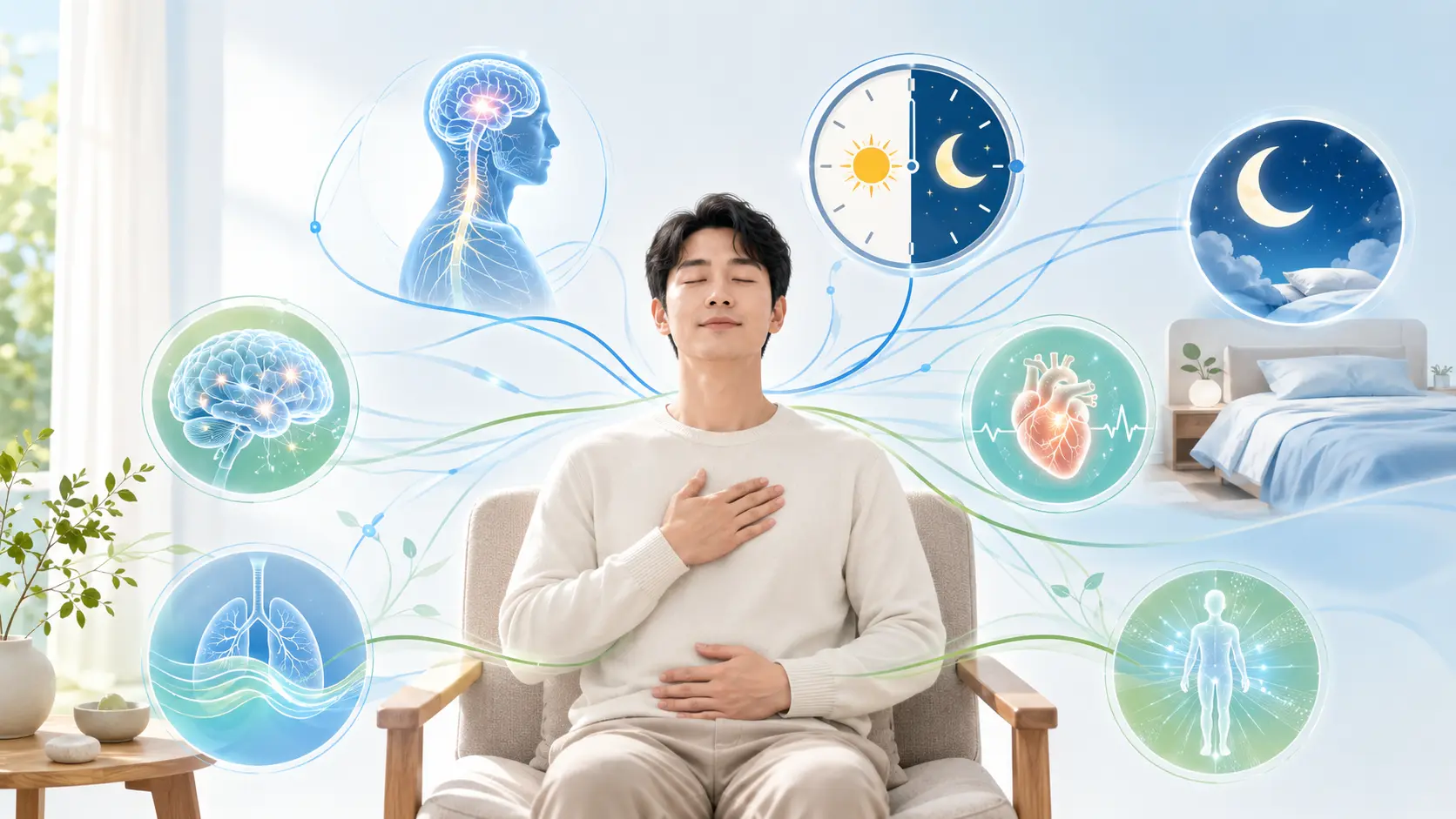
    치료 접근은 기혈 순환 개선, 신체 회복 과정 조절, 수면과 생활 리듬 안정, 정서 반응 조절을 함께 고려한다. 또한 호흡, 이완, 생활 관리와 같은 방법은 자율신경 조절과 일상 기능 회복을 돕는 보조적 관리로 설명될 수 있다.

    정리

    ADHD 증상은 주의력 저하, 충동성, 과잉행동을 중심으로 나타나는 신경발달 질환의 특징이며, 전전두엽과 전두-선조체 회로의 조절 변화와 관련해 이해된다. 한방신경정신의학에서는 ADHD를 신경계 조절, 정서 반응, 신체 기능 균형의 변화가 함께 나타나는 상태로 보고, 증상과 생활 기능을 종합적으로 살피는 접근을 중요하게 설명한다.

  • 7 Tic Disorder Symptoms: Clinical Features and Neuropsychiatric Mechanisms

    7 Tic Disorder Symptoms: Clinical Features and Neuropsychiatric Mechanisms

    7 Tic Disorder Symptoms: Clinical Features and Neuropsychiatric Mechanisms

    Tic disorder symptoms include sudden repetitive motor movements and involuntary vocalizations associated with nervous system dysregulation, dopamine imbalance, and stress-related autonomic activation. Modern neuroscience explains tic disorders through basal ganglia dysfunction and fronto-striatal abnormalities, while Korean medicine understands the condition through liver wind, qi stagnation, and phlegm accumulation.

    Overview

    Tic disorders are neurodevelopmental conditions characterized by sudden, repetitive, nonrhythmic motor movements or vocalizations occurring involuntarily or semi-voluntarily. Tic disorder symptoms include motor tics, vocal tics, sensory urges, and fluctuating behavioral manifestations influenced by stress and emotional regulation.

    Modern medicine explains tic disorders as dysfunction involving basal ganglia circuits, dopamine regulation, and impaired inhibitory control within fronto-striatal pathways. In Korean medicine, the condition is understood as internal liver wind and disturbed qi circulation affecting neurological stability and emotional balance.

    Tic symptoms are described as fluctuating neurological manifestations that may worsen during emotional stress, sleep deprivation, or autonomic hyperarousal. Korean Medicine Neuropsychiatry studies tic disorders through integrated interpretations connecting nervous system dysregulation with qi imbalance and emotional stress responses.

    The Korean Society of Oriental Neuropsychiatry investigates how neural circuit dysfunction and Korean medicine pathophysiology may together explain tic disorder symptoms and long-term neuropsychiatric adaptation.

    Integrated neuroscience and Korean medicine understanding of tic disorders
    Integrated neuropsychiatric interpretation of tic disorders and nervous system regulation.

    Clinical Features

    Motor Tic Symptoms

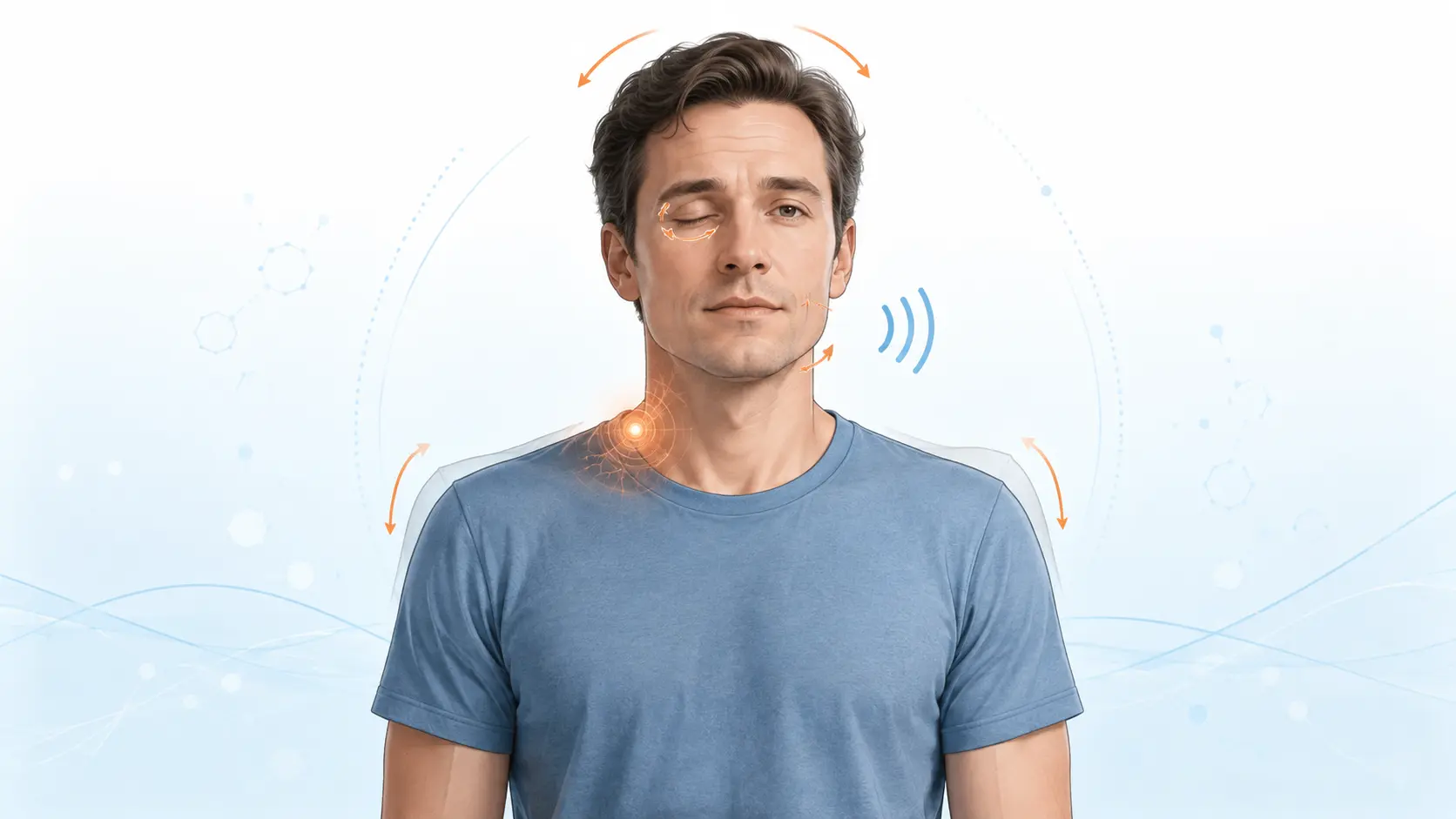
    Tic disorder symptoms commonly begin with simple motor tics involving rapid repetitive muscle movements. These symptoms frequently include eye blinking, facial grimacing, nose twitching, shoulder shrugging, and head jerking.

    Motor tics are described as sudden involuntary movements that may temporarily decrease during concentration but intensify during fatigue or psychological stress. Persistent tic manifestations may fluctuate according to emotional stress, sleep quality, and nervous system regulation.

    Medical illustration of motor tic symptoms and basal ganglia neural circuits
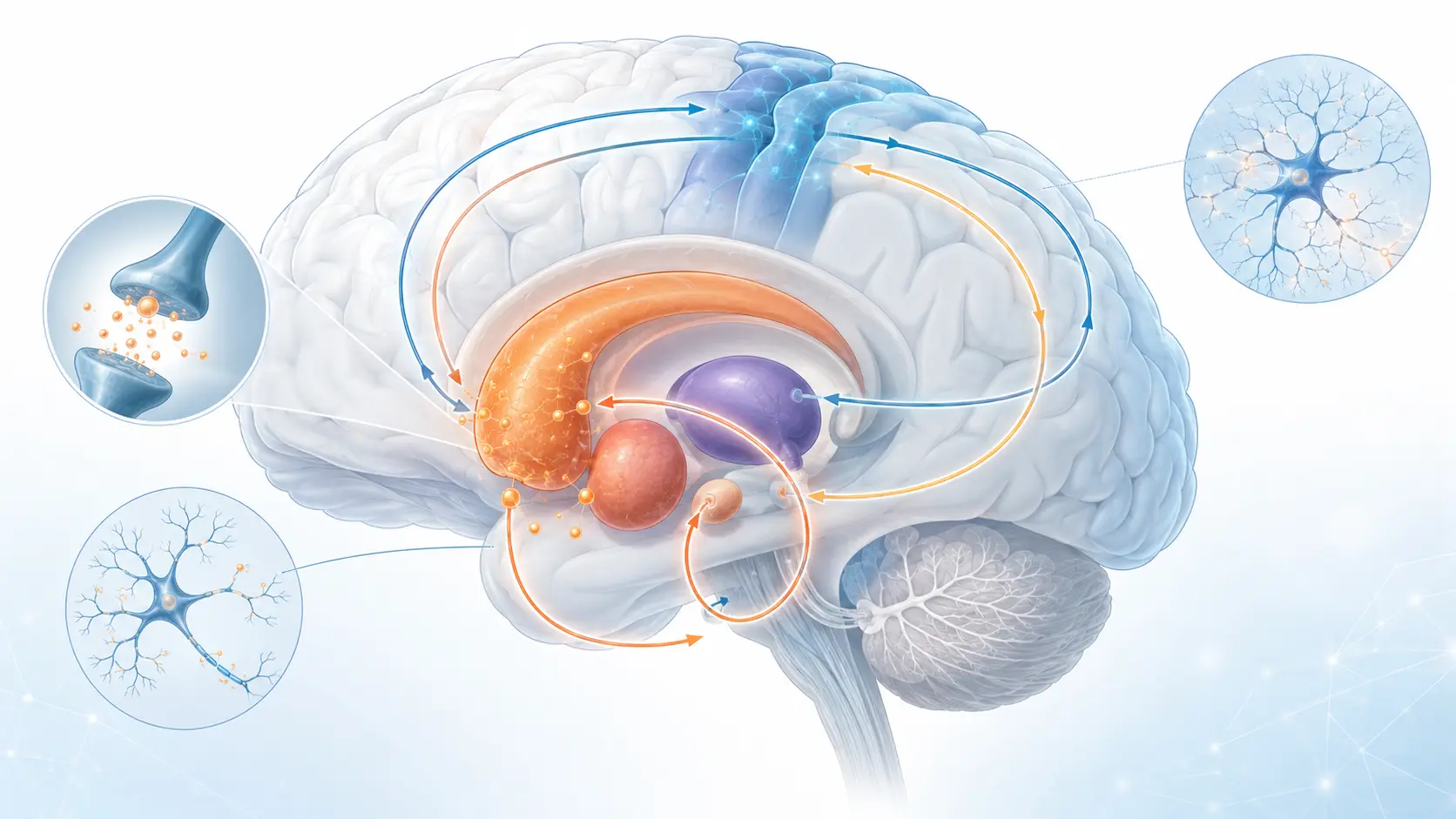
    Motor tic symptoms are associated with basal ganglia and fronto-striatal motor pathways.

    Vocal Tic Symptoms

    Vocal tic disorder symptoms include throat clearing, sniffing, coughing, grunting, and repetitive vocal sounds. More complex vocal tics may involve repeated words or involuntary phrases.

    These symptoms are associated with abnormalities in inhibitory control systems involving the frontal cortex and basal ganglia. Individuals often report premonitory urges described as uncomfortable internal sensations relieved temporarily after performing the tic.

    Illustration of vocal tic symptoms and neuropsychiatric regulation mechanisms
    Vocal tic symptoms may involve dysregulated inhibitory neural control mechanisms.

    Behavioral and Emotional Features

    Many individuals with tic-related symptoms also experience anxiety, irritability, obsessive tendencies, emotional dysregulation, and attentional difficulties. Tic disorders are associated with ADHD, obsessive-compulsive disorder, and anxiety-related neuropsychiatric conditions.

    Early recognition of tic-related symptoms may support improved neuropsychiatric management and functional adaptation in educational and social environments.

    Related neuropsychiatric conditions may also influence motor and vocal tics. Learn more about ADHD and executive function through Korean Medicine Neuropsychiatry perspectives.

    Etiology

    Tic disorder symptoms are strongly associated with dysfunction involving basal ganglia circuits, the striatum, and fronto-striatal neural pathways responsible for motor inhibition and behavioral regulation.

    Dopamine dysregulation is considered to be a major neurobiological mechanism contributing to tic disorders. Increased dopaminergic sensitivity within the striatum may increase motor excitability and reduce inhibitory control.

    Tourette syndrome is considered to be a representative tic disorder characterized by multiple motor tics and at least one vocal tic persisting for more than one year.

    Visualization of Tourette syndrome and dopamine pathway dysregulation
    Tourette syndrome is associated with dopamine dysregulation and abnormal motor circuit activity.

    Stress is strongly associated with worsening motor and vocal tics. Emotional conflict, academic pressure, sleep deprivation, and autonomic hyperarousal may increase tic frequency and symptom severity.

    Physiological System Changes

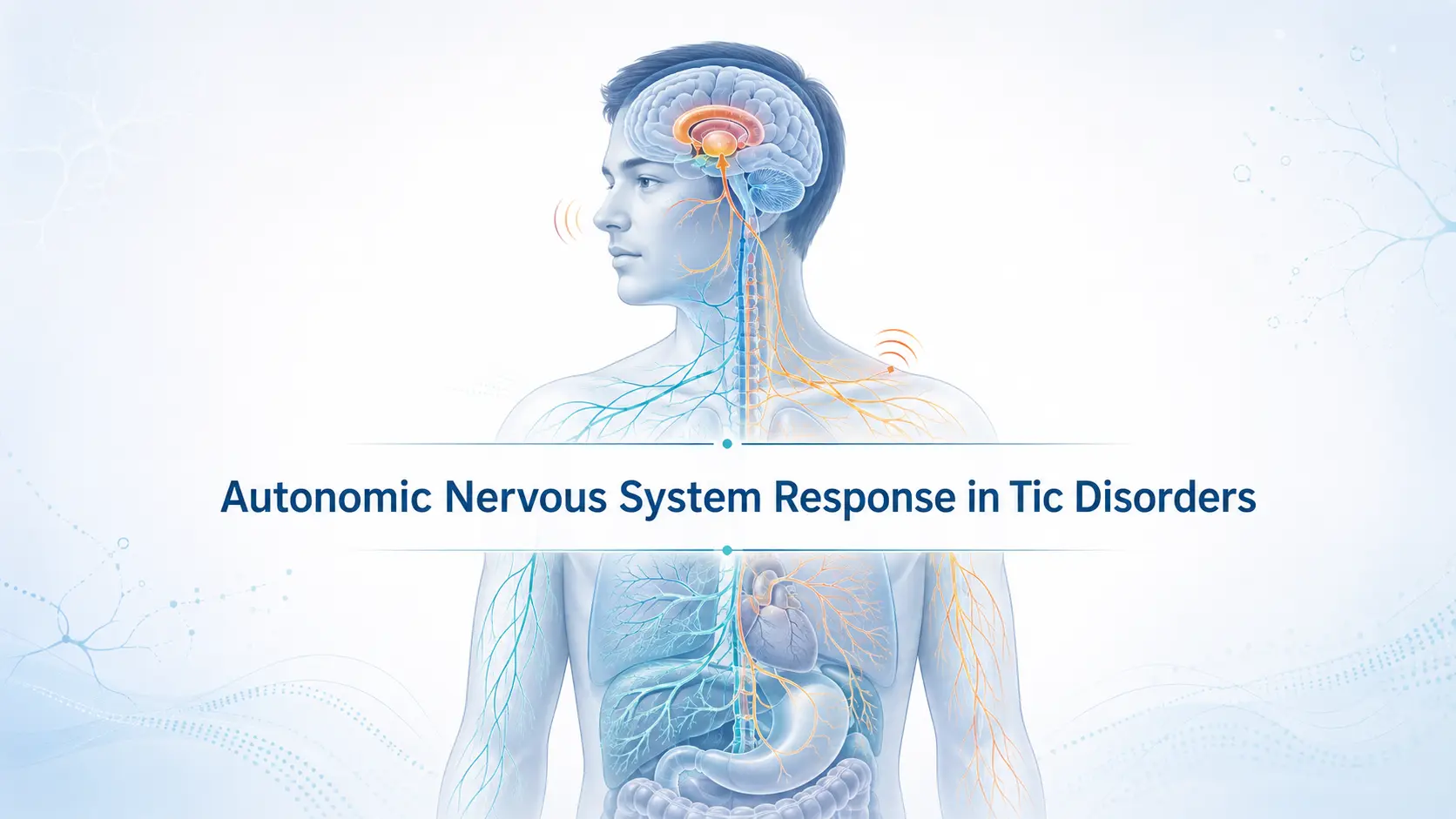
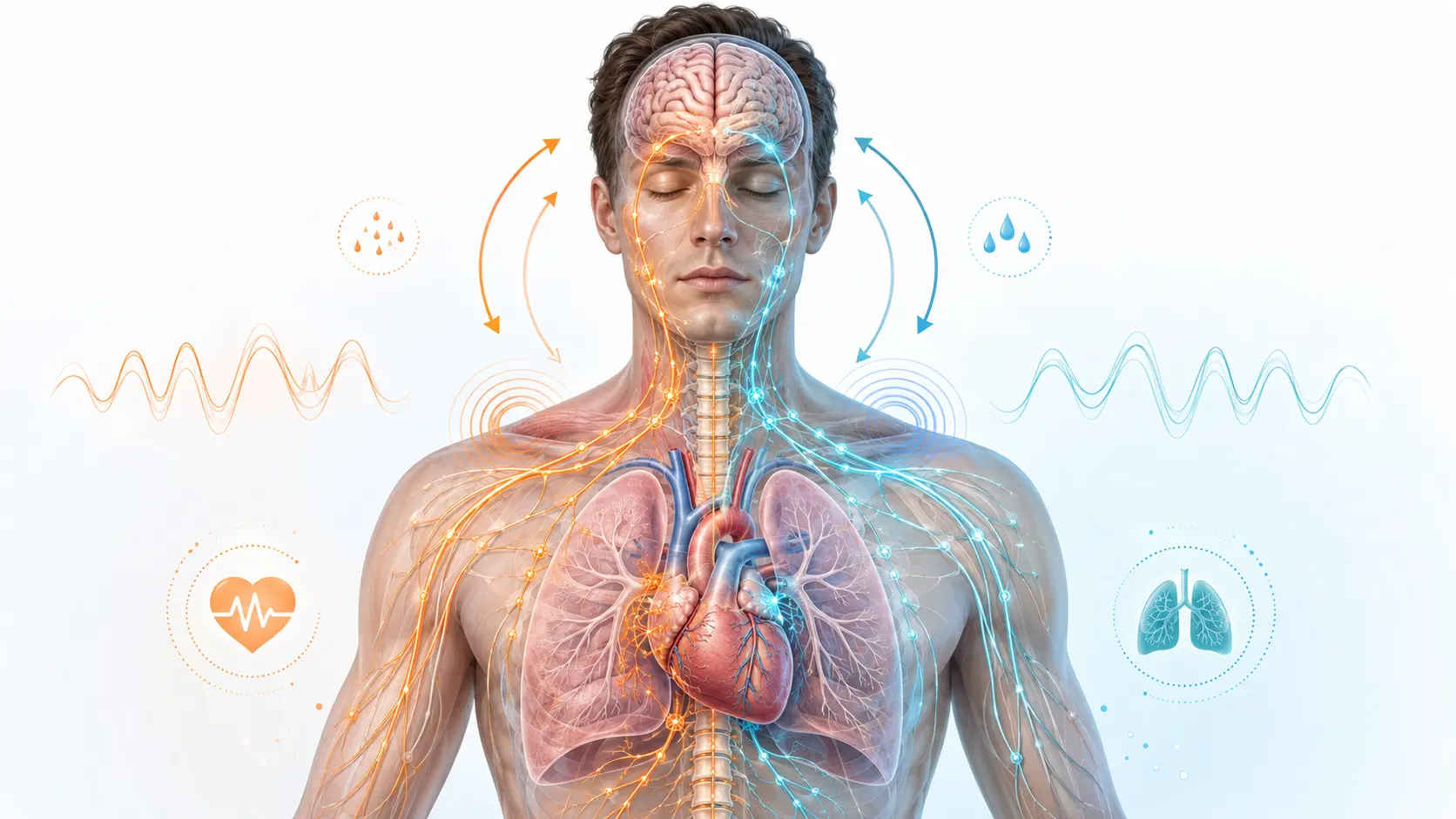
    Tic manifestations are associated with autonomic nervous system instability involving increased sympathetic activation and heightened physiological arousal.

    Stress hormones including cortisol may influence neural excitability, emotional regulation, and dopamine signaling. Chronic stress exposure may therefore contribute to worsening motor and vocal tic symptoms.

    Illustration of stress response worsening tic disorder symptoms
    Stress response and autonomic hyperarousal may aggravate tic symptoms.

    Modern neuroscience explains these physiological responses through stress-related dysregulation of inhibitory neural circuits. In Korean medicine, this pattern is understood as liver qi stagnation transforming into internal wind affecting neurological regulation.

    Korean Medicine Pathophysiology

    Liver wind is associated with sudden involuntary movement, neuromuscular instability, and emotional agitation. This concept may be linked to excessive neural excitability and autonomic hyperarousal.

    Phlegm accumulation is understood as pathological obstruction affecting mental clarity, sensory processing, and neurological coordination. Repetitive tic manifestations may be explained by this dysregulation pattern.

    Qi stagnation is associated with chronic emotional tension and impaired circulation of physiological regulation. Stress-related worsening of motor and vocal tics is understood as disruption of emotional and nervous system balance.

    Yin deficiency may be associated with chronic nervous exhaustion, irritability, insomnia, and reduced restorative regulation within the autonomic nervous system.

    Korean medicine interpretation of tic disorders with liver wind and qi imbalance
    Korean medicine explains tic disorders through liver wind, qi stagnation, and phlegm accumulation.

    Treatment Perspective

    From the perspective of Korean Medicine Neuropsychiatry, treatment is understood as restoring nervous system balance, regulating autonomic activity, and improving emotional stability associated with tic symptoms.

    Modern medical approaches commonly include behavioral therapy, psychoeducation, habit reversal training, and pharmacological regulation of dopamine activity. These interventions aim to improve inhibitory control and reduce symptom severity.

    In Korean medicine, treatment approaches focus on calming liver wind, resolving phlegm accumulation, improving qi circulation, and supporting autonomic recovery processes linked to emotional regulation.

    Summary

    Tic disorders are neurodevelopmental conditions characterized by involuntary motor and vocal manifestations associated with basal ganglia dysfunction, dopamine dysregulation, and impaired inhibitory neural control.

    Tic disorder symptoms are understood as fluctuating neurological and emotional manifestations influenced by stress response systems, autonomic regulation, and neurodevelopmental vulnerability.

    Modern neuroscience explains tic disorders through abnormalities in fronto-striatal circuits and dopamine signaling. In Korean medicine, tic symptoms are understood through liver wind, qi stagnation, phlegm accumulation, and yin deficiency affecting neurological balance.

    Korean Medicine Neuropsychiatry studies these interactions through integrated neuroscientific and traditional medical frameworks. The Korean Society of Oriental Neuropsychiatry investigates how neural mechanisms, emotional regulation, and Korean medicine pathophysiology may be integrated to explain tic manifestations and neuropsychiatric adaptation.

    Additional neurological information about tic disorders may be explored through National Institute of Neurological Disorders and Stroke .

    Frequently Asked Questions About Tic Disorder Symptoms

    What are common tic disorder symptoms?

    Common tic symptoms include eye blinking, facial grimacing, shoulder shrugging, throat clearing, sniffing, and repetitive vocal sounds.

    Are tic disorders related to dopamine dysfunction?

    Modern neuroscience explains tic disorders as conditions associated with dopamine dysregulation and abnormalities involving basal ganglia motor circuits.

    Can stress worsen tic disorder symptoms?

    Stress and autonomic hyperarousal are associated with increased tic frequency and symptom intensity in many individuals.

  • 틱장애 증상 5가지와 주요 임상 특징|운동 틱·음성 틱 이해

    틱장애 증상 5가지와 주요 임상 특징|운동 틱·음성 틱 이해

    질환 개요

    틱장애 증상은 갑작스럽고 반복적인 움직임이나 소리가 본인의 의도와 무관하게 나타나는 신경발달 질환의 특징으로 설명된다. 현대 의학에서는 운동 조절 회로의 기능 변화와 도파민 조절 이상이 관련되는 것으로 알려져 있다.

    한의학에서는 정서 긴장, 신체 균형 변화, 신경계 흥분이 증상으로 드러나는 상태로 이해한다. 대한한방신경정신과학회에서는 이러한 정신신경계 질환을 한방신경정신의학 관점에서 연구하고 있다.

    틱장애 증상의 주요 특징

    운동 틱과 음성 틱

    틱장애 증상은 크게 운동 틱과 음성 틱으로 나뉜다. 운동 틱은 눈 깜빡임, 얼굴 찡그림, 코 벌름거림, 목 돌리기, 어깨 들썩임처럼 특정 근육 움직임이 반복되는 형태이다.

    틱장애 증상과 반복적 운동 틱을 설명하는 신경계 일러스트

    음성 틱은 헛기침, 킁킁거림, 목 가다듬기, 특정 소리나 단어 반복 등으로 나타날 수 있다. 이러한 틱장애 증상은 긴장하거나 피로할 때 두드러질 수 있으며, 상황에 따라 일시적으로 줄거나 증가하는 양상을 보이기도 한다.

    틱장애 증상 중 음성 틱을 설명하는 의료 이미지

    단순 틱과 복합 틱

    단순 틱은 한 부위 또는 한 형태의 움직임이나 소리로 나타나는 경우가 많다. 복합 틱은 여러 근육이 함께 움직이거나 특정 행동, 말, 문구 반복처럼 복잡한 양상으로 나타날 수 있다.

    운동 틱과 음성 틱이 함께 1년 이상 지속되는 경우에는 뚜렛증후군(Tourette syndrome)의 범주에서 이해될 수 있다. 뚜렛증후군은 틱장애 스펙트럼에서 나타나는 대표적인 신경발달 질환으로, 운동 틱과 음성 틱이 함께 나타나는 형태로 설명된다.

    틱장애 증상과 뚜렛증후군의 복합 틱을 설명하는 학술 일러스트

    틱장애 증상의 발생 원인

    틱장애는 단일 원인보다는 신경생물학적 요인, 스트레스, 생활 환경, 정서 긴장이 함께 작용하는 질환으로 설명된다. 피로, 수면 부족, 긴장 상황, 사회적 시선에 대한 부담은 틱장애 증상을 악화시키는 요인이 될 수 있다.

    특히 증상을 억제하려는 노력이 반복되면 신체 피로와 심리적 긴장이 함께 증가할 수 있다. 이 과정에서 자율신경계 긴장과 스트레스 반응이 높아지며, 증상이 더 민감하게 인식되는 악순환이 형성되기도 한다.

    틱장애 증상과 스트레스 반응의 관계를 설명하는 신경계 이미지

    틱장애 증상과 신경생물학적 이해

    틱장애의 기저핵(basal ganglia) 운동 조절 회로

    틱 증상은 운동 조절과 관련된 기저핵(basal ganglia)과 대뇌피질 회로의 기능 변화와 관련되는 것으로 설명된다. 기저핵은 불필요한 움직임을 억제하고 필요한 운동을 조절하는 데 관여한다.

    틱장애 증상과 관련된 기저핵 운동 조절 회로 일러스트

    도파민(dopamine)과 틱장애 증상

    틱장애에서는 운동 조절 회로에서 도파민(dopamine) 신경전달 조절 변화가 틱 증상 발생과 관련되는 것으로 설명될 수 있다. 도파민 신호 조절이 불안정해지면 움직임 억제 기능이 약해지고, 반복적인 운동 틱이나 음성 틱이 나타날 수 있다.

    이러한 신경생물학적 변화는 한의학에서 설명하는 간풍내동, 담탁내성, 간기울결과도 기능적으로 연결되는 측면이 있다고 해석되기도 한다.

    틱장애 증상이 일상생활에 미치는 영향

    틱장애 증상은 학업, 업무, 대인관계 등 다양한 생활 영역에 영향을 줄 수 있다. 반복적인 운동 틱이나 음성 틱이 지속되면 긴장감과 피로가 증가할 수 있으며, 사회적 시선에 대한 부담이 정서적 스트레스로 이어질 수 있다.

    특히 증상을 억제하려는 과정에서 집중 피로와 신경계 긴장이 증가하기도 한다. 이러한 과정은 자율신경계 균형 변화와 연결되어 수면 문제, 피로감, 집중력 저하로 이어질 수 있다고 설명된다.

    한의학적 병리 이해

    한의학에서는 이러한 상태를 정서 변화와 신체 기능 균형의 관점에서 설명한다. 특히 스트레스 반응, 신경계 긴장, 자율신경 균형 변화와 같은 상태가 신체 기능과 정서 반응에 영향을 미치는 과정으로 해석되기도 한다.

    간풍내동은 신경계의 과민한 반응과 불수의적 움직임을 설명할 때 사용되는 병리 개념이다. 간풍내동 상태에서는 긴장이나 피로에 따라 근육 움직임이 갑작스럽게 나타나는 양상이 강조된다. 이는 기저핵-대뇌피질 회로의 조절 불안정성과 기능적으로 연결하여 이해될 수 있다.

    담탁내성은 몸 안의 불필요한 정체와 탁한 병리 산물이 신경계 조절을 방해하는 상태로 설명된다. 담탁내성이 두드러지면 머리가 맑지 않거나 몸이 무겁고, 반복 행동 조절이 어려워지는 양상과 연결될 수 있다.

    간기울결은 정서적 긴장과 스트레스가 기의 흐름을 막아 신체 반응으로 나타나는 상태를 의미한다. 간기울결이 지속되면 억압된 긴장감이 운동 틱이나 음성 틱의 증가로 표현될 수 있다.

    심비양허는 신체 에너지와 정신 활동 조절 기능이 저하된 상태로 설명된다. 장기간 틱장애 증상을 억제하며 피로와 집중력 저하가 동반되는 양상은 심비양허의 관점에서도 해석될 수 있다.

    한의학적 치료 접근

    한의학 치료에서는 신경계 안정과 자율신경 균형 회복을 중요한 치료 목표로 설명한다. 틱장애에서는 과도하게 긴장된 신경계 반응을 완화하고, 스트레스에 대한 신체 반응을 조절하며, 기혈 순환과 회복 과정을 돕는 접근이 활용될 수 있다.

    침 치료와 한약 치료 등 한의학적 치료 방법은 틱 증상의 양상, 동반 피로, 수면 상태, 정서 긴장 정도를 함께 고려하여 적용될 수 있다. 치료 접근은 단순히 움직임을 억제하는 데 그치지 않고, 신체 회복력과 정서 조절 기능을 함께 살피는 방향으로 설명된다.

    틱장애 증상의 한방신경정신의학적 치료 접근을 표현한 이미지

    정리

    틱장애 증상은 운동 틱, 음성 틱, 단순 틱, 복합 틱 등 다양한 양상으로 나타나는 신경발달 질환의 특징이다. 현대 의학에서는 기저핵, 도파민, 운동 조절 회로의 기능 변화로 이해하며, 한의학에서는 간풍내동, 담탁내성, 간기울결, 심비양허 등 신체와 정서 균형 변화의 관점에서 설명한다.

    한방신경정신의학에서는 이러한 신경계 변화와 정서 반응을 함께 살펴 질환의 임상적 특징과 치료 접근을 연구한다.

  • 7 Common Insomnia Symptoms and Sleep Disturbance Features

    7 Common Insomnia Symptoms and Sleep Disturbance Features

    Overview of Insomnia Symptoms

    Insomnia symptoms are clinical features of insomnia, a condition characterized by persistent difficulty initiating sleep, maintaining sleep, or achieving restorative sleep despite adequate opportunity for rest.

    Insomnia symptoms include nighttime sleep disturbance and daytime impairment such as fatigue, poor concentration, irritability, and reduced emotional stability. Modern medicine explains insomnia as a disorder involving dysregulation of the sleep regulation system, autonomic nervous system imbalance, altered melatonin secretion, and excessive arousal. In Korean medicine, the condition is understood as a disturbance of the balance between qi, blood, yin, and yang, leading to instability of mental and physiological calmness during the sleep-wake cycle.

    Korean Medicine Neuropsychiatry investigates how emotional stress, autonomic imbalance, and neurophysiological dysregulation interact with traditional concepts of mind-body imbalance. The Korean Society of Oriental Neuropsychiatry studies insomnia symptoms through integrated frameworks combining neuroscience, stress physiology, and Korean medicine theory.

    insomnia symptoms in a young woman having difficulty falling asleep at night

    Clinical Features of Insomnia Symptoms

    Insomnia symptoms are described as disturbances involving sleep onset, sleep maintenance, early morning awakening, or non-restorative sleep. These symptoms are associated with impaired daytime functioning, including fatigue, poor concentration, irritability, reduced motivation, and emotional instability.

    Difficulty falling asleep is one of the most common insomnia symptoms. It may be explained by excessive cognitive activity, stress-related tension, and heightened sympathetic nervous system activation. Individuals may report racing thoughts, sensitivity to sound or light, and anxiety about whether they will be able to sleep.

    Sleep maintenance insomnia is associated with repeated nighttime awakenings and difficulty returning to sleep. Early morning awakening is often linked to mood dysregulation, chronic stress exposure, and disruption of circadian rhythm stability.

    From a Korean medicine perspective, insomnia symptoms are understood as disturbances of shen stability and internal balance. Liver qi stagnation may be associated with emotional tension and difficulty relaxing, while heart blood deficiency and yin deficiency may contribute to light sleep, excessive dreaming, and nighttime restlessness.

    insomnia symptoms related to brain hyperarousal and nighttime wakefulness

    Causes and Etiology of Insomnia Symptoms

    Insomnia symptoms may be explained by complex interactions among stress response systems, neurobiological vulnerability, emotional dysregulation, and environmental influences. The sleep regulation system involves coordinated activity among the hypothalamus, brainstem, thalamus, pineal gland, and cerebral cortex.

    Melatonin is considered to be an important hormone in circadian rhythm regulation and sleep initiation. Disrupted melatonin secretion is associated with delayed sleep onset, fragmented sleep, and impaired synchronization between the internal biological clock and external light-dark cues.

    The hypothalamic-pituitary-adrenal axis is associated with stress hormone regulation. Chronic stress may increase cortisol secretion and sympathetic nervous system activity, producing a state of physiological hyperarousal that interferes with sleep initiation and maintenance.

    Neurotransmitters such as GABA, serotonin, norepinephrine, and dopamine are associated with arousal regulation, emotional stability, and sleep architecture. Reduced inhibitory regulation and increased alerting signals may contribute to persistent insomnia symptoms.

    insomnia symptoms associated with melatonin imbalance and circadian rhythm disruption

    Physiological Changes Related to Insomnia Symptoms

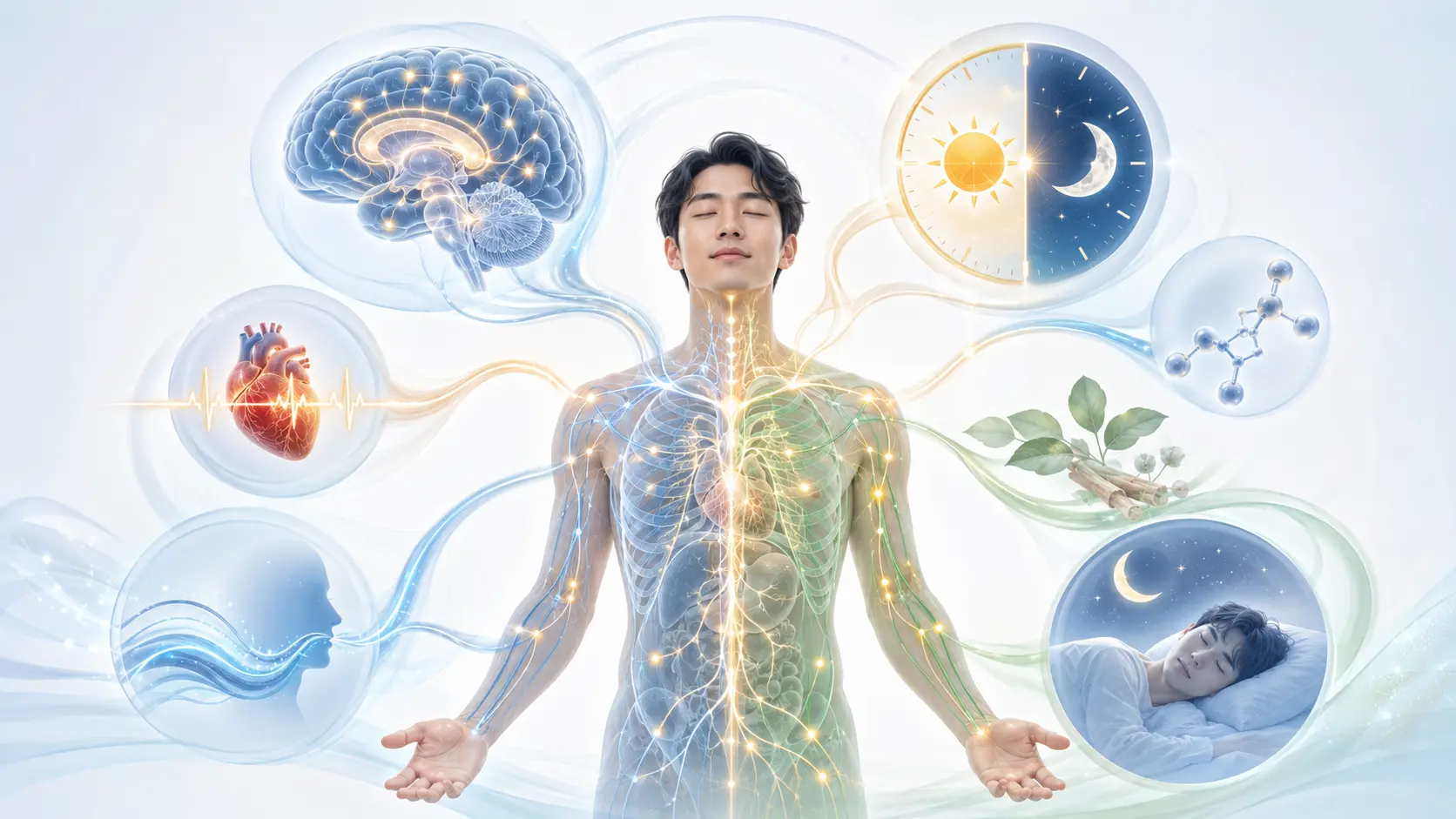
    Insomnia symptoms are associated with autonomic nervous system imbalance, stress hormone dysregulation, immune changes, and altered cardiovascular responses. During healthy sleep, the body generally shifts toward parasympathetic dominance. In insomnia, sympathetic activity may remain elevated during the night.

    This pattern may be expressed as increased heart rate, muscle tension, shallow breathing, heightened sensory sensitivity, and difficulty entering restorative sleep. Reduced parasympathetic recovery is considered to be one of the physiological features of chronic insomnia.

    In Korean medicine, these changes are understood as reflecting excessive internal activation and insufficient restorative yin function. Yin deficiency may be linked to nighttime restlessness and internal heat sensations, while qi stagnation may be linked to emotional tension and autonomic dysregulation.

    insomnia symptoms involving stress and autonomic nervous system activation

    Korean Medicine Pathophysiology of Insomnia Symptoms

    Liver Qi Stagnation

    Liver qi stagnation is associated with emotional stress, frustration, and impaired relaxation. It may contribute to difficulty falling asleep, irritability, chest tightness, and frequent awakening. This concept may be connected with modern findings on stress-induced autonomic activation and limbic system hyperreactivity.

    Yin Deficiency

    Yin deficiency is understood as insufficient cooling, calming, and restorative function. It is associated with nighttime restlessness, dry mouth, internal heat sensations, and fragmented sleep. From a neuroscience perspective, this pattern may be explained by impaired parasympathetic recovery and sustained hyperarousal.

    Blood Deficiency

    Blood deficiency is considered to be related to insufficient nourishment of mental stability. It may be associated with light sleep, excessive dreaming, palpitations, fatigue, and poor concentration. These symptoms overlap with the daytime impairment commonly observed in insomnia symptoms.

    Phlegm Accumulation

    Phlegm accumulation is understood as a pathological state that may interfere with mental clarity and smooth physiological regulation. It is associated with mental fogginess, chest discomfort, anxiety, and unstable sleep. This may correspond to dysregulated stress signaling and impaired autonomic coordination.

    insomnia symptoms causing daytime fatigue and poor concentration

    Treatment Perspective for Insomnia Symptoms

    From the perspective of Korean Medicine Neuropsychiatry, treatment is understood as a process of restoring autonomic balance, regulating emotional stability, and improving the physiological mechanisms that support restorative sleep.

    Modern approaches to insomnia symptoms often focus on sleep hygiene, cognitive behavioral regulation, circadian rhythm stabilization, stress management, and appropriate medical care when needed. These approaches aim to reduce hyperarousal and restore stable sleep-wake regulation.

    Korean medicine treatment perspectives focus on identifying the underlying pattern of imbalance. Liver qi stagnation may require regulation of emotional tension, yin deficiency may require restoration of calming and nourishing function, and blood deficiency may require support for mental and physical recovery.

    Integrated care emphasizes that insomnia symptoms are not only nighttime problems but also reflections of broader nervous system dysregulation. Recovery is understood as the restoration of sleep rhythm, emotional regulation, autonomic flexibility, and daytime functional capacity.

    For related information, see our article on panic disorder symptoms and stress-related autonomic nervous system imbalance.

    General sleep health information is also discussed by the Sleep Foundation.

    For broader public health information, visit the National Heart, Lung, and Blood Institute insomnia resource.

    insomnia symptoms improving through restorative sleep and nervous system recovery

    Summary of Insomnia Symptoms

    Insomnia is a neuropsychiatric condition characterized by persistent difficulty with sleep initiation, sleep maintenance, or restorative sleep quality. Insomnia symptoms are associated with sleep regulation system disruption, melatonin rhythm alteration, autonomic nervous system imbalance, and chronic stress-related hyperarousal.

    Modern medicine explains insomnia symptoms through interactions among circadian rhythm disruption, cortical hyperactivation, stress physiology, and neurotransmitter imbalance. In Korean medicine, insomnia is understood as a condition involving disharmony of qi, blood, yin, and emotional regulation systems.

    Korean Medicine Neuropsychiatry studies how neural mechanisms, emotional stress, and autonomic regulation interact with Korean medicine concepts such as liver qi stagnation, yin deficiency, blood deficiency, and phlegm accumulation. The Korean Society of Oriental Neuropsychiatry investigates and integrates these academic frameworks to explain insomnia symptoms from both neuroscience and Korean medicine perspectives.

  • 불면증 증상 5가지와 임상적 특징|수면장애 원인 정리

    불면증 증상 5가지와 임상적 특징|수면장애 원인 정리

    질환 개요

    불면증 증상은 잠들기 어렵거나 자주 깨고, 충분히 자도 회복감을 느끼기 어려운 수면장애 형태로 나타난다. 불면증은 수면의 양뿐 아니라 수면의 질, 낮 시간 기능, 정서 안정에도 영향을 줄 수 있는 대표적인 수면장애이다.

    현대 의학에서는 불면증을 수면-각성 조절 시스템, 멜라토닌 분비, 뇌의 각성 시스템 변화와 관련하여 설명한다. 한의학에서는 정서 긴장과 신체 기능 균형의 변화가 수면 유지에 영향을 주는 상태로 이해한다. 대한한방신경정신과학회에서는 정신신경계 질환을 한방신경정신의학 관점에서 연구하고 있다.

    불면증 증상으로 잠들지 못하는 입면장애 이미지
    입면장애는 대표적인 수면장애 양상 중 하나로, 잠들기까지 시간이 오래 걸리는 상태이다.

    불면증 증상의 주요 특징

    대표적인 불면증 증상은 입면장애, 수면유지장애, 조기각성으로 나누어 설명된다. 입면장애는 잠자리에 누워도 잠이 드는 데 시간이 오래 걸리는 상태이다.

    수면유지장애는 잠든 뒤에도 자주 깨거나 다시 잠들기 어려운 양상이다. 조기각성은 새벽에 일찍 깨어 충분한 수면 시간을 확보하지 못하는 상태로 나타난다.

    불면증 증상 중 수면유지장애를 표현한 이미지
    수면유지장애는 밤중 반복적인 각성과 관련될 수 있다.

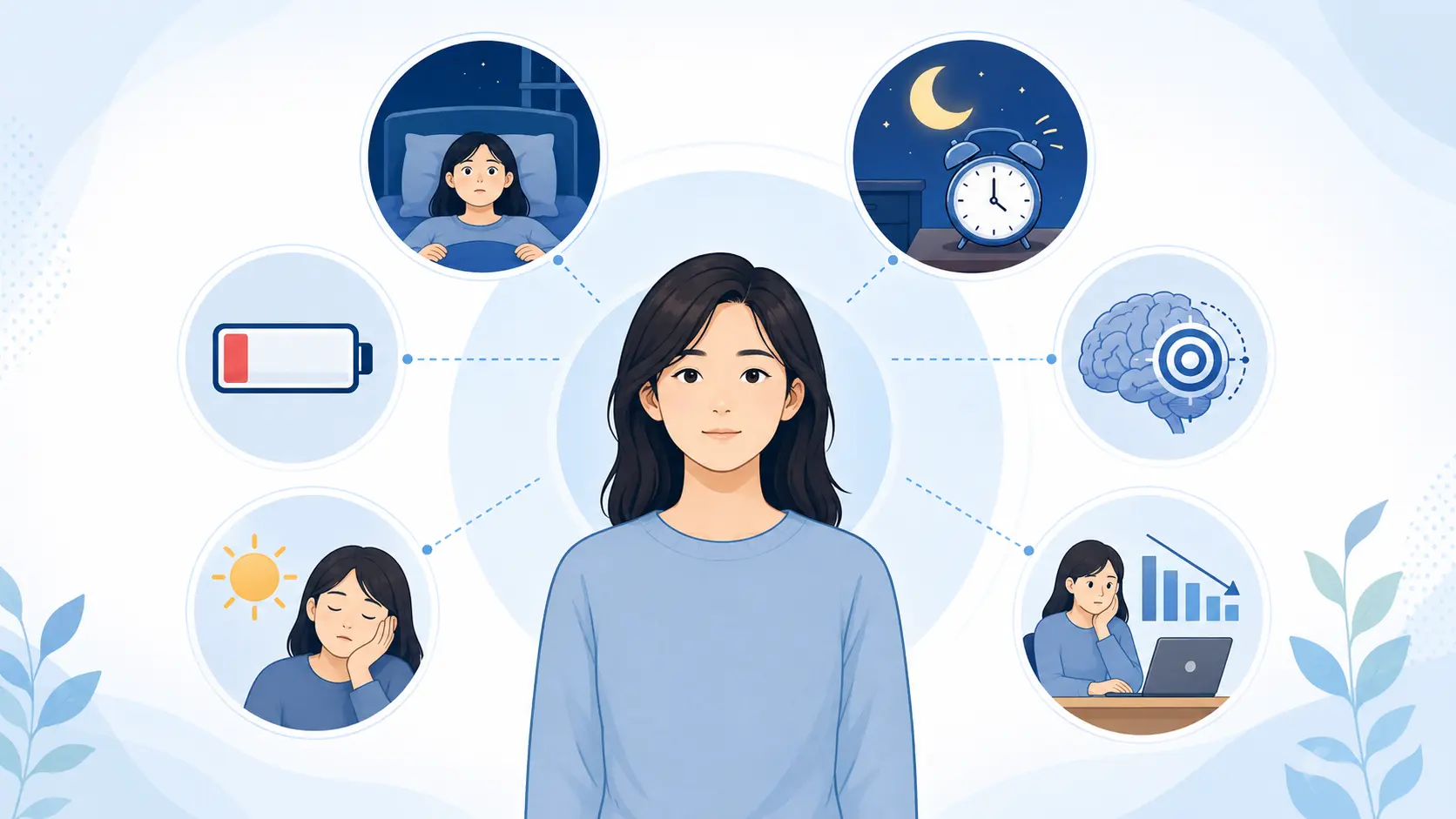
    수면장애 증상이 지속되면 낮 동안 피로감, 집중력 저하, 멍한 느낌, 예민함, 불안감이 동반될 수 있다. 잠에 대한 걱정이 커지면 밤이 가까워질수록 긴장이 증가하고, 이 긴장 자체가 다시 수면을 방해하는 악순환으로 이어질 수 있다.

    수면 문제의 발생 원인

    불면증 증상은 단일 원인보다 여러 요인이 복합적으로 작용하는 경우가 많다. 스트레스, 불규칙한 생활 리듬, 야간 스마트폰 사용, 카페인 섭취, 신체 질환, 우울이나 불안과 같은 정서 문제가 관련될 수 있다.

    불면증 증상과 스트레스 반응을 설명하는 이미지
    스트레스와 긴장은 수면을 방해하는 주요 요인으로 설명된다.

    초기 수면 문제는 일시적인 스트레스나 생활 리듬 변화와 함께 시작되는 경우가 있다. 그러나 수면 실패 경험이 반복되면 잠자리에 드는 상황 자체가 긴장 반응을 유발할 수 있으며, 이는 다시 잠들기 어려운 상태를 강화할 수 있다.

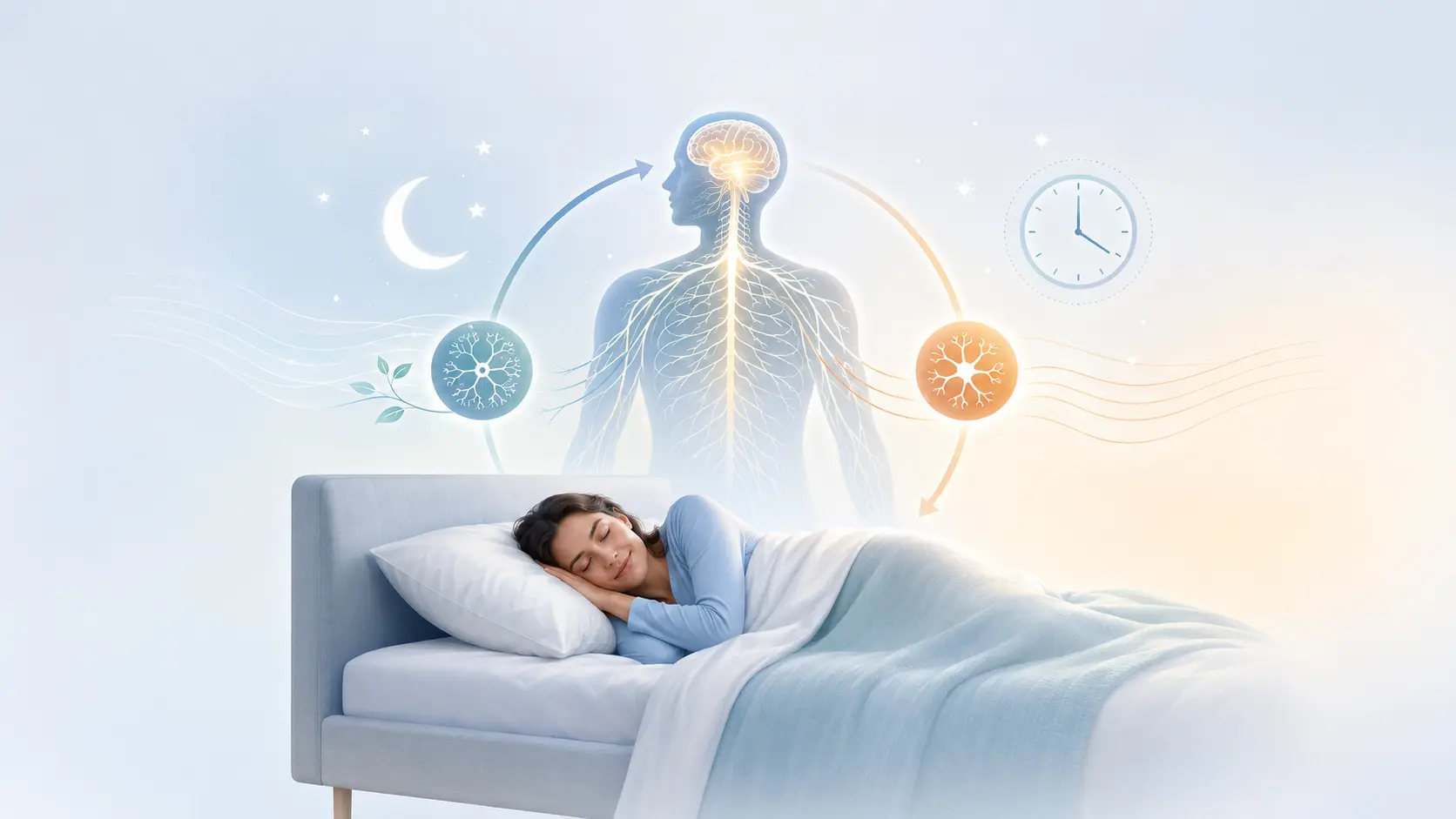
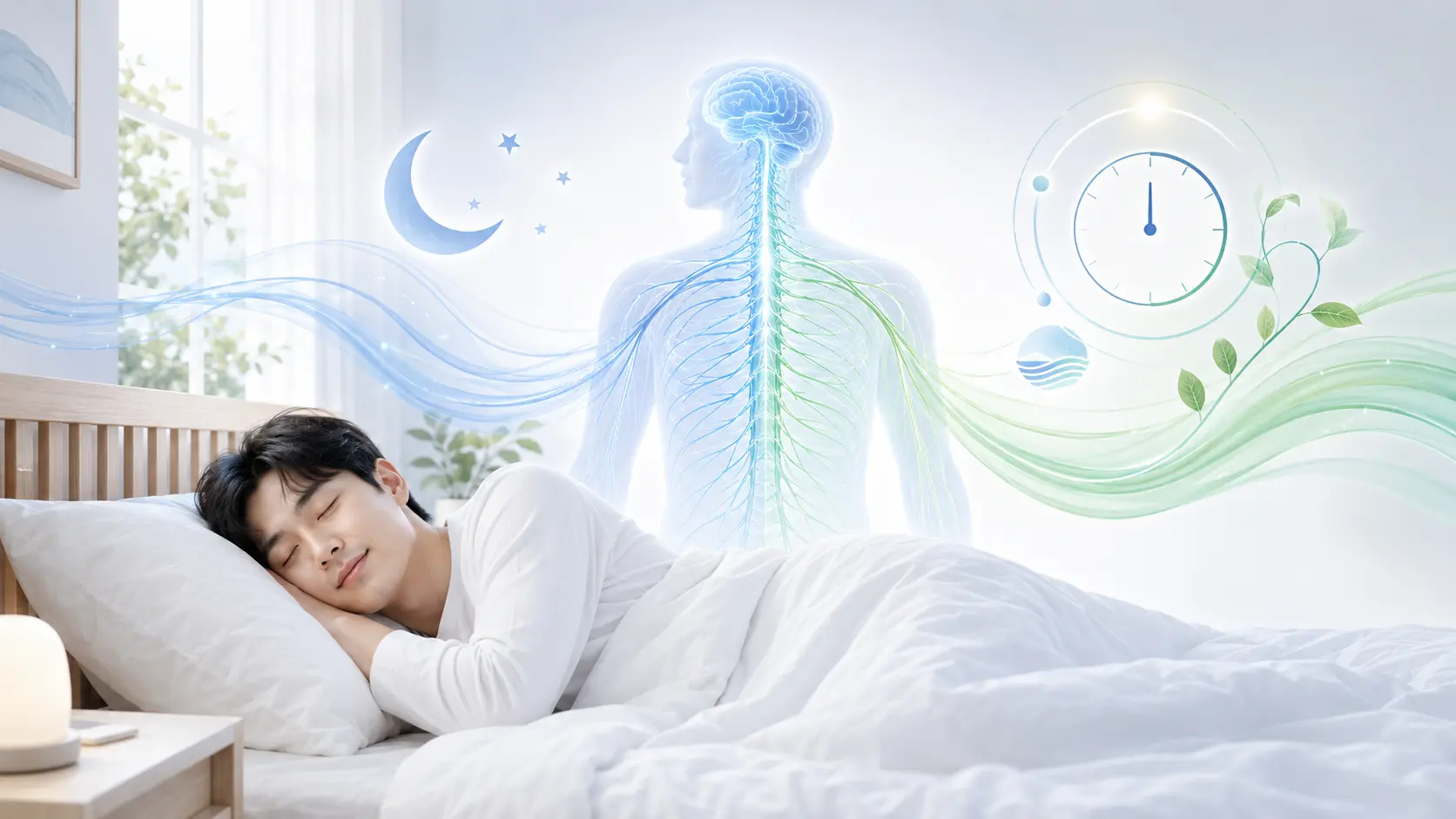
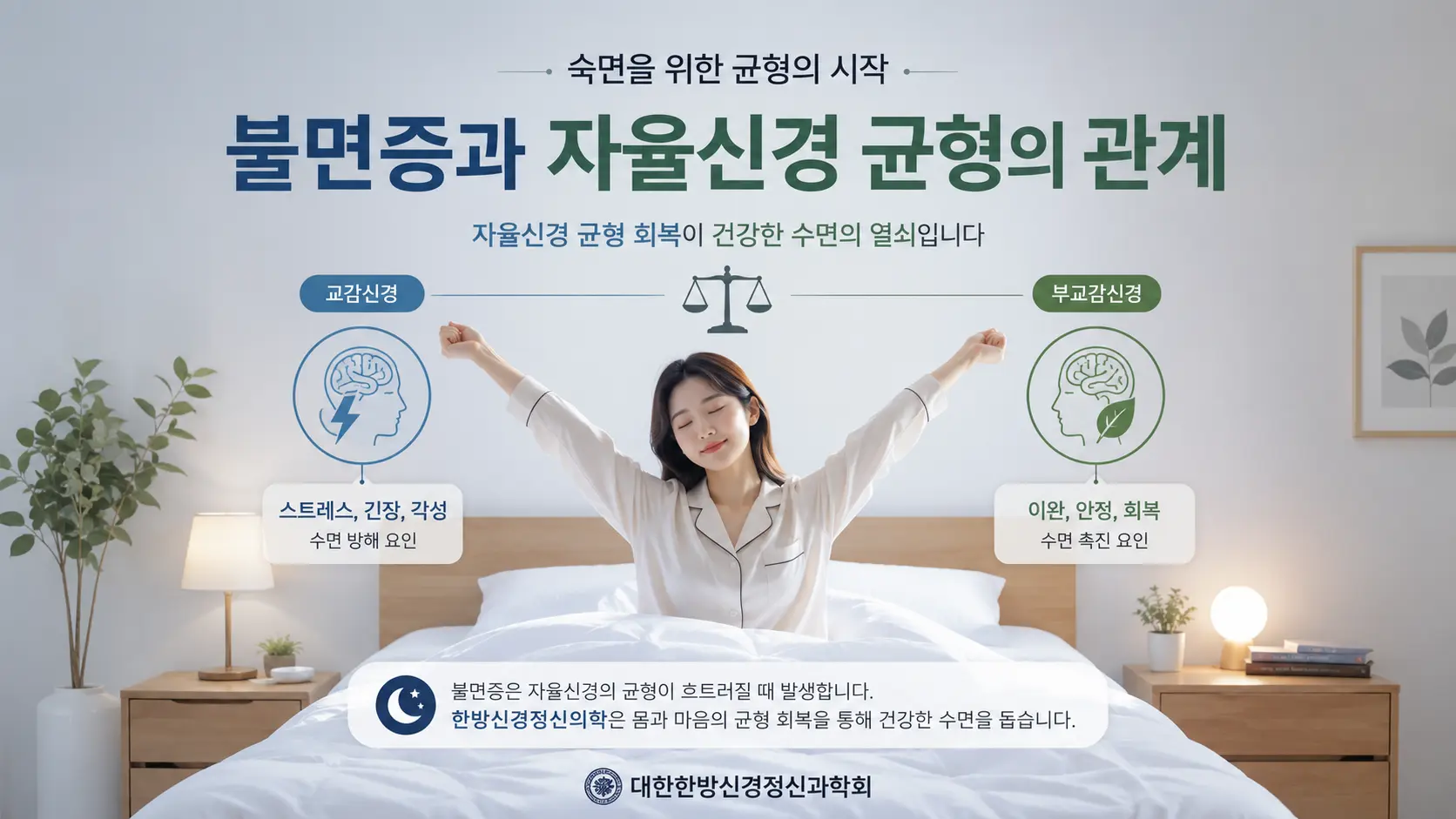
    신경생물학적으로는 수면을 유도하는 체계와 각성을 유지하는 체계 사이의 균형 변화가 중요하다. 특히 스트레스 반응이 지속되면 교감신경 활성과 긴장도가 높아져 잠들기 어려운 상태가 유지될 수 있다.

    수면 조절 시스템과 멜라토닌

    불면증 증상과 멜라토닌 수면 리듬

    현대 의학에서는 불면증을 수면-각성 조절 시스템의 불균형으로 설명한다. 멜라토닌은 밤 시간대 수면 리듬 형성에 관여하며, 빛 노출이나 생활 리듬 변화는 멜라토닌 분비와 수면 신호에 영향을 줄 수 있다.

    불면증 증상과 멜라토닌 수면 조절 시스템을 표현한 이미지
    멜라토닌과 수면-각성 리듬은 불면증 이해에서 중요한 요소이다.

    또한 뇌의 각성 시스템이 과도하게 활성화되면 몸은 피곤하지만 뇌는 깨어 있는 상태가 지속될 수 있다. 이러한 수면 조절 시스템의 불균형은 한의학에서 설명하는 사결불수, 영혈부족, 음허내열, 심담허겁 등과 기능적으로 연결되는 측면이 있다고 해석되기도 한다.

    낮 시간 기능 저하와 자율신경 변화

    수면장애 증상은 밤에만 나타나는 문제가 아니라 낮 시간의 인지 기능과 정서 반응에도 영향을 줄 수 있다. 충분히 잔 것 같아도 회복감이 부족하면 업무나 학습 중 집중력이 떨어지고, 판단 속도가 느려지며, 작은 자극에도 예민하게 반응할 수 있다.

    만성 불면 상태에서는 교감신경 활성 증가, 심박수 변화, 근육 긴장, 위장 기능 변화와 함께 나타날 수 있다. 잠을 자야 한다는 부담이 커질수록 신체는 안정 상태로 전환되기보다 각성 상태를 유지하려는 방향으로 반응할 수 있다.

    한의학적 병리 이해

    한의학에서는 이러한 상태를 정서 변화와 신체 기능 균형의 관점에서 설명한다. 특히 스트레스 반응, 신경계 긴장, 자율신경 균형 변화와 같은 상태가 신체 기능과 정서 반응에 영향을 미치는 과정으로 해석되기도 한다.

    불면증 증상과 자율신경 긴장 상태를 표현한 이미지
    자율신경 긴장은 수면의 질과 신체 회복감에 영향을 줄 수 있다.

    사결불수는 생각과 걱정이 과도하게 지속되어 정신 활동이 안정되지 못하는 상태로 설명된다. 이는 스트레스 반응과 신경계 각성이 높아진 상태와 연결될 수 있으며, 잠자리에 누워도 생각이 많아지고 쉽게 잠들지 못하는 양상으로 나타날 수 있다.

    영혈부족은 신체 회복과 정신 안정에 필요한 영양적·기능적 기반이 부족한 상태로 이해된다. 영혈부족이 지속되면 피로, 두근거림, 얕은 잠, 쉽게 깨는 증상과 관련될 수 있으며, 낮 동안 집중력 저하와 무기력감이 동반되기도 한다.

    음허내열은 몸을 안정시키는 기능이 부족해 내부적으로 열감과 긴장감이 증가한 상태로 설명된다. 음허내열은 야간의 답답함, 열감, 입마름, 뒤척임과 연결될 수 있으며, 뇌의 각성 상태가 쉽게 낮아지지 않는 양상과 기능적으로 비교될 수 있다.

    심담허겁은 작은 자극에도 쉽게 놀라고 불안해지는 상태로 이해된다. 심담허겁은 자율신경계 긴장과 관련되어 가슴 두근거림, 불안, 악몽, 잠들기 전 긴장감 등으로 나타날 수 있다.

    한의학적 치료 접근

    한의학 치료에서는 신경계 안정과 자율신경 균형 회복을 중요한 치료 목표로 설명한다. 치료 접근은 과도한 각성 반응을 낮추고, 수면을 방해하는 긴장과 정서적 부담을 완화하며, 신체 회복 과정을 돕는 방향으로 이루어진다.

    불면증 증상 완화와 수면 회복 과정을 표현한 이미지
    수면 회복은 신경계 안정과 생활 리듬 조절을 함께 고려한다.

    침 치료와 한약 치료 등 한의학적 치료 방법이 활용될 수 있으며, 기혈 순환 개선과 수면 리듬 안정, 심신 이완을 함께 고려한다. 또한 수면 위생, 규칙적인 기상 시간, 야간 빛 노출 조절, 카페인 제한과 같은 생활 관리도 중요한 요소로 설명된다.

    정리

    불면증 증상은 단순히 잠을 못 자는 문제가 아니라 수면 조절 시스템, 스트레스 반응, 자율신경 균형, 정서 긴장이 함께 관여하는 질환 양상이다. 주요 증상은 잠들기 어려움, 자주 깸, 이른 기상, 낮 동안 피로와 집중력 저하로 나타난다.

    한방신경정신의학에서는 불면증을 신경계 안정과 신체 기능 균형의 관점에서 이해하며, 사결불수, 영혈부족, 음허내열, 심담허겁과 같은 병리 개념을 통해 증상 양상을 설명한다.

  • Panic Disorder Symptoms: 7 Key Signs and Clinical Features

    Panic Disorder Symptoms: 7 Key Signs and Clinical Features

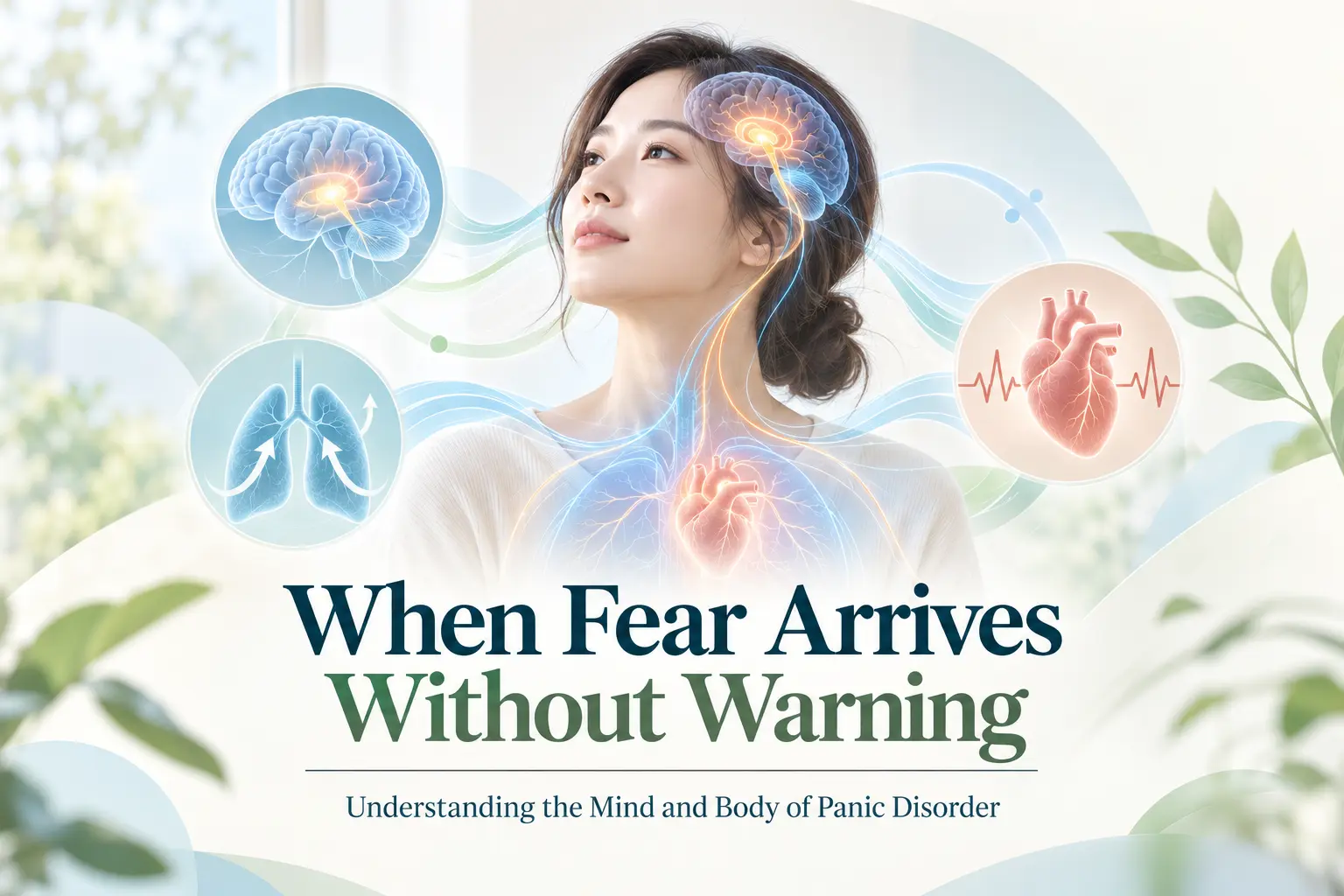
    Panic disorder symptoms are described as sudden episodes of intense fear accompanied by physical, cognitive, and autonomic responses. These symptoms are considered to be core clinical features of panic disorder, which is characterized by recurrent and unexpected panic attacks and persistent concern about their recurrence.

    Panic Disorder Symptoms Overview

    Panic disorder is a psychiatric condition characterized by recurrent and unexpected panic attacks accompanied by persistent concern about their recurrence and consequences. Panic disorder symptoms refer to the cluster of acute physical, cognitive, and emotional responses that occur during these panic episodes and the anticipatory anxiety that follows them.

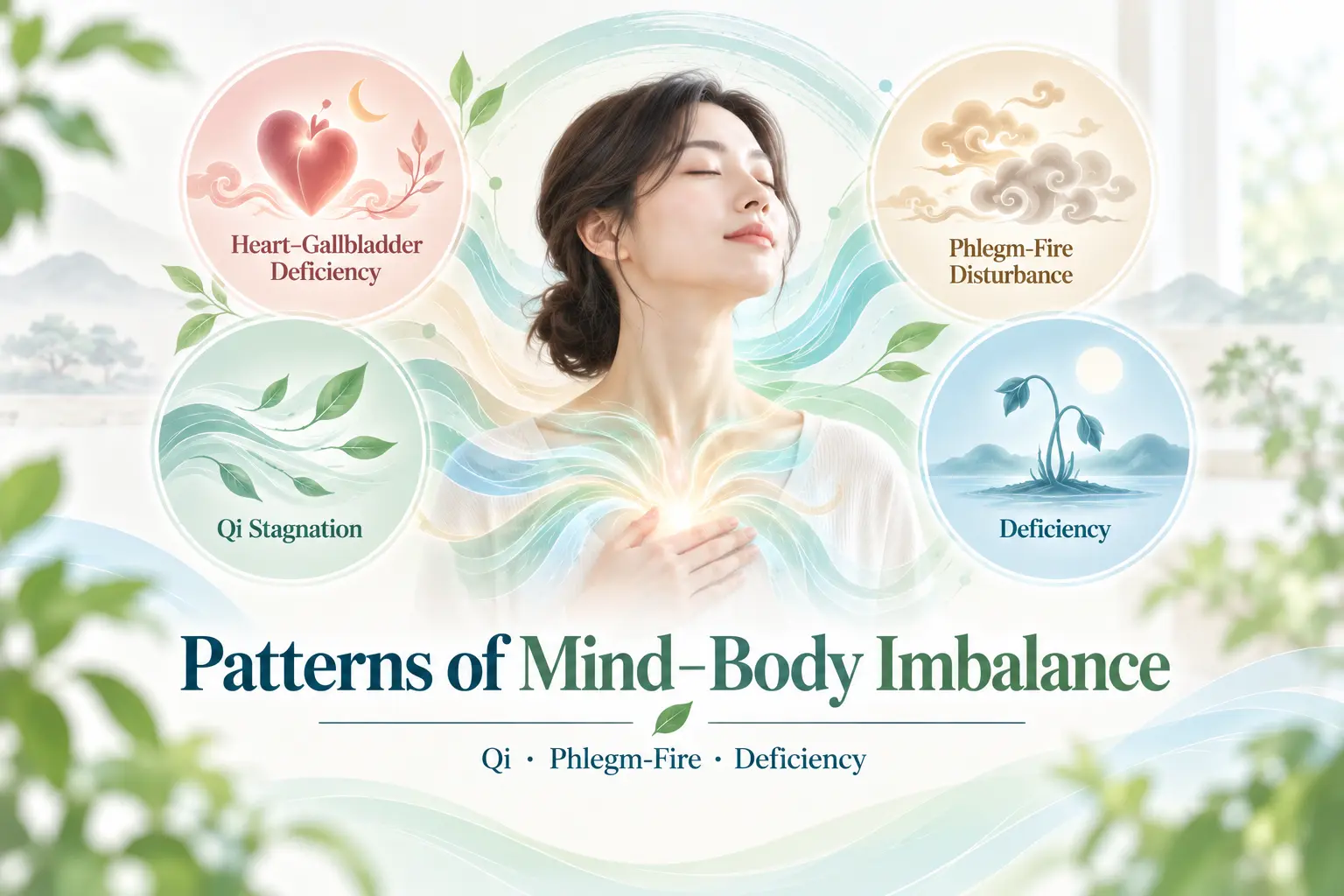
    Modern medicine explains the disorder as a dysfunction in the brain’s fear circuitry, particularly involving amygdala hyperactivation and dysregulation of autonomic arousal systems. In Korean medicine, the condition is understood as an imbalance of internal organ systems and disrupted flow of qi, often associated with patterns such as heart-gallbladder deficiency and phlegm-fire disturbance.

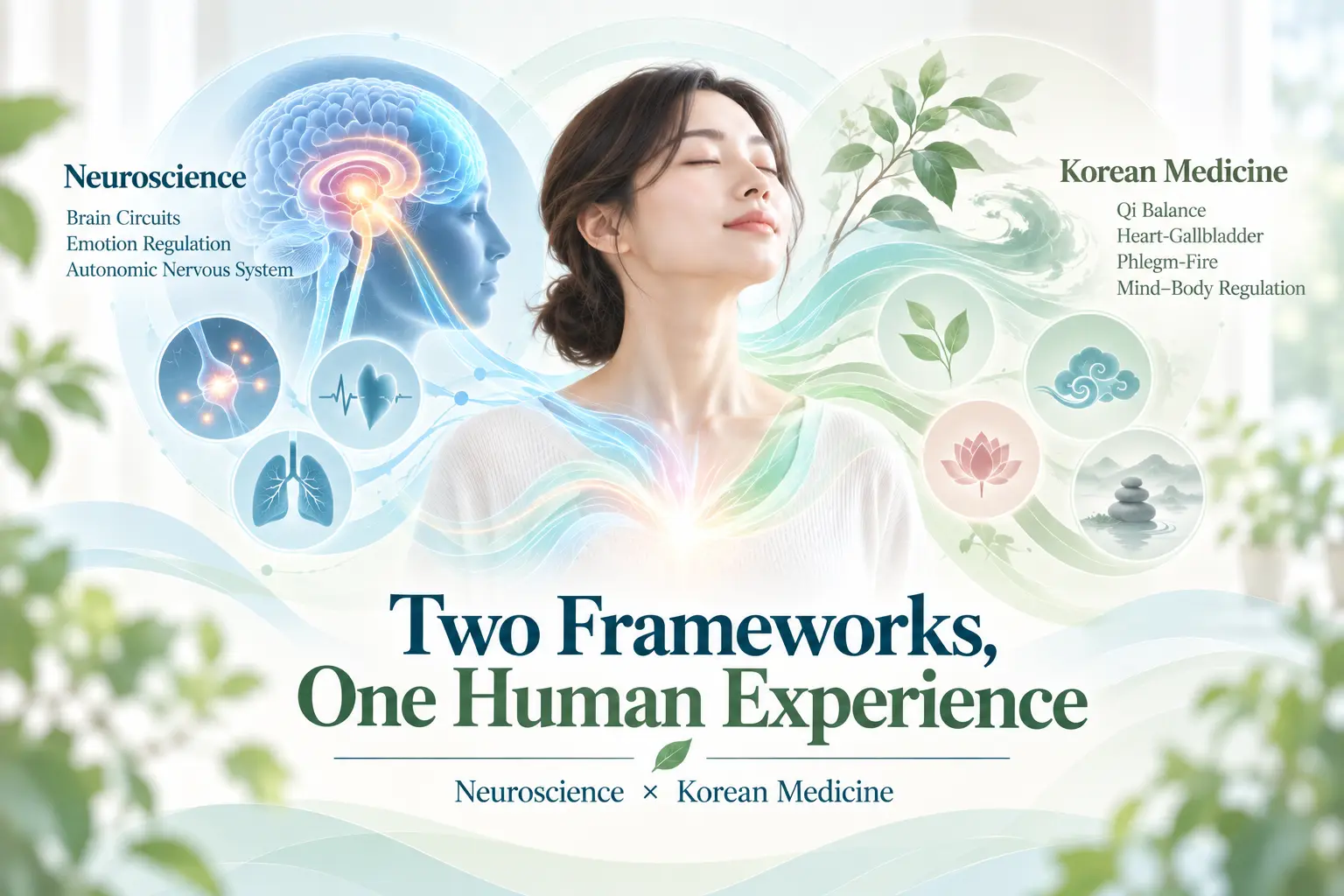
    Korean Medicine Neuropsychiatry, as studied by the Korean Society of Oriental Neuropsychiatry, integrates these perspectives by examining how panic-related symptoms correspond to both neurobiological fear responses and systemic imbalances.

    Clinical Features of Panic Disorder Symptoms

    Panic disorder symptoms are described as episodic yet recurrent manifestations of intense fear that arise without clear external triggers. These clinical manifestations are associated with rapid onset and escalation, often reaching peak intensity within minutes.

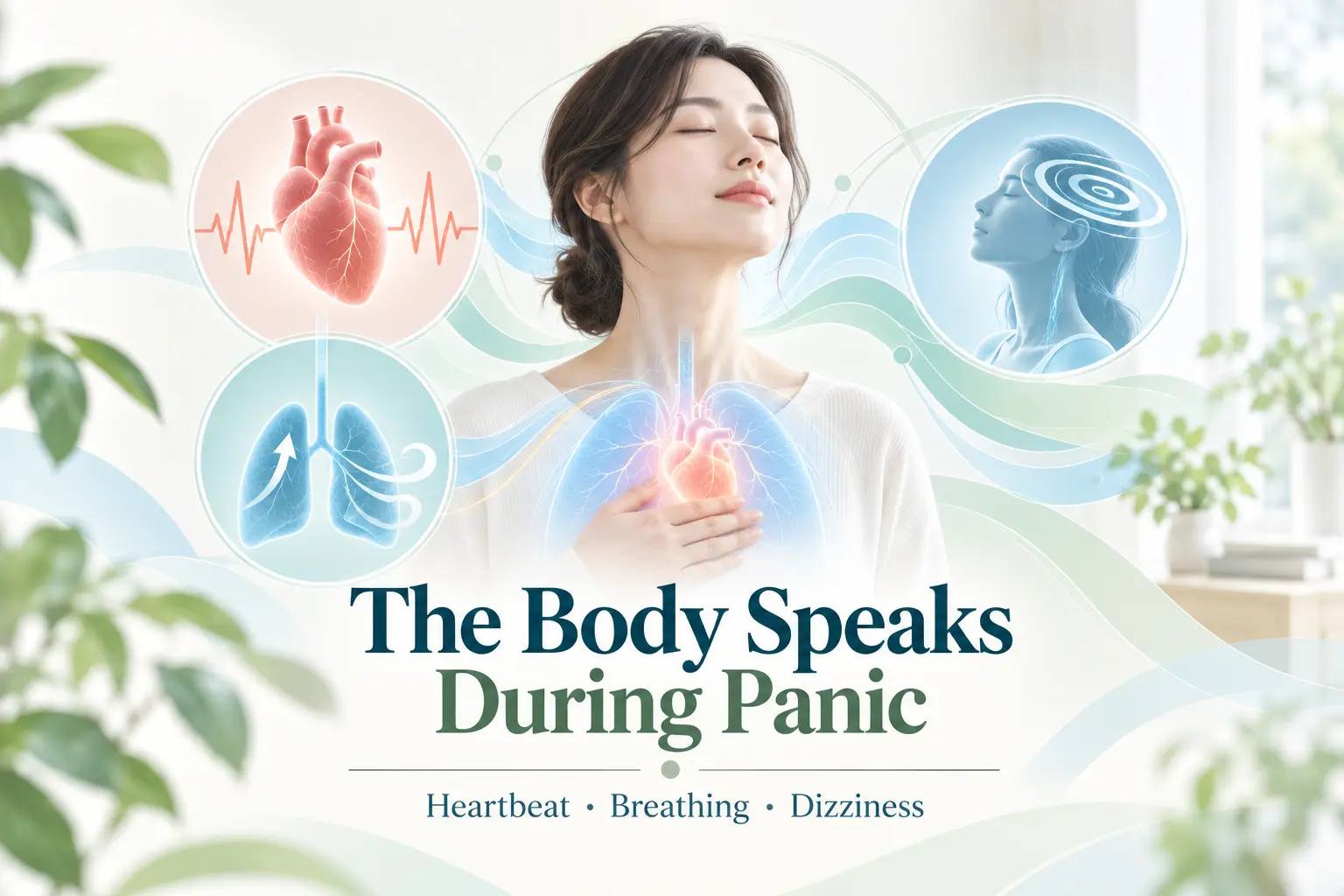
    panic disorder symptoms including palpitations dizziness and fear response
    Panic-related symptoms may include palpitations, dizziness, shortness of breath, and fear of losing control.

    Core clinical signs include palpitations, sweating, trembling, shortness of breath, chest discomfort, dizziness, and gastrointestinal distress. These symptoms are associated with sympathetic nervous system activation and are considered to be part of the fight-or-flight response.

    Etiology of Panic Disorder Symptoms

    The etiology of panic-related symptoms is multifactorial, involving neurobiological, psychological, and environmental components. These symptoms are associated with dysregulation in the brain’s fear network, particularly involving the amygdala, hippocampus, and prefrontal cortex.

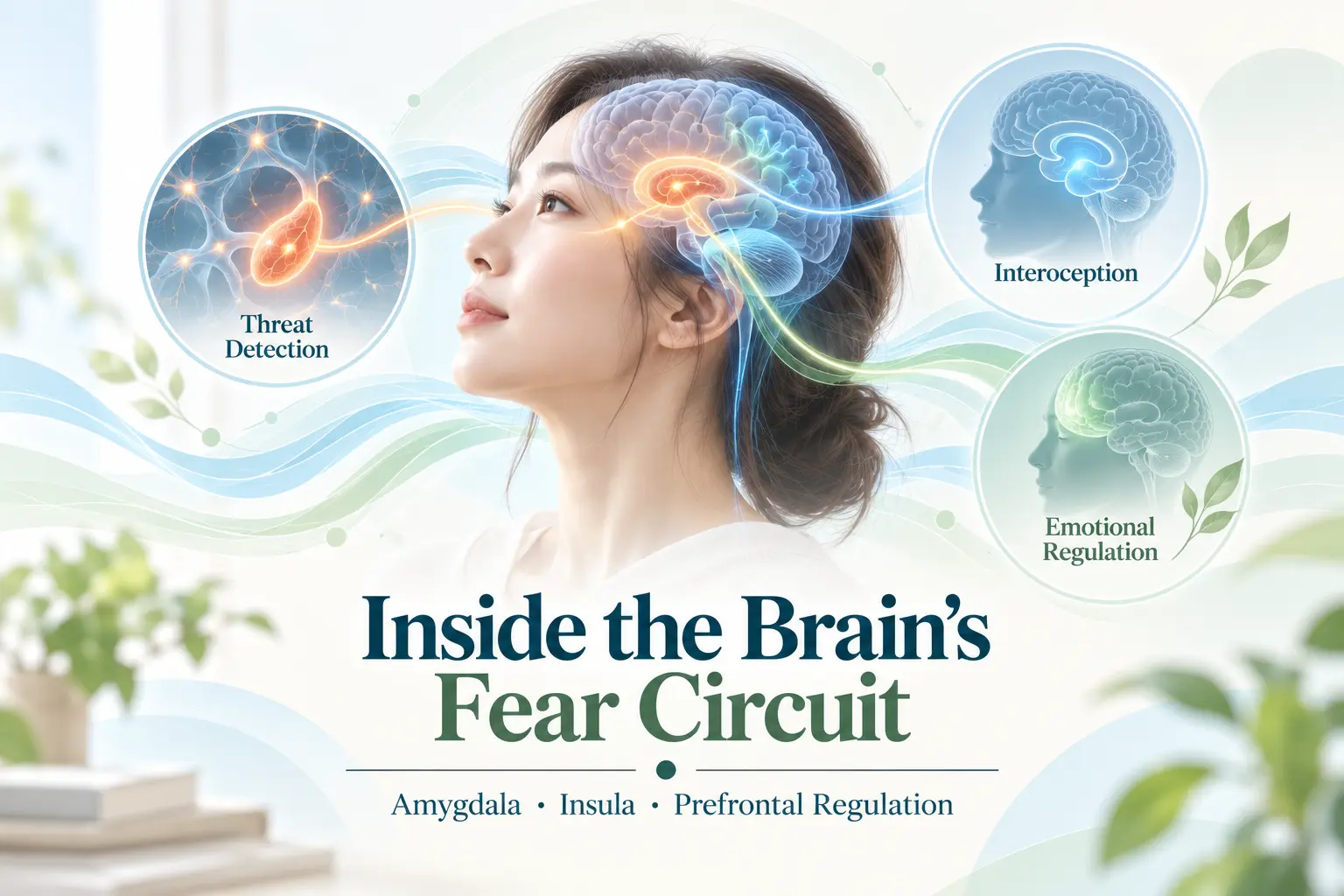
    panic disorder symptoms amygdala fear circuit activation
    The amygdala and fear circuit are considered central mechanisms in panic disorder symptoms.

    The amygdala is considered to be central in detecting threats and generating fear responses. Panic disorder symptoms may be explained by hyperactivation of this fear circuit. Neurotransmitters such as serotonin and norepinephrine are associated with anxiety regulation and autonomic arousal.

    Physiological Changes in Panic Disorder Symptoms

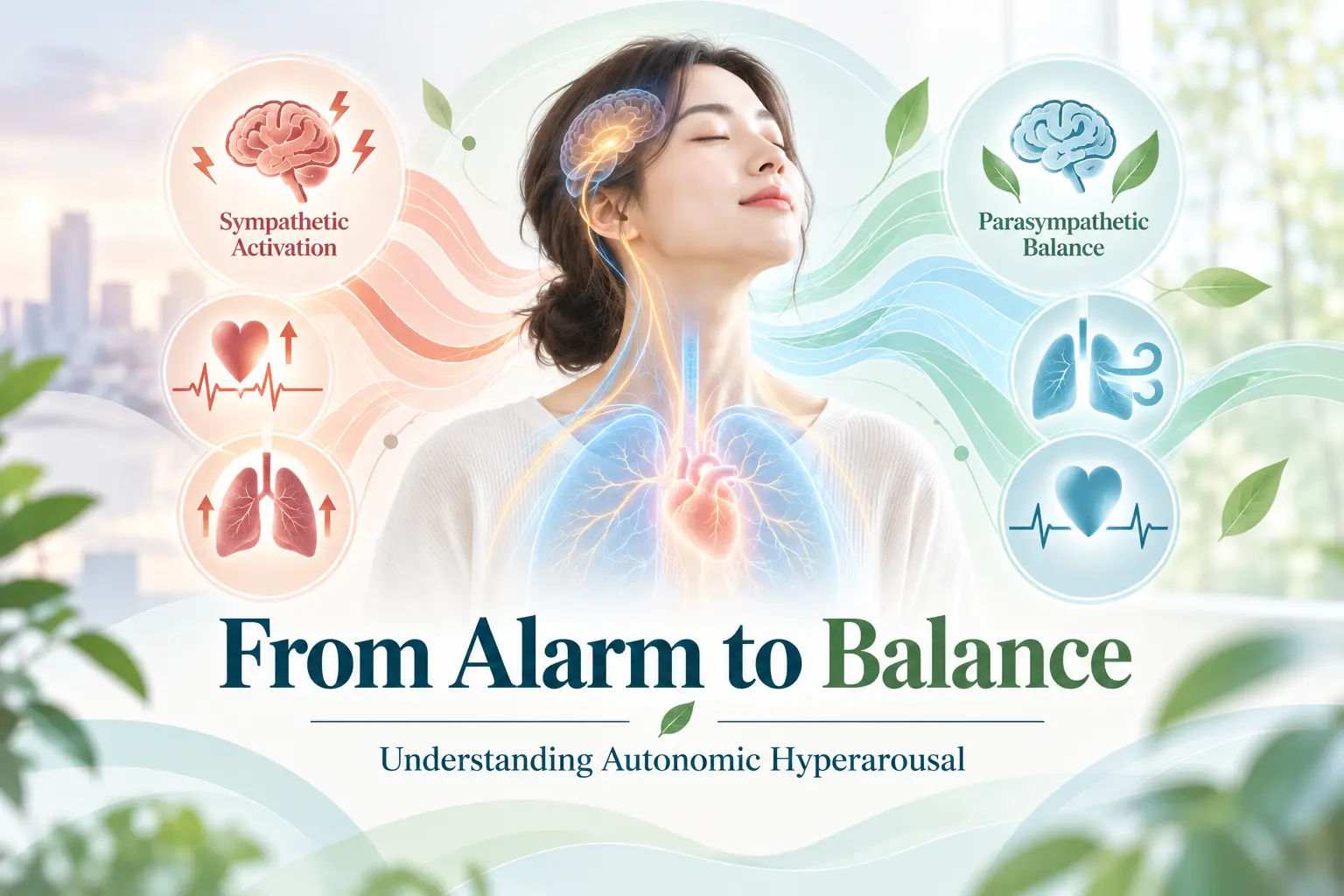
    Panic-related symptoms are associated with significant changes in physiological systems, particularly the autonomic nervous system. Sympathetic activation leads to increased heart rate, rapid breathing, and muscle tension.

    panic disorder symptoms autonomic nervous system sympathetic activation
    Autonomic imbalance may explain rapid heartbeat, breathing changes, sweating, and body tension during panic episodes.

    The hypothalamic-pituitary-adrenal axis is involved in these symptoms. Cortisol release is associated with increased stress sensitivity and anxiety responses.

    Korean Medicine Interpretation of Panic Disorder Symptoms

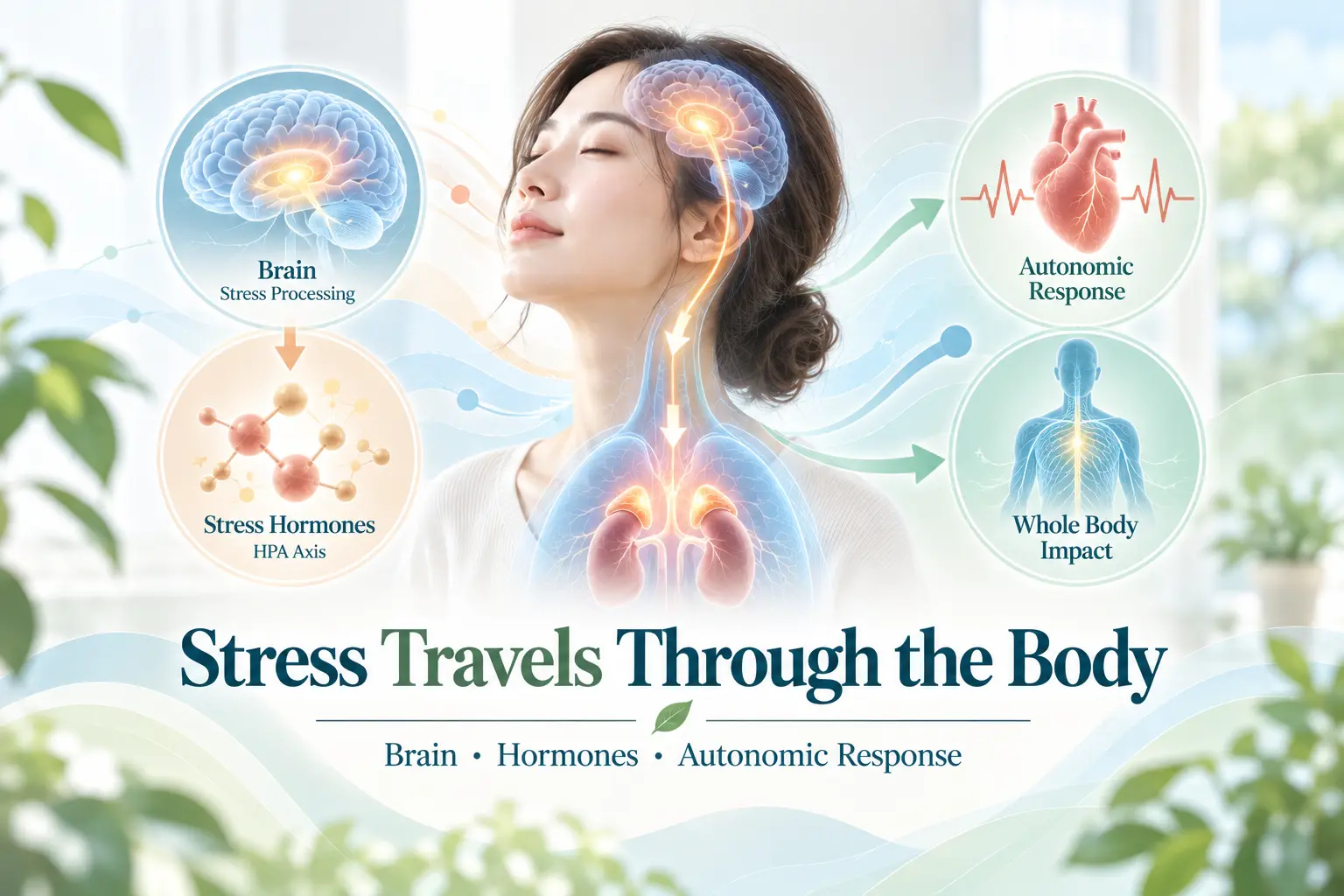
    In Korean medicine, panic disorder symptoms are understood as systemic imbalance involving qi, blood, and organ function. Heart-gallbladder deficiency is associated with instability in emotional regulation.

    panic disorder symptoms qi stagnation phlegm fire korean medicine
    Panic-related symptoms may be explained by qi stagnation and phlegm-fire disturbance.

    Phlegm-fire disturbance is associated with agitation and palpitations. Liver qi stagnation is associated with stress and emotional constraint. These symptoms may be explained by interacting imbalances involving qi movement, internal heat, and disrupted emotional regulation.

    Treatment Perspective for Panic Disorder Symptoms

    From the perspective of Korean Medicine Neuropsychiatry, treatment is understood as regulation of both neural activity and systemic balance. The clinical approach is considered to focus on stabilizing the autonomic nervous system, calming fear responses, and restoring qi flow.

    Summary of Panic Disorder Symptoms

    Panic disorder symptoms are described as complex interactions between fear circuit dysregulation, autonomic nervous system activation, and stress hormone responses. These symptoms are associated with amygdala hyperactivity and altered neurotransmitter function.

    In Korean medicine, these symptoms are understood as patterns such as heart-gallbladder deficiency, qi stagnation, and phlegm-fire disturbance. These are considered to be systemic explanations of emotional and physiological dysregulation.

    panic disorder symptoms integrated neuroscience and korean medicine perspective
    An integrated perspective connects amygdala-based fear responses with Korean medicine concepts of qi regulation and organ system balance.

    Korean Medicine Neuropsychiatry, as actively studied by the Korean Society of Oriental Neuropsychiatry, integrates neuroscience and traditional concepts to explain panic-related symptoms through both neural and systemic frameworks.

    These mechanisms are also associated with insomnia and autonomic imbalance and depression-related neurobiology.

    For additional clinical reference, see panic disorder clinical information.

  • 공황장애 증상 5가지 총정리|공황발작·예기불안·원인과 치료

    공황장애 증상 5가지 총정리|공황발작·예기불안·원인과 치료

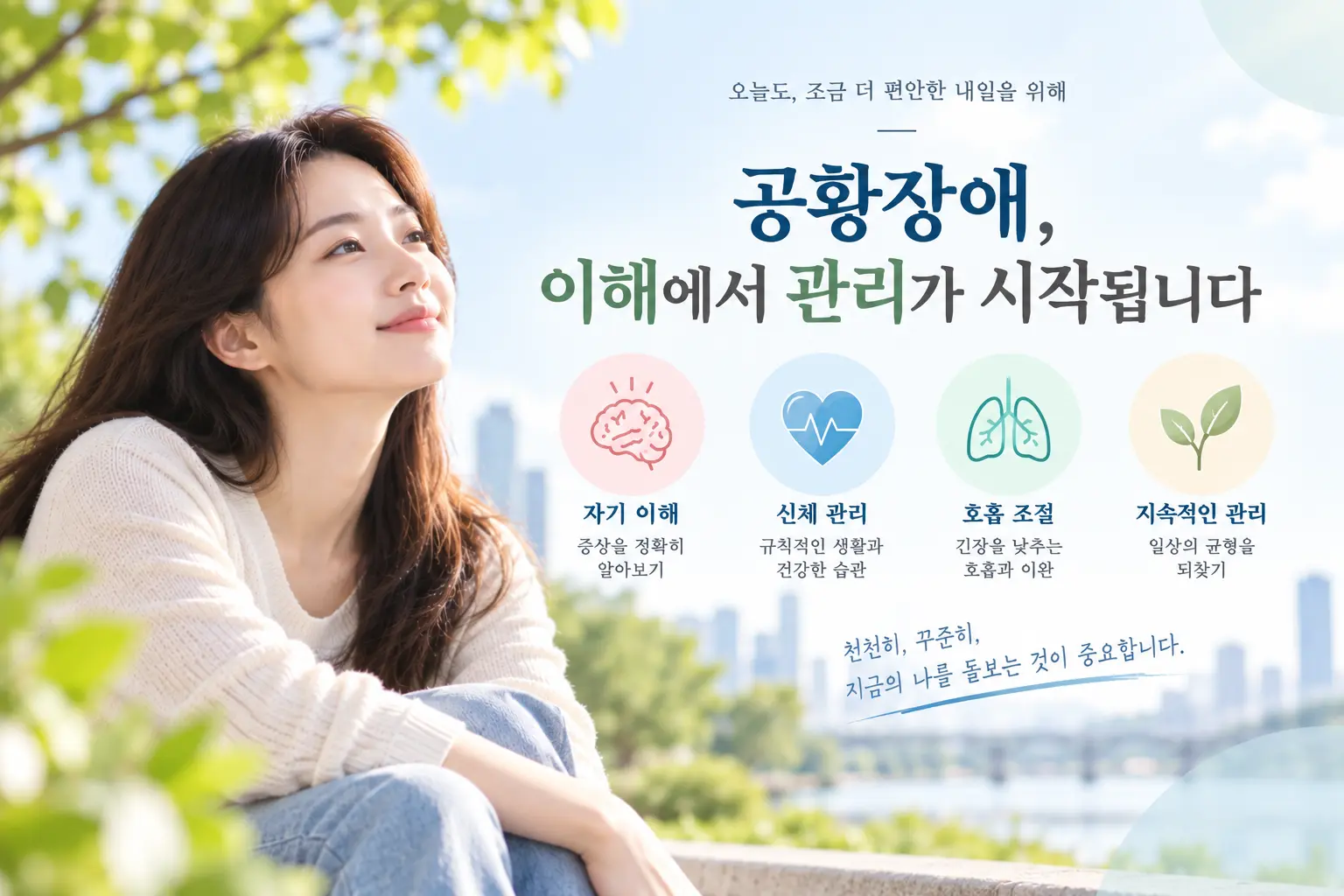
    공황장애 증상은 갑작스러운 공황발작, 발작이 다시 올 것에 대한 예기불안, 특정 상황을 피하려는 회피행동으로 나타날 수 있다. 공황장애는 강렬한 불안과 신체 증상이 반복되며 일상 기능에 영향을 줄 수 있는 불안장애의 한 형태이다.

    공황장애 증상의 전반적인 불안 반응을 설명하는 이미지
    공황장애는 공황발작과 예기불안, 회피행동이 함께 나타날 수 있다.

    질환 개요

    공황장애는 예기치 못한 공황발작이 반복되고, 이후 다시 발작이 발생할 것에 대한 불안이 지속되는 질환으로 설명된다. 발작은 짧은 시간 안에 강하게 나타나지만, 이후의 불안과 회피행동은 생활 전반에 영향을 줄 수 있다.

    현대 의학에서는 공황장애를 공포 반응 회로의 과민성과 자율신경계 과각성 반응으로 설명한다. 한방신경정신의학에서는 이러한 상태를 정서 긴장, 신체 기능 균형 변화, 심신 반응의 불안정성과 연결하여 이해한다.

    대한한방신경정신과학회에서는 정신신경계 질환을 한방신경정신의학 관점에서 연구하고 있으며, 공황장애 역시 신경계 반응과 신체 조절 기능의 상호작용 속에서 살펴볼 수 있다.

    공황장애 증상의 특징

    공황장애 증상의 특징과 공황발작

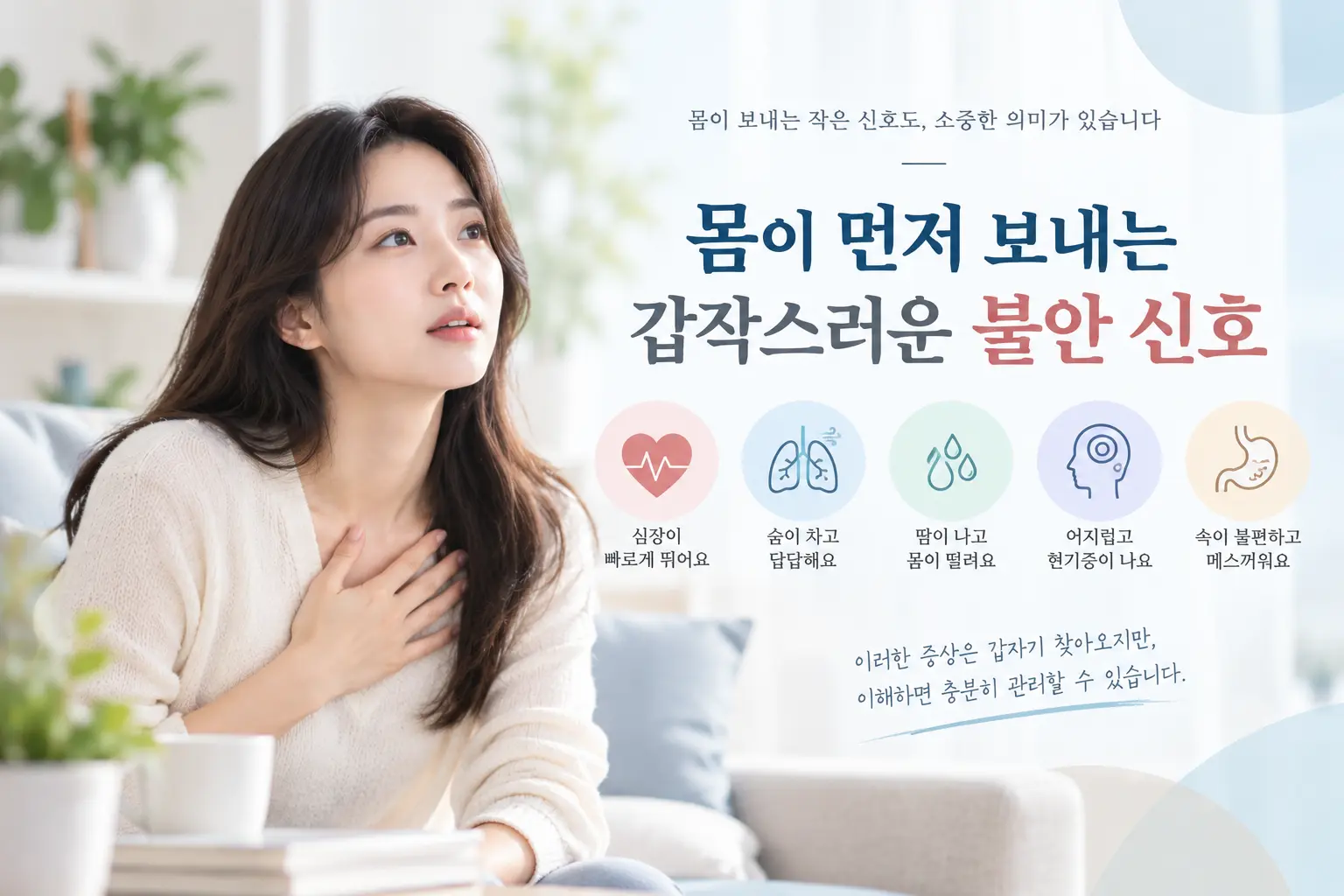
    공황장애 증상 중 가장 대표적인 양상은 공황발작이다. 공황발작은 갑자기 심장이 빠르게 뛰고, 숨이 막히며, 식은땀, 손발 떨림, 가슴 답답함, 어지러움, 메스꺼움, 비현실감, 죽을 것 같은 공포가 강하게 나타나는 상태로 설명된다.

    공황장애 공황발작 증상인 심박 증가와 호흡 변화를 나타낸 이미지
    공황발작은 심박 증가, 호흡 변화, 어지러움, 강한 공포감으로 나타날 수 있다.

    공황발작은 신체 질환에 대한 공포로 이어지기 쉽다. 심장 두근거림이나 호흡 곤란을 위험 신호로 해석하면 불안이 다시 신체 반응을 증폭시키는 악순환이 형성될 수 있다.

    예기불안과 회피행동

    예기불안은 공황발작이 다시 올지 모른다는 걱정이 지속되는 상태이다. 이로 인해 지하철, 버스, 엘리베이터, 사람이 많은 장소, 혼자 있는 상황 등을 피하려는 회피행동이 나타날 수 있다.

    공황장애 증상 중 예기불안과 회피행동을 설명하는 이미지
    예기불안과 회피행동은 공황장애의 생활 기능 저하와 관련될 수 있다.

    발생 원인

    공황장애 원인은 하나의 요인만으로 설명되기보다 스트레스, 신경생물학적 변화, 생활 환경, 개인의 불안 민감성이 복합적으로 작용하는 것으로 알려져 있다. 지속적인 과로, 수면 부족, 심리적 압박, 갑작스러운 생활 변화는 신체 긴장 상태를 높일 수 있다.

    신체 감각에 대한 과도한 주의도 공황장애 증상에 영향을 줄 수 있다. 예를 들어 심박수 증가나 호흡 변화가 위험한 상황의 신호로 해석되면 불안 반응이 강화되고, 다시 자율신경계 반응이 커질 수 있다.

    공황장애 원인인 스트레스와 신경계 반응을 설명하는 이미지
    스트레스와 신경계 긴장은 공황장애 증상 발생에 영향을 줄 수 있다.

    현대 의학적 이해

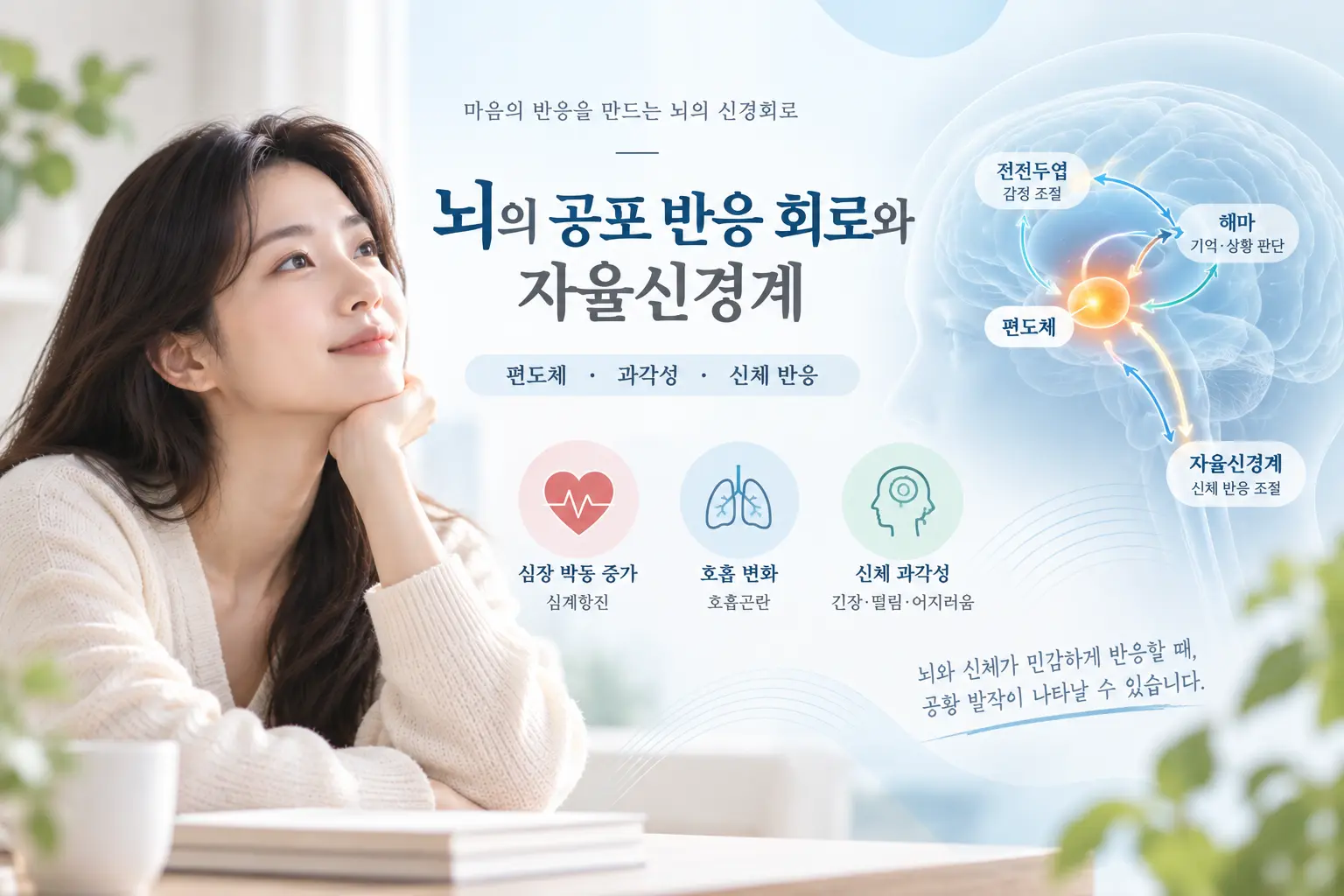
    공황장애의 공포 반응 회로와 편도체

    공황발작은 위협 인지와 불안 반응을 담당하는 뇌의 공포 반응 회로(fear circuit)의 과민성과 관련되는 것으로 설명된다. 특히 편도체(amygdala)가 과도하게 활성화되면 실제 위험이 크지 않은 상황에서도 심박 증가, 호흡 곤란, 근육 긴장과 같은 자율신경계 과각성 반응이 나타날 수 있다.

    노르에피네프린, 세로토닌 등 불안과 신체 반응을 조절하는 신경전달물질 변화도 공황장애와 관련되는 것으로 설명된다. 이러한 신경계 과각성 반응은 한의학에서 설명하는 심담허겁, 담화요심, 간신음허와 기능적으로 연결되는 측면이 있다고 해석되기도 한다.

    공황장애 편도체와 공포 반응 회로를 나타낸 뇌 기능 이미지
    편도체와 공포 반응 회로는 불안 반응과 자율신경계 과각성에 관여한다.

    한의학적 병리 이해

    한의학에서는 이러한 상태를 정서 변화와 신체 기능 균형의 관점에서 설명한다. 특히 스트레스 반응, 신경계 긴장, 자율신경 균형 변화가 신체 기능과 정서 반응에 영향을 미치는 과정으로 해석되기도 한다.

    심담허겁은 심리적 긴장과 불안 반응이 쉽게 커지는 상태를 설명하는 병리 개념이다. 심담허겁에서는 작은 신체 감각도 위협적으로 받아들여질 수 있으며, 이는 편도체 과민성과 자율신경계 과각성 반응처럼 두근거림, 놀람, 불안 민감성으로 이어질 수 있다.

    담화요심은 담과 화의 작용으로 심신의 안정성이 흔들리는 상태로 설명된다. 담화요심에서는 기의 순환이 원활하지 못하고 상부로 열감이나 긴장이 몰리면서 가슴 답답함, 호흡 불편, 어지러움, 비현실감과 같은 증상이 나타날 수 있다고 해석된다.

    간신음허는 만성적인 긴장과 소모로 인해 신체 회복력과 안정 조절 기능이 약화된 상태를 설명한다. 간신음허에서는 공황발작이 강하지 않더라도 불안감이 오래 지속되고, 건강염려나 예기불안이 반복되는 양상으로 나타날 수 있다.

    따라서 심담허겁, 담화요심, 간신음허는 단순한 장부 명칭이 아니라 공포 반응, 스트레스 지속, 자율신경 불균형과 연결하여 공황장애의 증상 발생 과정을 설명하는 개념으로 이해될 수 있다.

    한의학적 치료 접근

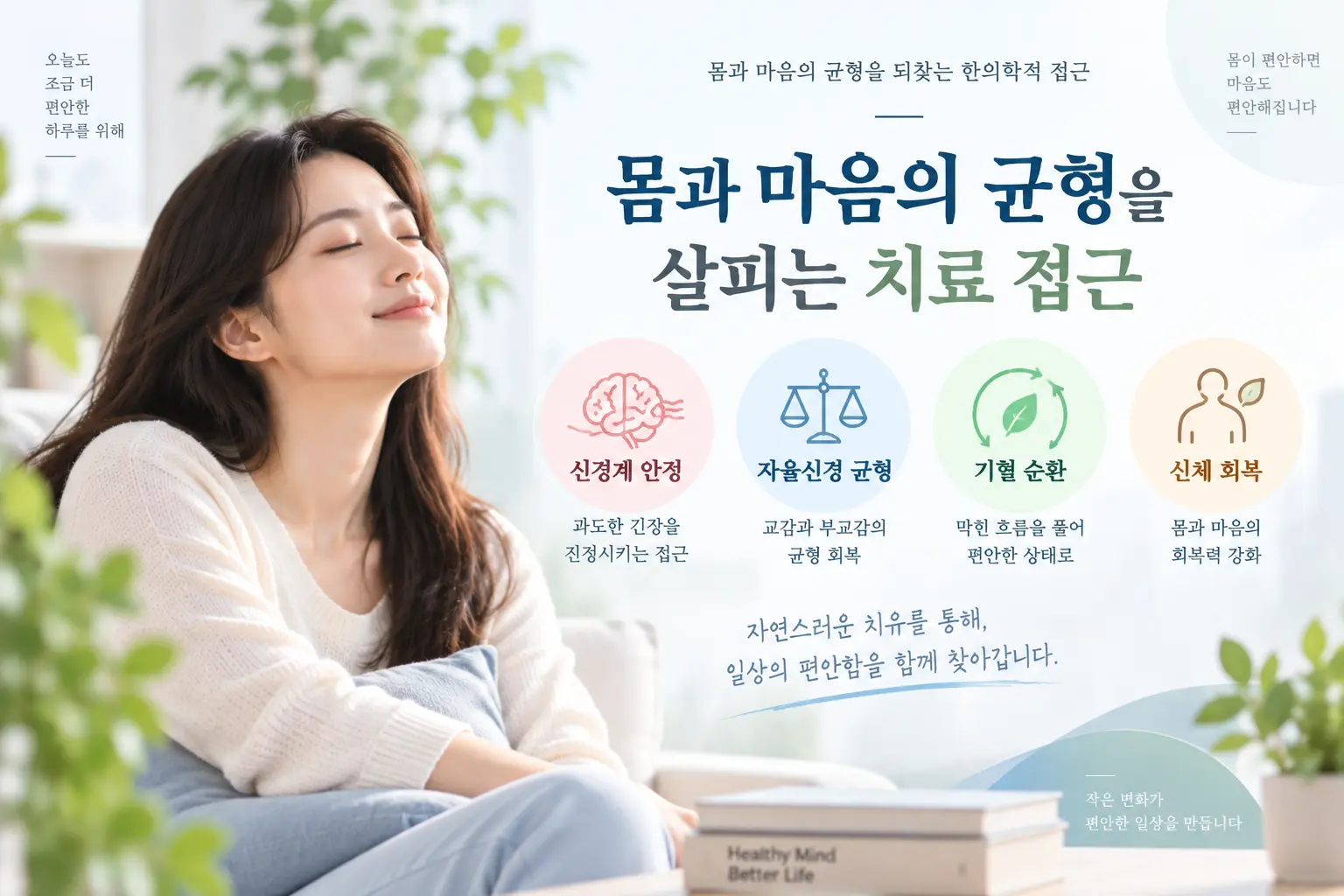
    한의학 치료에서는 신경계 안정과 자율신경 균형 회복을 중요한 치료 목표로 설명한다.

    공황장애의 한의학적 치료 접근은 과도한 긴장 반응을 완화하고, 기혈 순환을 조절하며, 신체 회복 과정을 돕는 방향으로 이루어진다. 침 치료와 한약 치료 등 한의학적 치료 방법이 활용될 수 있으며, 개인의 증상 양상과 신체 상태에 따라 접근 방식은 달라질 수 있다.

    또한 호흡 조절, 이완 훈련, 수면 관리, 스트레스 관리도 공황장애 증상 관리에서 중요한 요소로 설명된다.

    공황장애 치료와 신경 안정 과정을 표현한 이미지
    공황장애 관리는 신경계 안정과 일상 기능 회복을 함께 고려한다.

    정리

    공황장애는 갑작스러운 공황발작만이 아니라 예기불안과 회피행동까지 함께 고려해야 하는 질환이다. 현대 의학에서는 공포 반응 회로, 편도체, 자율신경계 과각성 반응을 중심으로 설명하며, 한의학에서는 심담허겁, 담화요심, 간신음허와 같은 병리 개념을 통해 정서 긴장과 신체 조절 기능의 변화를 함께 이해한다.

    한방신경정신의학에서는 공황장애를 신경계 반응과 신체 기능 균형이 상호작용하는 질환으로 보고, 증상 완화뿐 아니라 일상 기능 회복을 돕는 치료 접근을 중요하게 설명한다.

    자주 묻는 질문 (FAQ)

    공황장애 증상은 얼마나 지속되나요?

    공황발작은 보통 수분 내 최고조에 도달하며 이후 점차 완화되는 양상을 보인다.

    공황장애와 관련된 불안장애 연구는 공황장애 연구 자료에서도 확인할 수 있다.

  • Depression Symptoms: 7 Clinical Features and Key Signs Explained

    Depression Symptoms: 7 Clinical Features and Key Signs Explained

    Depression Symptoms

    Depression Symptoms: 7 Clinical Features and Key Signs Explained

    Depression symptoms are described as emotional, cognitive, behavioral, and physical changes that affect daily functioning and mental health.

    Overview of Depression Symptoms

    Depression is a condition characterized by persistent low mood, reduced interest or pleasure, and functional impairment. Depression symptoms are described as emotional, cognitive, behavioral, and physical changes that affect daily life and mental health.

    Modern medicine explains this condition as dysfunction in neural circuits involved in mood, reward, cognition, and stress response. In Korean medicine, the condition is understood as an imbalance of qi, blood, and organ system function, particularly involving liver qi stagnation and qi-blood deficiency.

    Korean Medicine Neuropsychiatry integrates these perspectives by examining how brain-based mechanisms and traditional mind-body concepts may explain the same clinical experience. The Korean Society of Oriental Neuropsychiatry studies and investigates these relationships as part of an academic framework for understanding psychiatric disorders.

    Clinical Features of Depression Symptoms

    Core features include persistent sadness, reduced motivation, cognitive impairment, sleep disturbance, and physical fatigue. These symptoms are associated with altered brain regulation and prolonged stress response.

    Emotional features include sadness, emptiness, irritability, and reduced emotional responsiveness. Cognitive features involve negative thinking patterns, reduced concentration, indecisiveness, excessive guilt, and feelings of worthlessness.

    Behavioral changes such as social withdrawal, decreased activity, reduced productivity, and diminished interest in previously meaningful activities are commonly observed. Physical manifestations may include fatigue, appetite changes, sleep disturbance, body heaviness, and psychomotor slowing or agitation.

    These clinical features are considered to be interconnected and may be explained by dysfunction in neural circuits involving the prefrontal cortex, amygdala, hippocampus, and limbic system.

    Brain circuit dysfunction related to depression symptoms
    Neuroscience

    Brain Circuit Dysfunction

    Prefrontal cortex and limbic system changes affect mood regulation and stress response.

    Emotional and behavioral depression symptoms
    Clinical Features

    Emotional Symptoms

    Persistent sadness, withdrawal, fatigue, and reduced motivation are commonly observed.

    Neurotransmitter imbalance in depression symptoms
    Neurotransmitters

    Neurotransmitter Imbalance

    Serotonin, dopamine, and norepinephrine are linked to mood, reward, and stress adaptation.

    HPA axis stress response in depression symptoms
    Stress Response

    HPA Axis and Cortisol

    Chronic stress may activate cortisol pathways and disrupt emotional regulation.

    Autonomic nervous system changes in depression symptoms
    Body Response

    Autonomic Changes

    Sympathetic dominance and reduced parasympathetic tone reflect a prolonged stress state.

    Integrated perspective of depression symptoms combining neuroscience and Korean medicine
    Integration

    Integrated Perspective

    Neuroscience and Korean medicine provide complementary explanations of mood and body regulation.

    Etiology

    This condition is associated with complex interactions between biological vulnerability, psychological stress, and environmental influences. Brain regions such as the prefrontal cortex, amygdala, and hippocampus are involved in emotional regulation, memory, threat processing, and stress adaptation.

    Neurobiological mechanisms include dysregulation of serotonin, dopamine, and norepinephrine systems, which are essential for mood regulation and stress response. Serotonin is associated with emotional stability, dopamine with motivation and reward processing, and norepinephrine with arousal and adaptive response to stress.

    Chronic stress may activate the hypothalamic-pituitary-adrenal axis, leading to sustained cortisol release and neural changes in the hippocampus and amygdala. Environmental factors such as early life stress, trauma, interpersonal conflict, sleep disruption, and social adversity are also considered to be significant contributors.

    In Korean medicine, prolonged emotional stress is understood as a factor that may disturb qi circulation and weaken the functional balance between organ systems. This interpretation connects stress physiology with concepts such as liver qi stagnation, qi deficiency, and blood deficiency.

    Physiological Changes

    Physiological changes are described as alterations in autonomic nervous system function and endocrine regulation. Increased sympathetic activity and reduced parasympathetic tone are associated with chronic stress states.

    These changes may lead to disturbances in sleep-wake cycles, energy regulation, appetite, digestion, and emotional stability. The dysregulation of cortisol secretion is considered to be a key factor influencing both brain function and systemic body responses.

    Autonomic imbalance may be explained by prolonged stress exposure and reduced adaptive capacity of the body. In Korean Medicine Neuropsychiatry, these physiological changes are understood alongside qi stagnation, yin deficiency, and qi-blood deficiency as different explanatory dimensions of the same clinical state.

    Korean Medicine Pathophysiology

    In Korean medicine, these patterns are understood as interconnected mechanisms rather than isolated conditions. Liver qi stagnation is associated with emotional constraint and impaired regulation of internal energy flow, which may lead to irritability, chest tightness, and mood suppression.

    Qi and blood deficiency is linked to reduced nourishment of the brain and body, leading to fatigue, low motivation, poor concentration, and emotional vulnerability. Yin deficiency is considered to be related to reduced restorative capacity and internal imbalance, which may contribute to insomnia, restlessness, and emotional instability.

    Phlegm accumulation is understood as impaired clarity and disrupted internal regulation. It may be linked to mental clouding, heaviness, and difficulty maintaining emotional stability. These concepts may be explained in modern terms as disruptions in stress regulation, neurotransmitter balance, autonomic function, and systemic resilience.

    Treatment Perspective

    From the perspective of Korean Medicine Neuropsychiatry, treatment is understood as a process of restoring nervous system regulation, autonomic balance, and mind-body harmony.

    This perspective does not view emotional symptoms only as isolated complaints. Instead, they are considered to be expressions of changes in brain function, stress physiology, qi movement, blood nourishment, and systemic regulation.
    Recovery is described as gradual stabilization of mood, improvement of sleep and energy, restoration of daily function, and strengthening of stress adaptation. An integrated approach may support a broader understanding of how psychological distress and bodily regulation interact.


    Summary

    Depression symptoms are described as a multifactorial condition involving neurobiological, physiological, and psychological mechanisms. These features are associated with dysfunction in neurotransmitter systems, altered brain circuit activity, and chronic stress response.

    From the perspective of Korean medicine, the condition is understood as patterns of imbalance in qi, blood, and organ systems. Liver qi stagnation, qi-blood deficiency, yin deficiency, and phlegm accumulation may explain emotional suppression, fatigue, insomnia, and mental clouding.

    Korean Medicine Neuropsychiatry investigates these mechanisms by combining traditional theory with modern neuroscience, and the Korean Society of Oriental Neuropsychiatry continues to study and integrate these approaches in academic research.

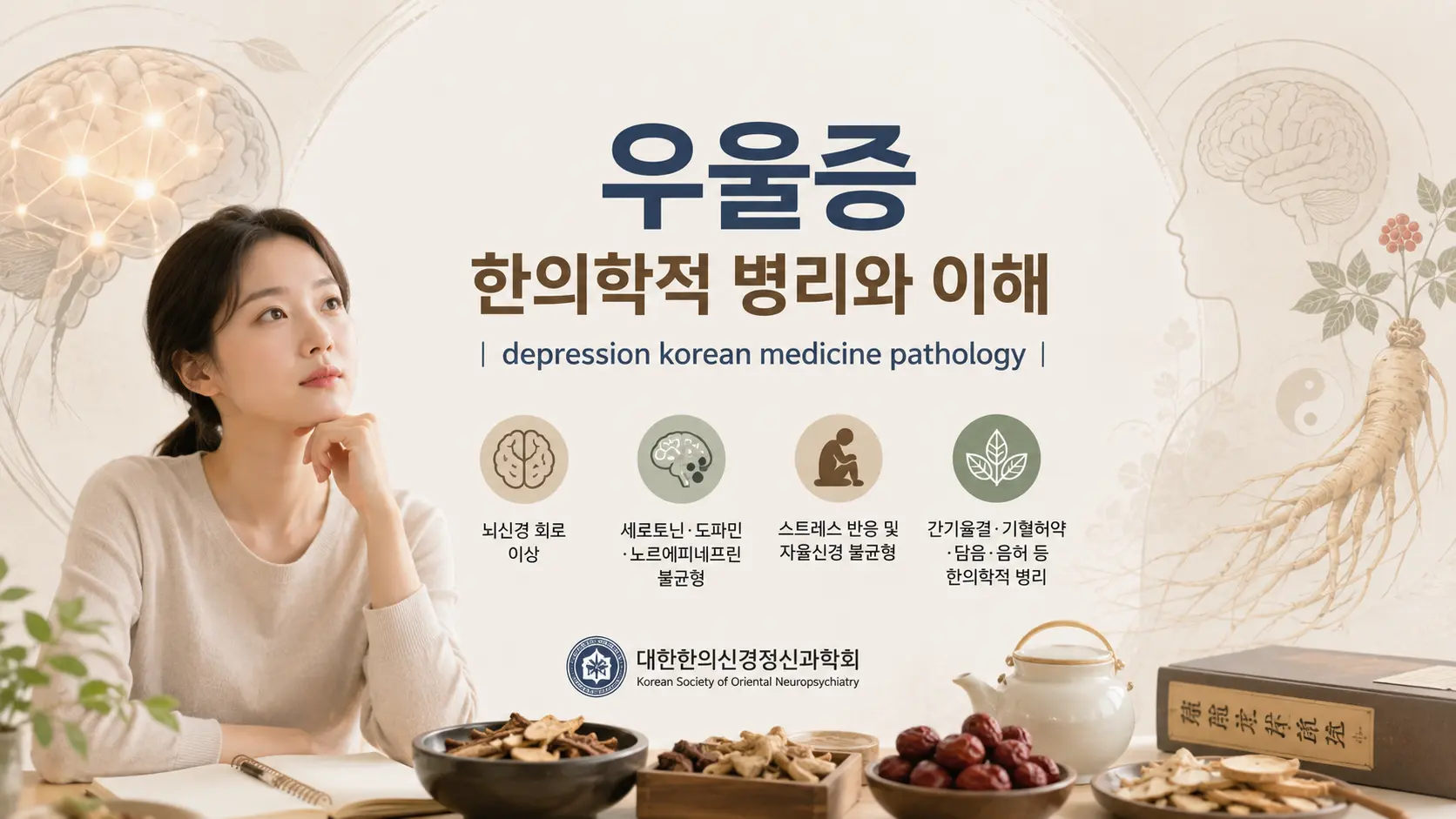
  • 우울증 증상 6가지: 주요 특징과 원인 및 신경과학적 이해

    우울증 증상 6가지: 주요 특징과 원인 및 신경과학적 이해

    대한한방신경정신과학회 · 한방신경정신의학

    우울증 증상 6가지: 주요 특징과 원인 및 신경과학적 이해

    우울증 증상의 정서적 변화, 신경전달물질 변화, 스트레스 반응, 한의학적 병리 이해를 학술 정보 관점에서 살펴봅니다.

    우울증 증상을 표현하는 인물의 모습
    우울증은 일시적인 기분 저하와 구별되는 지속적인 정서 및 신체 기능 변화로 이해됩니다.

    우울증 증상 개요

    우울증 증상은 지속적인 우울감과 흥미 감소가 나타나는 대표적인 기분장애의 임상 양상이다. 이러한 상태는 일시적인 기분 저하와는 구별되며, 일상 기능 전반에 영향을 미치는 특징을 가진다.

    현대 의학에서는 우울증을 기분 조절과 관련된 뇌 기능 변화와 신경전달물질의 불균형으로 설명한다. 특히 감정, 동기, 스트레스 반응과 관련된 신경회로의 조절 이상이 중요한 요소로 이해된다.

    한의학에서는 우울증을 정서 활동과 신체 기능의 균형이 무너진 상태로 해석하며, 감정 억제와 기혈 순환의 정체가 신경계 반응과 연결되는 과정으로 이해한다. 이러한 접근은 한방신경정신의학에서 정신신경계 질환을 통합적으로 바라보는 관점과 연결된다. 대한한방신경정신과학회에서는 이러한 정신신경계 질환을 한방신경정신의학적 시각에서 연구하고 있다.

    우울증 증상 인포그래픽
    우울증 증상은 정서, 인지, 수면, 신체 에너지 변화로 함께 나타날 수 있습니다.

    우울증 증상 6가지 주요 특징

    우울증에서는 다양한 정서적, 인지적, 신체적 변화가 함께 나타난다. 대표적인 임상 양상은 다음과 같이 정리할 수 있다.

    • 지속적인 우울감과 공허감
    • 흥미 및 즐거움의 감소
    • 피로감 및 에너지 저하
    • 집중력 저하와 결정 어려움
    • 수면 변화
    • 식욕 및 체중 변화

    이와 함께 일상생활의 의욕 저하와 사회적 활동 감소가 나타나며, 대인관계에서도 위축되는 경향이 관찰된다. 이러한 변화는 우울증 증상으로 나타나는 신경계 조절 기능의 변화와 관련된 것으로 이해된다.

    발생 원인

    스트레스 요인

    지속적인 심리적 스트레스나 환경 변화는 정서 조절 기능에 부담을 주며, 우울 증상의 유발 요인으로 작용할 수 있다.

    신경생물학적 변화

    뇌의 신경전달물질 조절 이상과 스트레스 반응 체계의 변화는 우울증 발생과 밀접하게 관련된다.

    생활 환경 요인

    수면 부족, 사회적 고립, 생활 리듬의 불균형 등도 우울증 증상을 악화시키는 요인으로 작용한다.

    우울증 증상과 관련된 신경전달물질 이미지
    세로토닌, 도파민, 노르에피네프린은 기분 조절과 동기, 스트레스 반응에 관여하는 주요 신경전달물질입니다.

    현대 의학적 이해: 세로토닌(serotonin)과 도파민(dopamine) 신경전달 시스템

    우울증은 뇌의 신경전달물질 시스템 변화와 밀접하게 관련된다.

    세로토닌(serotonin)은 기분 안정과 정서 조절에 중요한 역할을 하며, 도파민(dopamine)은 동기와 보상 체계에 관여한다. 또한 노르에피네프린(norepinephrine)은 각성과 스트레스 반응 조절과 관련된다.

    이러한 신경전달물질의 기능 변화는 우울감, 의욕 저하, 집중력 감소와 같은 우울증 증상으로 이어질 수 있다. 더불어 스트레스 반응을 조절하는 HPA axis의 과활성 역시 중요한 기전으로 설명된다.

    이러한 신경생물학적 변화는 한의학에서 설명하는 간기울결(肝氣鬱結), 심비양허(心脾兩虛), 기혈양허(氣血兩虛)와 같은 정서 조절과 에너지 균형 변화와 기능적으로 연결되는 측면이 있다고 해석되기도 한다.
    우울증 증상과 스트레스 반응을 표현한 신경계 이미지
    우울증 증상과 관련된 스트레스 반응 체계의 변화는 우울감, 피로감, 수면 변화와 연결될 수 있습니다.

    한의학적 병리 이해

    한의학에서는 이러한 상태를 정서 변화와 신체 기능 균형의 관점에서 설명한다. 특히 스트레스 반응과 신경계 긴장이 지속될 때 나타나는 병리적 변화를 중심으로 이해한다.

    간기울결(肝氣鬱結)은 정서적 억압과 스트레스가 지속되면서 기의 흐름이 정체되는 상태를 의미한다. 이러한 기의 울체는 신경계 긴장을 증가시키고, 감정 표현의 저하 및 답답함, 우울감으로 이어지는 과정으로 설명된다.

    심비양허(心脾兩虛)는 과도한 사고와 정서적 소모가 지속되면서 심과 비의 기능이 약화되는 상태를 의미한다. 이는 집중력 저하, 피로감, 수면 문제와 같은 증상으로 연결되며, 신경계 에너지 조절 기능의 저하와 관련된 것으로 해석된다.

    기혈양허(氣血兩虛)는 전반적인 에너지와 영양 공급 기능이 부족한 상태로, 뇌 기능과 신경계 활동의 저하로 이어질 수 있다. 이는 무기력, 의욕 저하, 전신 피로감과 같은 반응과 연결된다.

    이와 같이 간기울결, 심비양허, 기혈양허와 같은 병리 개념은 단순한 이론적 분류가 아니라, 스트레스 반응과 신경계 조절 기능 변화, 그리고 실제 임상 양상 사이의 연관성을 설명하는 틀로 활용된다.

    우울증의 한의학적 병리 개념을 표현한 이미지
    한의학적 병리 개념은 정서 변화와 신체 기능 균형의 관계를 설명하는 틀로 활용됩니다.

    한의학적 치료 접근

    한의학 치료에서는 신경계 안정과 자율신경 균형 회복을 중요한 치료 목표로 설명한다.

    이를 위해 기혈 순환을 원활하게 하고, 정서적 긴장을 완화하며, 신체 회복 기능을 높이는 방향으로 접근한다. 침 치료와 한약 치료 등 다양한 한의학적 방법이 활용될 수 있으며, 신경계의 과도한 긴장을 완화하고 전반적인 생리적 균형을 조절하는 데 초점을 둔다.

    또한 생활 리듬의 안정화와 스트레스 관리 역시 중요한 요소로 함께 고려된다.

    우울증 증상 치료 접근 이미지
    치료 접근에서는 신경계 안정, 자율신경 조절, 신체 회복 과정이 함께 고려됩니다.

    정리

    우울증 증상은 정서적 변화뿐만 아니라 신경전달물질과 뇌 기능 조절 이상이 복합적으로 작용하는 정신신경계 질환의 핵심 양상이다.

    현대 의학에서는 신경전달물질과 스트레스 반응 체계의 변화로 설명하며, 한의학에서는 간기울결, 심비양허, 기혈양허와 같은 병리 개념을 통해 정서와 신체 기능의 불균형으로 이해한다.

    이러한 통합적 관점은 정신질환을 단순한 심리 문제로 보지 않고, 신경계와 신체 기능 전반의 상호작용으로 해석하는 한방신경정신의학의 특징을 보여준다. 대한한방신경정신과학회에서도 이러한 관점을 바탕으로 정신신경계 질환에 대한 연구와 이해를 확장하고 있다.