Overview
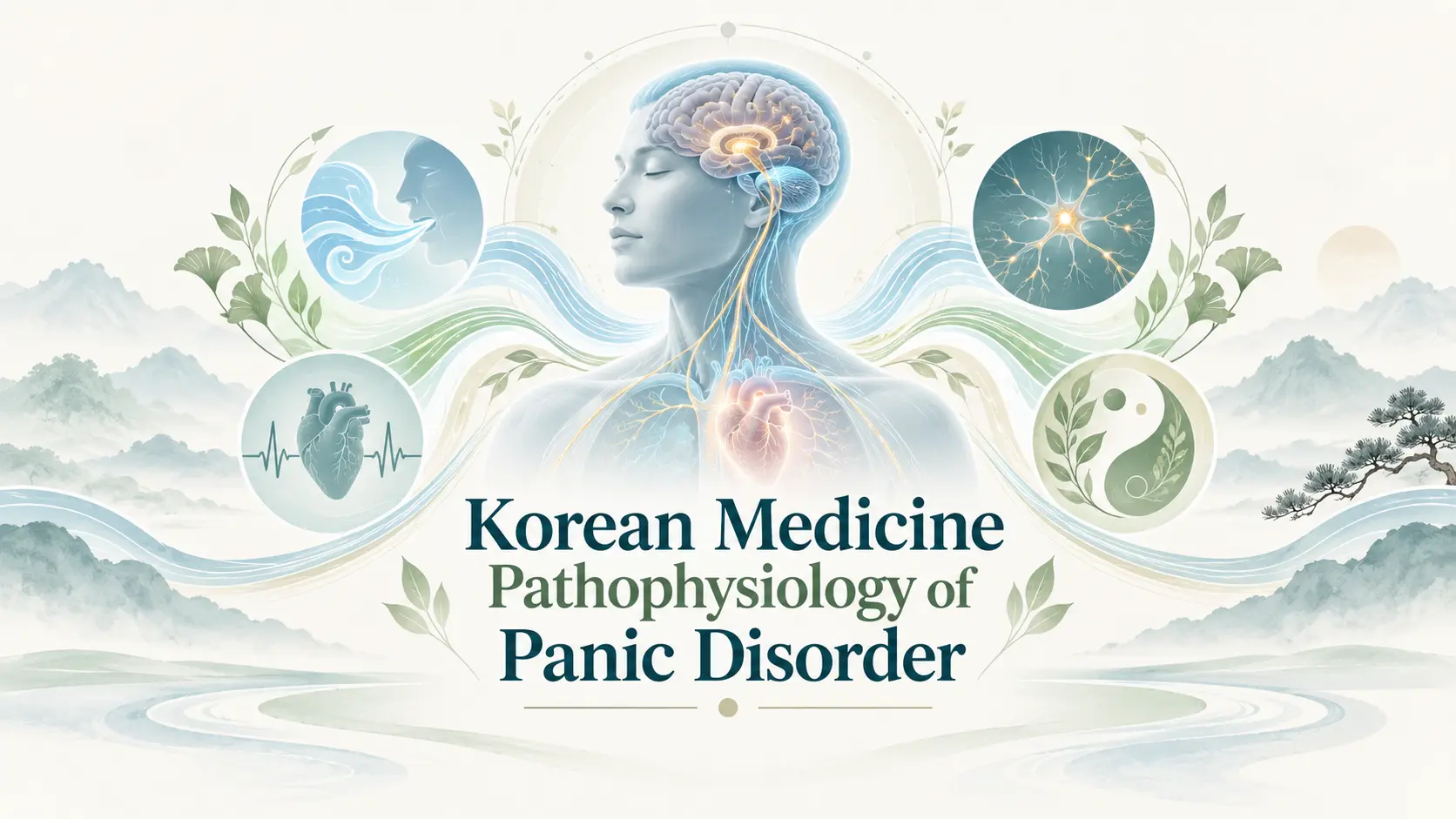
Panic disorder is a condition characterized by recurrent, unexpected panic attacks accompanied by persistent concern about additional attacks or behavioral changes related to their possible recurrence. panic disorder korean medicine pathology is a framework for examining these symptoms in relation to emotional regulation, autonomic nervous system activity, stress responses, and Korean medicine patterns of functional imbalance.
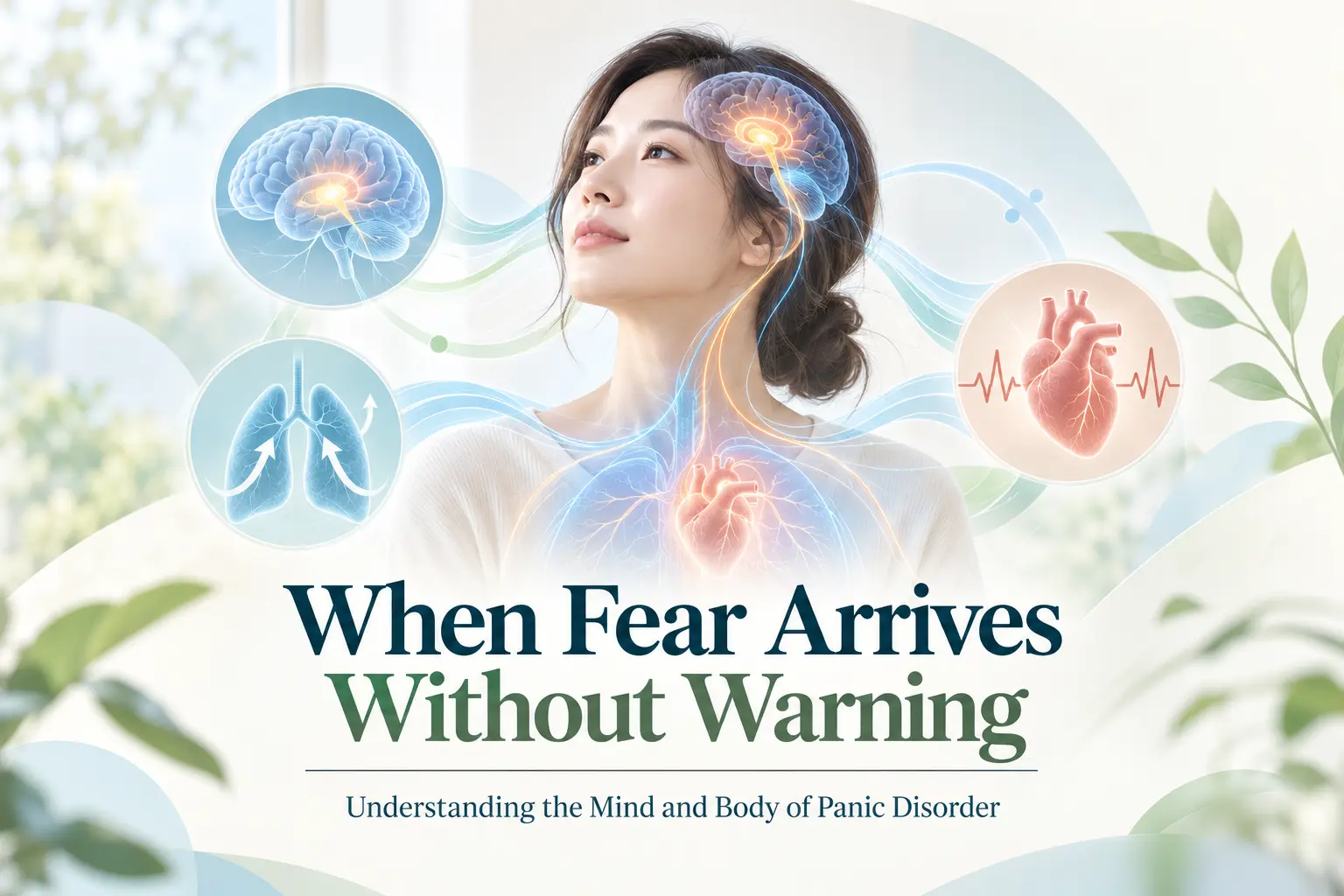
A panic attack is described as an abrupt episode of intense fear or discomfort that may involve palpitations, shortness of breath, chest discomfort, dizziness, trembling, sweating, and a sense of impending danger. The episode involves both subjective fear and physiological arousal.
Modern medicine explains the disorder as a condition involving dysregulation of the brain’s fear circuit, including the amygdala and its interactions with cortical, limbic, hypothalamic, and brainstem structures, together with autonomic hyperarousal and altered stress-response regulation.
In Korean medicine, the condition is understood as a disturbance of coordinated mind-body regulation that may be explained through patterns such as heart-gallbladder deficiency, phlegm-fire disturbance, qi stagnation, and functional deficiency.
These perspectives employ different theoretical languages but examine overlapping dimensions of emotional threat processing and physiological response. panic disorder korean medicine pathology describes the Korean medicine dimension without treating traditional pattern concepts as direct anatomical equivalents of neural structures.
Korean Medicine Neuropsychiatry studies psychiatric and psychosomatic conditions through relationships among emotional states, bodily functions, nervous system regulation, and traditional Korean medicine pathophysiology. The Korean Society of Oriental Neuropsychiatry studies and investigates these relationships as an academic body in the field.
Clinical Features
Core Symptoms and Panic Attacks
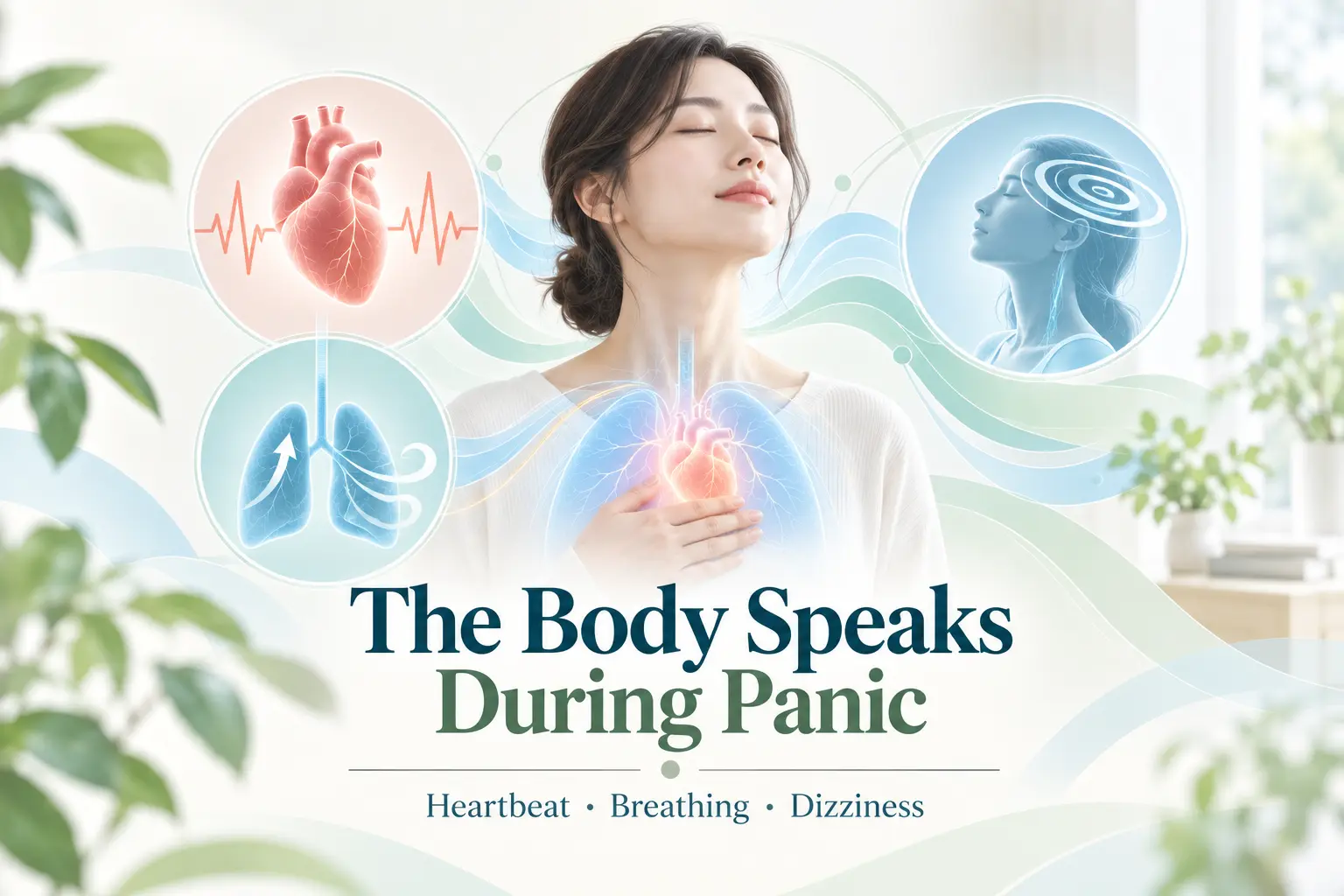
The central clinical feature of panic disorder is the panic attack. Panic attacks involve rapidly increasing fear or discomfort and commonly reach high intensity within a short period. Symptoms may include accelerated heart rate, pounding heartbeat, sweating, trembling, respiratory discomfort, choking sensations, chest pressure, nausea, dizziness, chills or heat sensations, numbness, derealization, depersonalization, fear of losing control, and fear of death.
These manifestations are associated with simultaneous changes in cognitive threat appraisal and physiological arousal. A person may interpret an increased heartbeat as evidence of imminent danger or mild breathlessness as a sign of serious physical dysfunction. Such interpretations can increase fear and further activate the autonomic nervous system.
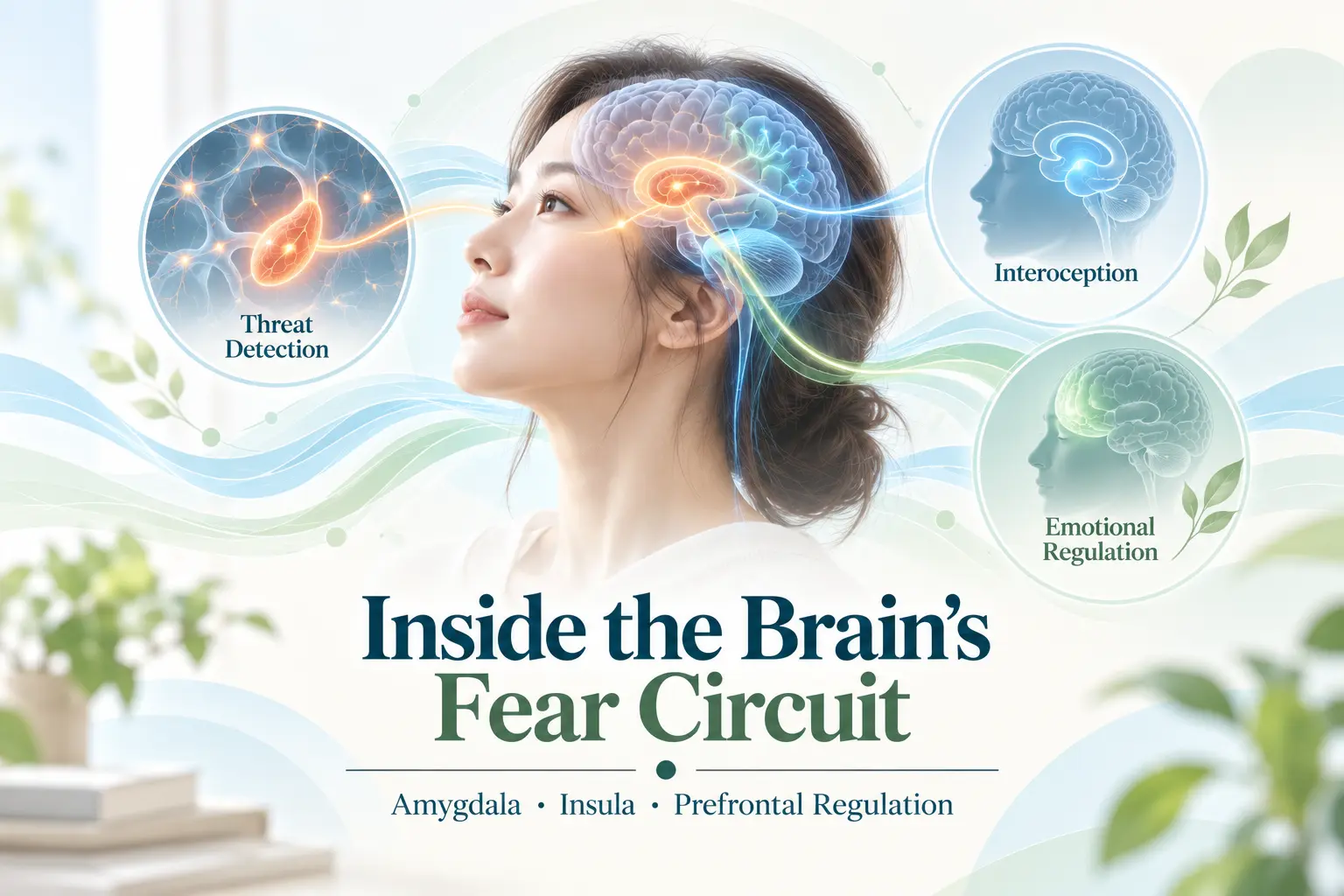
From a neuroscience perspective, this process may be explained by increased sensitivity within the fear circuit and heightened attention to internal bodily signals. The amygdala contributes to threat detection, while the insula participates in representation of internal bodily states. Prefrontal and anterior cingulate regions participate in appraisal and regulation of emotional responses.
In panic disorder korean medicine pathology, sudden fear accompanied by palpitations, restlessness, chest discomfort, dizziness, or respiratory sensations may be interpreted according to the functional Korean medicine pattern expressed by the individual.
Anticipatory Anxiety and Behavioral Patterns
Panic disorder also affects the period between attacks. Individuals may become increasingly attentive to heartbeat, respiration, dizziness, gastrointestinal sensations, or changes in consciousness because these sensations have become associated with previous panic attacks.
Anticipatory anxiety is described as persistent apprehension about when another attack might occur and what its consequences might be. Avoidance of exercise, crowded settings, public transportation, driving, being alone, or situations perceived as difficult to escape may subsequently develop.
From a Korean medicine perspective, prolonged anxiety and repeated physiological tension may be associated with disturbed qi movement. Chronic emotional strain may contribute to qi stagnation and, according to the pattern involved, secondary phlegm or fire manifestations. This relationship forms an important component of panic disorder korean medicine pathology.
Functional Impairment
Recurrent panic attacks and anticipatory anxiety may interfere with occupational activity, education, relationships, sleep, transportation, physical exercise, and independent daily activities. Functional impairment may therefore result not only from the attacks themselves but also from persistent threat prediction and learned avoidance.
Etiology
Stress Response and Vulnerability
Panic disorder does not have a single universal cause. Its development is associated with interactions among biological vulnerability, psychological learning, stressful experiences, environmental influences, and sensitivity to internal physiological sensations.
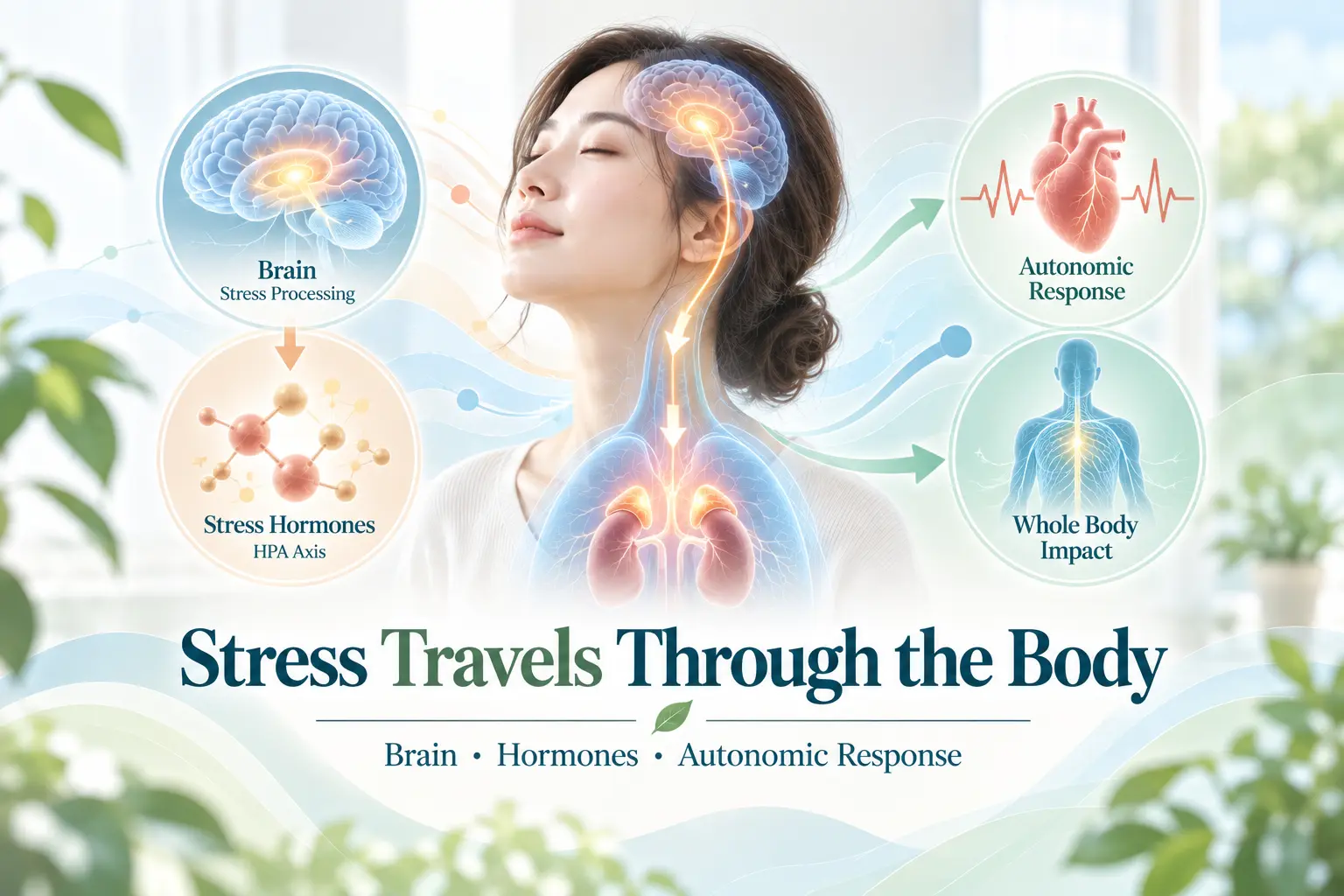
Stress may increase sympathetic nervous system activity, alter respiration, increase muscle tension, and influence the hypothalamic-pituitary-adrenal stress system. In susceptible individuals, ordinary physiological changes related to stress may acquire threatening meanings.
In Korean medicine, prolonged emotional strain may disturb coordinated qi movement. Stress-related constraint may contribute to qi stagnation, while persistent stagnation can be associated with heat, fire, or phlegm-related patterns. This stress-linked transition is one mechanism considered within panic disorder korean medicine pathology.
Amygdala and the Fear Circuit
The amygdala is a core structure involved in detecting biologically relevant threats and coordinating defensive responses. The neural fear circuit associated with panic includes interactions among the amygdala, prefrontal cortex, anterior cingulate cortex, insula, hippocampus, hypothalamus, and brainstem.
Panic attacks may be explained in part by excessive or poorly regulated activation of this network. Amygdala overactivation can facilitate rapid threat responses, whereas altered cortical regulation may influence the ability to contextualize or inhibit these reactions.
Brainstem and hypothalamic pathways subsequently influence cardiovascular, respiratory, endocrine, and behavioral responses. The insula is also relevant because it participates in interoception, the perception of the body’s internal physiological state.
Within panic disorder korean medicine pathology, heightened responsiveness to fear and bodily sensations may be examined alongside heart-gallbladder deficiency, a pattern associated with reduced functional stability in response to fright and emotional stimulation. These concepts are not anatomically interchangeable.
General information about mental health conditions and contemporary psychiatric research is available from the National Institute of Mental Health (NIMH) .
Neurotransmitters and Fear Regulation
Several neurotransmitter systems are associated with anxiety and fear regulation. Serotonin contributes to mood and anxiety regulation. Norepinephrine participates in vigilance, arousal, and sympathetic responses. Gamma-aminobutyric acid, or GABA, provides inhibitory regulation throughout neural networks, while glutamate contributes to excitatory signaling and fear learning.
Altered relationships among these signaling systems may influence the threshold at which threat-related neural networks become activated. Norepinephrine-associated arousal may intensify cardiovascular and vigilance responses, while altered inhibitory and excitatory regulation may influence fear-circuit reactivity.
Korean medicine does not describe neurotransmitters as traditional theoretical entities. However, panic disorder korean medicine pathology examines clinical patterns involving excessive activation, reduced stabilization, impaired qi movement, or phlegm-fire disturbance alongside contemporary physiological observations.
Physiological System Changes
Autonomic Nervous System
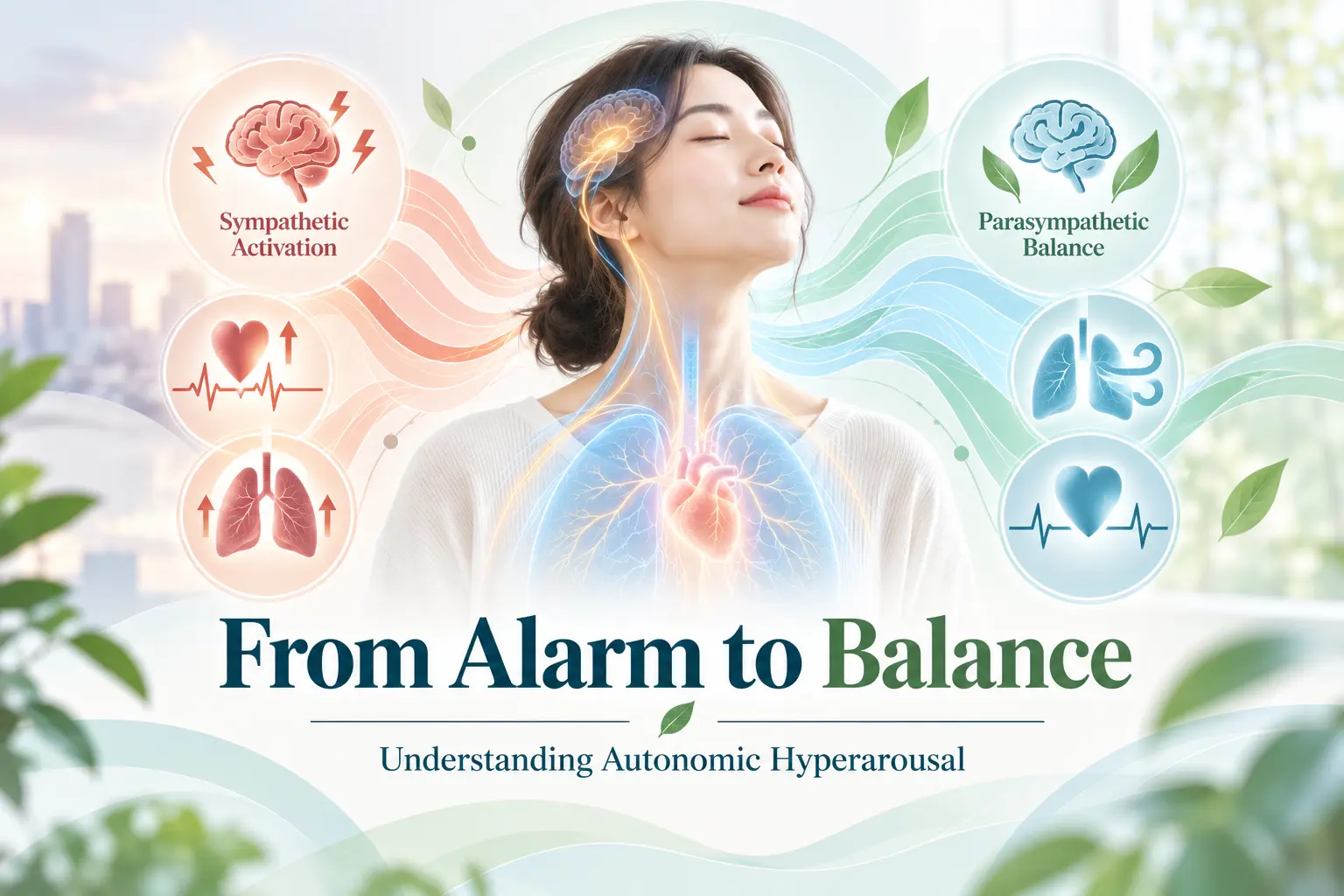
The autonomic nervous system regulates involuntary processes including heart rate, vascular tone, respiration, digestion, sweating, and aspects of pupillary response. During perceived danger, sympathetic activity supports rapid defensive responses, while parasympathetic mechanisms contribute to recovery and physiological stabilization.
Autonomic hyperarousal is considered to be an important physiological feature associated with panic attacks. Increased sympathetic activation may produce tachycardia, sweating, trembling, respiratory changes, and gastrointestinal sensations.
A feedback process may subsequently develop: threat perception increases autonomic activity, bodily sensations become more prominent, and these sensations may further intensify perceived threat. In panic disorder korean medicine pathology, this recurring dysregulation may be examined in relation to disturbed qi dynamics, deficiency, phlegm, and fire patterns.
The panic disorder korean medicine pathology framework also examines how repeated autonomic arousal may interact with individualized patterns of stress-related functional imbalance and reduced physiological recovery.
Stress Hormones and Body Responses
Stress Hormone Regulation
The hypothalamic-pituitary-adrenal axis contributes to physiological adaptation to stress. Stress-related signaling influences endocrine responses including cortisol secretion. Cortisol participates in energy regulation, cardiovascular function, immune modulation, and adaptation to changing environmental demands.
Panic disorder cannot be reduced to a single cortisol abnormality because stress-hormone findings can vary according to individual characteristics, physiological state, timing, and chronicity. Stress-response dysregulation is nevertheless associated with broader mechanisms of anxiety and autonomic arousal.
From a Korean medicine perspective, repeated stress responses may be understood as placing continuing demands on regulatory functions. Chronic emotional constraint can coexist with qi stagnation, while prolonged physiological strain may be associated with deficiency patterns. This relationship is relevant to panic disorder korean medicine pathology when symptoms become recurrent or prolonged.
Respiratory and Cardiovascular Responses
Changes in respiration can contribute to panic symptoms. Rapid or deep breathing may alter carbon dioxide levels and contribute to dizziness, tingling, lightheadedness, or feelings of unreality. When these sensations are interpreted as dangerous, fear can intensify.
Cardiovascular responses may include increased heart rate and stronger cardiac contractions. Although such responses can occur as part of sympathetic activation, their sudden appearance may be perceived as evidence of serious physical danger.
Korean medicine may organize prominent palpitations, chest oppression, respiratory discomfort, and agitation according to the individual’s functional pattern. Qi stagnation may be associated with a subjective sense of constraint, while phlegm-related patterns may accompany chest fullness, dizziness, or sensations described as obstruction.
Broader information concerning mental health and its relationship with health and functioning can be reviewed through the World Health Organization mental health resource .
Korean Medicine Pathophysiology
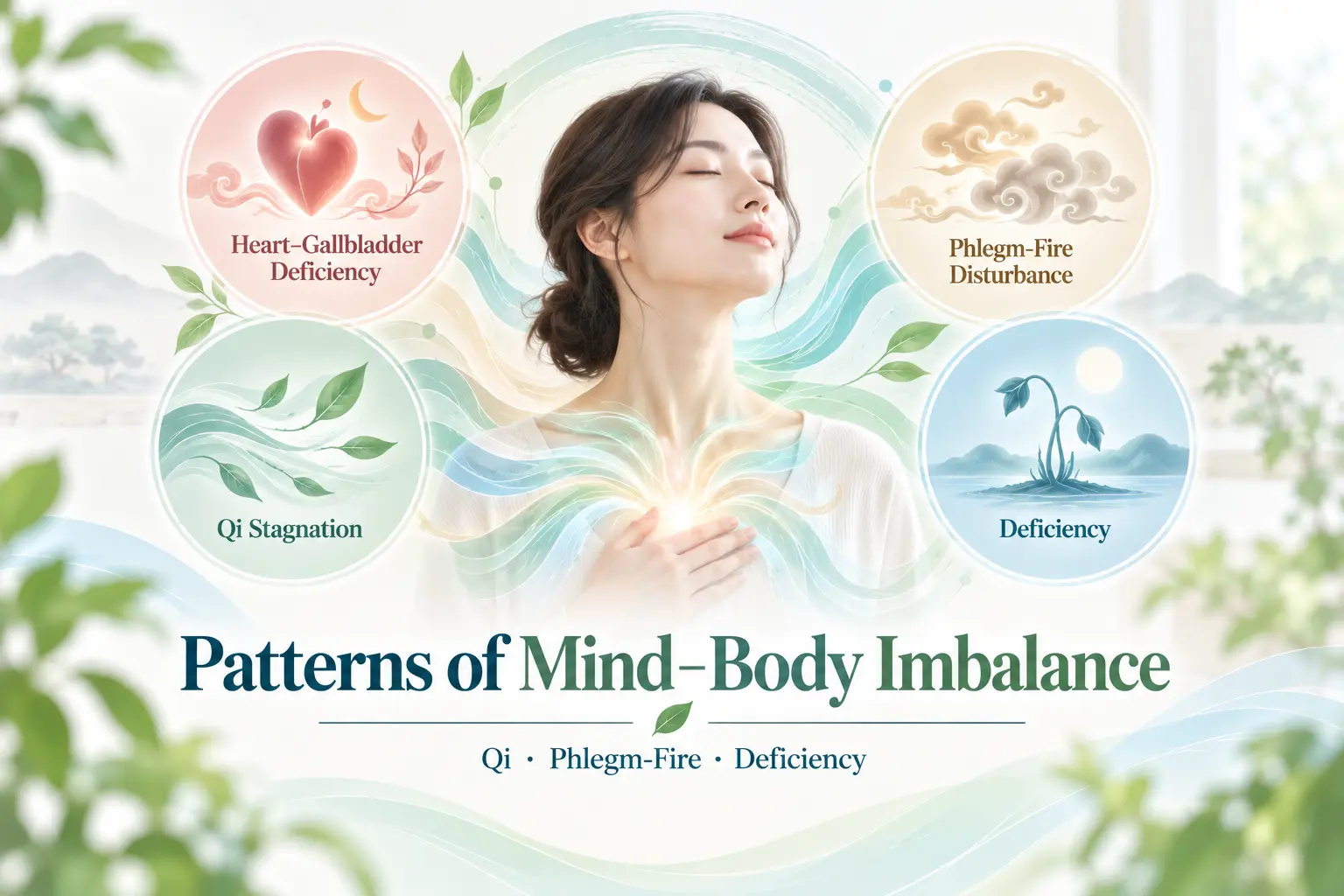
panic disorder korean medicine pathology does not define every person with panic disorder through one fixed traditional pattern. Korean medicine pattern differentiation organizes individual combinations of emotional, autonomic, somatic, sleep-related, and recovery-related manifestations.
Heart-Gallbladder Deficiency
Heart-gallbladder deficiency is a Korean medicine pattern associated with susceptibility to fear, easy startling, palpitations, anxiety, restlessness, and reduced emotional stability. It may be understood as a state in which functional resilience to emotional stimulation is insufficient.
In relation to neuroscience, the symptom pattern can be discussed alongside heightened responsiveness of neural fear systems and autonomic activation. The Korean medicine terms heart and gallbladder represent functional concepts and are not equivalent to the anatomical organs alone.
Phlegm-Fire Disturbance
Phlegm-fire disturbance describes a pattern in which pathological phlegm and excessive heat or fire interfere with mental and physiological stability. It may be associated with restlessness, chest oppression, dizziness, palpitations, irritability, disturbed sleep, or intense emotional activation.
From a neuroscience perspective, some of these manifestations overlap phenomenologically with autonomic hyperarousal and heightened activation of threat-related networks. panic disorder korean medicine pathology uses the pattern to organize a constellation of emotional and somatic manifestations rather than equating phlegm-fire with one neural structure.
Qi Stagnation
Qi stagnation is understood as constrained functional movement of qi and is frequently discussed in relation to persistent emotional stress. It may be associated with chest tightness, sighing, subjective obstruction, emotional tension, and fluctuating symptoms.
Modern physiology may describe related manifestations through sustained muscle tension, altered breathing patterns, autonomic activation, and increased interoceptive attention. The two explanatory systems remain conceptually distinct.
Qi and Blood Deficiency
Qi and blood deficiency may become relevant when recurrent anxiety is accompanied by fatigue, weakness, poor concentration, sleep disturbance, palpitations, dizziness, or reduced recovery following stress.
Chronic stress, persistent vigilance, poor sleep, and repeated autonomic activation may also impair subjective recovery from a modern physiological perspective. Korean medicine conceptualizes this clinical configuration through deficiency patterns.
Yin Deficiency
Yin deficiency may be considered when prolonged emotional or physiological strain is accompanied by restlessness, sleep disturbance, internal heat sensations, or persistent activation.
This pattern can be discussed alongside impaired physiological recovery without defining the two concepts as equivalent. Modern neuroscience emphasizes regulatory networks and homeostasis, whereas Korean medicine describes a functional balance between activating and restorative properties.
Taken together, heart-gallbladder deficiency, phlegm-fire disturbance, qi stagnation, qi-blood deficiency, and yin deficiency demonstrate that panic disorder korean medicine pathology is an individualized pattern framework rather than a single fixed pathophysiological diagnosis.
The academic framework and related Korean medicine neuropsychiatric concepts can be explored further through the Korean Medicine Neuropsychiatry resource .
Treatment Perspective
From the perspective of Korean Medicine Neuropsychiatry, treatment is understood as a process of regulating functional disturbances associated with emotional arousal, autonomic imbalance, stress responses, and individually differentiated Korean medicine patterns.
The neurological and psychological treatment perspective on panic disorder focuses on reducing excessive fear responses, modifying threatening interpretations of bodily sensations, decreasing avoidance, and improving regulation of neural and autonomic systems.
Recovery is associated with reducing the tendency to interpret ordinary physiological changes as imminent threats and strengthening adaptive regulation of fear.
From a Korean medicine perspective, therapeutic principles vary according to pattern differentiation. Heart-gallbladder deficiency emphasizes support of functional stability in individuals who are easily frightened or startled. Phlegm-fire disturbance emphasizes regulation of an activated and obstructed pattern, while qi stagnation emphasizes restoration of coordinated functional movement.
Qi-blood and yin deficiency patterns emphasize restoration when chronic symptoms coexist with fatigue, sleep disturbance, or diminished resilience. Within panic disorder korean medicine pathology, the clinical pattern is therefore understood dynamically rather than as a fixed label.
Autonomic balance is relevant to both frameworks. Panic attacks involve sympathetic activation and bodily defensive responses, whereas recovery requires effective downregulation following perceived threat. Korean medicine describes related clinical goals through restoration of coordinated functional balance rather than sympathetic and parasympathetic terminology alone.
Integrated Perspective
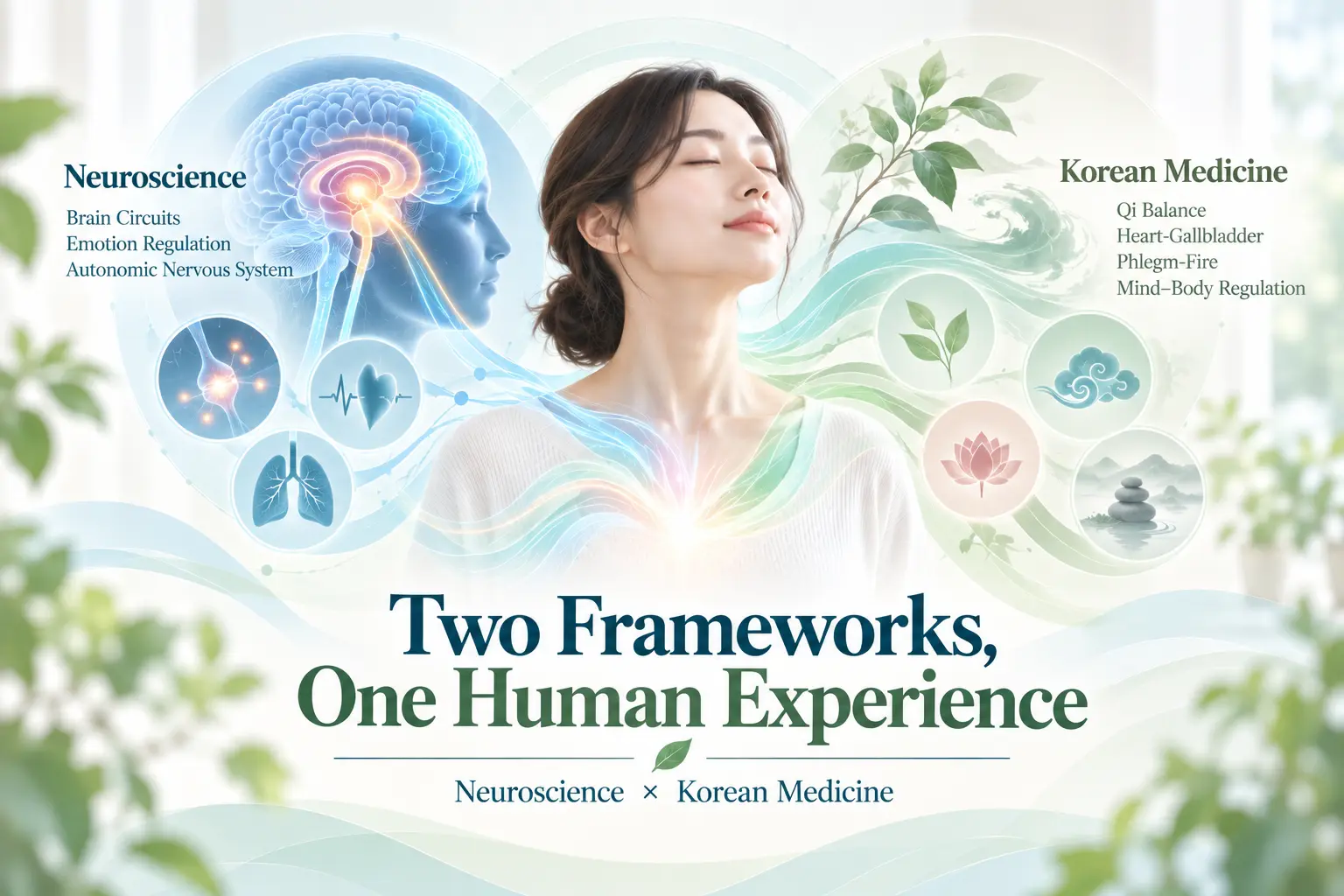
The integrated perspective does not require the assumption that Korean medicine patterns and neural mechanisms are biologically identical. Each framework can instead describe a different level of the clinical phenomenon.
Neuroscience characterizes amygdala responsiveness, fear circuits, interoception, neurotransmission, autonomic activity, stress physiology, and learning processes. panic disorder korean medicine pathology characterizes functional relationships among emotional disturbance, qi movement, phlegm, fire, and deficiency patterns.
Understanding panic disorder korean medicine pathology requires distinguishing traditional pattern differentiation from the anatomical and neurochemical mechanisms described by contemporary neuroscience.
Examining both levels can provide a structured description of how subjective fear, physiological arousal, anticipatory cognition, behavior, and functional mind-body patterns interact without reducing one explanatory system to the terminology of the other.
Summary
Panic disorder is understood as a psychiatric condition in which recurrent panic attacks interact with anticipatory anxiety, heightened sensitivity to bodily sensations, and behavioral avoidance. Its neurobiology is associated with altered regulation of the amygdala and fear circuit, interoceptive processing, neurotransmitter systems, stress responses, and autonomic hyperarousal.
Panic attacks may be explained by excessive threat-system activation combined with stress-response dysregulation and amplification of cardiovascular, respiratory, and other bodily sensations. These physiological changes can reinforce fear when ordinary internal signals acquire threatening meanings.
In Korean medicine, panic-related manifestations are understood through individualized functional patterns rather than one universal pathology. Heart-gallbladder deficiency may describe susceptibility to fear and startling, phlegm-fire disturbance may characterize intense activation, qi stagnation may describe stress-associated constraint, and qi-blood or yin deficiency may describe reduced restorative capacity.
panic disorder korean medicine pathology therefore provides a systematic framework for examining acute fear, chronic stress, bodily arousal, and functional imbalance. Modern neuroscience and Korean medicine use distinct theoretical systems and should not be treated as direct translations of one another.
Korean Medicine Neuropsychiatry studies and explains these relationships through an academic framework integrating emotional, neurological, autonomic, and Korean medicine concepts. The Korean Society of Oriental Neuropsychiatry actively studies and investigates Korean medicine approaches to neuropsychiatric disorders and integrates relevant clinical and theoretical questions. Together, these academic perspectives provide a framework for examining panic disorder korean medicine pathology alongside contemporary knowledge of neural circuits, stress responses, and autonomic regulation.