[태그:] depression neurobiology

  • Depression Korean Medicine Pathology: 7 Key Mechanisms Explained

    Depression Korean Medicine Pathology: 7 Key Mechanisms Explained

    Depression is a condition characterized by persistent depressed mood, diminished interest or pleasure, cognitive and behavioral changes, and disturbances in biological functions that may produce clinically significant impairment. Depression korean medicine pathology describes an explanatory framework in which emotional, neurological, autonomic, and systemic changes are examined through Korean medicine concepts such as liver qi stagnation, phlegm accumulation, yin deficiency, and qi-blood deficiency.

    Depression is described as a heterogeneous psychiatric disorder rather than a condition caused by one biological abnormality. Understanding depression korean medicine pathology therefore requires consideration of neural circuits, neurotransmitters, stress physiology, environmental influences, and Korean medicine pattern differentiation together while preserving the conceptual distinction between the two medical frameworks.

    Overview

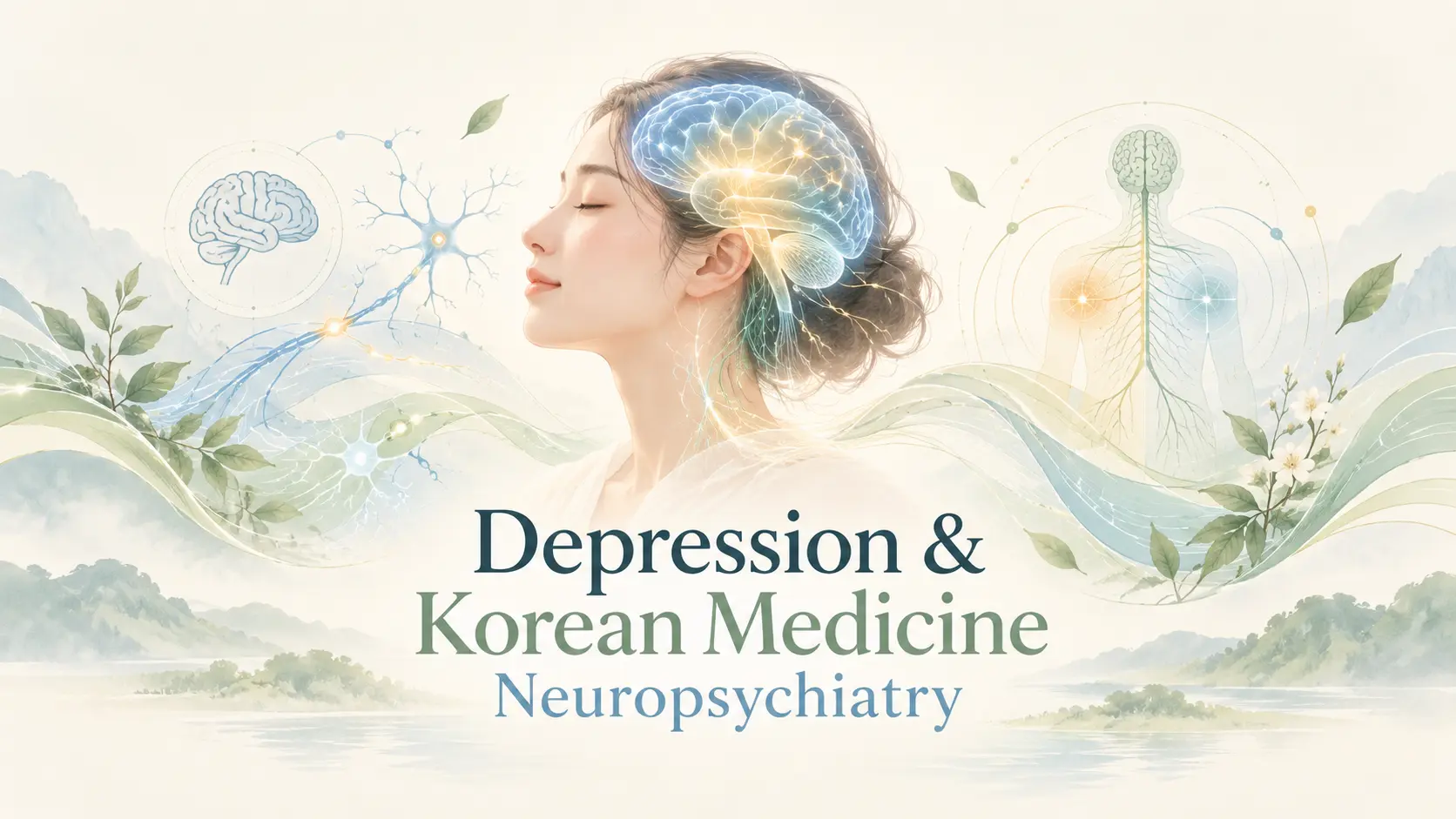
    우울증에서 뇌 신경기전과 한의학적 심신 조절 관점을 함께 표현한 한국인 여성 이미지
    Depression can be examined through both neural regulation and Korean medicine models of mind-body function.

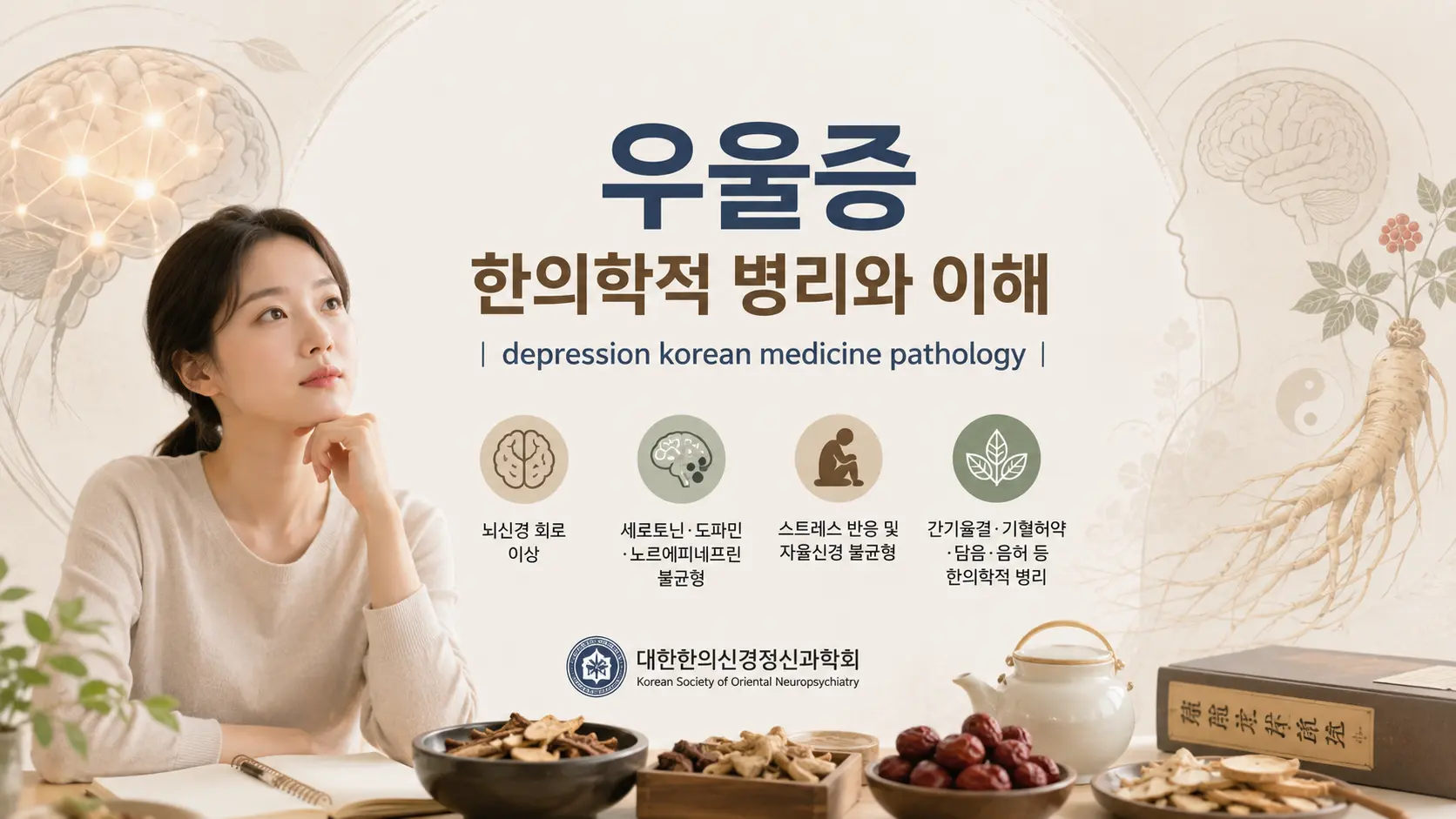
    Modern medicine explains depression as a condition associated with altered mood-regulating neural circuits, stress-response systems, neuroplasticity, and neurotransmitter signaling involving serotonin, dopamine, and norepinephrine. In Korean medicine, the condition is understood as a disorder associated with disturbances in the regulation and circulation of qi, blood, yin, and related functional systems.

    These perspectives employ different theoretical languages. Modern neuroscience evaluates brain networks, neurotransmitter systems, endocrine signaling, autonomic activity, and behavior, whereas depression korean medicine pathology examines patterns such as liver qi stagnation, qi-blood deficiency, phlegm accumulation, and yin deficiency in relation to mental and bodily symptoms.

    From a neuroscience perspective, depression is associated with altered activity and connectivity involving the prefrontal cortex, anterior cingulate cortex, amygdala, hippocampus, striatum, and other components of limbic and reward networks. These systems participate in emotional processing, memory, cognitive control, motivation, and adaptation to stress.

    From the perspective of Korean Medicine Neuropsychiatry, depressive symptoms are examined through interactions between mental-emotional functions and systemic physiological regulation. Depression korean medicine pathology may explain prolonged emotional constraint through liver qi stagnation and persistent fatigue or reduced resilience through qi and blood deficiency.

    The Korean Society of Oriental Neuropsychiatry studies and integrates Korean medicine neuropsychiatric concepts with contemporary approaches to psychiatric symptoms, stress regulation, and clinical assessment.

    Clinical Features

    The core clinical features of depression include persistent sadness or depressed mood, loss of interest or pleasure, decreased motivation, fatigue, impaired concentration, feelings of worthlessness or excessive guilt, and recurrent thoughts concerning death in some individuals. Disturbances of sleep, appetite, psychomotor activity, and energy are also frequently observed.

    Depression is considered to be clinically significant when symptoms persist with sufficient severity to interfere with occupational, academic, interpersonal, or everyday functioning. Behavioral withdrawal may reduce exposure to rewarding experiences, while cognitive changes may make decision-making and sustained attention more difficult.

    Anhedonia and motivational impairment are associated with alterations in reward-related networks involving the ventral striatum and prefrontal regions. Dopamine is particularly relevant to motivation and reward learning, while prefrontal-limbic interactions contribute to cognitive control over emotional responses.

    Bodily symptoms are also relevant to depression korean medicine pathology. Headache, gastrointestinal discomfort, generalized heaviness, fatigue, muscular tension, palpitations, and nonspecific pain may accompany emotional symptoms. Neuroscience may relate these manifestations to autonomic regulation, sleep disturbance, stress physiology, and interoceptive processing, while Korean medicine may organize them according to qi stagnation, deficiency, or phlegm-related patterns.

    Etiology

    만성 스트레스와 뇌 회로 및 한의학적 간기울결의 관계를 표현한 한국인 직장인 이미지
    Persistent stress influences neural, endocrine, autonomic, and behavioral regulation.

    Stress Response and Vulnerability

    Depression does not have a single universal cause. It is understood as developing through interactions among biological vulnerability, psychological processes, stressful experiences, social conditions, and environmental exposures. Genetic susceptibility may influence stress sensitivity and neural function, but genetic factors interact with developmental and environmental conditions.

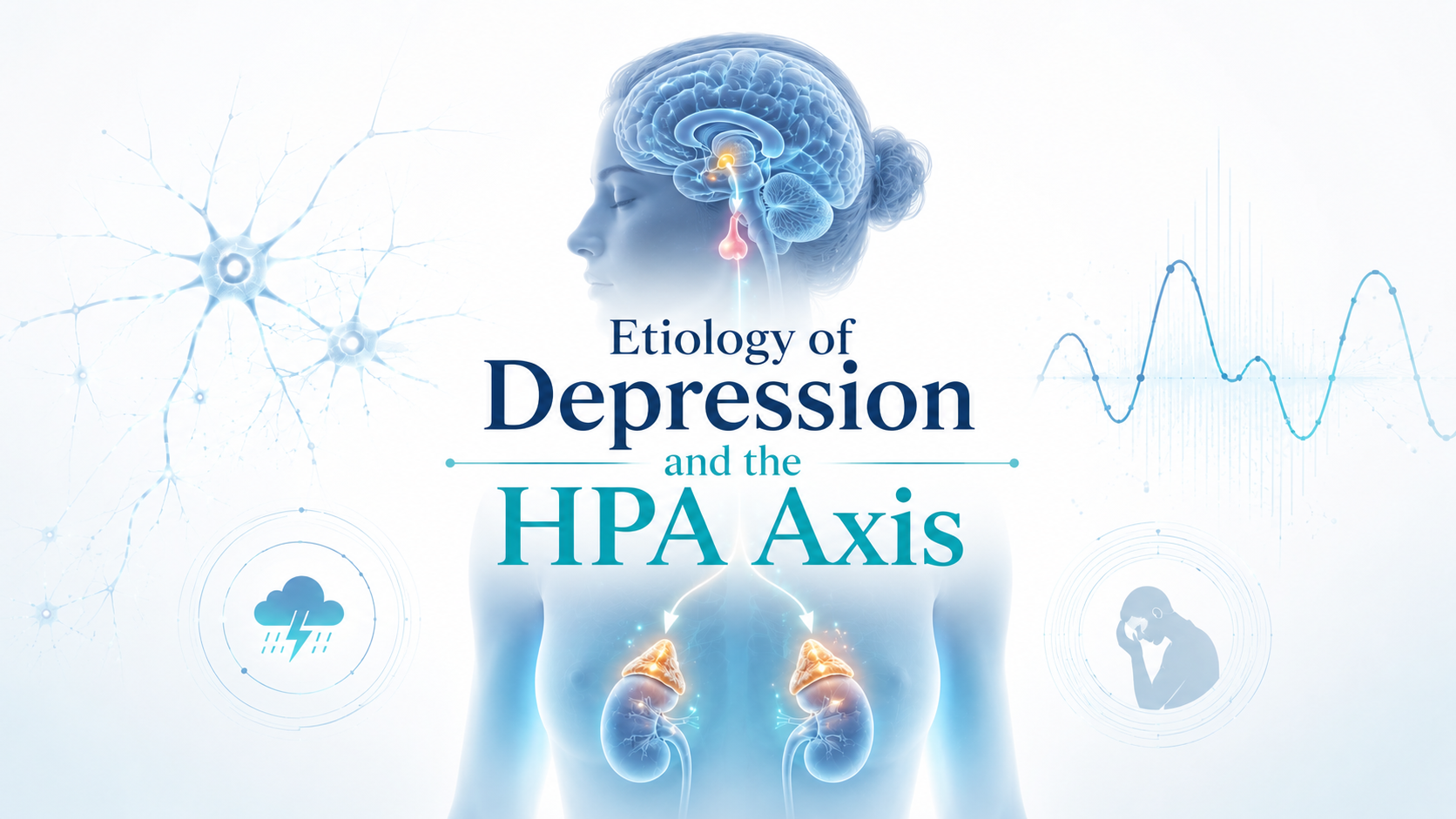
    Chronic psychosocial stress may activate the hypothalamic-pituitary-adrenal axis, commonly known as the HPA axis. This system coordinates endocrine responses to stress and contributes to cortisol secretion. Prolonged or poorly regulated stress signaling may be associated with changes in sleep, metabolism, cognition, immune function, and emotional regulation.

    Within depression korean medicine pathology, prolonged emotional stress may be understood as interfering with the smooth regulation of qi. Liver qi stagnation is associated with patterns involving depressed mood, irritability, subjective tension, chest or abdominal discomfort, and symptoms that fluctuate according to emotional stress.

    Liver qi stagnation and HPA-axis dysregulation are not equivalent biological mechanisms. They belong to different explanatory systems, although both frameworks investigate relationships between persistent stress, emotional changes, and systemic physiological responses.

    Neural Circuits and Neurotransmitters

    우울증의 세로토닌 도파민 노르에피네프린과 뇌 신경회로를 설명하는 한국인 모델 이미지
    Serotonin, dopamine, and norepinephrine participate in distributed systems involved in mood and stress regulation.

    Neurobiological models emphasize distributed brain networks rather than one isolated region. The prefrontal cortex contributes to executive regulation and cognitive control, the anterior cingulate cortex participates in emotional evaluation, and the amygdala processes emotionally salient information. The hippocampus contributes to learning, contextual memory, and stress regulation.

    Reward-related regions, particularly the ventral striatum, are relevant to anhedonia and motivational impairment. Altered functional relationships among prefrontal, limbic, hippocampal, and striatal systems may therefore contribute to persistent negative affect, impaired cognitive regulation, and reduced motivation.

    Serotonin is associated with mood regulation, emotional processing, sleep, appetite, and stress adaptation. Dopamine is associated with motivation, reward processing, reinforcement learning, and psychomotor activity. Norepinephrine is associated with arousal, attention, vigilance, energy regulation, and physiological stress responses.

    Changes in these neurotransmitter systems may contribute to depression, but contemporary neuroscience does not define depression as a simple chemical deficiency. This distinction is also important when evaluating depression korean medicine pathology, because Korean medicine patterns should not be reduced to the concentration of an individual neurotransmitter.

    Environmental Influences

    Adverse childhood experiences, interpersonal loss, social isolation, occupational or academic stress, chronic illness, financial strain, disrupted sleep, and persistent interpersonal conflict may increase vulnerability to depressive symptoms. Protective factors such as supportive social relationships, restorative sleep, physical activity, adaptive coping strategies, and appropriate healthcare may influence resilience and recovery.

    Environmental influences may be explained through their effects on psychological learning and physiological stress systems. In depression korean medicine pathology, repeated emotional suppression or persistent frustration may contribute to qi stagnation, while prolonged illness or insufficient physiological recovery may be interpreted as contributing to qi and blood deficiency.

    Physiological System Changes

    Depression Korean Medicine Pathology showing neural regulation and Korean medicine patterns
    Autonomic and endocrine regulation connects emotional stress with measurable bodily responses.

    Autonomic Nervous System

    The autonomic nervous system regulates involuntary functions including heart rate, vascular tone, gastrointestinal activity, sweating, and aspects of respiratory regulation. Depression is associated in some individuals with altered sympathetic and parasympathetic regulation and reduced physiological flexibility during stress and recovery.

    Autonomic changes may be experienced as palpitations, gastrointestinal discomfort, chest tightness, altered breathing patterns, sweating, or generalized physical tension. These manifestations are not specific to depression, but they demonstrate the close relationship between emotional processing and bodily regulation.

    Korean medicine also describes emotional and somatic functions as interconnected. Within depression korean medicine pathology, qi stagnation may be associated with both emotional constraint and sensations of physical tension or fullness. Neuroscience investigates comparable clinical questions through central stress circuits, autonomic signaling, and visceral responses without treating the Korean medicine concept as an anatomical equivalent.

    Stress Hormones and Systemic Responses

    The HPA axis represents a major biological pathway connecting perceived stress with endocrine responses. Persistent changes in this system may influence cortisol rhythms and interact with circadian regulation, sleep, metabolism, inflammatory activity, and neural plasticity. However, depression is biologically heterogeneous, and not every individual demonstrates the same hormonal profile.

    Sleep disturbance can further affect emotional reactivity, cognitive control, autonomic regulation, and endocrine function. Appetite and metabolic changes may also occur, producing weight loss or gain depending on the clinical presentation.

    Korean Medicine Pathophysiology

    우울증 한의학 병리의 간기울결과 담음을 스트레스 및 신경계 변화와 함께 표현한 한국인 여성 이미지
    Korean medicine pattern differentiation examines functional relationships among emotional stress and systemic symptoms.

    Korean medicine pathophysiology interprets depression through patterns of functional imbalance rather than assigning every individual the same mechanism. Depression korean medicine pathology therefore includes stagnation, accumulation, deficiency, and mixed patterns that may change as symptoms persist or physiological resilience decreases.

    Liver Qi Stagnation

    Liver qi stagnation
    Prolonged emotional stress → impaired functional regulation → depressed mood, irritability, tension, and somatic discomfort

    Liver qi stagnation is understood as a disturbance in the smooth regulation and movement of qi associated with emotional constraint. Persistent frustration or psychological pressure may be associated with depressed mood, irritability, frequent sighing, digestive changes, chest discomfort, or a subjective sensation of tension.

    Chronic stress simultaneously engages cortical-limbic processing, endocrine responses, and autonomic regulation. Depression korean medicine pathology describes liver qi stagnation using a functional Korean medicine model rather than defining it as a direct counterpart of the amygdala, HPA axis, or autonomic nervous system.

    Phlegm Accumulation

    Phlegm accumulation
    Disrupted systemic regulation → impaired functional clarity → heaviness, cognitive clouding, chest discomfort, and emotional inhibition

    Phlegm in Korean medicine is broader than visible respiratory mucus. Phlegm accumulation is described as a pathological pattern that may involve heaviness, dizziness, chest oppression, digestive disturbance, cognitive clouding, or emotional changes.

    Neuroscience may approach cognitive slowing and bodily heaviness through sleep disturbance, altered arousal, psychomotor changes, interoceptive processing, and dysfunction within cognitive or motivational networks. Korean medicine uses phlegm accumulation to organize a different systemic pattern of overlapping mental and physical manifestations.

    Qi and Blood Deficiency

    우울증의 피로와 수면 저하를 한의학적 기혈허와 음허 관점에서 표현한 한국인 남성 이미지
    Deficiency patterns may organize presentations dominated by fatigue, poor concentration, and impaired restorative function.
    Qi and blood deficiency
    Reduced physiological resilience → insufficient recovery after chronic strain → fatigue, poor concentration, palpitations, sleep disturbance, and reduced vitality

    Qi and blood deficiency is associated with insufficient functional energy and nourishment within Korean medicine theory. It may be considered when depressive symptoms are accompanied by pronounced fatigue, weakness, poor appetite, impaired concentration, sleep disturbance, or diminished resilience.

    Fatigue and cognitive impairment are also major dimensions of depression in neuroscience. Prefrontal function, reward circuitry, sleep physiology, endocrine regulation, inflammatory signaling, serotonin, dopamine, and norepinephrine may all be relevant. Depression korean medicine pathology conceptualizes this presentation through a functional deficiency pattern rather than one molecular mechanism.

    Yin Deficiency

    Yin deficiency
    Diminished restorative regulation → insufficient recovery from prolonged strain → insomnia, restlessness, irritability, and persistent internal activation

    Yin deficiency may be understood as a deficiency pattern involving inadequate restorative or stabilizing functions. In depressive presentations, it may be associated with disturbed sleep, restlessness, irritability, subjective heat sensations, or symptoms that become more apparent during rest.

    The concept may be discussed functionally alongside research concerning sleep, circadian regulation, autonomic balance, and prolonged stress activation. Yin deficiency, however, is not another name for altered cortisol, autonomic dysfunction, or a specific neurotransmitter abnormality.

    Changes Between Patterns

    Korean medicine patterns are not necessarily static. Persistent liver qi stagnation may coexist with phlegm-related patterns, while prolonged illness, chronic stress, or inadequate recovery may contribute to increasing deficiency. An individual may therefore demonstrate both stagnation and deficiency features.

    This dynamic model is an important aspect of depression korean medicine pathology. Modern neuroscience likewise describes depression as an evolving interaction among stress exposure, neuroplasticity, sleep, endocrine responses, behavior, and environmental feedback, although it explains these changes through a different theoretical framework.

    Treatment Perspective

    우울증 회복 과정에서 신경계 조절 자율신경 균형과 한의학적 관점을 통합해 표현한 한국인 여성 이미지
    Recovery can be examined through emotional function, neural regulation, sleep, autonomic balance, and daily functioning.

    From the perspective of Korean Medicine Neuropsychiatry, treatment is understood as a process of identifying individual patterns of emotional and physiological dysregulation and supporting recovery of nervous system regulation, autonomic balance, sleep, cognitive function, and everyday functioning.

    Clinical assessment requires attention to the duration and severity of depressive symptoms, functional impairment, sleep and appetite changes, physical symptoms, psychosocial stressors, and safety. Severe functional deterioration, psychotic symptoms, or suicidal thoughts require timely psychiatric assessment and appropriate safety management.

    From a neuroscience perspective, recovery may involve modification of maladaptive neural-network activity, improved stress regulation, restoration of sleep and circadian stability, greater engagement with rewarding experiences, and adaptive neuroplasticity. Evidence-based psychiatric care may include psychotherapy, pharmacotherapy, behavioral approaches, and other interventions selected according to clinical need.

    In depression korean medicine pathology, treatment principles vary according to pattern differentiation. Liver qi stagnation emphasizes restoration of appropriate qi regulation, while qi-blood deficiency emphasizes support for deficient functional states. Phlegm-related patterns and yin-deficiency patterns are addressed according to their respective symptom configurations.

    These principles should not be interpreted as one-to-one corrections of neurotransmitter concentrations. Serotonin, dopamine, and norepinephrine participate in distributed neural systems, while depression korean medicine pathology describes multidimensional clinical configurations. An integrated academic perspective therefore compares symptoms, autonomic regulation, sleep, stress response, cognition, and functional recovery without treating one framework as a direct replacement for the other.

    Summary

    Depression is described as a heterogeneous psychiatric disorder involving persistent emotional, cognitive, behavioral, and physiological changes. Neural mechanisms include altered function and connectivity involving the prefrontal cortex, anterior cingulate cortex, amygdala, hippocampus, and striatal reward circuits.

    Serotonin, dopamine, and norepinephrine are associated with mood regulation and stress response, while HPA-axis activity, autonomic regulation, sleep, neuroplasticity, environmental stress, and social factors contribute to the broader contemporary model of depression.

    Depression korean medicine pathology is understood through functional patterns including liver qi stagnation, phlegm accumulation, qi and blood deficiency, and yin deficiency. These concepts form a Korean medicine explanatory framework and should not be reduced to individual neurotransmitters, hormones, or anatomical structures.

    An integrated perspective is considered to be academically useful because it distinguishes conceptual systems while identifying shared clinical questions concerning emotional regulation, stress, sleep, autonomic function, cognition, bodily symptoms, and recovery. Depression korean medicine pathology therefore provides a framework for examining Korean medicine pattern differentiation alongside, but not as a replacement for, contemporary neuroscience.

    Korean Medicine Neuropsychiatry studies and explains depression by integrating psychiatric symptoms with Korean medicine theories of emotional and physiological regulation, while the Korean Society of Oriental Neuropsychiatry investigates these relationships as an active academic body. Together, these academic approaches support systematic investigation of depression korean medicine pathology, neural circuits, neurotransmission, stress physiology, autonomic regulation, and clinical pattern differentiation.

  • Neurobiology of Depression and Brain Function Changes

    Neurobiology of Depression and Brain Function Changes

    Overview of Depression Neurobiology

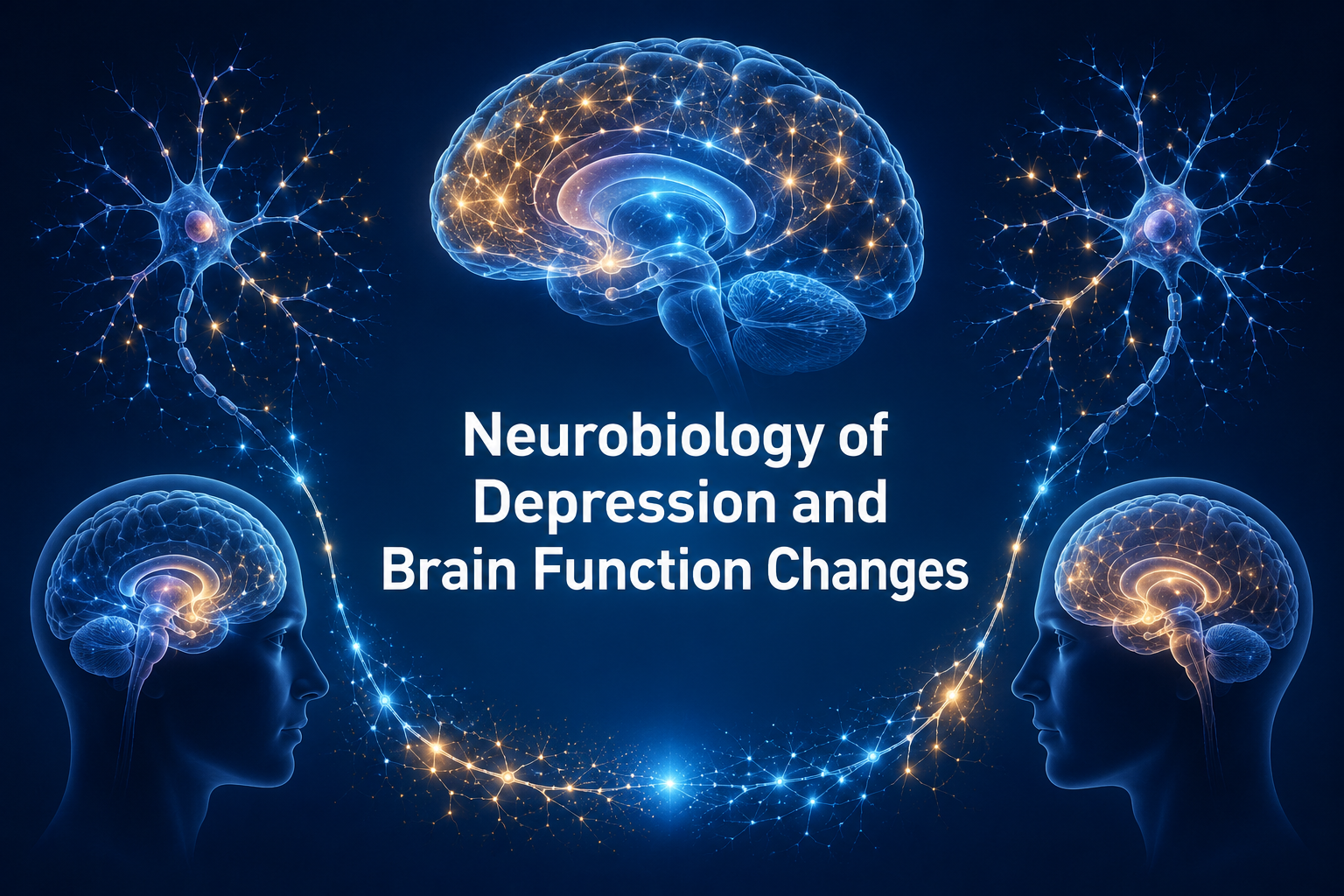
    Depression neurobiology is the study of neural, biochemical, and physiological mechanisms that contribute to depression and brain function changes. Depression is a condition characterized by persistent low mood, reduced interest or pleasure, cognitive difficulties, and functional impairment that affect emotional, behavioral, and physical well-being.

    Modern medicine explains the disorder as a multifactorial condition involving alterations in brain networks, neurotransmitter systems, stress regulation pathways, and neuroplasticity. In Korean medicine, the condition is understood as a disorder arising from imbalances of qi, blood, emotional regulation, and organ system functions that influence both mental and physical health.

    Within Korean Medicine Neuropsychiatry, depression is understood through an integrated framework that considers both brain function and systemic physiological regulation. The Korean Society of Oriental Neuropsychiatry studies depression through the integration of neuroscience and Korean medicine theories to explain the interactions among emotional stress, neural regulation, and bodily function.

    Clinical Features of Depression Neurobiology

    Depression presents with emotional, cognitive, behavioral, and physical symptoms. Common emotional symptoms include persistent sadness, feelings of emptiness, hopelessness, guilt, and reduced emotional responsiveness.

    Cognitive symptoms may include impaired concentration, slowed thinking, indecisiveness, memory difficulties, and negative self-evaluation. These manifestations are associated with functional alterations in brain regions involved in executive control and emotional regulation.

    The study of depression neurobiology suggests that symptoms are associated with disrupted communication among brain regions responsible for mood regulation, reward processing, attention, and stress adaptation.

    Depression neurobiology involving the prefrontal cortex amygdala and hippocampus
    Prefrontal cortex, amygdala, and hippocampus changes in depression

    Etiology of Depression Neurobiology

    Stress Response and HPA Axis in Depression Neurobiology

    Chronic stress is recognized as a major contributor to depression. Repeated exposure to stress may alter the hypothalamic-pituitary-adrenal axis, leading to persistent activation of stress-response pathways.

    Elevated cortisol levels are associated with impaired emotional regulation and changes in brain structure and function. Within the framework of depression neurobiology, HPA axis dysregulation is described as a central mechanism linking environmental stressors to depressive symptoms.

    Depression neurobiology HPA axis stress response system and cortisol regulation
    HPA axis and stress hormone regulation in depression

    Neurotransmitters in Depression Neurobiology

    Depression is associated with alterations in serotonin, dopamine, and norepinephrine. Serotonin is involved in mood regulation, emotional processing, sleep, and appetite. Dopamine is involved in reward processing, motivation, and pleasure. Norepinephrine is involved in attention, arousal, and stress adaptation.

    The interaction among serotonin, dopamine, and norepinephrine is considered to be a key aspect of depression neurobiology because these neurotransmitters influence both emotional regulation and stress response mechanisms.

    Depression neurobiology neurotransmitter systems involving serotonin dopamine and norepinephrine
    Serotonin, dopamine, and norepinephrine systems

    Brain Circuits in Depression Neurobiology

    The prefrontal cortex is involved in executive control, decision-making, and emotional regulation. Reduced activity in this region may contribute to impaired cognitive control over negative emotions.

    The amygdala plays a central role in emotional processing and threat detection. Increased amygdala reactivity is associated with heightened sensitivity to negative emotional stimuli. The hippocampus is involved in memory formation and stress regulation.

    Physiological Changes in Depression Neurobiology

    Depression involves physiological changes that extend beyond the brain. The autonomic nervous system regulates cardiovascular activity, respiration, digestion, and stress adaptation.

    Individuals with depression often exhibit reduced parasympathetic activity and increased sympathetic activation. This imbalance is associated with elevated physiological stress, impaired recovery, and reduced adaptability.

    Persistent activation of stress-response pathways may lead to abnormal cortisol regulation, sleep disturbance, fatigue, immune alteration, cognitive difficulty, and emotional instability.

    Depression neurobiology autonomic nervous system imbalance and physiological stress regulation
    Autonomic nervous system imbalance in depression

    Korean Medicine Interpretation of Depression Neurobiology

    Korean medicine conceptualizes depression through patterns of functional imbalance that affect emotional and physical regulation. These patterns may be explained as clinical frameworks describing systemic dysregulation that overlaps with mechanisms explored in depression neurobiology.

    Liver Qi Stagnation

    Liver qi stagnation is understood as a disruption of the smooth flow of emotional and physiological activity. Psychological stress and unresolved emotional tension may impair qi movement and are associated with irritability, depressed mood, emotional suppression, chest discomfort, and digestive symptoms.

    Qi and Blood Deficiency

    Qi and blood deficiency is associated with insufficient physiological nourishment and reduced functional capacity. This pattern is linked to fatigue, lack of motivation, cognitive difficulties, sleep disturbances, and emotional vulnerability.

    Phlegm Accumulation and Yin Deficiency

    Phlegm accumulation is understood as obstruction of normal physiological communication and regulation. Yin deficiency is associated with inadequate restorative and regulatory functions. These patterns may be linked to mental fogginess, insomnia, restlessness, emotional sensitivity, and chronic exhaustion.

    Depression neurobiology Korean medicine pathology integrated with neuroscience mechanisms
    Korean medicine pathophysiology integrated with neuroscience mechanisms

    Treatment Perspectives in Depression Neurobiology

    From the perspective of Korean Medicine Neuropsychiatry, treatment is understood as the restoration of emotional regulation, physiological balance, and adaptive nervous system function.

    Within the framework of depression neurobiology, treatment is associated with normalization of neurotransmitter activity, enhancement of neuroplasticity, improvement of stress-response regulation, and restoration of functional brain network connectivity.

    Korean medicine approaches focus on regulating qi circulation, supporting blood nourishment, reducing excessive stress responses, and improving systemic balance. These approaches are understood as targeting interconnected physiological processes that influence both mental and physical health.

    Related topic: depression symptoms

    Integrated depression neurobiology perspective in Korean Medicine Neuropsychiatry
    Integrated Korean Medicine Neuropsychiatry perspective on depression

    Summary

    Depression is a complex psychiatric disorder involving emotional, cognitive, behavioral, and physiological disturbances. The field of depression neurobiology investigates how alterations in serotonin, dopamine, and norepinephrine systems contribute to mood dysregulation, impaired reward processing, and maladaptive stress responses.

    Depression is associated with functional changes in the prefrontal cortex, amygdala, hippocampus, autonomic nervous system, and HPA axis. In Korean medicine, depression is understood as a condition involving liver qi stagnation, qi and blood deficiency, phlegm accumulation, and yin deficiency.

    Korean Medicine Neuropsychiatry investigates depression through an integrated framework that explains both neural mechanisms and traditional pathophysiological concepts. The Korean Society of Oriental Neuropsychiatry actively studies, investigates, and integrates findings from neuroscience and Korean medicine to improve the understanding of depression and its underlying biological and functional mechanisms.

    Korean Society of Oriental Neuropsychiatry

  • Depression HPA Axis: 7 Key Mechanisms of Stress Response

    Depression HPA Axis: 7 Key Mechanisms of Stress Response

    Depression HPA axis dysfunction is a key mechanism used to explain how chronic stress may contribute to depressive symptoms, cortisol dysregulation, autonomic imbalance, and changes in mood-related brain circuits. Depression is a condition characterized by persistent low mood, loss of interest, reduced motivation, cognitive difficulty, and changes in sleep, appetite, and physical energy.

    Modern medicine explains depression as a disorder associated with neurotransmitter dysregulation, altered stress-response systems, and dysfunction of the hypothalamic-pituitary-adrenal axis. In Korean medicine, depression is understood as an emotional and systemic imbalance associated with liver qi stagnation, qi and blood deficiency, and impaired regulation of restorative functions.

    The Korean Society of Oriental Neuropsychiatry studies how emotional stress, neuroendocrine imbalance, and autonomic dysfunction may be integrated with Korean medicine pathophysiology within the field of Korean Medicine Neuropsychiatry.

    Depression HPA Axis Overview

    The depression HPA axis refers to dysregulation of the body’s central stress-response system. The hypothalamus, pituitary gland, and adrenal glands work together to regulate cortisol secretion and physiological adaptation to stress. Chronic activation of this pathway is associated with emotional instability, sleep disturbance, fatigue, and impaired stress resilience.

    Depression HPA axis overview showing cortisol regulation and stress response pathways
    Overview of depression HPA axis dysfunction and neuroendocrine stress-response mechanisms.

    Depression is described as a multifactorial psychiatric disorder involving emotional, cognitive, neurobiological, and physiological changes. The depression HPA axis is considered to be one of the major pathways linking chronic stress with depressive symptom development.

    Depression HPA Axis and Clinical Features

    Depression is associated with sadness, emotional numbness, reduced motivation, hopelessness, irritability, and cognitive slowing. Behavioral changes may include social withdrawal, reduced productivity, psychomotor slowing, and impaired daily functioning.

    The depression HPA axis is associated with physical symptoms such as insomnia, fatigue, appetite changes, muscle tension, gastrointestinal discomfort, and autonomic imbalance. Emotional stress may increase physiological hyperarousal and reduce recovery capacity.

    In Korean medicine, these symptoms are understood as disturbances in qi circulation and depletion of emotional and physical restorative functions.

    Depression HPA Axis Etiology: Stress Response, Cortisol, and Brain Circuits

    The etiology of depression is understood as a complex interaction between stress exposure, neurobiological vulnerability, environmental burden, and systemic physiological dysregulation. The depression HPA axis explains how chronic stress may alter cortisol secretion and emotional regulation.

    Depression HPA axis cortisol dysregulation and chronic stress illustration
    Chronic stress exposure may contribute to cortisol dysregulation and prolonged HPA axis activation.

    Serotonin is associated with emotional stability and mood regulation. Dopamine is associated with motivation and reward processing. Norepinephrine is associated with alertness and stress responsiveness. Chronic activation of the depression HPA axis may influence serotonin, dopamine, and norepinephrine activity.

    Depression HPA axis brain circuits involving amygdala hippocampus and prefrontal cortex
    Brain regions associated with depression include the amygdala, hippocampus, and prefrontal cortex.

    The amygdala is associated with emotional salience and fear processing. The hippocampus is associated with stress adaptation and memory regulation. The prefrontal cortex is associated with executive function and emotional control. Structural and functional changes in these circuits may be explained by chronic stress and HPA axis hyperactivation.

    Depression HPA Axis and Physiological System Changes

    The depression HPA axis is associated with autonomic nervous system imbalance involving increased sympathetic activation and reduced parasympathetic recovery. This imbalance may contribute to fatigue, elevated heart rate, digestive discomfort, and impaired stress resilience.

    Depression HPA axis autonomic nervous system imbalance illustration
    Autonomic nervous system imbalance may connect emotional stress with physical symptoms in depression.

    Cortisol dysregulation may also disrupt sleep-wake regulation and melatonin rhythms. Individuals with depression frequently experience insomnia, early awakening, non-restorative sleep, or excessive daytime fatigue.

    Depression HPA axis sleep disturbance and melatonin regulation illustration
    Sleep disturbance in depression may involve melatonin rhythm changes and chronic stress activation.

    The depression HPA axis is also associated with inflammatory activation and reduced neuroplasticity. Persistent physiological stress may impair recovery capacity and emotional resilience over time.

    Depression HPA Axis in Korean Medicine Pathophysiology

    In Korean medicine, depression is understood as a disorder involving emotional stagnation, depletion of qi and blood, yin deficiency, and impaired systemic balance. These mechanisms may be functionally associated with stress-response dysregulation and autonomic imbalance.

    Depression HPA axis Korean medicine interpretation and emotional imbalance illustration
    Korean medicine interpretation of depression involving liver qi stagnation and qi-blood deficiency.

    Liver Qi Stagnation

    Liver qi stagnation is associated with emotional suppression, irritability, chest tightness, frustration, and mood instability. This pattern may be linked to chronic stress and autonomic nervous system dysregulation.

    Qi and Blood Deficiency

    Qi and blood deficiency is associated with fatigue, low emotional resilience, poor concentration, dizziness, and reduced motivation. This pattern is considered to be associated with physiological depletion resulting from prolonged stress activation.

    Yin Deficiency and Phlegm Accumulation

    Yin deficiency is associated with insomnia, agitation, and reduced restorative function. Phlegm accumulation is associated with cognitive clouding, heaviness, and emotional dullness. These Korean medicine concepts provide a systemic interpretation of symptoms associated with the depression HPA axis.

    Depression HPA Axis Treatment Perspective

    From the perspective of Korean Medicine Neuropsychiatry, treatment is understood as a process of restoring autonomic balance, emotional regulation, stress adaptation, and physiological recovery capacity.

    Depression HPA axis integrated treatment and nervous system regulation illustration
    Integrated treatment perspective focusing on emotional regulation and HPA axis stabilization.

    Modern treatment approaches include antidepressant medication, psychotherapy, stress management, behavioral intervention, and sleep regulation. Korean medicine approaches focus on restoring qi circulation, supporting blood nourishment, regulating emotional imbalance, and improving restorative function.

    Related topic: Depression overview

    General educational information about depressive disorders is available from the National Institute of Mental Health.

    Depression HPA Axis Summary

    Depression is described as a psychiatric disorder involving emotional dysregulation, autonomic imbalance, neuroendocrine dysfunction, and altered brain circuit activity. The depression HPA axis explains how chronic stress may influence cortisol regulation, serotonin, dopamine, norepinephrine activity, and emotional processing.

    In Korean medicine, depression is understood through liver qi stagnation, qi and blood deficiency, yin deficiency, and phlegm accumulation. Korean Medicine Neuropsychiatry integrates neuroscience findings with Korean medicine theories to explain how emotional stress affects both brain function and systemic physiological balance.

    The Korean Society of Oriental Neuropsychiatry investigates how stress-response systems, autonomic regulation, and Korean medicine pathophysiology may be integrated in the understanding of depressive disorders.