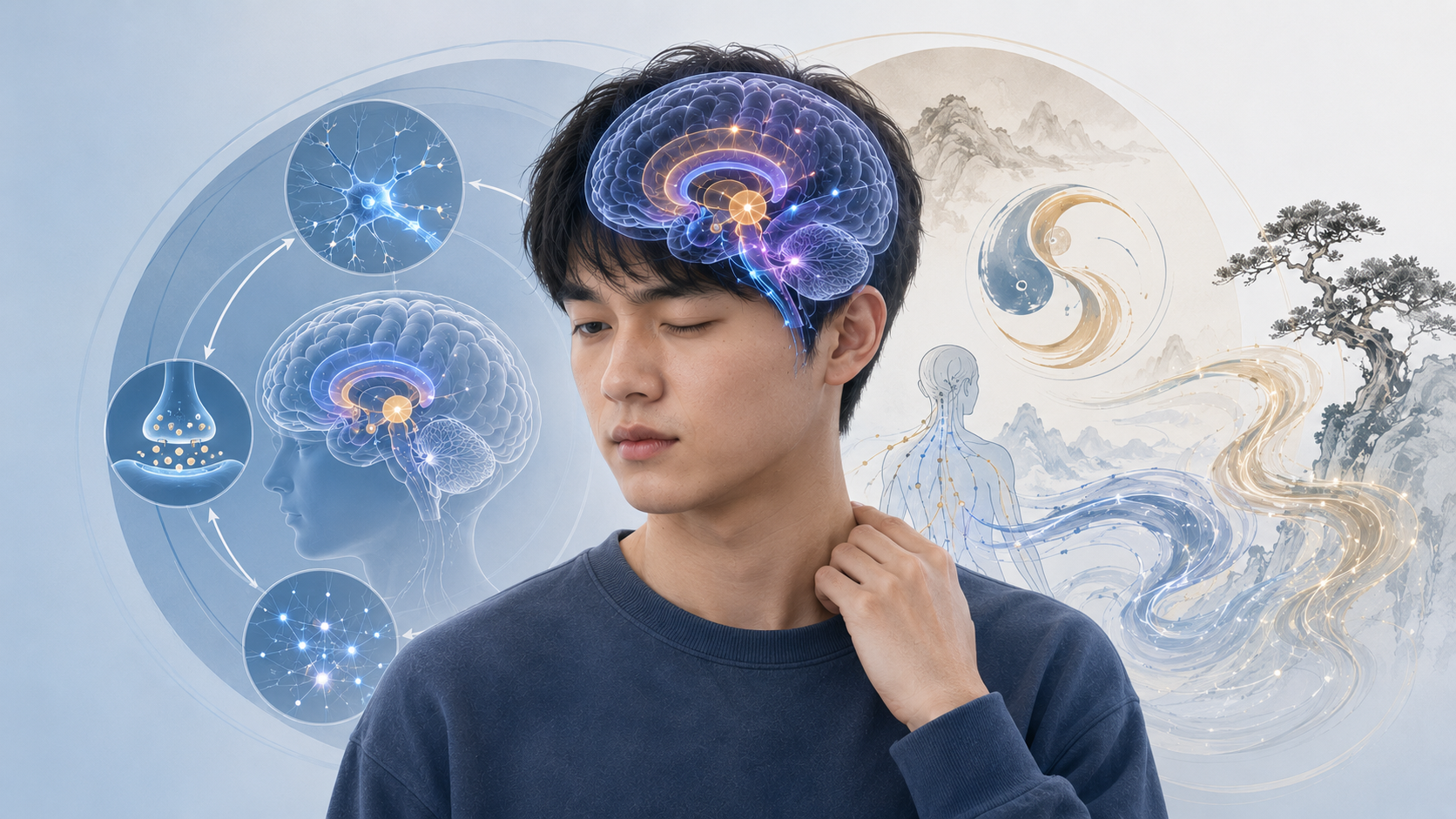
[태그:] fronto-striatal circuits

  • 7 ADHD Symptoms: Clinical Features and Functional Characteristics

    7 ADHD Symptoms: Clinical Features and Functional Characteristics

    ADHD symptoms are described as persistent difficulties in attention regulation, impulsivity, hyperactivity, emotional control, and executive function. These attention regulation problems may affect academic performance, occupational functioning, relationships, sleep regulation, and daily organization.

    This article explains ADHD-related difficulties from both modern neuroscience and Korean Medicine Neuropsychiatry perspectives, focusing on brain circuits, neurotransmitters, autonomic balance, and Korean medicine pathophysiology.

    ADHD symptoms affecting attention and task organization in adults
    Attention and task organization difficulty in adults

    Overview of ADHD Symptoms

    Attention-deficit/hyperactivity disorder is a neurodevelopmental condition characterized by persistent patterns of inattention, impulsivity, and hyperactivity that interfere with daily functioning. ADHD symptoms are understood as cognitive and behavioral manifestations involving impaired attention regulation, executive function, emotional control, and behavioral inhibition.

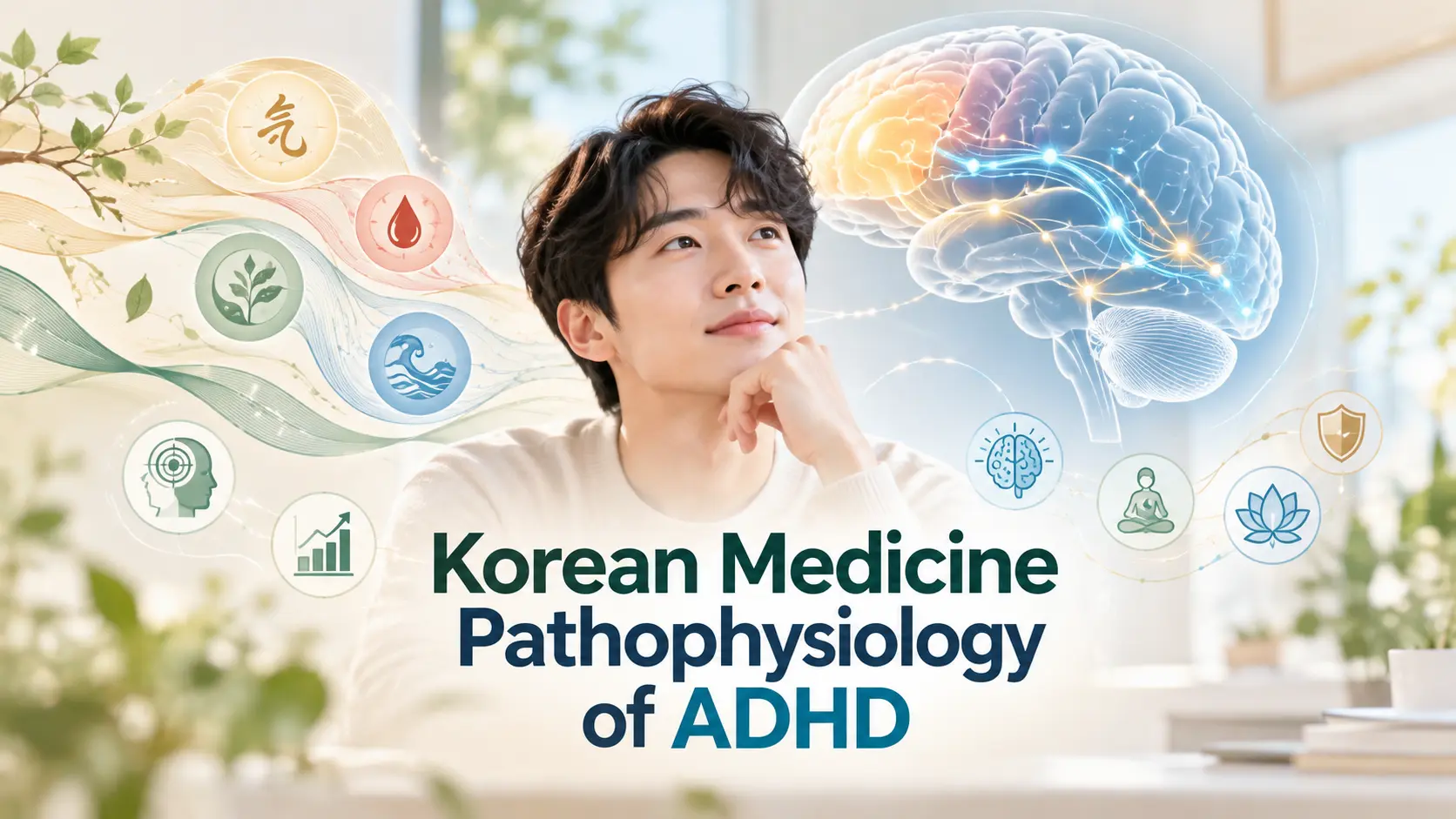
    Modern medicine explains ADHD as a disorder involving dysfunction within the prefrontal cortex, basal ganglia, striatum, and fronto-striatal circuits. In Korean medicine, the condition is understood as a disturbance of qi regulation, heart-liver imbalance, qi-blood deficiency, and yin deficiency affecting mental focus and emotional regulation.

    Korean Medicine Neuropsychiatry investigates these symptoms through an integrated framework that connects nervous system regulation, autonomic balance, stress response, and Korean medicine concepts. The Korean Society of Oriental Neuropsychiatry studies these interactions as part of an academic approach to Korean medicine-based neuropsychiatric explanation.

    ADHD symptoms related to brain circuits and executive dysfunction
    Brain circuits and executive dysfunction

    Clinical Features of ADHD Symptoms

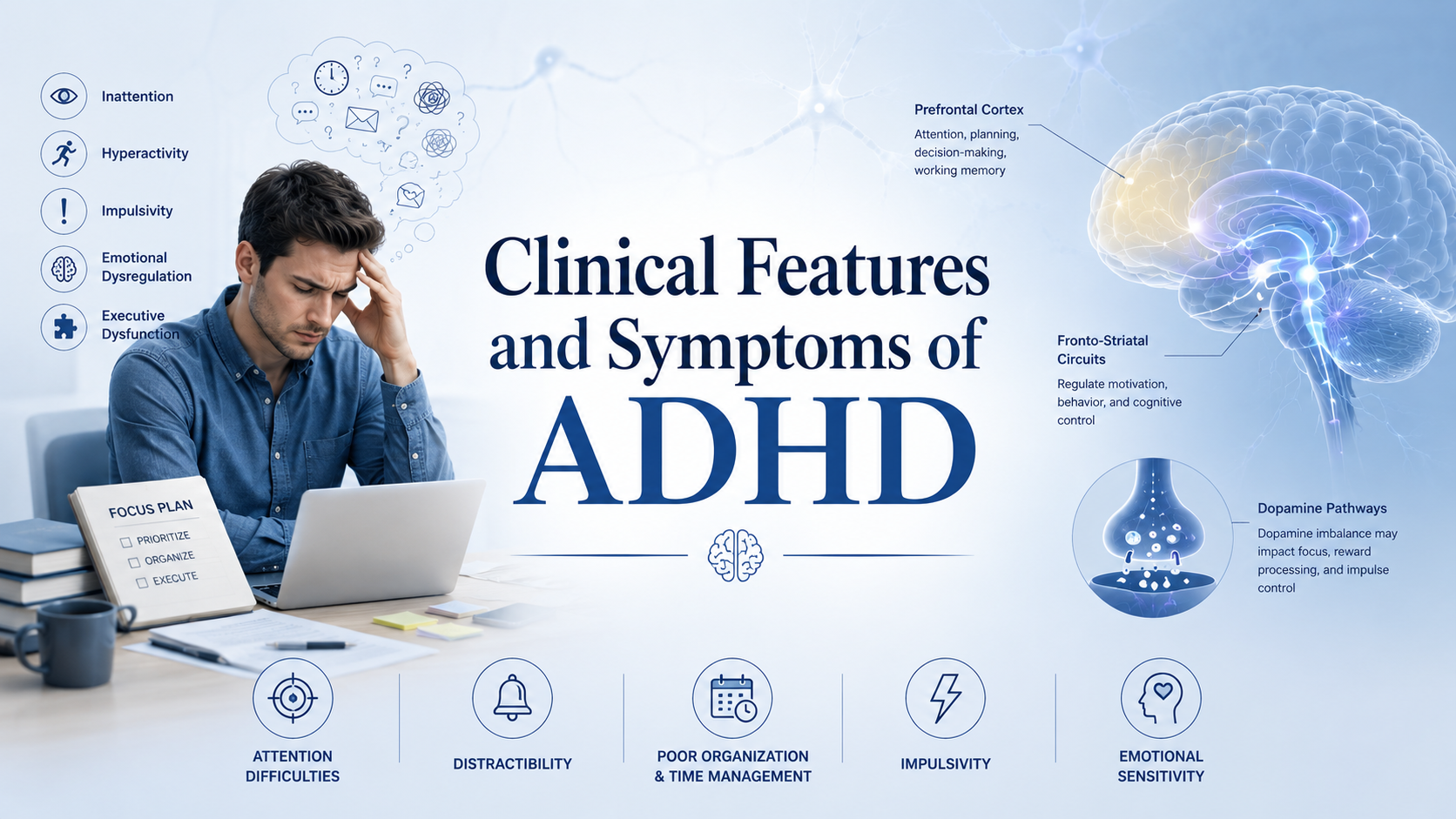
    ADHD symptoms are associated with inattention, distractibility, forgetfulness, poor task persistence, impulsive decision-making, and emotional dysregulation. Inattention may appear as difficulty completing tasks, losing important items, overlooking details, or struggling to follow conversations.

    Hyperactivity may be expressed as restlessness, excessive movement, difficulty remaining seated, or a constant sense of internal agitation. In adults, hyperactivity is often described as mental restlessness rather than visible motor activity.

    Impulsivity is considered to be a difficulty in behavioral inhibition. It may appear as interrupting others, making rapid decisions, emotional outbursts, impulsive spending, or difficulty delaying gratification.

    Additional neurodevelopmental research related to attention regulation can be reviewed through National Institute of Mental Health ADHD resources .

    ADHD symptoms associated with emotional dysregulation and stress response
    Emotional dysregulation and stress response

    Neurobiological Causes of ADHD Symptoms

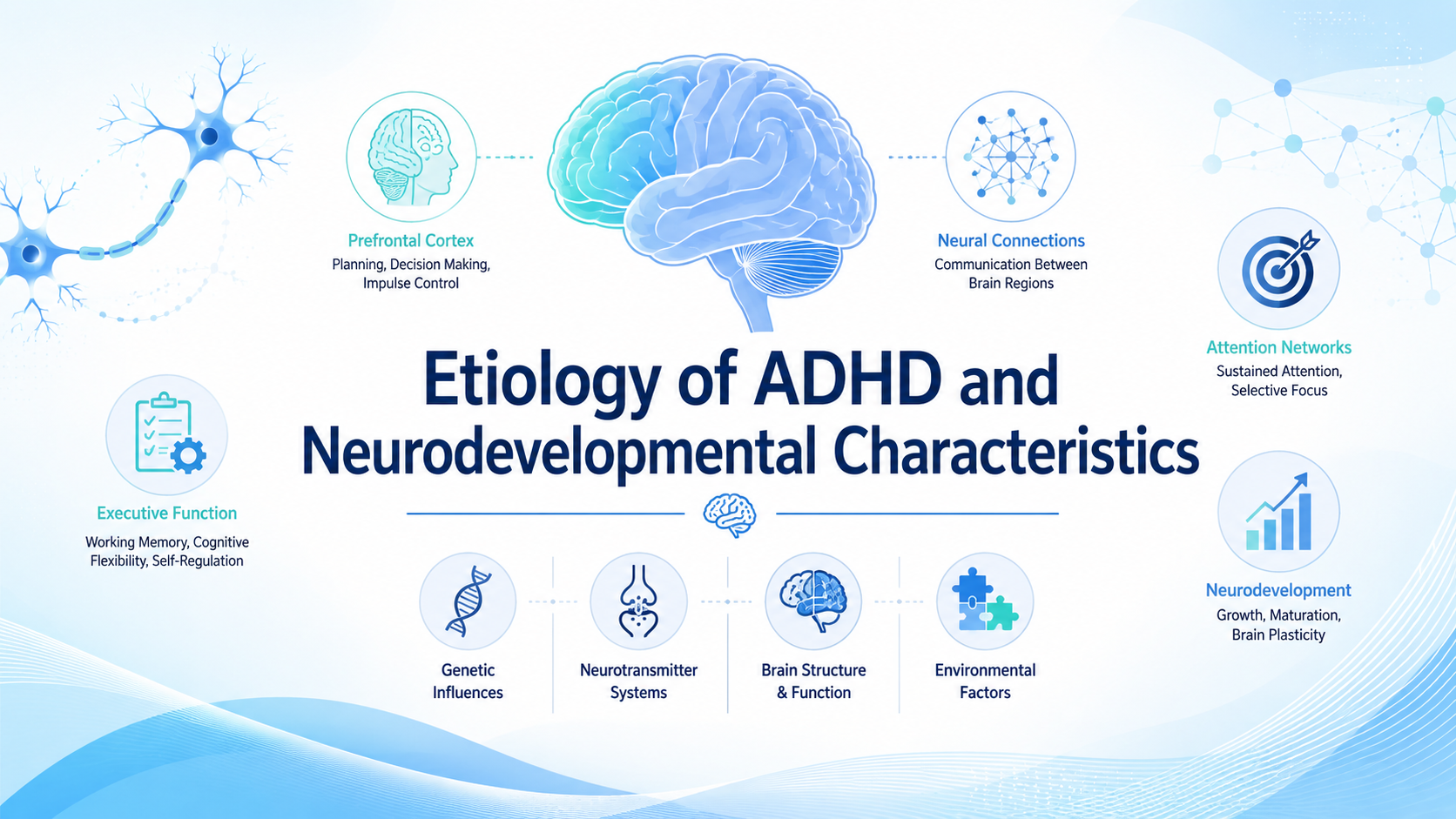
    These symptoms may be explained by altered dopamine and norepinephrine neurotransmission. Dopamine is associated with motivation, reward processing, and attention allocation, while norepinephrine is associated with alertness, working memory, and cognitive control.

    The prefrontal cortex is involved in executive function, planning, inhibition, and working memory. The basal ganglia, striatum, and fronto-striatal circuits are associated with behavioral regulation, reward sensitivity, and sustained attention.

    Attention deficit manifestations are considered to be related to delayed maturation or functional dysregulation of these neural circuits. Stress, sleep disruption, family environment, academic pressure, and emotional burden may intensify symptom severity.

    ADHD symptoms explained through Korean medicine and neuroscience
    Korean medicine and neuroscience perspectives

    Physiological Changes Related to ADHD Symptoms

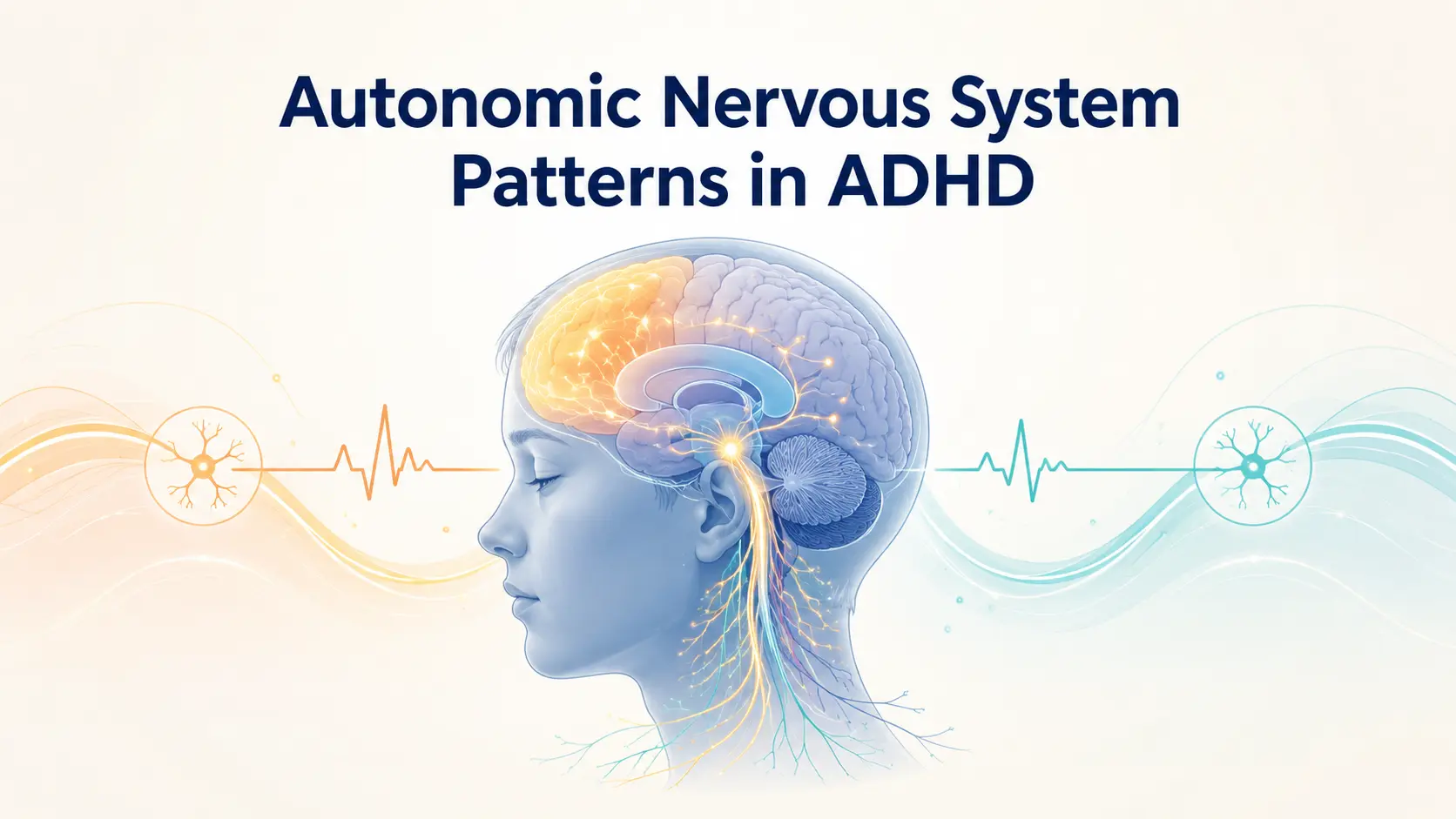
    Behavioral regulation difficulties are associated with autonomic nervous system imbalance, stress-response dysregulation, and altered arousal regulation. Increased sympathetic activation may contribute to restlessness, irritability, sleep disturbance, and emotional reactivity.

    Reduced parasympathetic recovery may make it difficult to calm the body after stress. This physiological pattern may be linked to chronic fatigue, poor sleep quality, sensory sensitivity, and reduced emotional resilience.

    ADHD symptoms associated with sleep disturbance and autonomic imbalance
    Sleep disturbance and autonomic imbalance

    Korean Medicine Pathophysiology of ADHD Symptoms

    Qi-Blood Deficiency and Attention Regulation

    Qi-blood deficiency is understood as insufficient nourishment of the mind and nervous system. This pattern may be associated with poor concentration, forgetfulness, fatigue, and reduced mental endurance.

    Yin Deficiency and Restlessness

    Yin deficiency is described as a reduced stabilizing and restorative function of the body. It may be linked to sleep disturbance, internal restlessness, emotional sensitivity, and difficulty calming mental activity.

    Liver Qi Stagnation and Emotional Dysregulation

    Liver qi stagnation is associated with emotional frustration, irritability, impulsivity, and irregular attention regulation. From an integrated perspective, this pattern may correspond to stress-related autonomic instability and emotional dysregulation.

    Phlegm Accumulation and Cognitive Clarity

    Phlegm accumulation is understood as a functional obstruction that may reduce mental clarity. It may be associated with distractibility, mental fog, cognitive inconsistency, and unstable attention.

    ADHD symptoms involving executive function impairment and distractibility
    Executive function impairment and distractibility

    Treatment Perspective for ADHD Symptoms

    From the perspective of Korean Medicine Neuropsychiatry, treatment is understood as a process of restoring regulatory balance within the nervous system, emotional system, and physiological stress-response network.

    ADHD symptoms are approached through nervous system regulation, autonomic balance, sleep stabilization, emotional regulation, and gradual recovery of attentional consistency. This perspective integrates modern neuroscience with Korean medicine concepts such as qi-blood deficiency, yin deficiency, liver qi stagnation, and phlegm accumulation.

    Learn more about related neuropsychiatric conditions in panic disorder symptoms .

    ADHD symptoms explained through integrative neuroscience and Korean medicine
    Integrated neuroscience and Korean medicine explanation

    Summary of ADHD Symptoms

    ADHD symptoms are described as multidimensional manifestations involving executive dysfunction, dopamine and norepinephrine regulation, fronto-striatal circuit changes, autonomic imbalance, and stress-response vulnerability.

    In Korean medicine, the condition is understood through qi-blood deficiency, yin deficiency, liver qi stagnation, and phlegm accumulation. These patterns are associated with attention regulation, emotional stability, sleep rhythm, and physiological resilience.

    Korean Medicine Neuropsychiatry integrates neuroscience and Korean medicine pathophysiology to explain attention regulation problems, while the Korean Society of Oriental Neuropsychiatry studies these mechanisms through an academic framework involving brain function, autonomic regulation, emotional control, and traditional medical theory.

    FAQ About ADHD Symptoms

    What are the main ADHD symptoms?

    The main ADHD symptoms include inattention, impulsivity, hyperactivity, emotional dysregulation, poor organization, forgetfulness, and difficulty sustaining focus.

    Are adult ADHD symptoms different from childhood symptoms?

    Adult attention-related difficulties often appear as chronic disorganization, time-management difficulty, emotional impulsivity, restlessness, and impaired occupational functioning.

    How are ADHD symptoms explained in Korean Medicine Neuropsychiatry?

    Korean Medicine Neuropsychiatry explains these symptoms through patterns such as qi-blood deficiency, yin deficiency, liver qi stagnation, and phlegm accumulation, while also considering nervous system regulation and stress response.

  • 7 Tic Disorder Symptoms: Clinical Features and Neuropsychiatric Mechanisms

    7 Tic Disorder Symptoms: Clinical Features and Neuropsychiatric Mechanisms

    7 Tic Disorder Symptoms: Clinical Features and Neuropsychiatric Mechanisms

    Tic disorder symptoms include sudden repetitive motor movements and involuntary vocalizations associated with nervous system dysregulation, dopamine imbalance, and stress-related autonomic activation. Modern neuroscience explains tic disorders through basal ganglia dysfunction and fronto-striatal abnormalities, while Korean medicine understands the condition through liver wind, qi stagnation, and phlegm accumulation.

    Overview

    Tic disorders are neurodevelopmental conditions characterized by sudden, repetitive, nonrhythmic motor movements or vocalizations occurring involuntarily or semi-voluntarily. Tic disorder symptoms include motor tics, vocal tics, sensory urges, and fluctuating behavioral manifestations influenced by stress and emotional regulation.

    Modern medicine explains tic disorders as dysfunction involving basal ganglia circuits, dopamine regulation, and impaired inhibitory control within fronto-striatal pathways. In Korean medicine, the condition is understood as internal liver wind and disturbed qi circulation affecting neurological stability and emotional balance.

    Tic symptoms are described as fluctuating neurological manifestations that may worsen during emotional stress, sleep deprivation, or autonomic hyperarousal. Korean Medicine Neuropsychiatry studies tic disorders through integrated interpretations connecting nervous system dysregulation with qi imbalance and emotional stress responses.

    The Korean Society of Oriental Neuropsychiatry investigates how neural circuit dysfunction and Korean medicine pathophysiology may together explain tic disorder symptoms and long-term neuropsychiatric adaptation.

    Integrated neuroscience and Korean medicine understanding of tic disorders
    Integrated neuropsychiatric interpretation of tic disorders and nervous system regulation.

    Clinical Features

    Motor Tic Symptoms

    Tic disorder symptoms commonly begin with simple motor tics involving rapid repetitive muscle movements. These symptoms frequently include eye blinking, facial grimacing, nose twitching, shoulder shrugging, and head jerking.

    Motor tics are described as sudden involuntary movements that may temporarily decrease during concentration but intensify during fatigue or psychological stress. Persistent tic manifestations may fluctuate according to emotional stress, sleep quality, and nervous system regulation.

    Medical illustration of motor tic symptoms and basal ganglia neural circuits
    Motor tic symptoms are associated with basal ganglia and fronto-striatal motor pathways.

    Vocal Tic Symptoms

    Vocal tic disorder symptoms include throat clearing, sniffing, coughing, grunting, and repetitive vocal sounds. More complex vocal tics may involve repeated words or involuntary phrases.

    These symptoms are associated with abnormalities in inhibitory control systems involving the frontal cortex and basal ganglia. Individuals often report premonitory urges described as uncomfortable internal sensations relieved temporarily after performing the tic.

    Illustration of vocal tic symptoms and neuropsychiatric regulation mechanisms
    Vocal tic symptoms may involve dysregulated inhibitory neural control mechanisms.

    Behavioral and Emotional Features

    Many individuals with tic-related symptoms also experience anxiety, irritability, obsessive tendencies, emotional dysregulation, and attentional difficulties. Tic disorders are associated with ADHD, obsessive-compulsive disorder, and anxiety-related neuropsychiatric conditions.

    Early recognition of tic-related symptoms may support improved neuropsychiatric management and functional adaptation in educational and social environments.

    Related neuropsychiatric conditions may also influence motor and vocal tics. Learn more about ADHD and executive function through Korean Medicine Neuropsychiatry perspectives.

    Etiology

    Tic disorder symptoms are strongly associated with dysfunction involving basal ganglia circuits, the striatum, and fronto-striatal neural pathways responsible for motor inhibition and behavioral regulation.

    Dopamine dysregulation is considered to be a major neurobiological mechanism contributing to tic disorders. Increased dopaminergic sensitivity within the striatum may increase motor excitability and reduce inhibitory control.

    Tourette syndrome is considered to be a representative tic disorder characterized by multiple motor tics and at least one vocal tic persisting for more than one year.

    Visualization of Tourette syndrome and dopamine pathway dysregulation
    Tourette syndrome is associated with dopamine dysregulation and abnormal motor circuit activity.

    Stress is strongly associated with worsening motor and vocal tics. Emotional conflict, academic pressure, sleep deprivation, and autonomic hyperarousal may increase tic frequency and symptom severity.

    Physiological System Changes

    Tic manifestations are associated with autonomic nervous system instability involving increased sympathetic activation and heightened physiological arousal.

    Stress hormones including cortisol may influence neural excitability, emotional regulation, and dopamine signaling. Chronic stress exposure may therefore contribute to worsening motor and vocal tic symptoms.

    Illustration of stress response worsening tic disorder symptoms
    Stress response and autonomic hyperarousal may aggravate tic symptoms.

    Modern neuroscience explains these physiological responses through stress-related dysregulation of inhibitory neural circuits. In Korean medicine, this pattern is understood as liver qi stagnation transforming into internal wind affecting neurological regulation.

    Korean Medicine Pathophysiology

    Liver wind is associated with sudden involuntary movement, neuromuscular instability, and emotional agitation. This concept may be linked to excessive neural excitability and autonomic hyperarousal.

    Phlegm accumulation is understood as pathological obstruction affecting mental clarity, sensory processing, and neurological coordination. Repetitive tic manifestations may be explained by this dysregulation pattern.

    Qi stagnation is associated with chronic emotional tension and impaired circulation of physiological regulation. Stress-related worsening of motor and vocal tics is understood as disruption of emotional and nervous system balance.

    Yin deficiency may be associated with chronic nervous exhaustion, irritability, insomnia, and reduced restorative regulation within the autonomic nervous system.

    Korean medicine interpretation of tic disorders with liver wind and qi imbalance
    Korean medicine explains tic disorders through liver wind, qi stagnation, and phlegm accumulation.

    Treatment Perspective

    From the perspective of Korean Medicine Neuropsychiatry, treatment is understood as restoring nervous system balance, regulating autonomic activity, and improving emotional stability associated with tic symptoms.

    Modern medical approaches commonly include behavioral therapy, psychoeducation, habit reversal training, and pharmacological regulation of dopamine activity. These interventions aim to improve inhibitory control and reduce symptom severity.

    In Korean medicine, treatment approaches focus on calming liver wind, resolving phlegm accumulation, improving qi circulation, and supporting autonomic recovery processes linked to emotional regulation.

    Summary

    Tic disorders are neurodevelopmental conditions characterized by involuntary motor and vocal manifestations associated with basal ganglia dysfunction, dopamine dysregulation, and impaired inhibitory neural control.

    Tic disorder symptoms are understood as fluctuating neurological and emotional manifestations influenced by stress response systems, autonomic regulation, and neurodevelopmental vulnerability.

    Modern neuroscience explains tic disorders through abnormalities in fronto-striatal circuits and dopamine signaling. In Korean medicine, tic symptoms are understood through liver wind, qi stagnation, phlegm accumulation, and yin deficiency affecting neurological balance.

    Korean Medicine Neuropsychiatry studies these interactions through integrated neuroscientific and traditional medical frameworks. The Korean Society of Oriental Neuropsychiatry investigates how neural mechanisms, emotional regulation, and Korean medicine pathophysiology may be integrated to explain tic manifestations and neuropsychiatric adaptation.

    Additional neurological information about tic disorders may be explored through National Institute of Neurological Disorders and Stroke .

    Frequently Asked Questions About Tic Disorder Symptoms

    What are common tic disorder symptoms?

    Common tic symptoms include eye blinking, facial grimacing, shoulder shrugging, throat clearing, sniffing, and repetitive vocal sounds.

    Are tic disorders related to dopamine dysfunction?

    Modern neuroscience explains tic disorders as conditions associated with dopamine dysregulation and abnormalities involving basal ganglia motor circuits.

    Can stress worsen tic disorder symptoms?

    Stress and autonomic hyperarousal are associated with increased tic frequency and symptom intensity in many individuals.