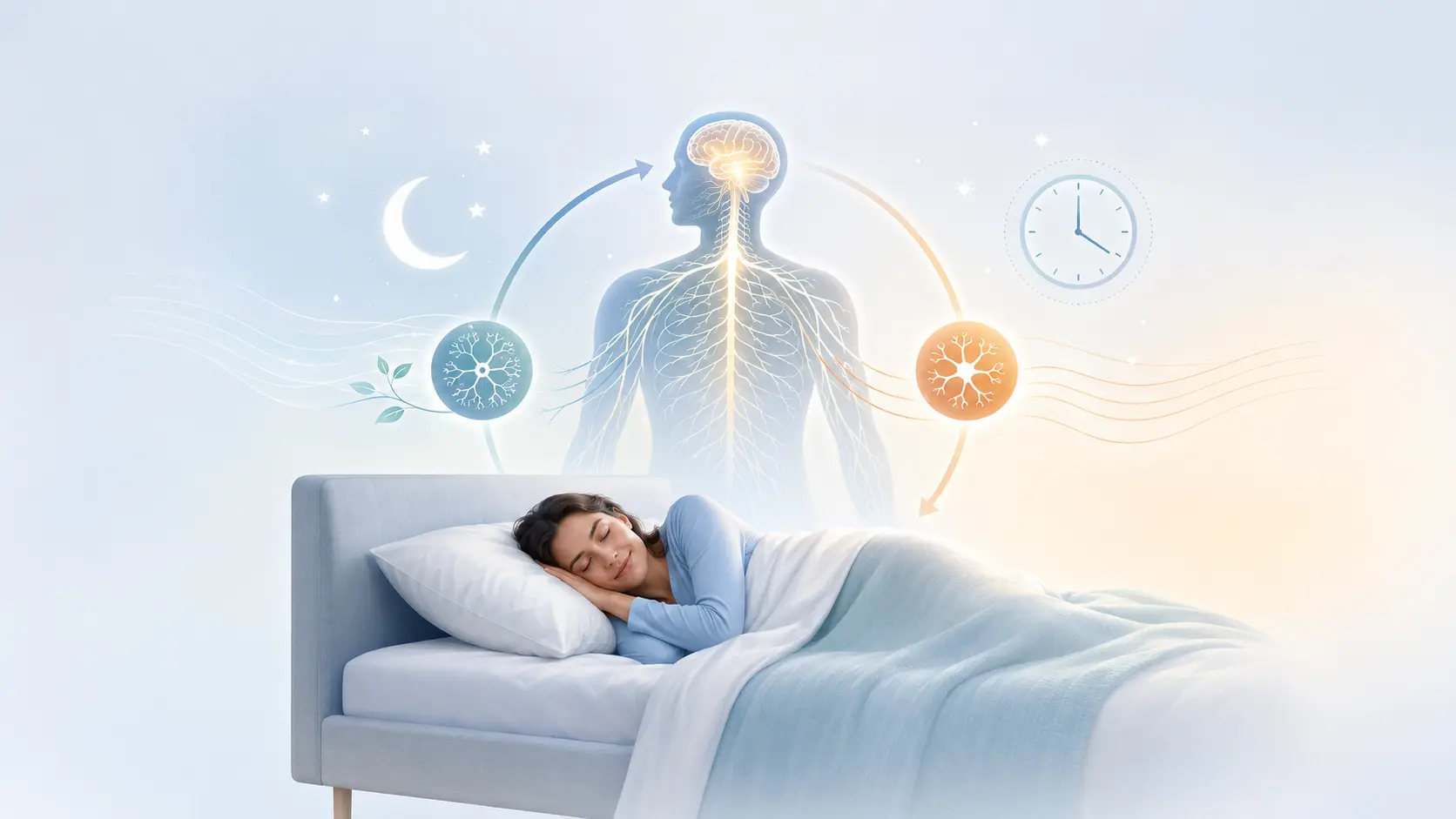
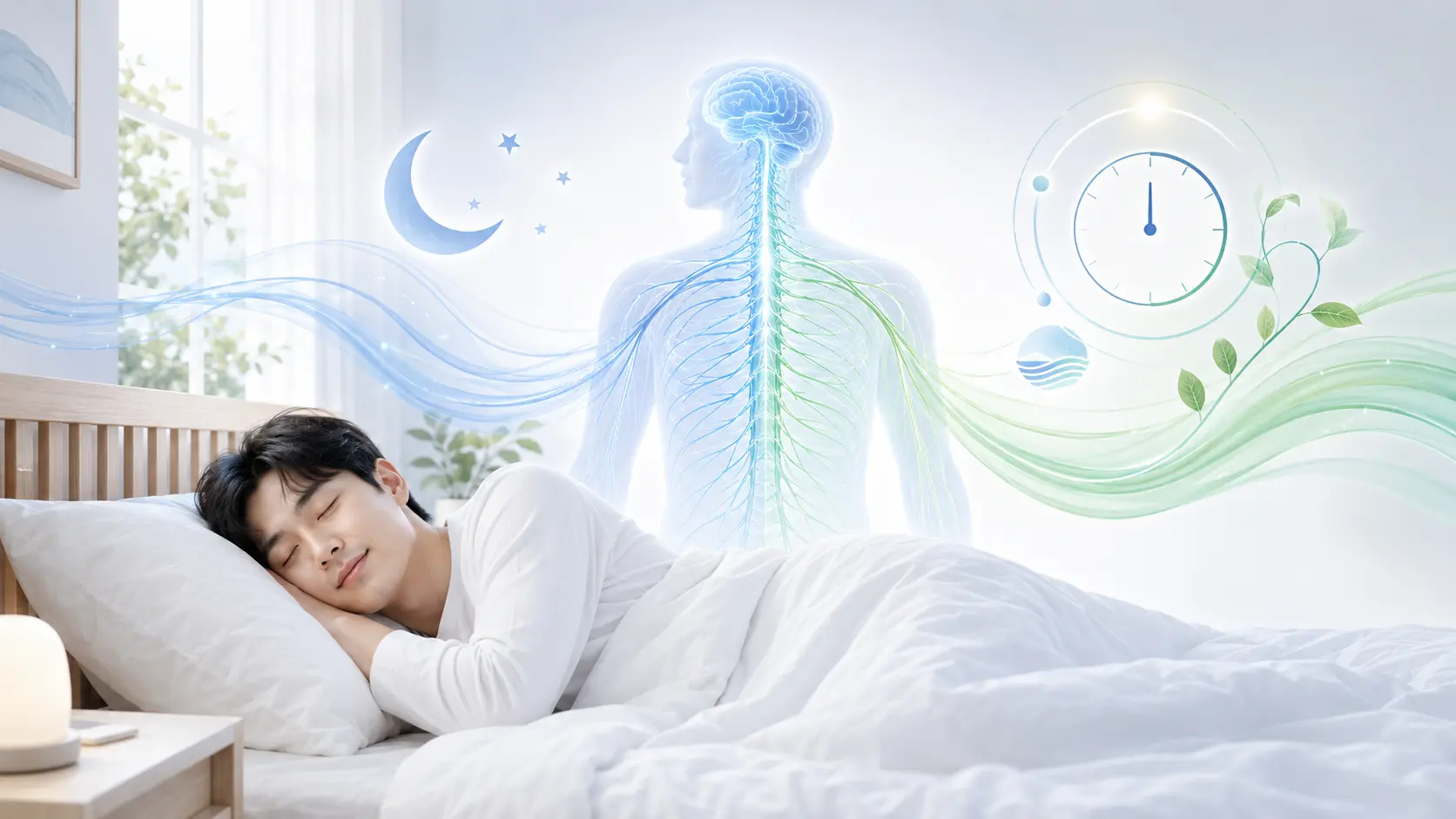
Insomnia is a condition characterized by persistent difficulty initiating sleep, maintaining sleep, or obtaining restorative sleep despite an adequate opportunity to rest. The concept of insomnia autonomic balance is described as a central physiological aspect of the disorder because sleep depends on an appropriate transition from daytime arousal to nighttime recovery.
Modern medicine explains the disorder as a disruption of the sleep regulation system involving circadian timing, melatonin secretion, neural arousal networks, stress hormones, and autonomic nervous system activity. In Korean medicine, the condition is understood as a functional imbalance involving yin and yang, qi movement, blood nourishment, emotional regulation, and the coordination of internal physiological systems.
Korean Medicine Neuropsychiatry investigates how emotional stress, sleep-wake regulation, autonomic activity, and Korean medicine pattern concepts interact. The Korean Society of Oriental Neuropsychiatry studies and integrates these explanatory frameworks to clarify the relationship between nervous system regulation and sleep disturbance.
1. Clinical Features of Insomnia
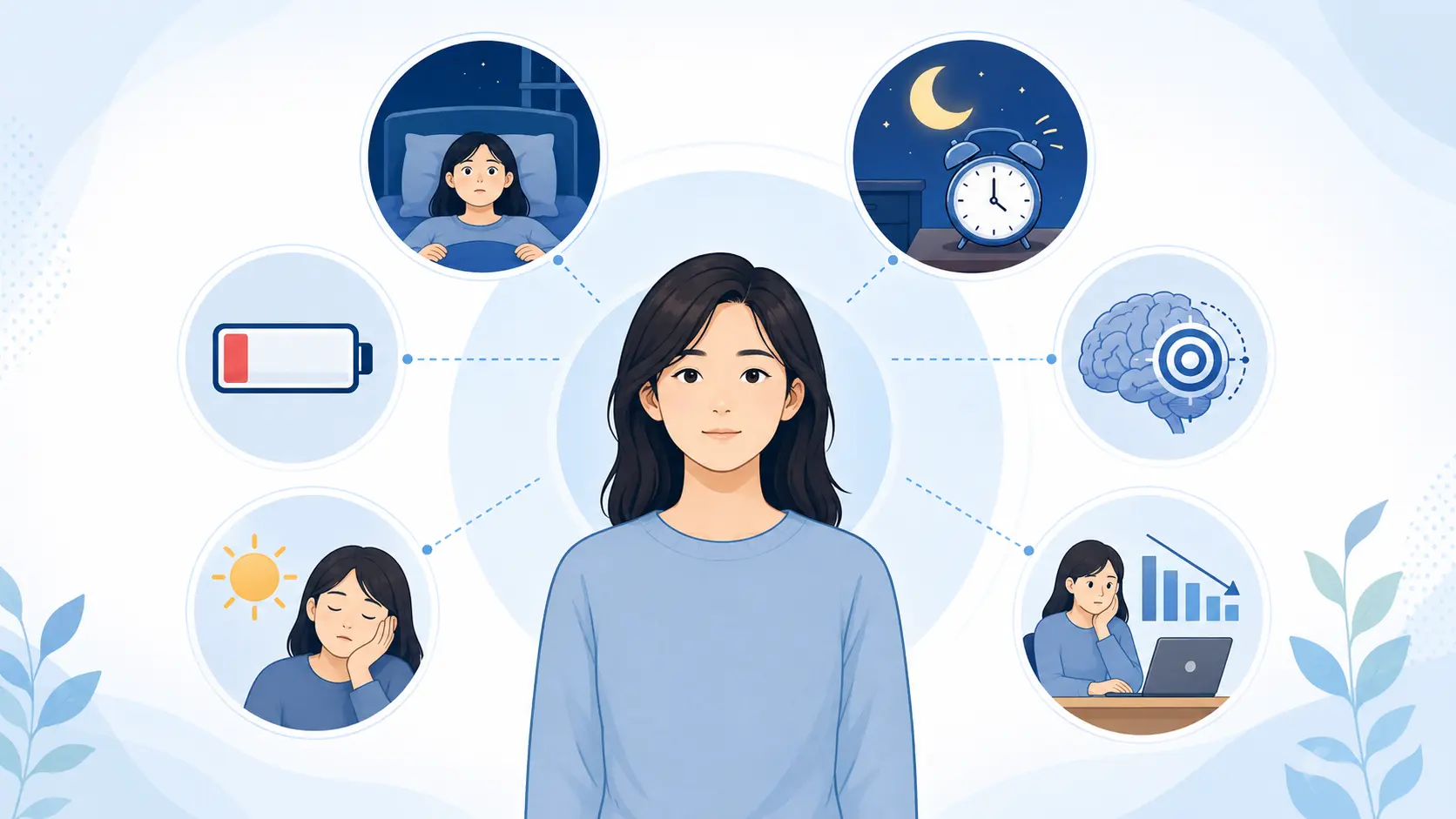
Insomnia is associated with nighttime symptoms and daytime functional impairment. Common nighttime features include prolonged sleep latency, repeated awakening, early-morning awakening, shallow sleep, and the subjective feeling that sleep has not produced adequate recovery. These symptoms may occur even when the individual has sufficient time and an appropriate environment for sleep.
Daytime manifestations include fatigue, reduced concentration, slower cognitive processing, irritability, emotional instability, and decreased occupational or academic performance. Executive function may become less efficient, particularly when insomnia persists over an extended period. Chronic sleep disruption is also associated with changes in pain sensitivity, appetite regulation, immune function, and cardiovascular recovery.
A characteristic behavioral pattern is anticipatory concern about sleep. An individual may monitor the clock, calculate the remaining sleep time, or enter the bedroom with heightened attention to bodily sensations. This pattern may increase sympathetic nervous system activity. As a result, insomnia autonomic balance may become progressively less stable at the time when parasympathetic recovery should normally increase.
2. Etiology and Neurobiological Mechanisms
The etiology of insomnia is multifactorial. Genetic susceptibility, psychological stress, irregular schedules, environmental light exposure, chronic medical conditions, psychiatric symptoms, stimulant intake, and learned sleep-related behaviors may all contribute. A precipitating event may initially produce temporary sleep disturbance, while persistent worry and compensatory behavior may maintain the condition.
Sleep regulation system and circadian timing
The sleep regulation system coordinates homeostatic sleep pressure with circadian timing. Sleep pressure generally increases during wakefulness and decreases during sleep. Circadian timing helps determine when the body is biologically prepared for wakefulness or rest. The hypothalamus, brainstem, thalamus, cerebral cortex, and pineal gland participate in this regulation.
Melatonin is a hormone associated with the biological night. Its secretion is influenced by the light-dark cycle and helps communicate circadian timing to the body. Insomnia may be explained by delayed circadian signaling, irregular sleep schedules, excessive evening light exposure, or a mismatch between desired bedtime and biological sleep readiness.
Brain circuits and neurotransmitters
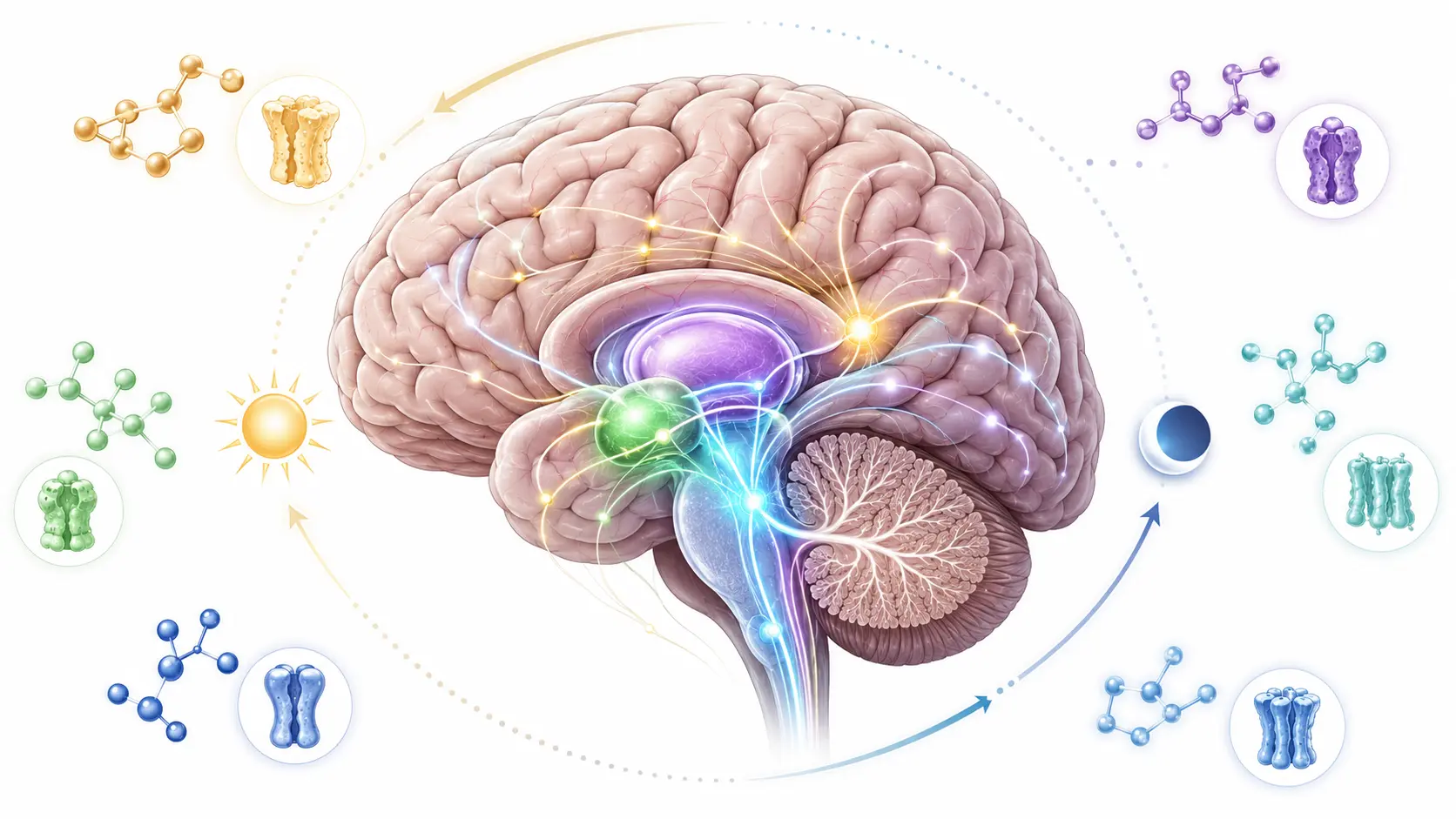
Sleep and wakefulness are controlled by interacting neural networks rather than a single brain region. Wake-promoting systems involving orexin, histamine, norepinephrine, dopamine, serotonin, and acetylcholine support alertness and environmental responsiveness. Inhibitory gamma-aminobutyric acid, commonly called GABA, contributes to the reduction of neural arousal required for sleep.
When wake-promoting activity remains elevated or inhibitory control becomes less effective, the brain may remain alert despite physical fatigue. The relationship between neural arousal and insomnia autonomic balance is associated with continued sympathetic activation, increased sensory monitoring, and reduced capacity to enter stable restorative sleep.
Environmental and behavioral influences
Shift work, inconsistent bedtimes, prolonged screen exposure, caffeine intake, insufficient daytime activity, and excessive time spent awake in bed may weaken the association between the bedroom and sleep. Environmental noise, uncomfortable temperature, caregiving responsibilities, and chronic interpersonal stress may also interfere with normal autonomic downregulation.
These influences do not affect every individual in the same manner. Vulnerability is understood as the result of interactions among biological predisposition, emotional regulation, daily routines, and learned expectations about sleep. For additional related information within this website, readers may review the insomnia information section and the neuropsychiatric condition overview .
3. Physiological System Changes
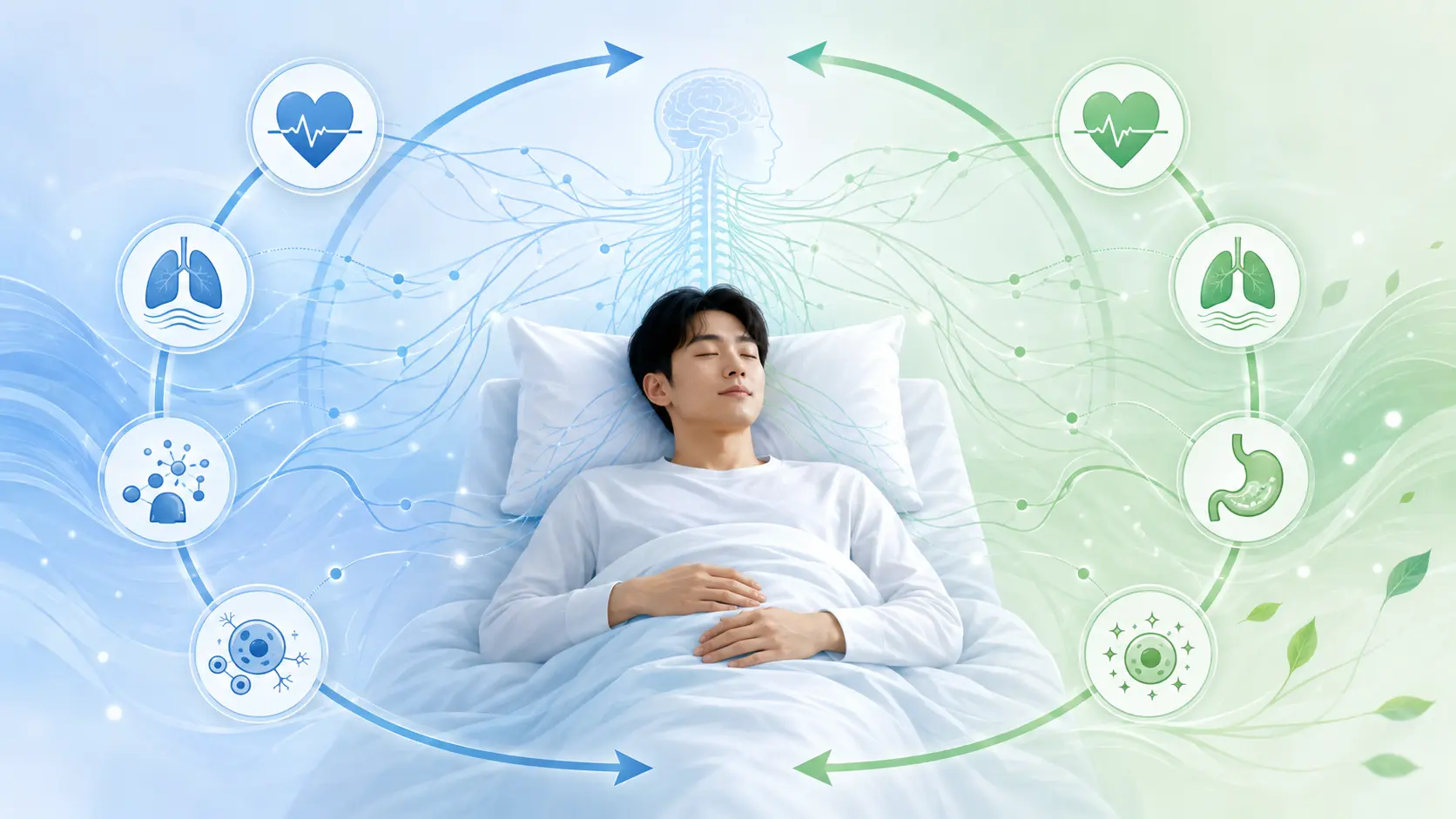
Under ordinary sleep conditions, sympathetic activity gradually decreases and parasympathetic activity becomes more prominent. Heart rate slows, blood pressure decreases, breathing becomes more regular, muscle tone changes, and metabolic activity enters a restorative state. This transition is a core component of insomnia autonomic balance.
In chronic insomnia, the expected nighttime transition may be incomplete. Sympathetic activation may remain elevated, producing increased heart rate, temperature changes, muscle tension, gastrointestinal discomfort, or heightened awareness of internal sensations. These responses are associated with physiological hyperarousal and may occur even when the individual does not consciously feel anxious.
Stress hormones and the HPA axis
The hypothalamic-pituitary-adrenal axis, also called the HPA axis, regulates the hormonal stress response. Stress activates a sequence of signals that ultimately increases cortisol secretion. This response is adaptive when temporary, but prolonged or mistimed activation may interfere with sleep onset and sleep maintenance.
Elevated evening arousal may delay the physiological signals required for rest. Repeated sleep loss may then increase emotional reactivity and stress sensitivity the following day. This reciprocal relationship creates a cycle in which impaired sleep increases stress responsiveness and stress responsiveness further disrupts insomnia autonomic balance.
Heart rate variability and body recovery
Heart rate variability reflects variation in the intervals between heartbeats and provides one indicator of autonomic flexibility. Reduced nighttime variability may be associated with diminished parasympathetic regulation and less efficient recovery. It does not independently diagnose insomnia, but it may help explain how persistent arousal influences cardiovascular regulation.
| Physiological area | Typical sleep transition | Possible insomnia-related change |
|---|---|---|
| Autonomic nervous system | Reduced sympathetic activity | Persistent autonomic hyperarousal |
| Stress hormones | Lower nighttime stress activation | Delayed or prolonged cortisol activity |
| Cardiovascular function | Slower heart rate and recovery | Reduced autonomic flexibility |
| Sleep-wake signaling | Coordinated circadian and melatonin signals | Delayed or irregular biological timing |
4. Korean Medicine Pathophysiology
Korean medicine describes insomnia through functional patterns that connect mental activity, emotional stress, nourishment, circulation, and systemic regulation. These concepts do not correspond directly to a single anatomical structure. Instead, they are understood as organized explanatory patterns that connect causes, bodily responses, and symptom characteristics.
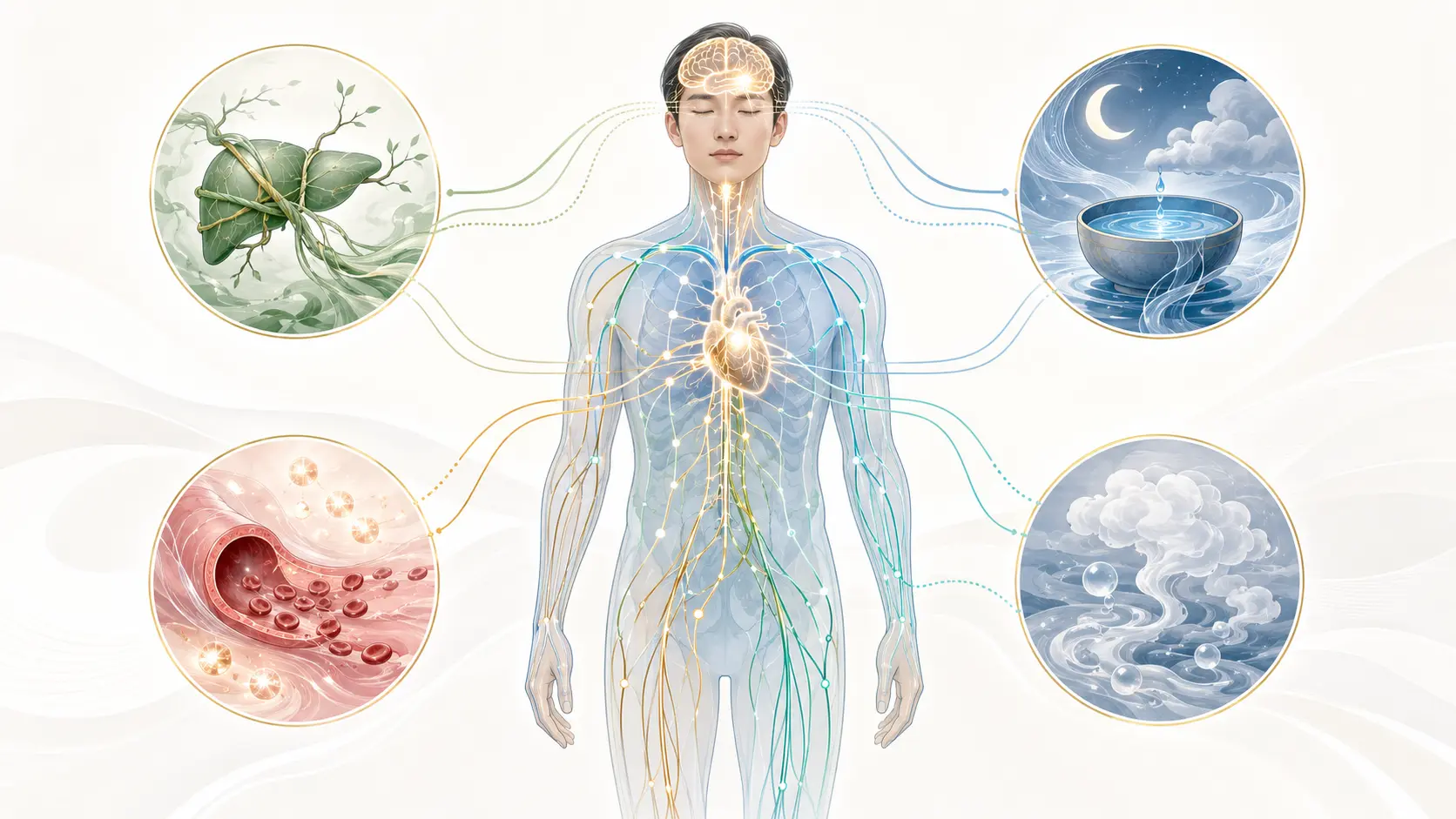
From an integrated perspective, Korean medicine patterns and modern physiological mechanisms describe different levels of the same clinical experience. Neural arousal, altered stress responses, and impaired parasympathetic recovery may be examined alongside yin deficiency, blood deficiency, liver qi stagnation, and phlegm accumulation when interpreting insomnia autonomic balance.
Yin deficiency
Yin deficiency is understood as insufficient cooling, nourishment, and restorative regulation. It may be linked to prolonged stress, chronic illness, or sustained mental activity and may be associated with difficulty falling asleep, night awakening, dry sensations, and subjective heat.
Blood deficiency
Blood deficiency is described as inadequate nourishment of mental and physiological functions. It may be associated with light sleep, frequent dreaming, fatigue, reduced concentration, dizziness, or emotional sensitivity.
Liver qi stagnation
Liver qi stagnation is understood as impaired adaptive movement related to emotional tension. Stress-related autonomic activation may be linked to irritability, chest or muscle tension, headaches, rumination, and delayed sleep onset.
Phlegm accumulation
Phlegm accumulation is associated with impaired functional transformation and distribution. In insomnia, it may be linked to chest discomfort, heaviness, mental clouding, restlessness, and disrupted coordination between bodily systems.
The functional sequence may be expressed as follows: emotional or physical stress disrupts autonomic and regulatory stability; the resulting imbalance affects qi movement, nourishment, or restorative yin functions; and these changes are associated with specific sleep and daytime symptoms. This sequence helps connect Korean medicine pattern identification with the physiology of insomnia autonomic balance.
5. Integrated Treatment Perspective
From the perspective of Korean Medicine Neuropsychiatry, treatment is understood as supporting the recovery of sleep regulation, nervous system stability, autonomic balance, and individual functional patterns. The objective is not limited to producing temporary drowsiness. It includes reducing excessive arousal, improving adaptation to stress, reinforcing restorative processes, and rebuilding a stable sleep-wake rhythm.
Modern management commonly emphasizes regular wake times, appropriate light exposure, reduction of stimulating behavior before bedtime, and correction of learned associations that maintain wakefulness in bed. Cognitive behavioral therapy for insomnia is considered to be an evidence-based approach that addresses sleep scheduling, conditioned arousal, sleep-related beliefs, and behaviors.
Medication may be considered according to symptom severity, duration, coexisting conditions, age, safety factors, and professional clinical judgment. Treatment selection should account for daytime sedation, falls, interaction with other medicines, dependence risk, and the underlying cause of the sleep disturbance.
Korean medicine treatment principles are selected through pattern differentiation. Depending on the clinical pattern, treatment may focus on nourishing yin, supporting qi and blood, regulating constrained qi, calming excessive internal activity, or improving functional transformation. In this framework, recovery of insomnia autonomic balance is understood as a gradual process rather than an immediate switch between wakefulness and sleep.

Recovery as a regulatory process
Improvement is associated with more than total sleep duration. Relevant outcomes include shorter sleep latency, fewer prolonged awakenings, greater confidence about sleep, improved daytime concentration, reduced fatigue, and greater emotional stability. Changes in these areas may indicate that autonomic and behavioral regulation is becoming more flexible.
The recovery process may fluctuate. Temporary worsening can occur during stress, travel, illness, or schedule disruption without necessarily indicating complete relapse. A consistent response to temporary sleep difficulty may prevent excessive monitoring and help preserve insomnia autonomic balance.
6. Neuroscience and Korean Medicine Integration
Modern neuroscience and Korean medicine use different conceptual languages. Modern neuroscience describes brain circuits, neurotransmitters, endocrine responses, circadian signals, and autonomic activity. Korean medicine describes functional relationships among yin and yang, qi, blood, emotional regulation, nourishment, and systemic coordination.
These frameworks should not be treated as identical, yet they may be compared at a functional level. Sympathetic hyperarousal may be examined alongside patterns of constrained qi or insufficient restorative yin. Reduced recovery and persistent fatigue may be considered with blood deficiency or qi and blood deficiency. Restlessness accompanied by heaviness or mental clouding may be interpreted through phlegm-related patterns.
The integrated interpretation of insomnia autonomic balance therefore does not replace one framework with another. It examines how neural regulation, stress physiology, subjective symptoms, behavioral patterns, and Korean medicine pathophysiology may jointly clarify the clinical presentation.
7. Practical Interpretation of Autonomic Balance
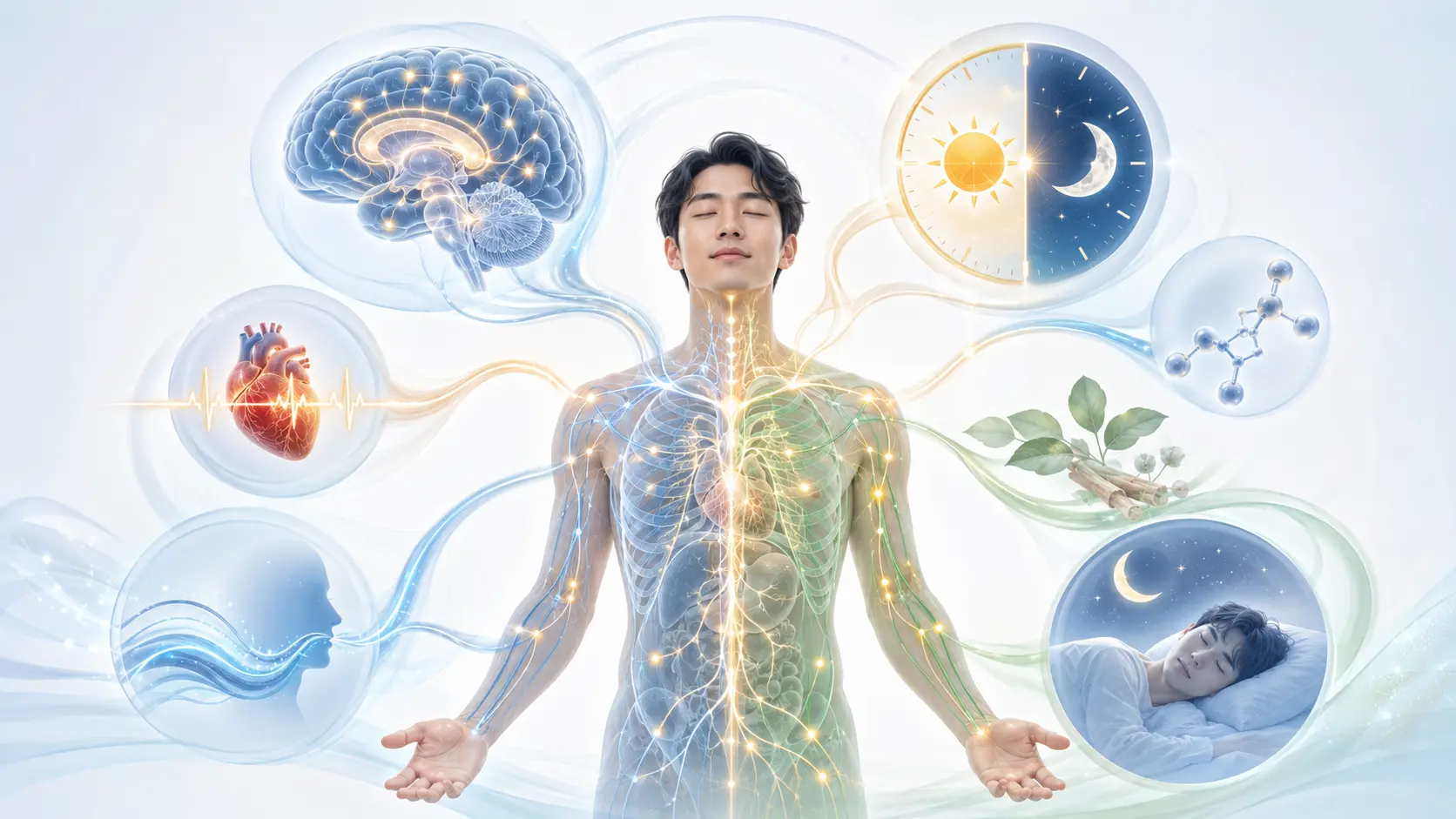
Autonomic balance does not mean that sympathetic activity is always harmful or that parasympathetic activity should remain continuously dominant. Sympathetic activity supports attention, movement, and adaptation during the day. Parasympathetic activity supports digestion, recovery, and restorative functions. Health depends on the ability to shift between these states according to context.
In insomnia, the main concern is often reduced flexibility. The individual may remain physiologically alert at bedtime, react strongly to minor disturbances, or require an extended period to recover after stress. Accordingly, insomnia autonomic balance is understood as the capacity to reduce arousal when sleep is appropriate and to restore alertness when wakefulness is required.
Regular wake times, daytime light exposure, physical activity appropriate to health status, reduction of late caffeine intake, and a predictable wind-down routine may support this transition. These behaviors are not guaranteed treatments by themselves, but they help create stable environmental signals for circadian and autonomic regulation.
Summary
Insomnia is described as a sleep disorder involving difficulty initiating, maintaining, or obtaining restorative sleep together with meaningful daytime consequences. Its neural mechanisms include altered activity in the sleep regulation system, circadian disruption, melatonin timing, neurotransmitter imbalance, stress-related HPA axis activation, and autonomic hyperarousal.
In Korean medicine, insomnia is understood through functional patterns such as yin deficiency, blood deficiency, liver qi stagnation, and phlegm accumulation. These concepts connect emotional stress and nervous system imbalance with characteristic sleep symptoms, bodily responses, and reduced restorative capacity.
Insomnia autonomic balance may be explained as the capacity to shift appropriately from sympathetic alertness to parasympathetic recovery. Korean Medicine Neuropsychiatry studies and integrates neural, emotional, and Korean medicine mechanisms, while the Korean Society of Oriental Neuropsychiatry investigates these relationships as an active academic research body within the field of Korean Medicine Neuropsychiatry.