Panic disorder symptoms are described as sudden episodes of intense fear accompanied by physical, cognitive, and autonomic responses. These symptoms are considered to be core clinical features of panic disorder, which is characterized by recurrent and unexpected panic attacks and persistent concern about their recurrence.
Panic Disorder Symptoms Overview
Panic disorder is a psychiatric condition characterized by recurrent and unexpected panic attacks accompanied by persistent concern about their recurrence and consequences. Panic disorder symptoms refer to the cluster of acute physical, cognitive, and emotional responses that occur during these panic episodes and the anticipatory anxiety that follows them.
Modern medicine explains the disorder as a dysfunction in the brain’s fear circuitry, particularly involving amygdala hyperactivation and dysregulation of autonomic arousal systems. In Korean medicine, the condition is understood as an imbalance of internal organ systems and disrupted flow of qi, often associated with patterns such as heart-gallbladder deficiency and phlegm-fire disturbance.
Korean Medicine Neuropsychiatry, as studied by the Korean Society of Oriental Neuropsychiatry, integrates these perspectives by examining how panic-related symptoms correspond to both neurobiological fear responses and systemic imbalances.
Clinical Features of Panic Disorder Symptoms
Panic disorder symptoms are described as episodic yet recurrent manifestations of intense fear that arise without clear external triggers. These clinical manifestations are associated with rapid onset and escalation, often reaching peak intensity within minutes.
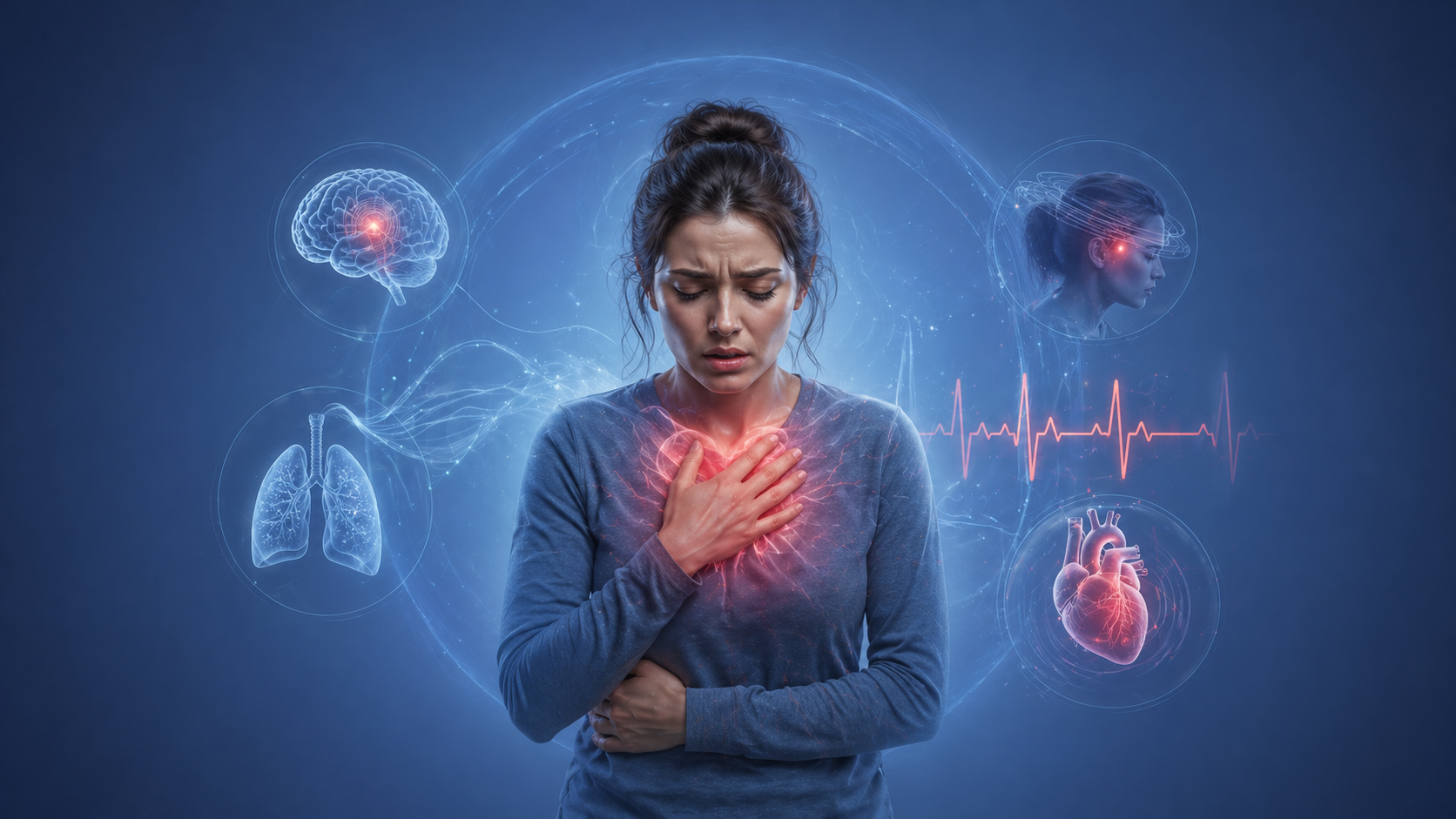
Core clinical signs include palpitations, sweating, trembling, shortness of breath, chest discomfort, dizziness, and gastrointestinal distress. These symptoms are associated with sympathetic nervous system activation and are considered to be part of the fight-or-flight response.
Etiology of Panic Disorder Symptoms
The etiology of panic-related symptoms is multifactorial, involving neurobiological, psychological, and environmental components. These symptoms are associated with dysregulation in the brain’s fear network, particularly involving the amygdala, hippocampus, and prefrontal cortex.
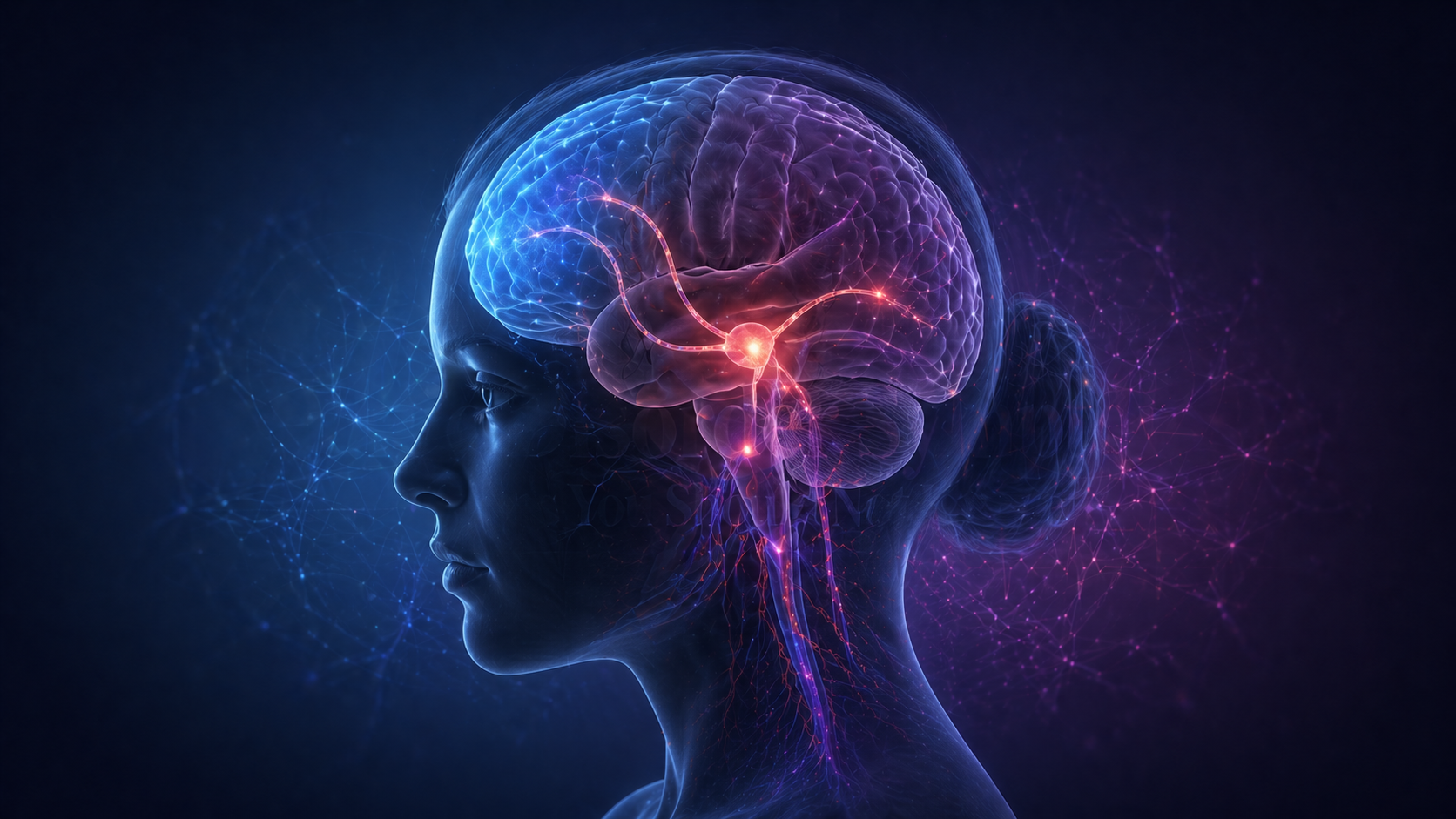
The amygdala is considered to be central in detecting threats and generating fear responses. Panic disorder symptoms may be explained by hyperactivation of this fear circuit. Neurotransmitters such as serotonin and norepinephrine are associated with anxiety regulation and autonomic arousal.
Physiological Changes in Panic Disorder Symptoms
Panic-related symptoms are associated with significant changes in physiological systems, particularly the autonomic nervous system. Sympathetic activation leads to increased heart rate, rapid breathing, and muscle tension.
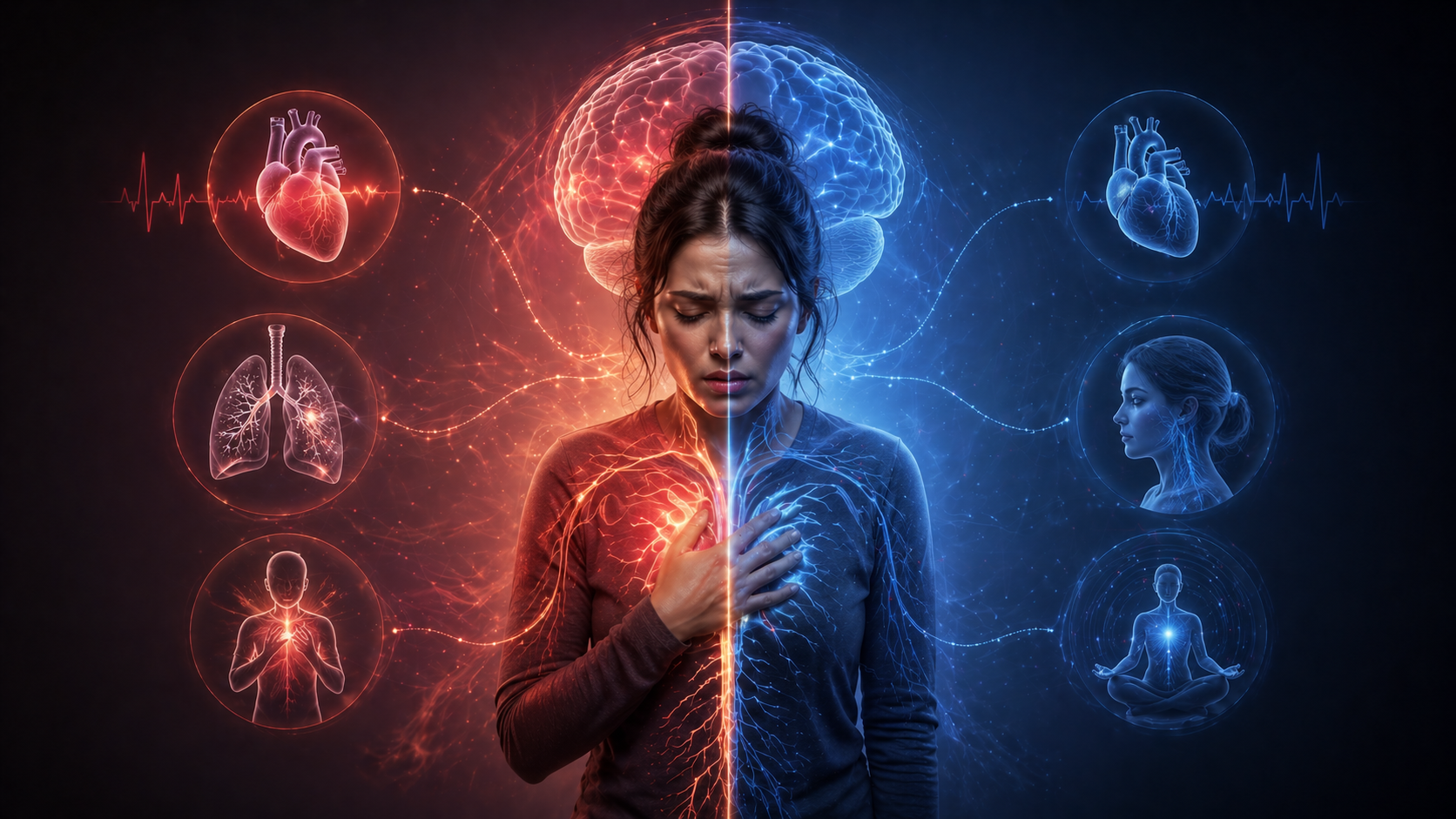
The hypothalamic-pituitary-adrenal axis is involved in these symptoms. Cortisol release is associated with increased stress sensitivity and anxiety responses.
Korean Medicine Interpretation of Panic Disorder Symptoms
In Korean medicine, panic disorder symptoms are understood as systemic imbalance involving qi, blood, and organ function. Heart-gallbladder deficiency is associated with instability in emotional regulation.
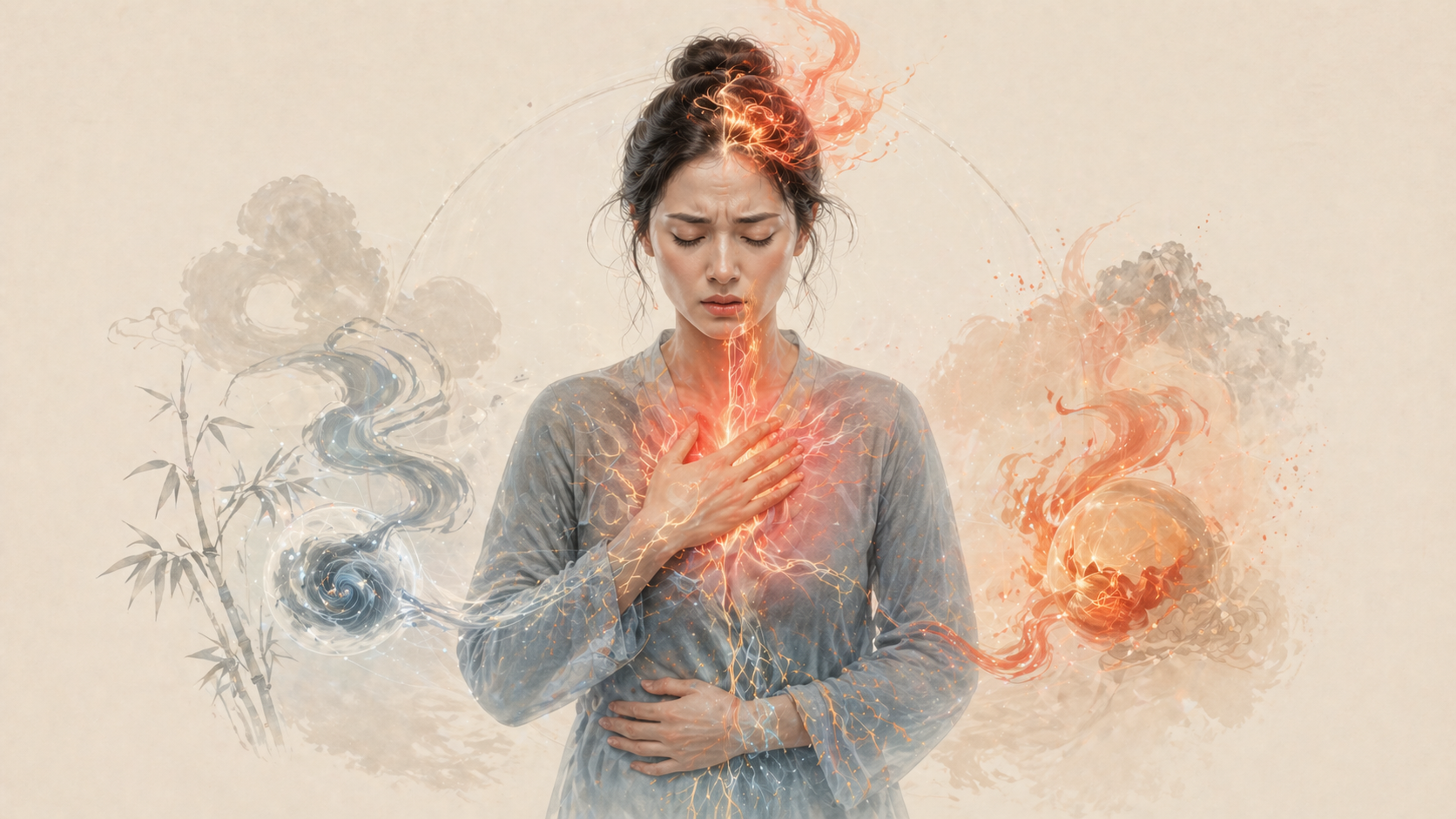
Phlegm-fire disturbance is associated with agitation and palpitations. Liver qi stagnation is associated with stress and emotional constraint. These symptoms may be explained by interacting imbalances involving qi movement, internal heat, and disrupted emotional regulation.
Treatment Perspective for Panic Disorder Symptoms
From the perspective of Korean Medicine Neuropsychiatry, treatment is understood as regulation of both neural activity and systemic balance. The clinical approach is considered to focus on stabilizing the autonomic nervous system, calming fear responses, and restoring qi flow.
Summary of Panic Disorder Symptoms
Panic disorder symptoms are described as complex interactions between fear circuit dysregulation, autonomic nervous system activation, and stress hormone responses. These symptoms are associated with amygdala hyperactivity and altered neurotransmitter function.
In Korean medicine, these symptoms are understood as patterns such as heart-gallbladder deficiency, qi stagnation, and phlegm-fire disturbance. These are considered to be systemic explanations of emotional and physiological dysregulation.
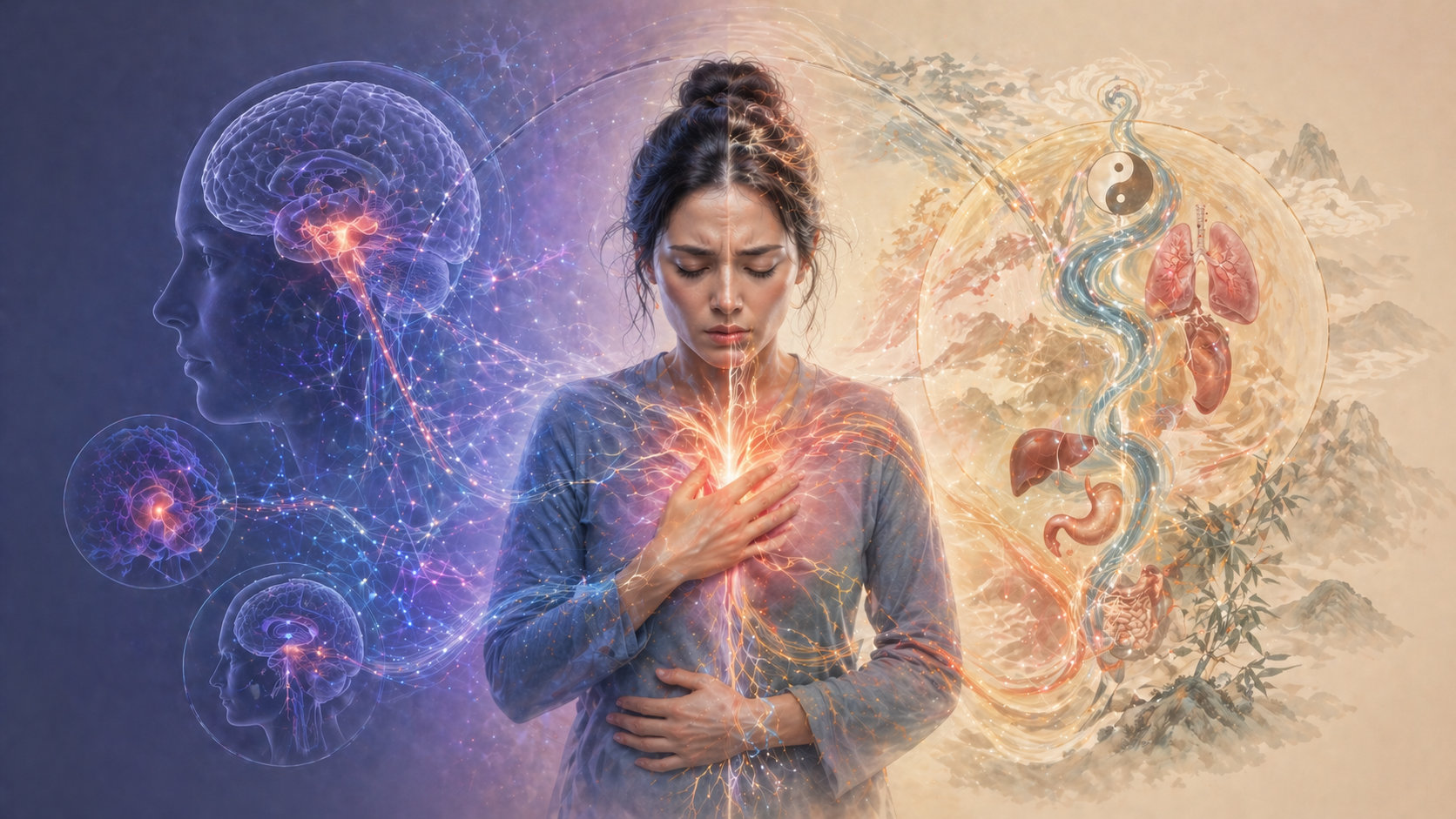
Korean Medicine Neuropsychiatry, as actively studied by the Korean Society of Oriental Neuropsychiatry, integrates neuroscience and traditional concepts to explain panic-related symptoms through both neural and systemic frameworks.
These mechanisms are also associated with insomnia and autonomic imbalance and depression-related neurobiology.
For additional clinical reference, see panic disorder clinical information.