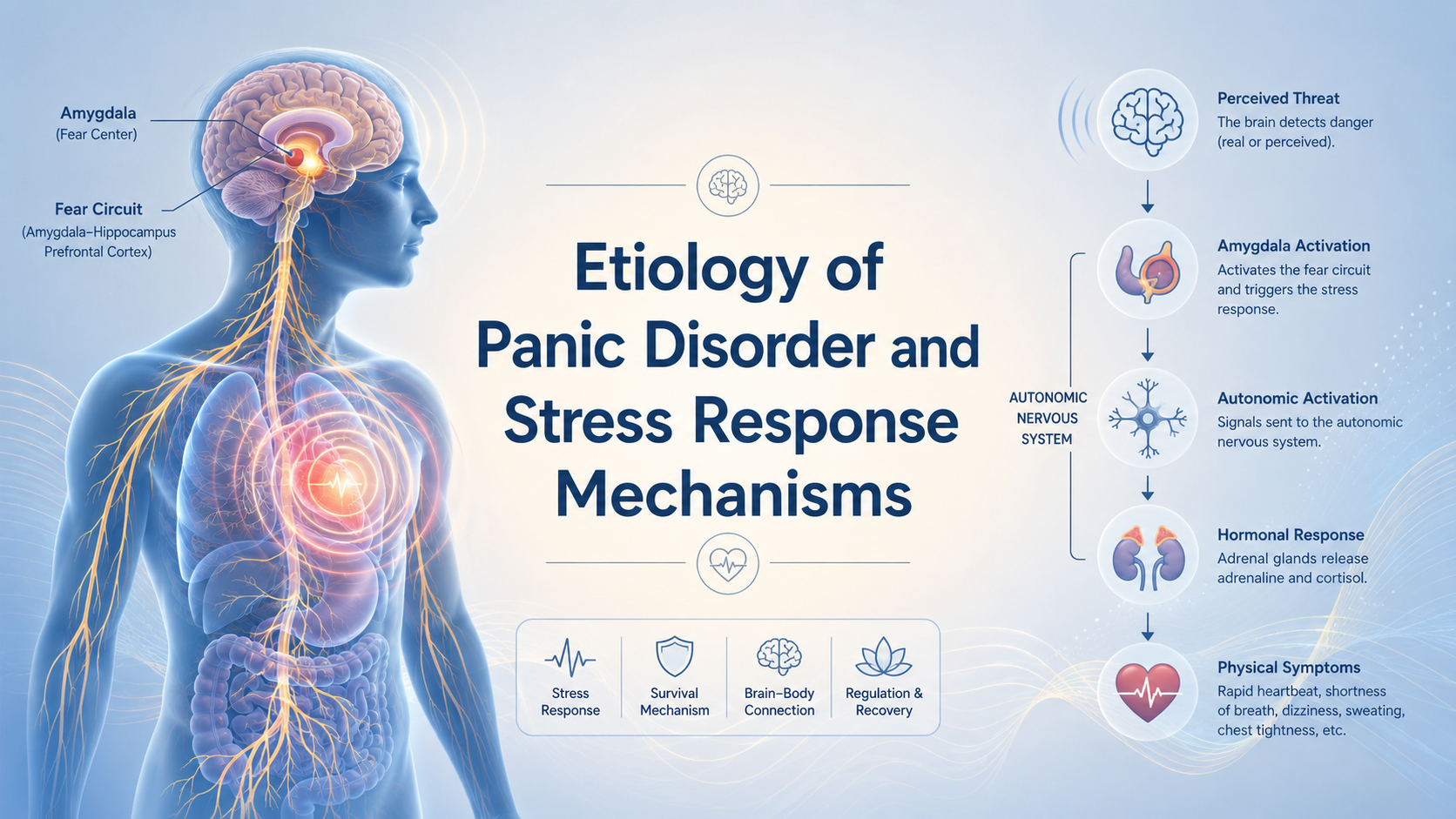
Panic disorder stress response is a central mechanism in panic disorder, a condition characterized by recurrent and unexpected panic attacks and persistent concern about future episodes. This response is described as an interaction between fear circuitry and autonomic activation that produces sudden and intense anxiety.
Modern medicine explains this condition as dysfunction of the amygdala-based fear circuit and prefrontal regulation. In Korean medicine, this condition is understood as a disturbance of qi flow, phlegm-fire accumulation, and imbalance of the heart and gallbladder systems.
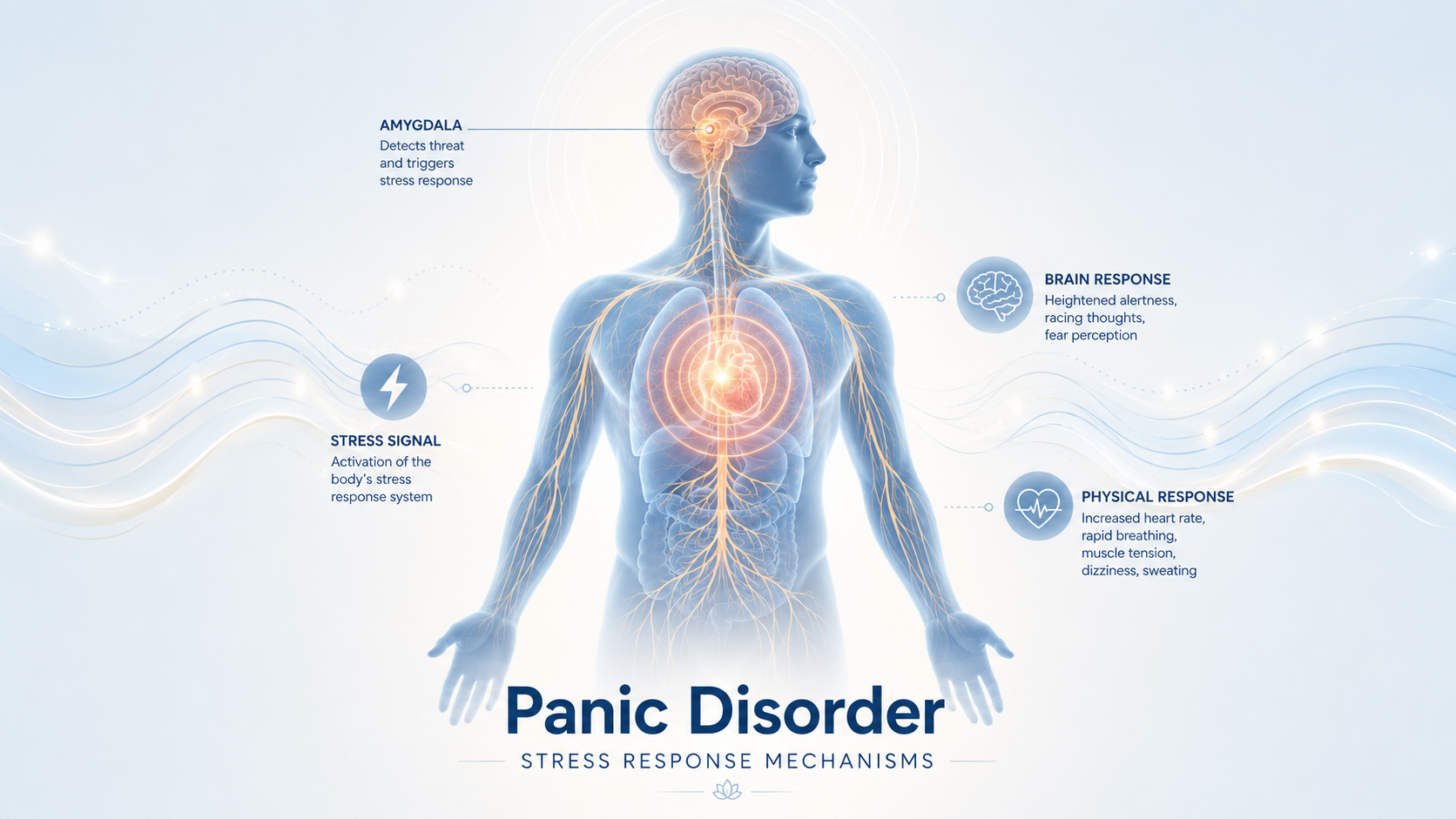
Within Korean Medicine Neuropsychiatry, this mechanism is considered to be an integrated phenomenon linking neural dysregulation with systemic imbalance. The Korean Society of Oriental Neuropsychiatry studies and integrates these perspectives.
For related information, see panic disorder and anxiety disorders. External reference: NIMH Panic Disorder
Panic Disorder Stress Response Clinical Features
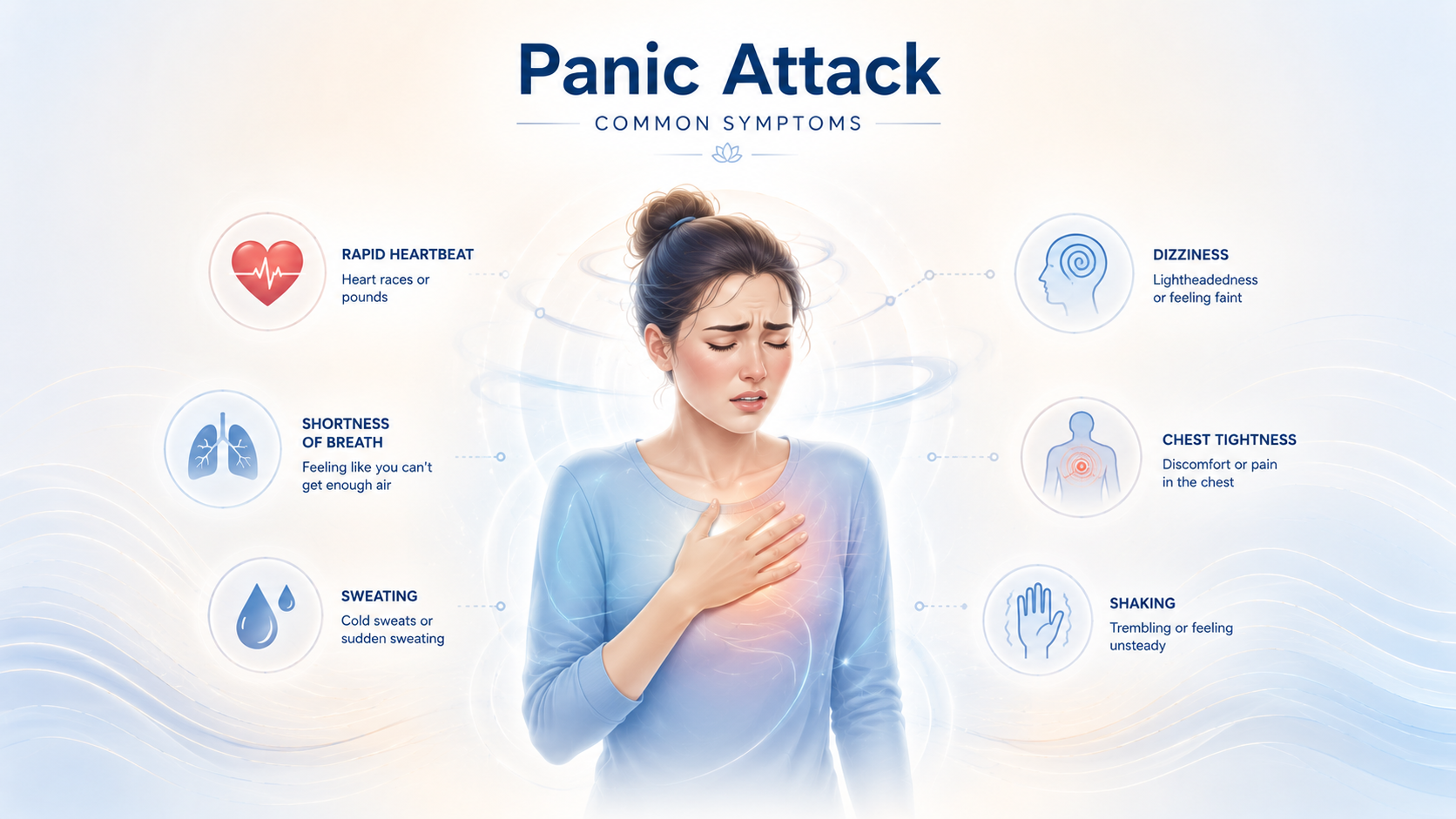
This condition is associated with sudden fear, palpitations, dizziness, and shortness of breath. These symptoms are described as acute autonomic reactions driven by exaggerated stress activation.
Avoidance behavior and anticipatory anxiety are understood as consequences of repeated episodes and contribute to functional impairment.
Panic Disorder Stress Response Etiology
The etiology involves the amygdala, fear circuit, and neurotransmitters. This response is associated with heightened sensitivity to bodily signals and threat misinterpretation.
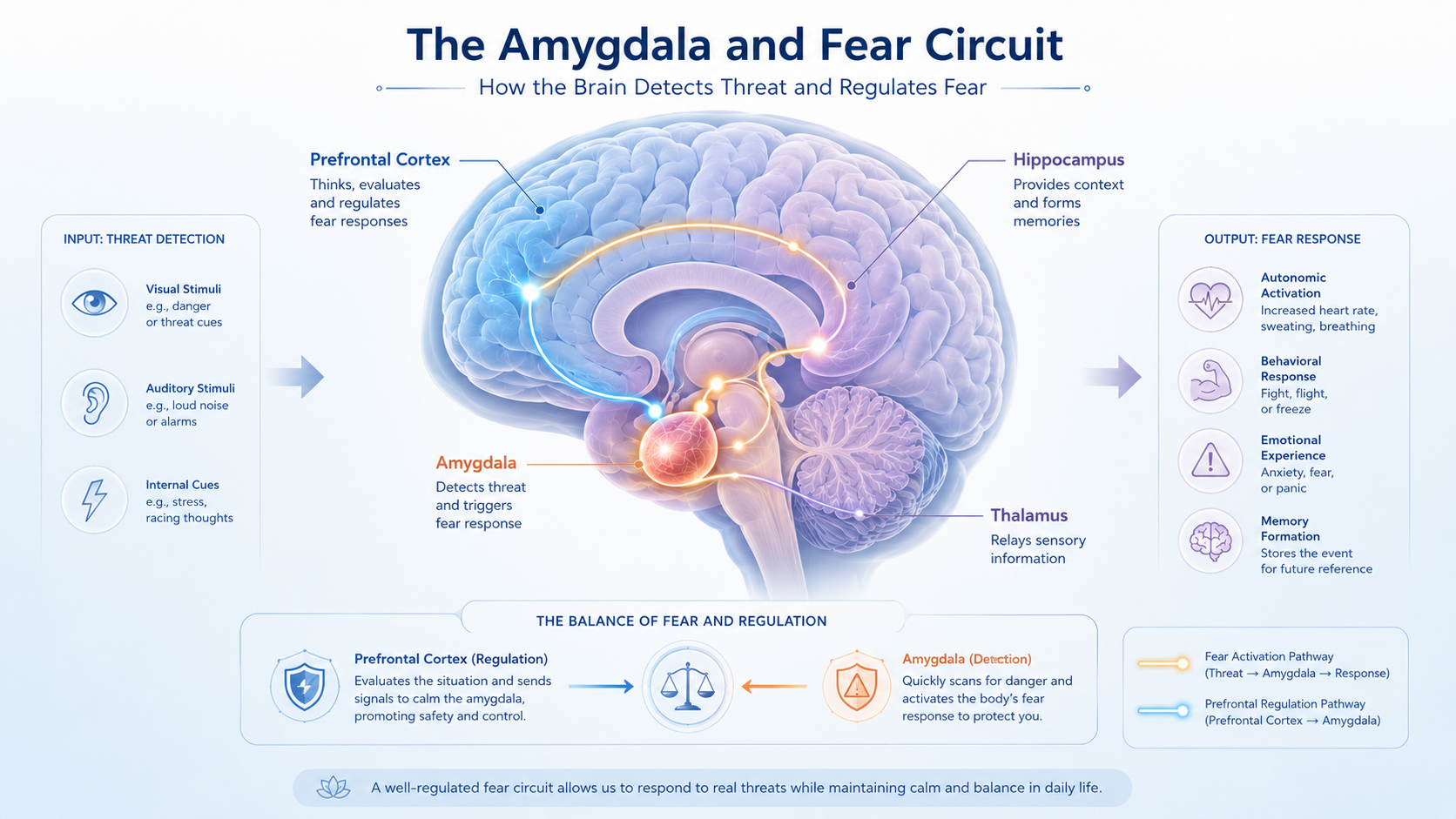
Serotonin, norepinephrine, and GABA are involved in regulating emotional stability and arousal. These systems may be explained as contributing to vulnerability and increased reactivity.
Panic Disorder Stress Response Physiological Changes
This condition is associated with autonomic imbalance and HPA axis activation. Sympathetic activity increases physiological arousal, while recovery becomes slower.
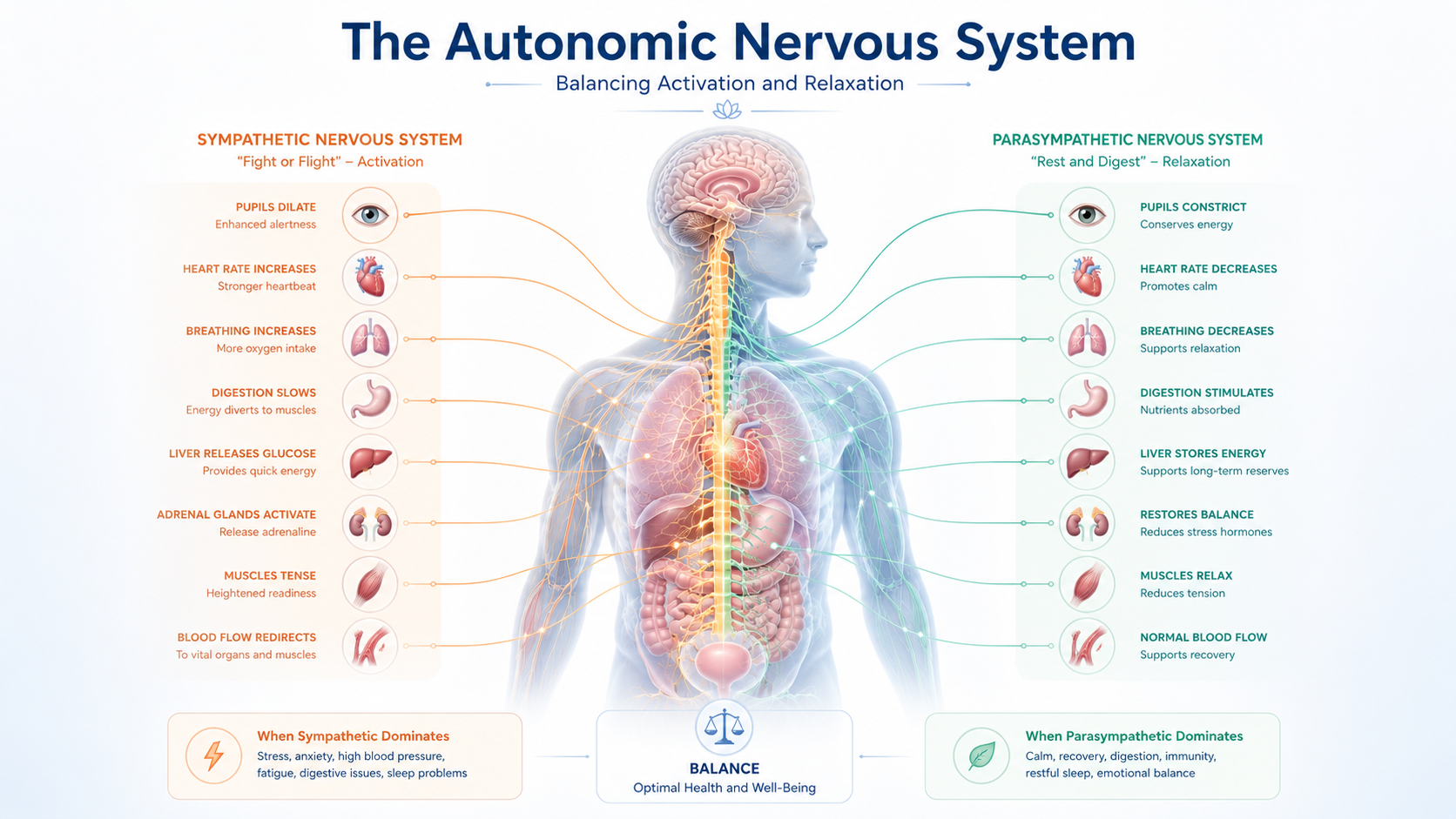
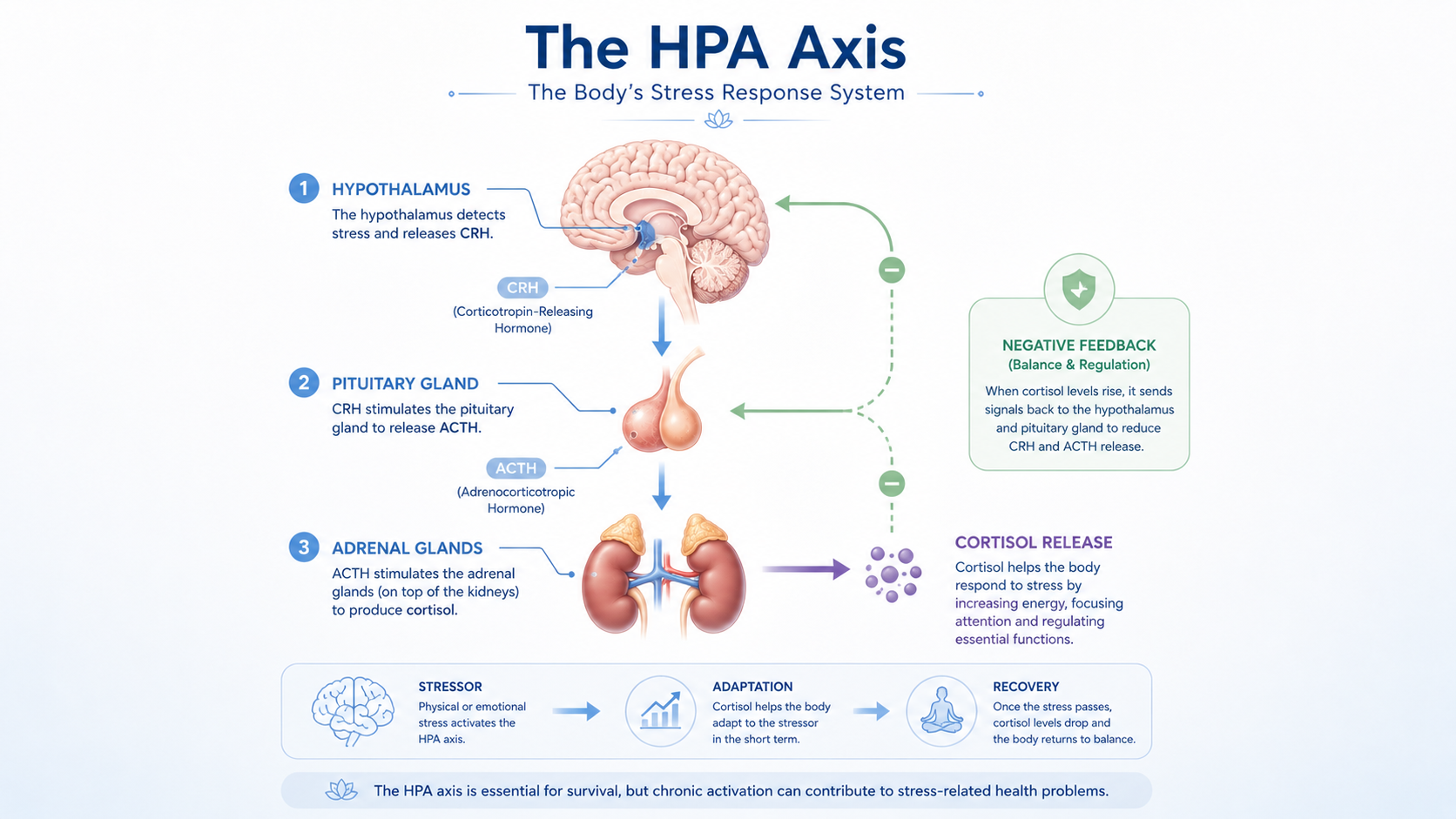
Cortisol and adrenaline are involved and are associated with repeated hyperarousal.
Panic Disorder Stress Response in Korean Medicine
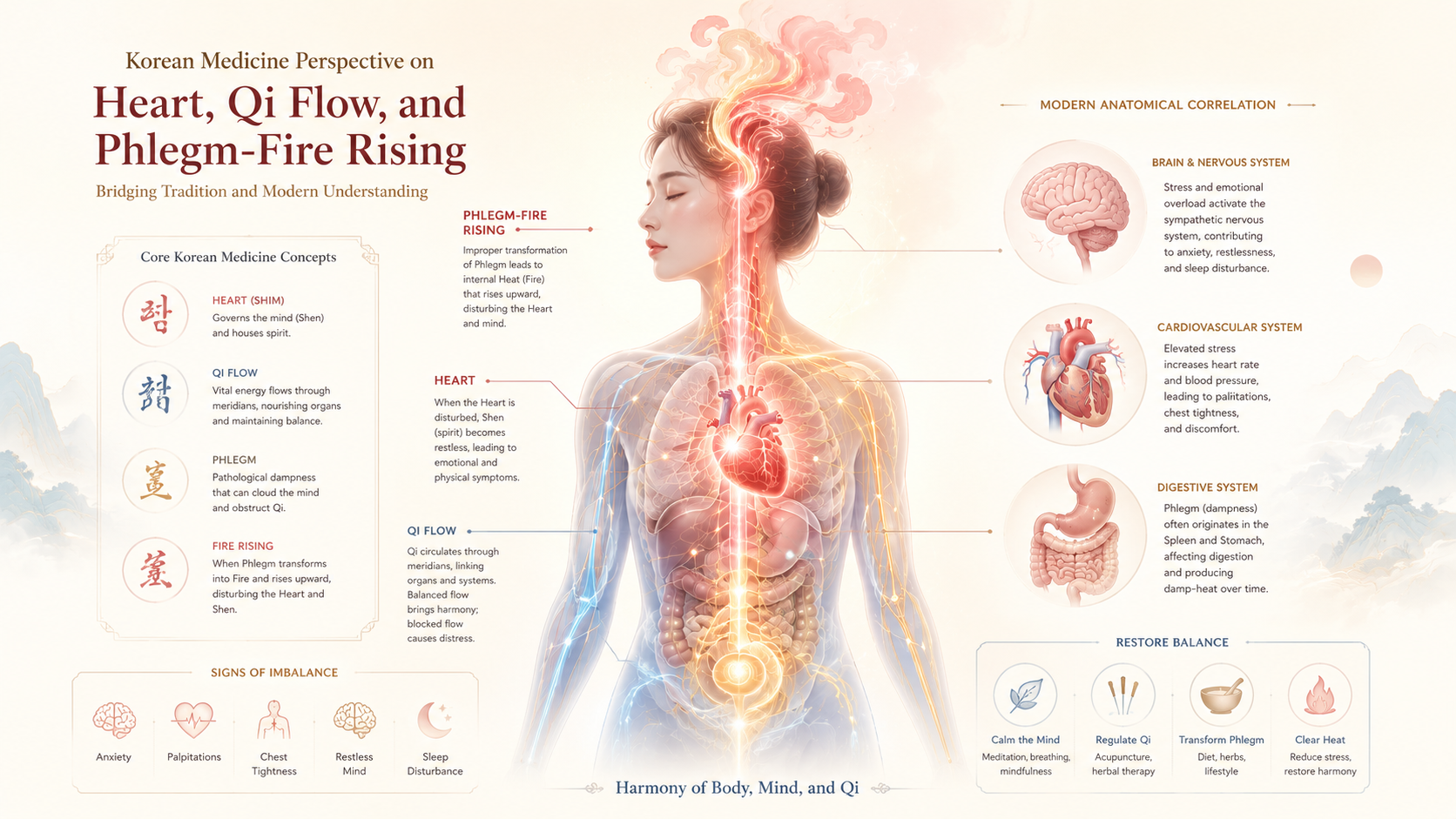
In Korean medicine, this condition is understood as heart-gallbladder deficiency, phlegm-fire disturbance, and qi stagnation. These patterns are associated with emotional instability and physical symptoms.
Qi Stagnation
Qi stagnation is described as impaired flow linked to stress and is associated with chest tightness and discomfort.
Phlegm-Fire
Phlegm-fire is understood as internal accumulation contributing to agitation and anxiety.
Panic Disorder Stress Response Treatment Perspective
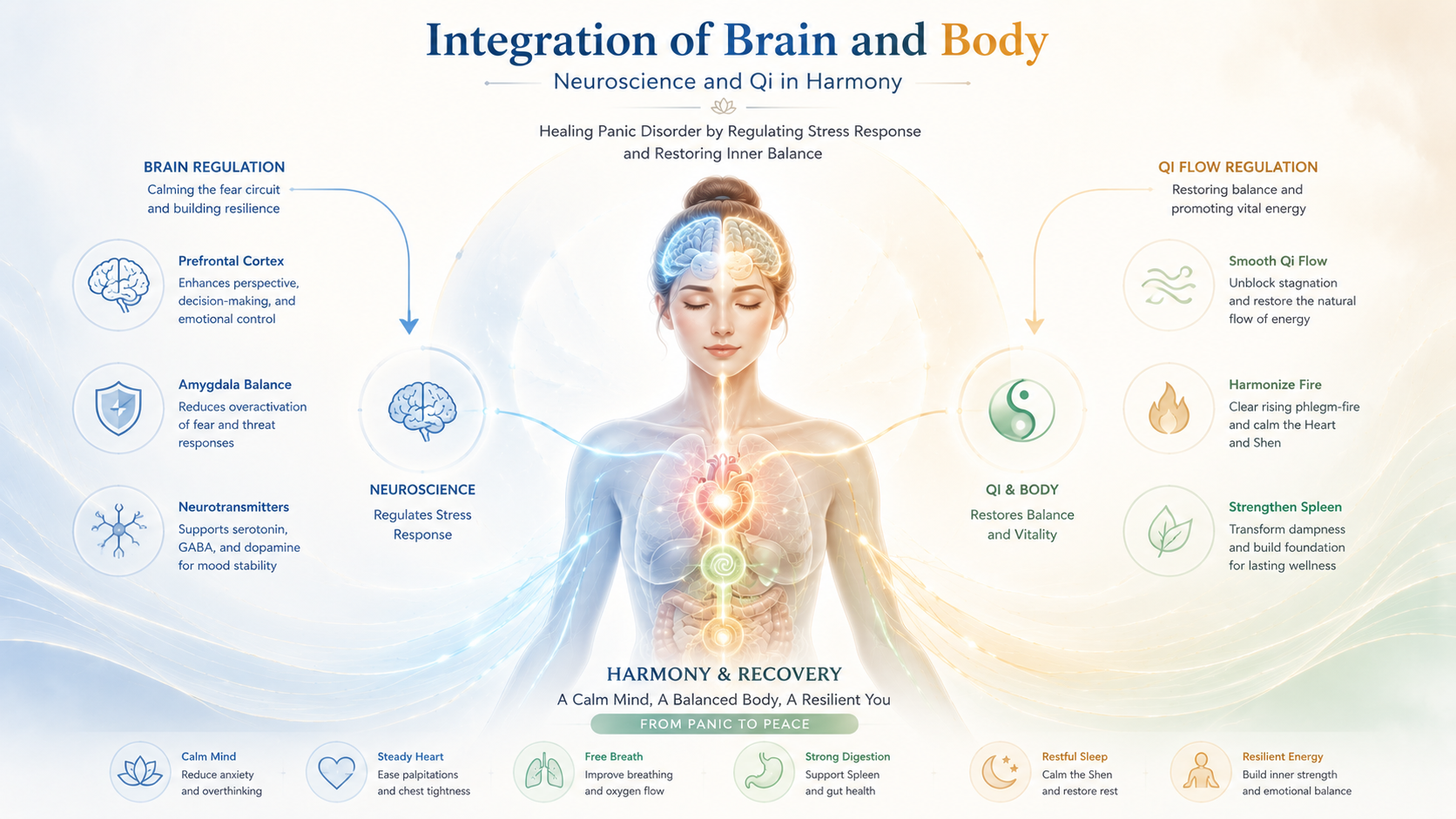
From the perspective of Korean Medicine Neuropsychiatry, treatment is understood as restoring balance in the nervous system and reducing excessive activation.
Panic Disorder Stress Response Summary
This condition is described as a mechanism involving fear circuit dysregulation, autonomic imbalance, and neurotransmitter changes.
Korean Medicine Neuropsychiatry and the Korean Society of Oriental Neuropsychiatry integrate neuroscience and traditional medicine to explain this condition.