Overview of Depression Neurobiology
Depression neurobiology is the study of neural, biochemical, and physiological mechanisms that contribute to depression and brain function changes. Depression is a condition characterized by persistent low mood, reduced interest or pleasure, cognitive difficulties, and functional impairment that affect emotional, behavioral, and physical well-being.
Modern medicine explains the disorder as a multifactorial condition involving alterations in brain networks, neurotransmitter systems, stress regulation pathways, and neuroplasticity. In Korean medicine, the condition is understood as a disorder arising from imbalances of qi, blood, emotional regulation, and organ system functions that influence both mental and physical health.
Within Korean Medicine Neuropsychiatry, depression is understood through an integrated framework that considers both brain function and systemic physiological regulation. The Korean Society of Oriental Neuropsychiatry studies depression through the integration of neuroscience and Korean medicine theories to explain the interactions among emotional stress, neural regulation, and bodily function.
Clinical Features of Depression Neurobiology
Depression presents with emotional, cognitive, behavioral, and physical symptoms. Common emotional symptoms include persistent sadness, feelings of emptiness, hopelessness, guilt, and reduced emotional responsiveness.
Cognitive symptoms may include impaired concentration, slowed thinking, indecisiveness, memory difficulties, and negative self-evaluation. These manifestations are associated with functional alterations in brain regions involved in executive control and emotional regulation.
The study of depression neurobiology suggests that symptoms are associated with disrupted communication among brain regions responsible for mood regulation, reward processing, attention, and stress adaptation.
Etiology of Depression Neurobiology
Stress Response and HPA Axis in Depression Neurobiology
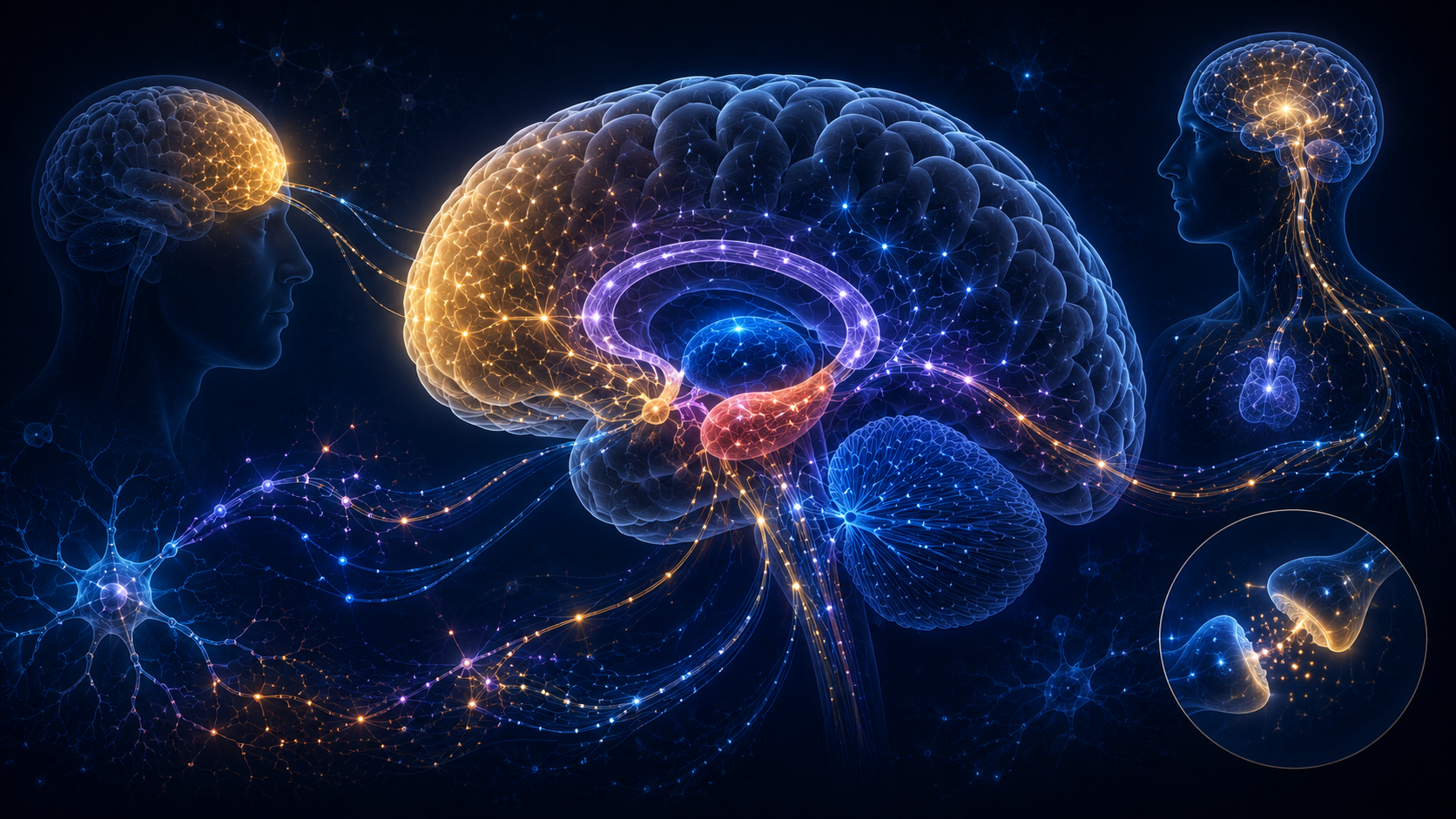
Chronic stress is recognized as a major contributor to depression. Repeated exposure to stress may alter the hypothalamic-pituitary-adrenal axis, leading to persistent activation of stress-response pathways.
Elevated cortisol levels are associated with impaired emotional regulation and changes in brain structure and function. Within the framework of depression neurobiology, HPA axis dysregulation is described as a central mechanism linking environmental stressors to depressive symptoms.

Neurotransmitters in Depression Neurobiology
Depression is associated with alterations in serotonin, dopamine, and norepinephrine. Serotonin is involved in mood regulation, emotional processing, sleep, and appetite. Dopamine is involved in reward processing, motivation, and pleasure. Norepinephrine is involved in attention, arousal, and stress adaptation.
The interaction among serotonin, dopamine, and norepinephrine is considered to be a key aspect of depression neurobiology because these neurotransmitters influence both emotional regulation and stress response mechanisms.
Brain Circuits in Depression Neurobiology
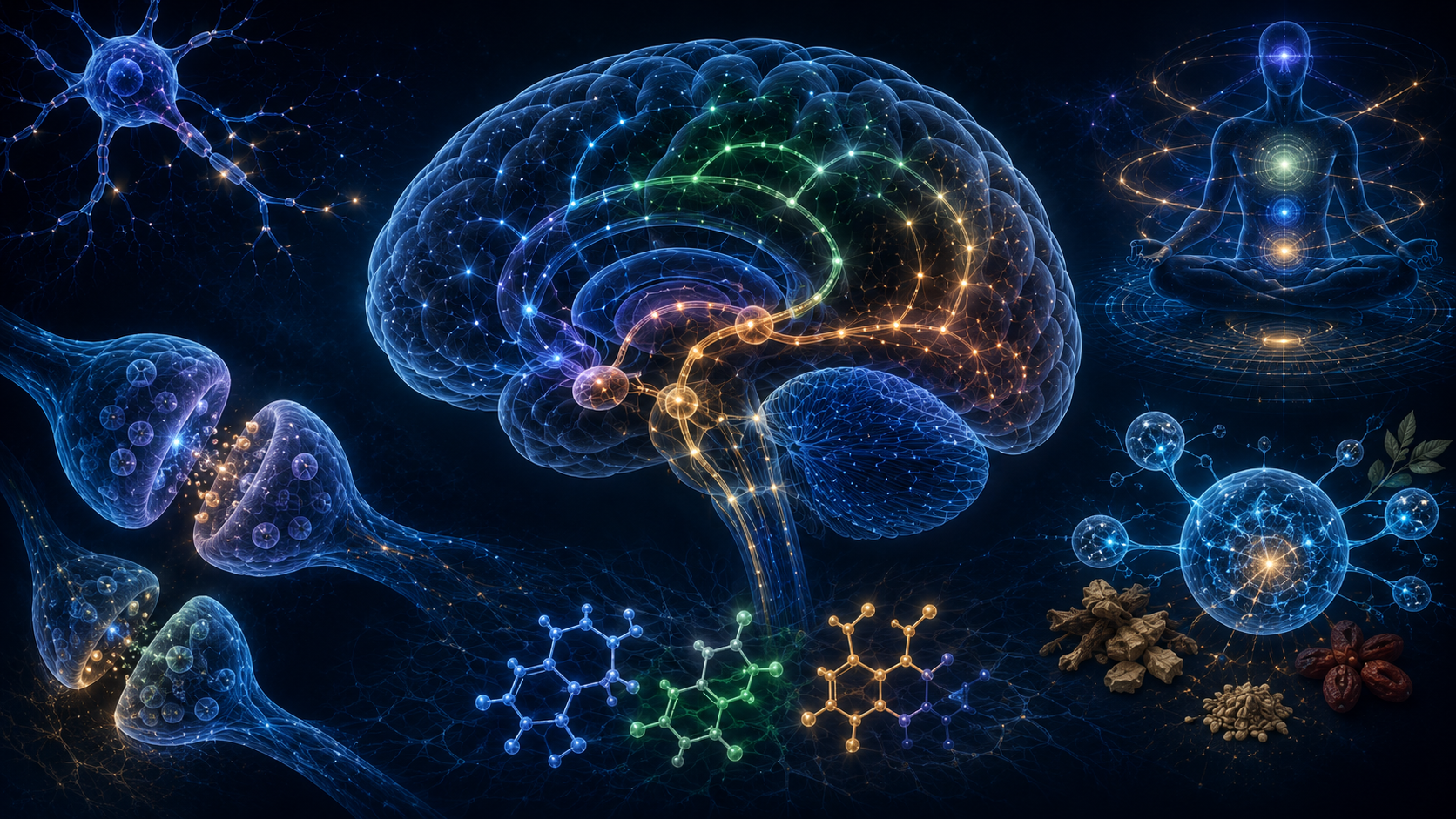
The prefrontal cortex is involved in executive control, decision-making, and emotional regulation. Reduced activity in this region may contribute to impaired cognitive control over negative emotions.
The amygdala plays a central role in emotional processing and threat detection. Increased amygdala reactivity is associated with heightened sensitivity to negative emotional stimuli. The hippocampus is involved in memory formation and stress regulation.
Physiological Changes in Depression Neurobiology
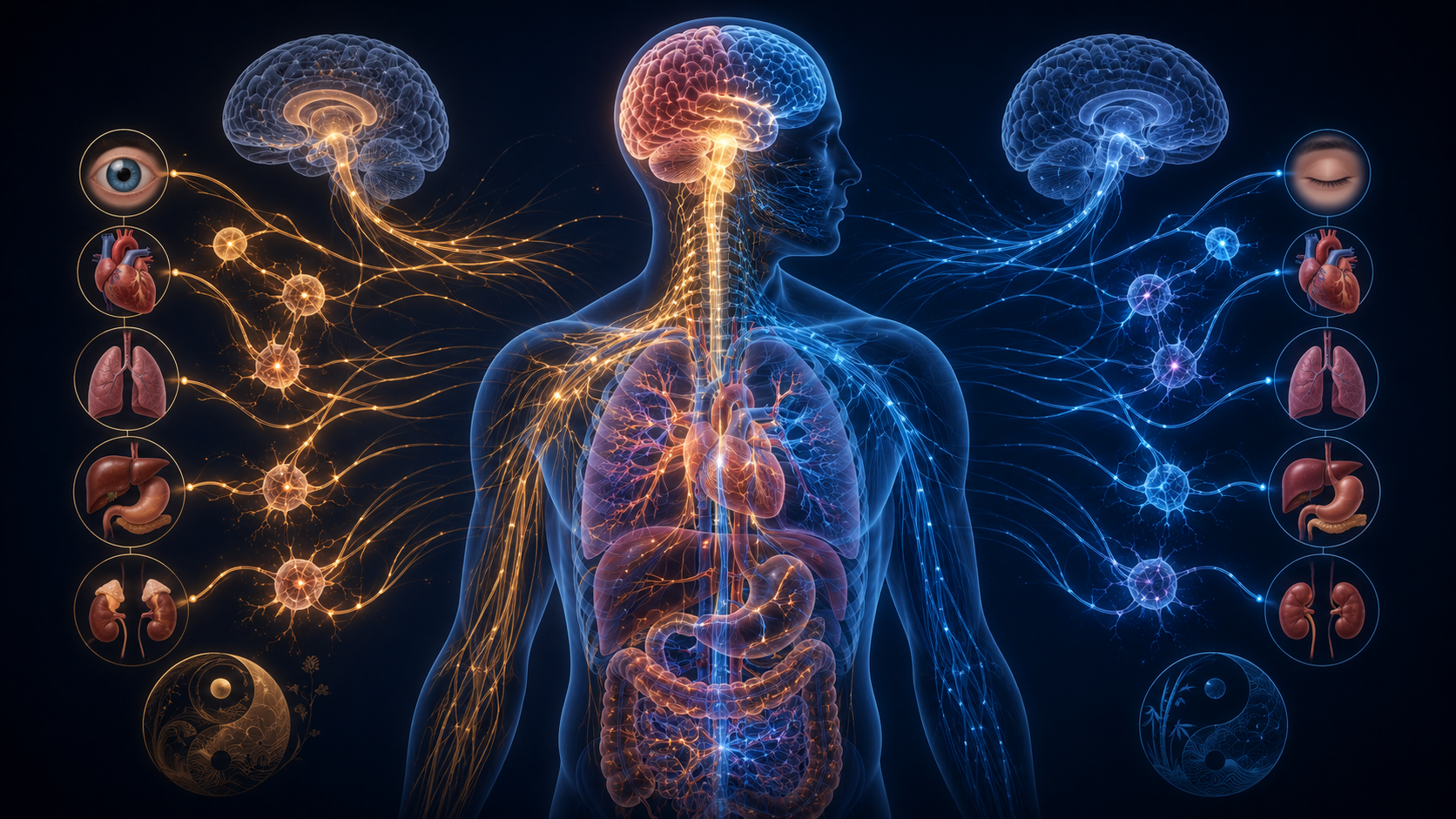
Depression involves physiological changes that extend beyond the brain. The autonomic nervous system regulates cardiovascular activity, respiration, digestion, and stress adaptation.
Individuals with depression often exhibit reduced parasympathetic activity and increased sympathetic activation. This imbalance is associated with elevated physiological stress, impaired recovery, and reduced adaptability.
Persistent activation of stress-response pathways may lead to abnormal cortisol regulation, sleep disturbance, fatigue, immune alteration, cognitive difficulty, and emotional instability.
Korean Medicine Interpretation of Depression Neurobiology
Korean medicine conceptualizes depression through patterns of functional imbalance that affect emotional and physical regulation. These patterns may be explained as clinical frameworks describing systemic dysregulation that overlaps with mechanisms explored in depression neurobiology.
Liver Qi Stagnation
Liver qi stagnation is understood as a disruption of the smooth flow of emotional and physiological activity. Psychological stress and unresolved emotional tension may impair qi movement and are associated with irritability, depressed mood, emotional suppression, chest discomfort, and digestive symptoms.
Qi and Blood Deficiency
Qi and blood deficiency is associated with insufficient physiological nourishment and reduced functional capacity. This pattern is linked to fatigue, lack of motivation, cognitive difficulties, sleep disturbances, and emotional vulnerability.
Phlegm Accumulation and Yin Deficiency
Phlegm accumulation is understood as obstruction of normal physiological communication and regulation. Yin deficiency is associated with inadequate restorative and regulatory functions. These patterns may be linked to mental fogginess, insomnia, restlessness, emotional sensitivity, and chronic exhaustion.
Treatment Perspectives in Depression Neurobiology
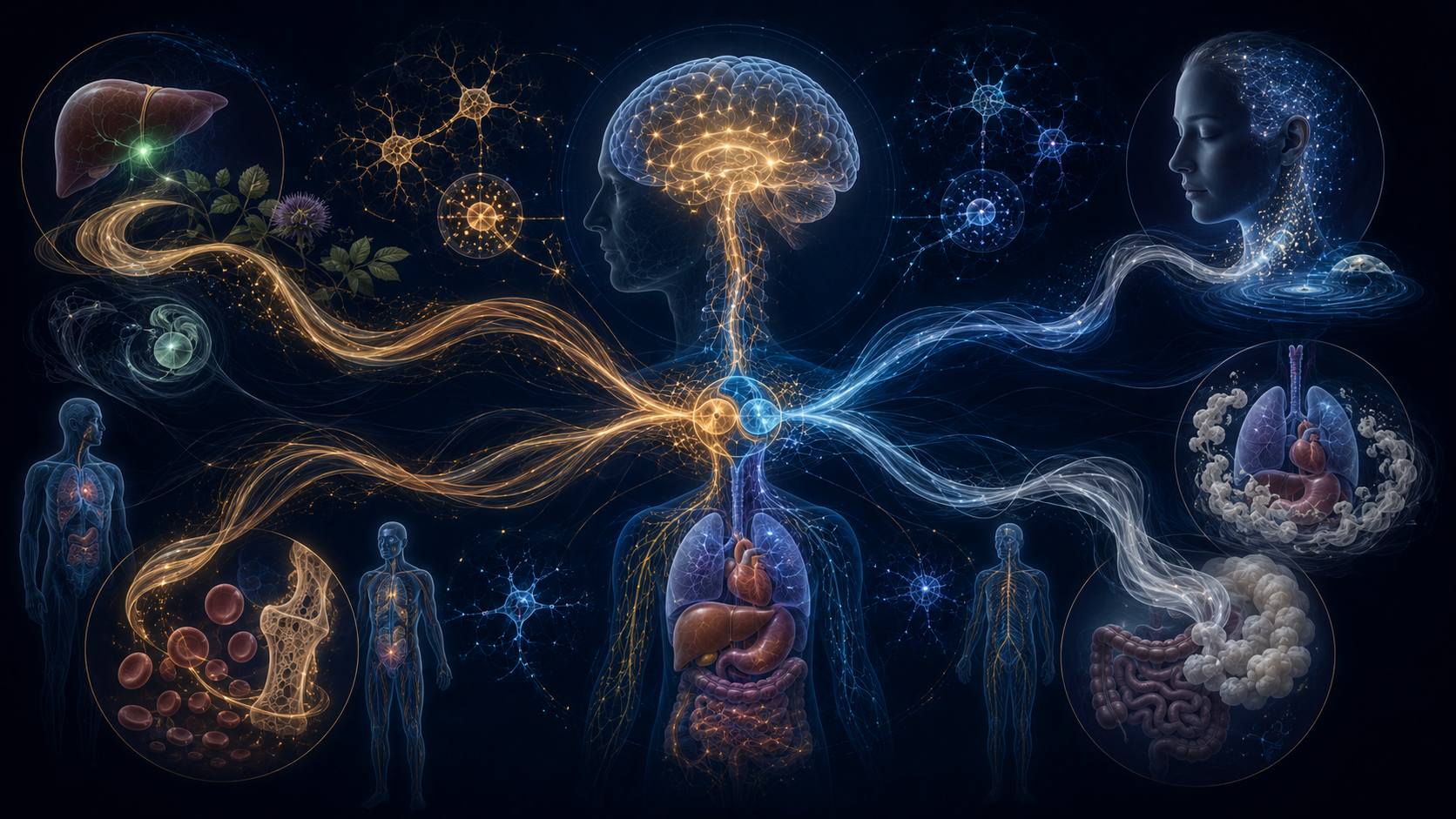
From the perspective of Korean Medicine Neuropsychiatry, treatment is understood as the restoration of emotional regulation, physiological balance, and adaptive nervous system function.
Within the framework of depression neurobiology, treatment is associated with normalization of neurotransmitter activity, enhancement of neuroplasticity, improvement of stress-response regulation, and restoration of functional brain network connectivity.
Korean medicine approaches focus on regulating qi circulation, supporting blood nourishment, reducing excessive stress responses, and improving systemic balance. These approaches are understood as targeting interconnected physiological processes that influence both mental and physical health.
Related topic: depression symptoms
Summary
Depression is a complex psychiatric disorder involving emotional, cognitive, behavioral, and physiological disturbances. The field of depression neurobiology investigates how alterations in serotonin, dopamine, and norepinephrine systems contribute to mood dysregulation, impaired reward processing, and maladaptive stress responses.
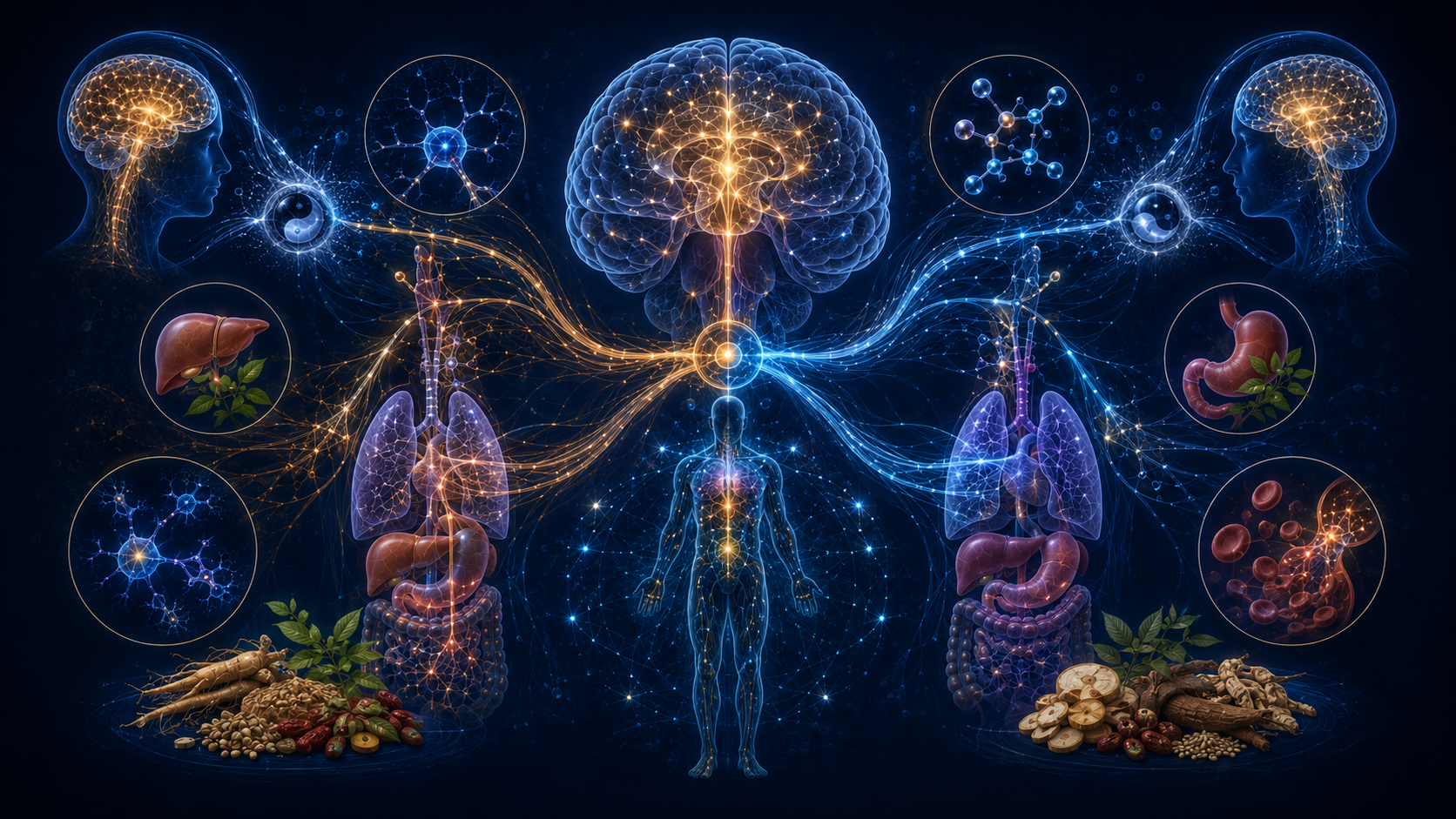
Depression is associated with functional changes in the prefrontal cortex, amygdala, hippocampus, autonomic nervous system, and HPA axis. In Korean medicine, depression is understood as a condition involving liver qi stagnation, qi and blood deficiency, phlegm accumulation, and yin deficiency.
Korean Medicine Neuropsychiatry investigates depression through an integrated framework that explains both neural mechanisms and traditional pathophysiological concepts. The Korean Society of Oriental Neuropsychiatry actively studies, investigates, and integrates findings from neuroscience and Korean medicine to improve the understanding of depression and its underlying biological and functional mechanisms.